 Hartono Sudibyo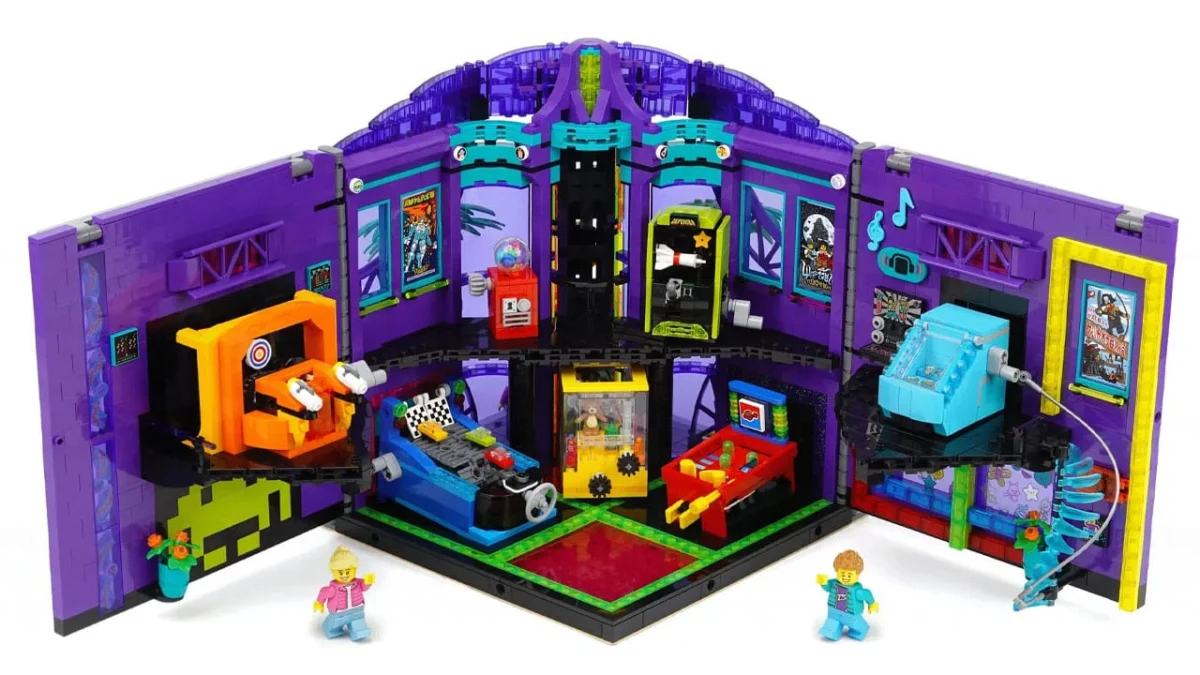
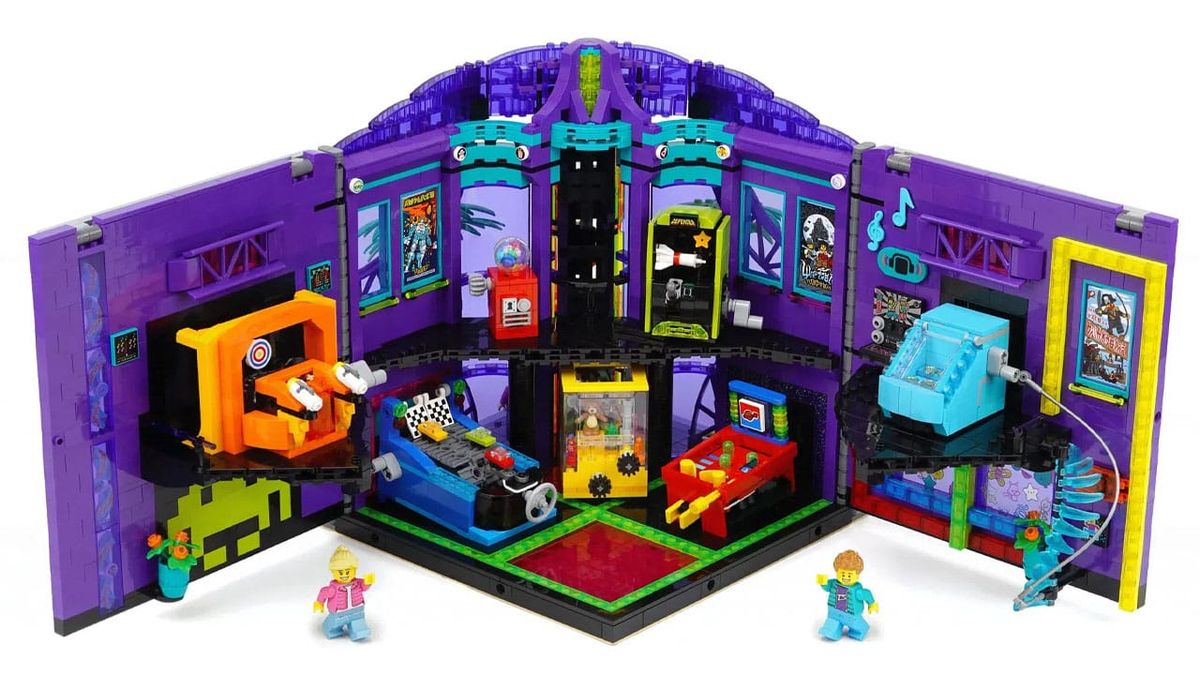
The intersection of physical building blocks and retro coin-op culture has captured the imagination of the global adult fan of Lego (AFOL) community, following the launch of a new fan-submitted concept on the Lego Ideas platform. Designed by creator Liam Paradise, the working Lego arcade set offers a fully functional, miniature recreation of a classic 1980s amusement hall. The modular build, which successfully replicates the vibrant aesthetics, mechanical complexity, and atmospheric charm of vintage gaming culture, has rapidly gained traction online, positioning itself as a strong contender for official commercial production by the Lego Group.
Main Facts and Architectural Design
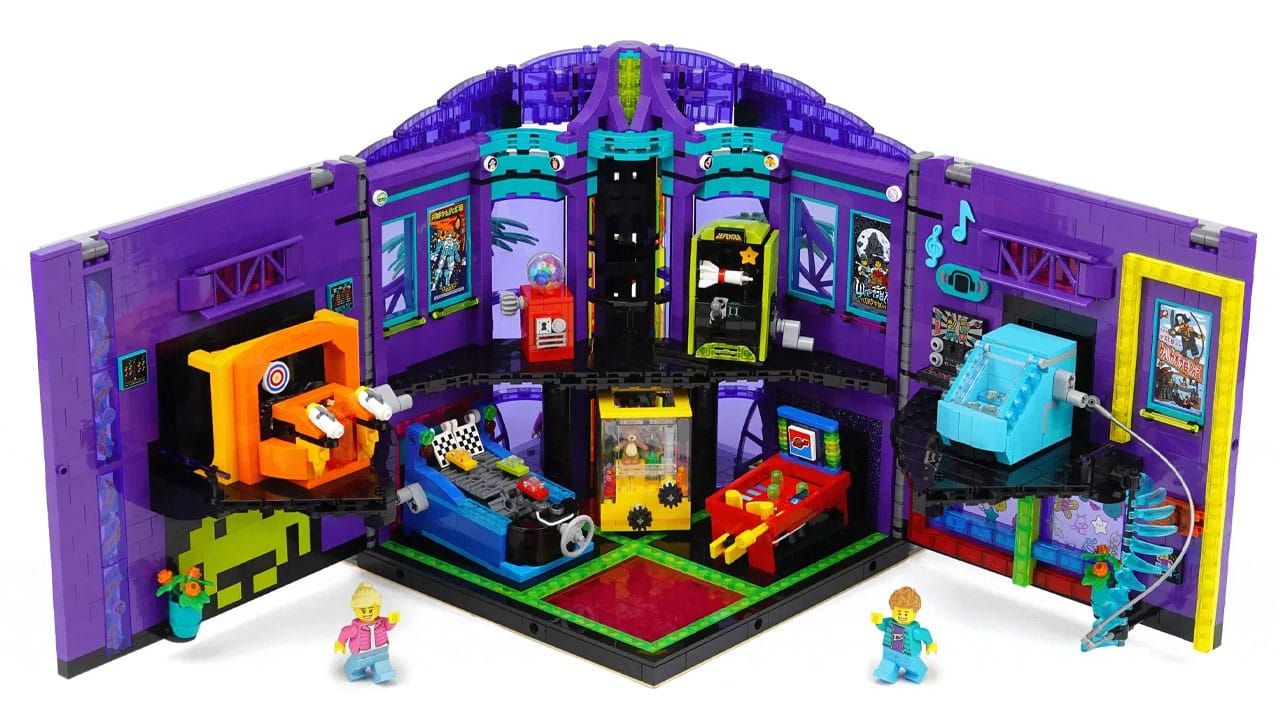
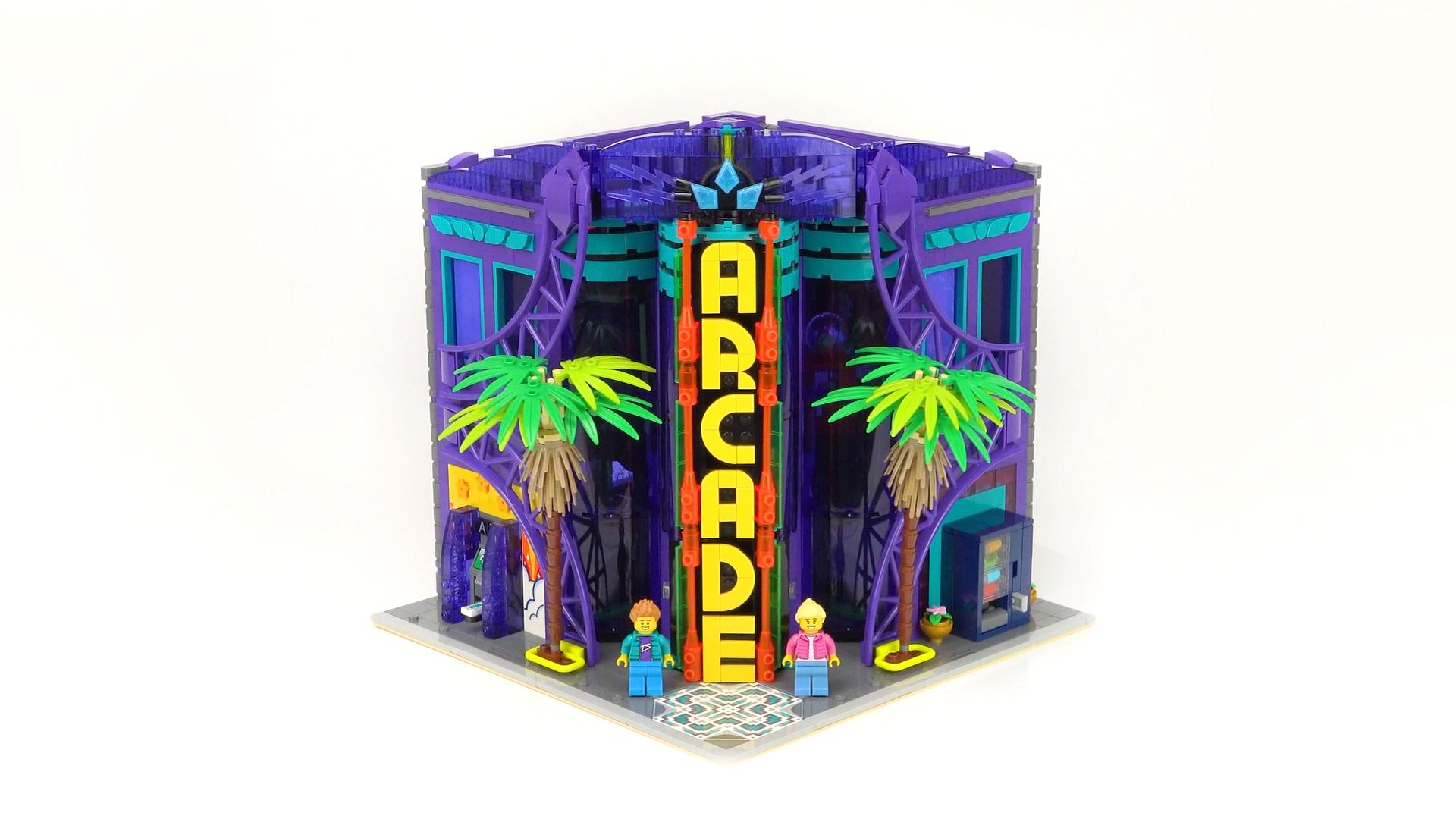
The proposed Lego Ideas project presents a comprehensive, multifaceted diorama that functions as both an exterior building model and an interactive interior playset. When closed, the set resembles a meticulously detailed 1980s commercial storefront, complete with period-appropriate signage, exterior palm tree landscaping, functional vending machines, and miniature automated teller machines (ATMs). The exterior utilizes a distinct color palette and architectural motifs reminiscent of mid-to-late 20th-century urban commercial properties, evoking a strong sense of nostalgia among demographic cohorts who grew up during the golden age of arcade gaming.
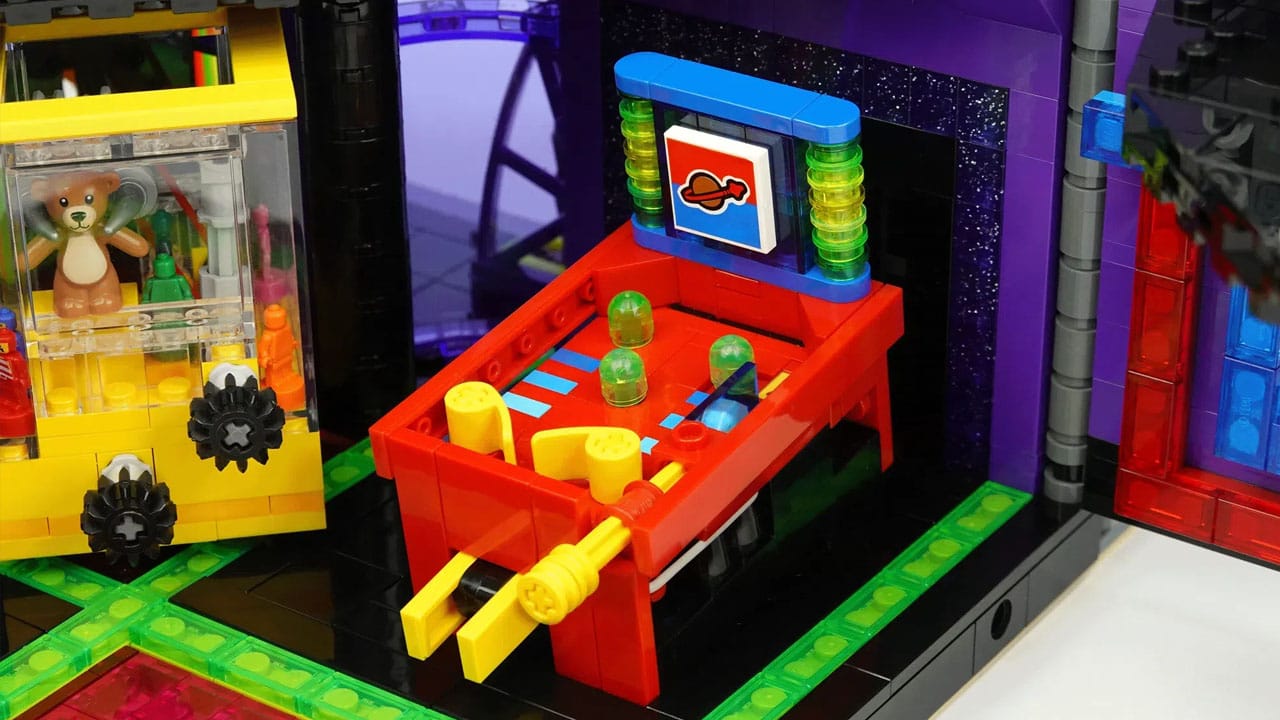
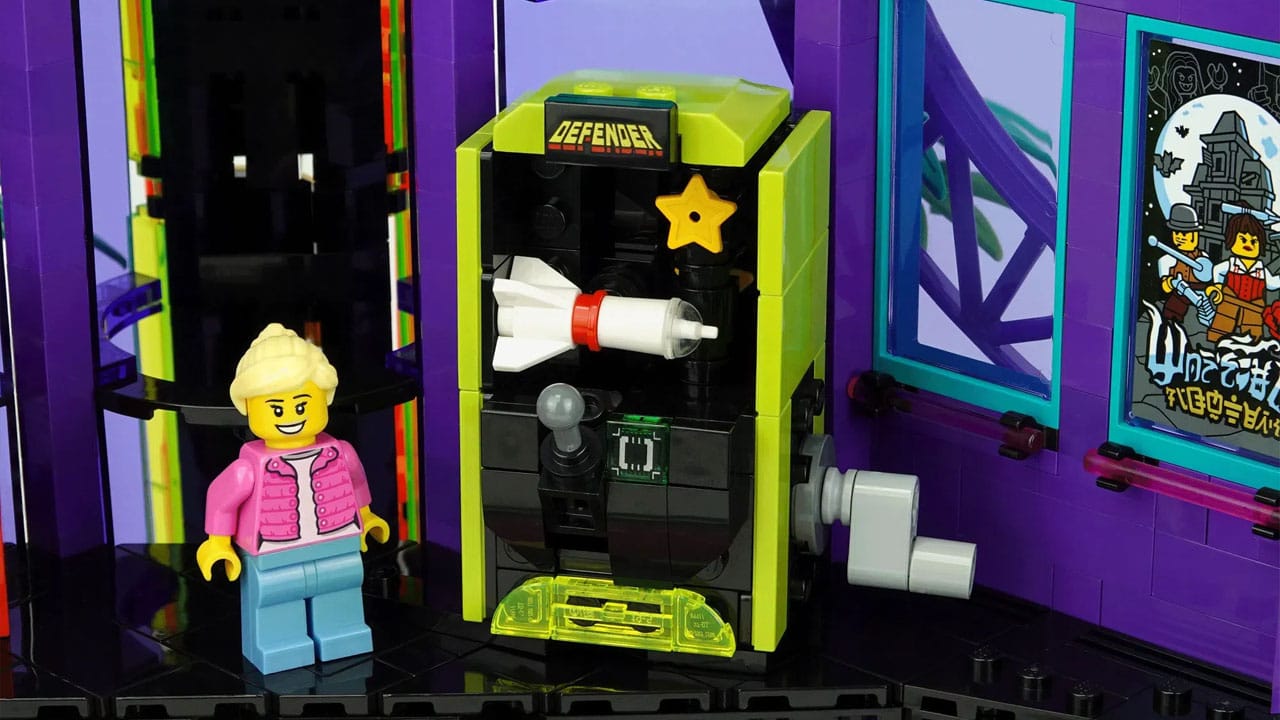
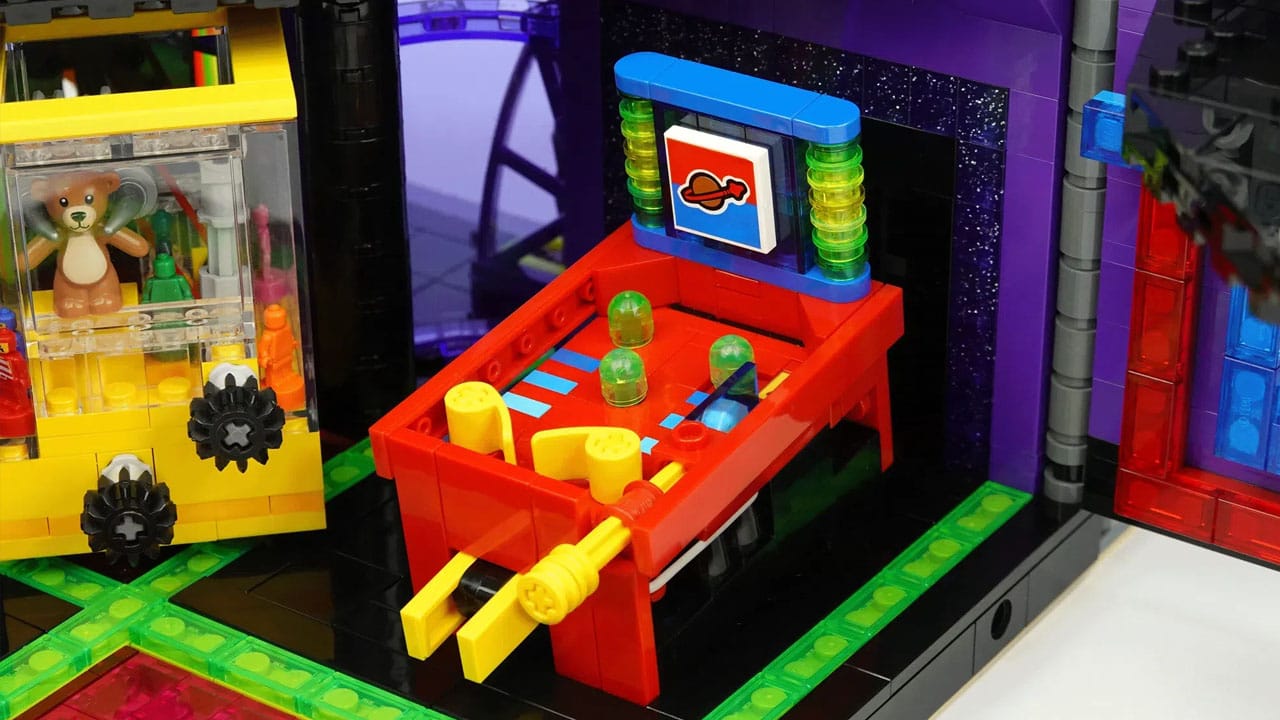
Upon opening the hinged structure, the interior reveals a dense concentration of interactive miniature entertainment devices. The inventory of functional, brick-built amusements includes working pinball machines with mechanical flippers, functional grabber (claw) cranes, and seaside coin-drop mechanisms that mimic physical arcade physics using small Lego elements. Furthermore, the centerpiece of the interior is a dedicated upright arcade cabinet styled after the classic 1980s shoot-’em-up title Defender, incorporating brick-built representations of rockets, starfields, and aesthetic cues borrowed from foundational titles like Space Invaders.

The engineering feat relies on clever packaging and mechanical linkages, allowing complex moving parts to operate within constrained spaces. Rather than relying on modern digital components or microchips, Paradise has engineered the mechanisms using traditional Lego gears, rubber bands, and Technic elements to achieve tactile, kinetic gameplay on a micro scale.
Chronology and the Lego Ideas Process
The journey of the arcade set began on September 30, 2026, when Paradise officially submitted the concept to the Lego Ideas platform. The initiative operates under a strict, milestone-based voting timeline established by the Lego Group to gauge public interest before a panel of professional designers evaluates concepts for mass production.
Under the governing regulations of the Lego Ideas program, submissions must accumulate support incrementally through distinct time-gated phases:
- Initial Milestone: A newly submitted project is granted an initial window of 60 days to achieve its first benchmark of 100 supporters. This phase serves as a preliminary filter to eliminate non-viable concepts and establish baseline interest.
- Secondary Phase: Upon successfully clearing the 60-day hurdle, the project is awarded an additional 365 days to scale its supporter base to 1,000 total votes.
- Final Threshold: Once the 1,000-vote threshold is reached, the submission is given a final one-year extension to reach the ultimate goal of 10,000 verified supporters.
Within hours of its public debut, the working arcade set demonstrated rapid community momentum, swiftly securing its initial wave of endorsements and tracking well ahead of the pace required to clear its preliminary 60-day milestone. If the project successfully accumulates the required 10,000 votes within the allotted timeframe, it will officially advance to the Lego Review Stage. During this evaluation period, a board of Lego designers, product managers, and quality assurance experts will analyze the set for structural integrity, safety standards, production feasibility, and brand synergy before deciding whether to manufacture it as an official retail set.
Supporting Data and Market Trends
The enthusiast market for nostalgia-driven, adult-targeted construction toys has expanded exponentially over the past decade. The Lego Group has increasingly catered to older demographics—often categorized by the company under the "Adults Welcome" banner—through complex, display-oriented product lines such as Lego Icons, Lego Technic, and historical dioramas.
Industry analysts note that pop-culture crossover sets and retro-themed hardware models consistently outperform standard proprietary themes in terms of secondary market valuation and initial retail velocity. Previous successful Lego Ideas submissions inspired by vintage technology and gaming—such as the Nintendo Entertainment System (NES) replica with a scrolling television screen, the Atari 2600 console, and various arcade-adjacent modular buildings—have proven that adult consumers possess a high willingness to invest in intricate, display-worthy homages to their youth.
Paradise’s arcade proposal arrives at a time when the demand for tactile, analog experiences in a digital world is at an all-time high. By combining the enduring popularity of modular street-scene buildings with the kinetic appeal of working arcade cabinetry, the set addresses multiple lucrative collector verticals simultaneously.
Community Reception and Industry Implications
The announcement of the working arcade set has generated widespread discussion across enthusiast forums, independent toy journalism outlets, and social media platforms. Reviewers have highlighted the project’s technical ingenuity, praising the creator’s ability to miniaturize complex arcade mechanics—such as pinball ball-returns and grabber crane mechanisms—without sacrificing the visual fidelity or scale of standard Lego minifigures.
The broader implications of fan-designed submissions like Paradise’s point to a shifting paradigm in product development within the toy industry. Crowdsourced design platforms allow major manufacturers to bypass traditional internal blind spots, directly tapping into niche consumer passions and deeply specific cultural touchstones that corporate research teams might otherwise overlook.
Furthermore, successful community-driven sets foster a heightened sense of ownership among the consumer base. When a builder like Liam Paradise takes an original concept from digital rendering to physical prototype and through the rigorous voting process, the resulting community mobilization creates an organic marketing campaign that traditional advertising cannot replicate.
As the project continues its ascent toward the critical 10,000-vote milestone, industry observers will be monitoring whether the Lego Ideas review board ultimately greenlights the concept. If approved, the set could join the ranks of historic fan-turned-retail products, cementing the cultural convergence of classic coin-op arcade history and modern brick engineering. Supporters can track the progress of the submission and cast their votes via the official Lego Ideas online portal.