 Hartono Sudibyo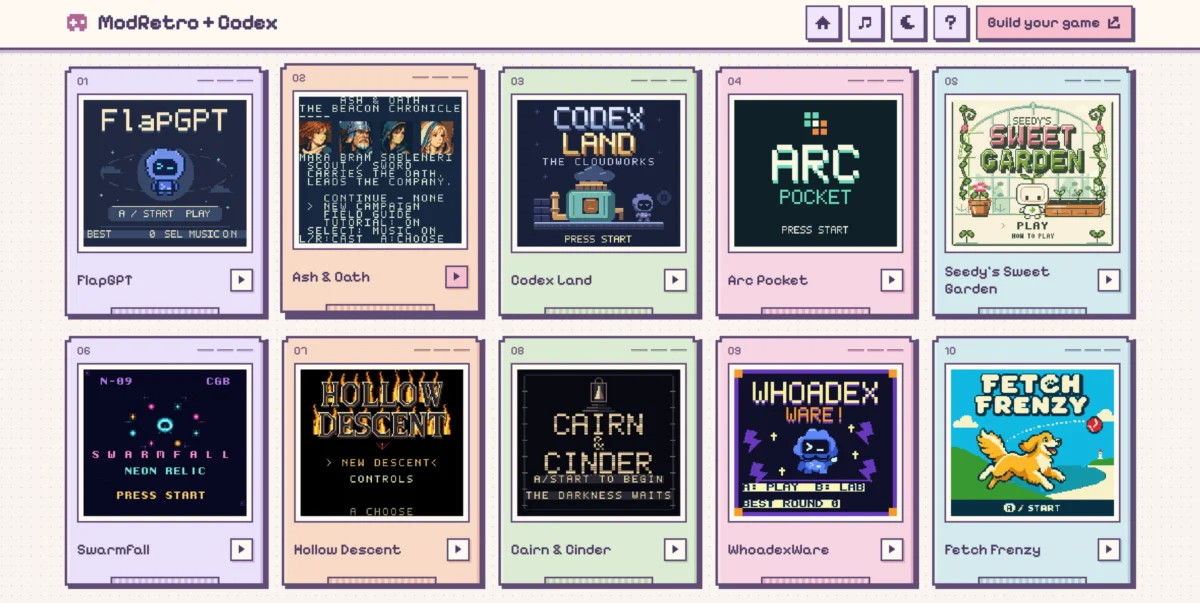
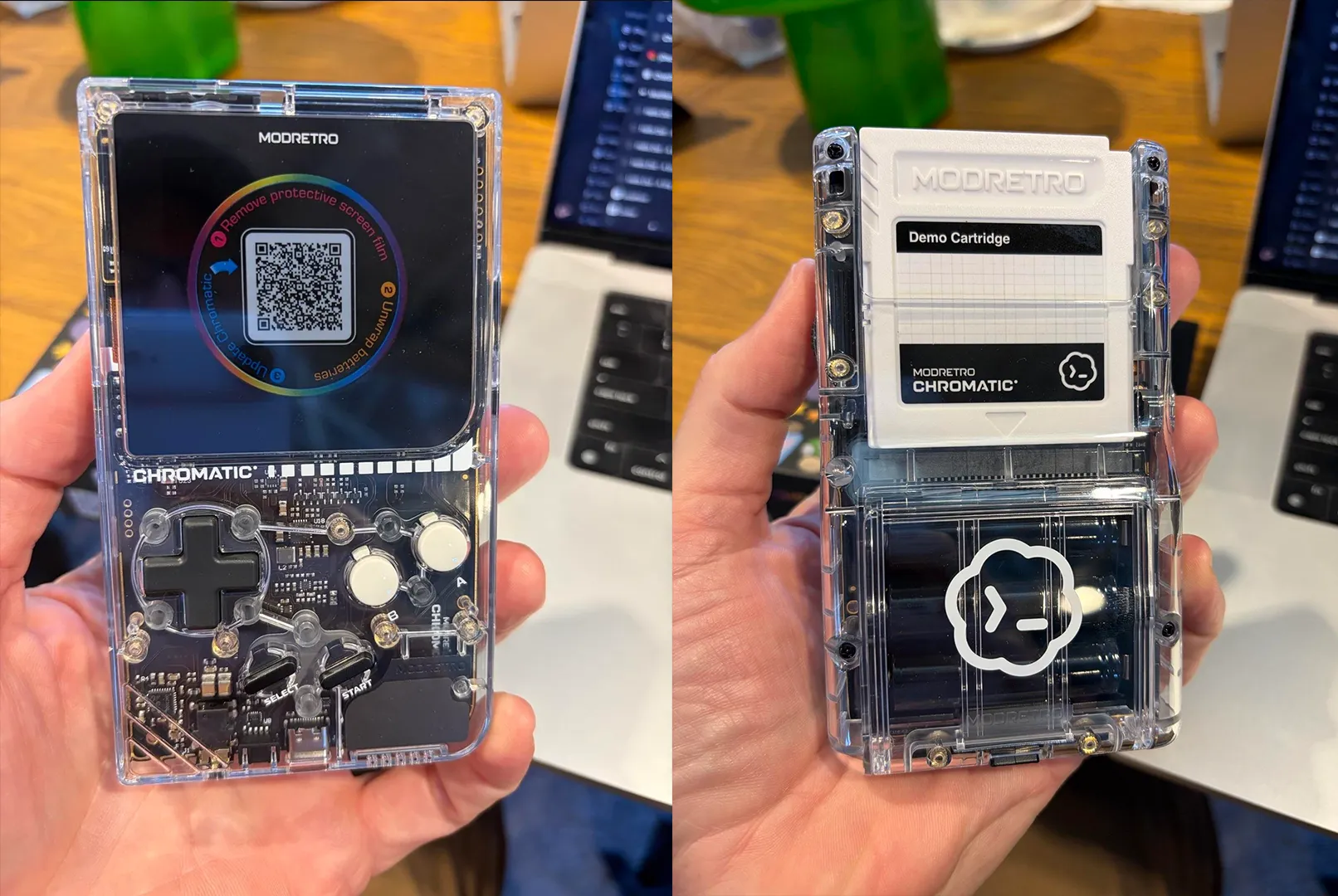
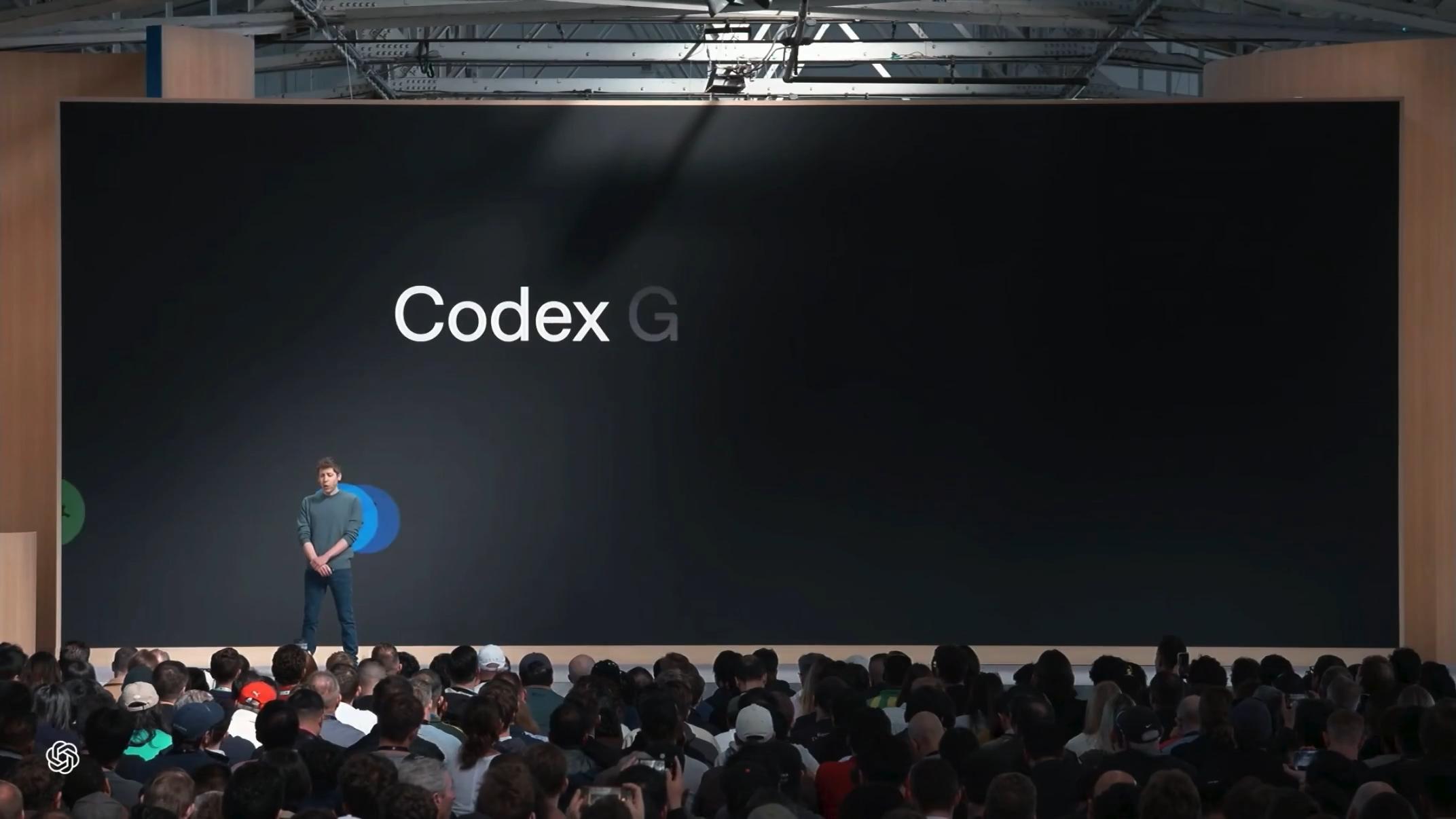
The intersection of classic handheld gaming and artificial intelligence has generated significant controversy following a recent partnership between hardware manufacturer ModRetro and artificial intelligence research organization OpenAI. The collaboration, which centers around OpenAI’s coding agent Codex, was unveiled during OpenAI’s annual developer conference, where attendees were gifted an exclusive, fully transparent version of the ModRetro Chromatic handheld console alongside blank programmable cartridges.
While the hardware itself—featuring a new transparent plastic chassis—has drawn praise for its design aesthetics, the software integration designed to encourage automated game development has reignited fierce debates regarding intellectual property, platform authenticity, and the value of human-crafted creative works within the retro gaming community.
Chronology of the Reveal
The rollout of the new transparent Chromatic hardware occurred in stages throughout late September 2026, culminating in the OpenAI developer conference distribution.
First, registered owners of the ModRetro Chromatic received an automated email notification encouraging them to update their device firmware, containing subtle visual hints regarding an upcoming transparent hardware tier scheduled for an official October release. Shortly thereafter, ModRetro brand ambassador Logan Paul published a short-form video on social media featuring a green transparent iteration of the Chromatic handheld, further fueling speculation among enthusiasts.
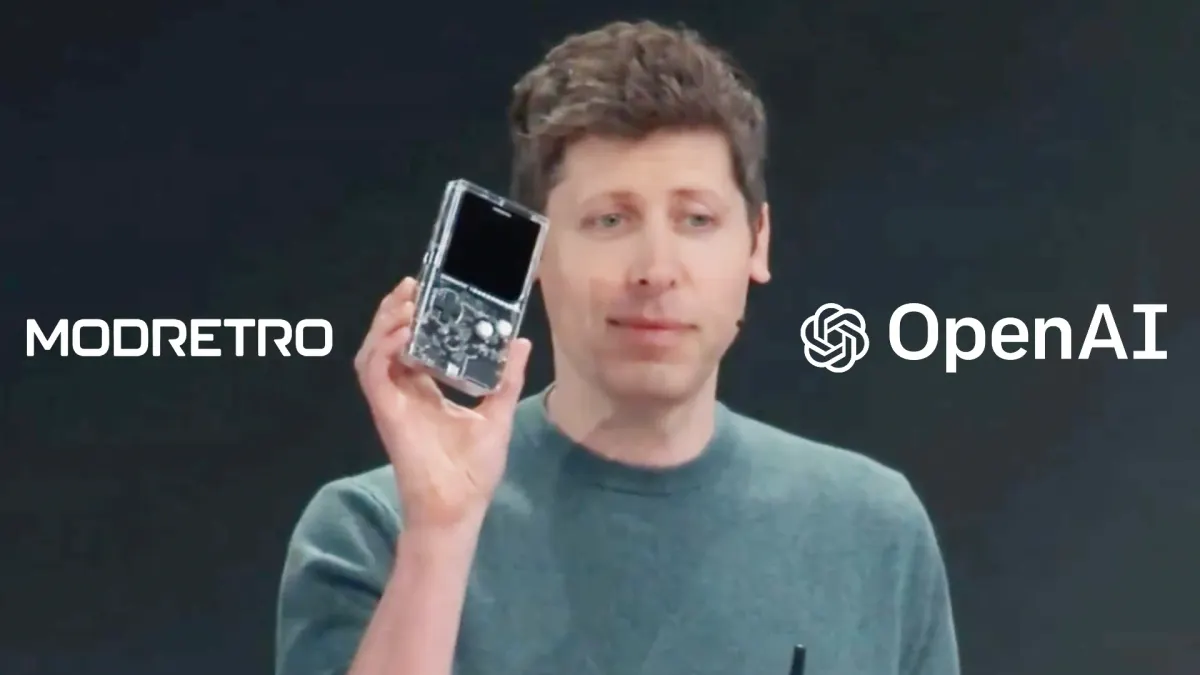
The campaign reached its peak at the OpenAI developer conference, where organizers distributed fully transparent Chromatic units equipped with blank cartridges to event attendees. Promotional materials and demonstrations highlighted how developers could utilize OpenAI’s Codex coding assistant to rapidly write, compile, and deploy rudimentary games directly onto the physical cartridges in a matter of seconds.
The initiative aimed to showcase the capability of Codex in translating natural language prompts into functional software code. However, the subsequent wave of demonstrations shared across social media by AI developers—featuring rapid-fire creations, including derivative clones of classic titles like Flappy Bird—prompted an immediate backlash from established retro gaming enthusiasts and independent developers.
Industry Context and Economic Impact
ModRetro has built its market reputation on bridging the gap between nostalgic hardware appreciation and modern manufacturing standards. Since the debut of the original Chromatic handheld in 2024, the company has positioned itself as a champion of physical media and authentic cartridge-based gaming. A core pillar of this strategy involved collaborating closely with independent human developers and publishers, resulting in more than $1,000,000 paid out in royalties for original titles brought to the platform.
This economic model has cultivated a dedicated consumer base that values human craftsmanship, detailed pixel art, bespoke chiptune soundtracks, and carefully balanced game design. Consequently, the introduction of a tool designed to streamline and automate code generation without equivalent emphasis on original creative oversight represents a sharp pivot from ModRetro’s established community-centric ethos.
Legal and Ethical Implications of AI Code Generation
The integration of OpenAI’s Codex into retro game development highlights broader, ongoing concerns within the software and gaming industries regarding intellectual property rights. AI coding assistants are trained on vast corpuses of existing source material, raising valid questions concerning the replication of copyrighted mechanics, trademarked assets, and protected code structures.
Legal analysts point out that while AI tools can dramatically accelerate repetitive programming tasks—such as boilerplate setup, memory allocation routines, and physics calculations—using automated agents to rapidly prototype entire games risks generating infringing derivative works. In the context of retro platforms like the Chromatic, where hardware constraints require specialized programming knowledge and distinct optimization techniques, critics argue that automated tools may incentivize the mass production of low-effort software, colloquially referred to in tech circles as "slop."
Furthermore, industry observers note that incentivizing non-gamers and casual AI enthusiasts to deploy rapid-form content directly onto physical cartridges risks diluting the physical software marketplace. For collectors and purists who invest in tangible media, the influx of unpolished, algorithmically generated titles threatens to undermine the perceived value and curation standards of the platform.
Stakeholder Reactions and Alternative Perspectives
While corporate marketing materials from ModRetro and OpenAI emphasize empowerment and lowered barriers to entry for software creation, independent developers who have previously contributed to the Chromatic ecosystem have expressed frustration. Many creators argue that promoting automated creation diminishes the specialized skill set required to design compelling, mechanically sound retro titles.
Critics of the partnership have also questioned the allocation of resources. Rather than distributing hundreds of specialized handheld units to conference attendees primarily focused on general AI applications, industry commentators suggest that targeting educational institutions, coding academies, or youth technology programs would have fostered genuine, long-term interest in software engineering and hardware preservation.
Conversely, proponents of the collaboration maintain that lowering the barrier to entry for software development is an inherently positive advancement. From this perspective, AI coding agents function as modern development assistants, enabling individuals with conceptual ideas but limited programming fluency to bring playable concepts to life. Supporters argue that experimentation on retro hardware platforms provides a lightweight, sandboxed environment for testing the practical limits of generative coding tools.
Future Outlook for ModRetro and the Chromatic Ecosystem
The controversy arrives at a critical juncture for ModRetro. The retro handheld market has grown increasingly competitive, with numerous FPGA-based (Field Programmable Gate Array) consoles and emulation devices entering the marketplace. Consumer loyalty is often tied directly to brand alignment and community trust.
As ModRetro prepares for the broader commercial launch of its plastic transparent Chromatic models in October, the company faces the challenge of balancing its commercial partnerships with the expectations of its core demographic. Whether the hardware maker will adjust its marketing strategy to reaffirm its commitment to human-led game development, or continue to pursue technological integrations with AI firms, remains a pivotal question for the brand’s trajectory over the coming year. For consumers and collectors alike, the unfolding situation serves as a bellwether for how classic gaming communities will navigate the growing presence of artificial intelligence in creative industries.