 Vera Clarissa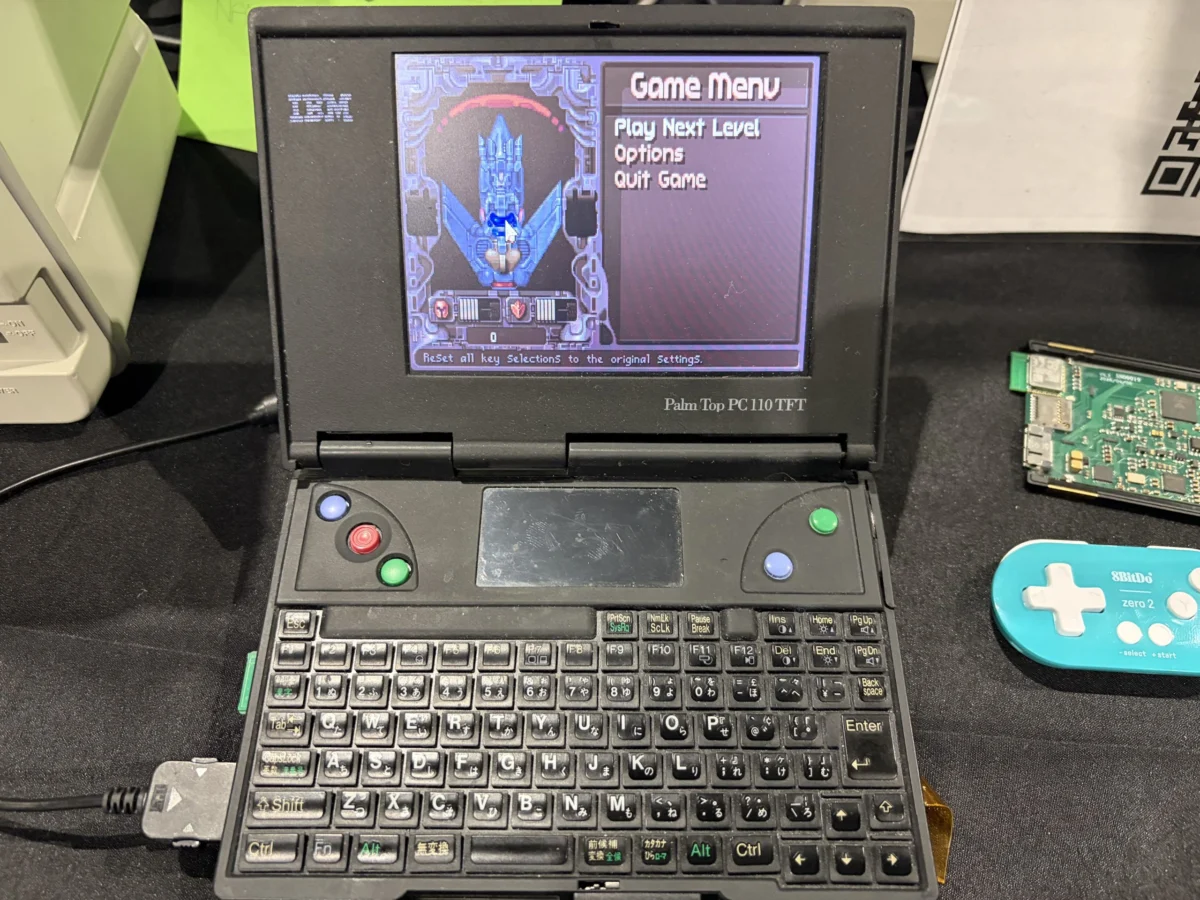
The Vintage Computer Festival (VCF) Midwest has firmly established itself as the premier gathering for computing history enthusiasts in the United States, drawing a diverse crowd of collectors, engineers, and hobbyists to celebrate the evolution of digital technology. While the event maintains a strong association with Apple’s historical product line—a staple of the vintage computing market—the 2026 iteration demonstrated a broader scope, showcasing everything from early vacuum tube circuitry to the obscure, high-performance computing systems of the 1990s and early 2000s. The exhibition served not merely as a repository of obsolete hardware, but as a living archive of the technological milestones that shaped modern society.

A Chronology of Computing Evolution
The festival floor was organized to guide attendees through the chronological progression of information technology. The journey began with foundational analog equipment, including 1970s-era RCA video cassette players and early radio receivers, which provided the necessary context for the digital revolution that followed. These exhibits highlighted the transition from mechanical and analog signal processing to the binary logic of the microprocessor era.

Moving into the 1980s, the floor featured iconic machines such as the Texas Instruments TI-99/4A and the Tandy TRS-80 Model 2000. These systems represented the competitive landscape of the home computing market before the dominance of standardized architectures. The presence of a functional DEC PDP-8/1 system offered a rare glimpse into the minicomputer era, reminding attendees of the immense physical footprint required for processing power that is now dwarfed by modern mobile devices.

Industrial Mainframes and Enterprise Hardware
A standout exhibition was the data control station for the National Gas Pipeline of America. Unlike the polished consumer hardware scattered throughout the hall, this exhibit featured the stark, utilitarian aesthetic of 1960s and 70s mainframe computing. The inclusion of original punch cards and the attendant bin storage systems provided an essential lesson in data management before the advent of magnetic storage and graphical user interfaces.

Further into the enterprise spectrum, the display of IBM OS/2 workstations highlighted a pivotal moment in operating system history. These machines, often running software like Lotus 1-2-3, served as a case study in the fierce corporate rivalry of the 1980s and 90s. The curation of these units—meticulously maintained in working order—offered a stark contrast to the modern "disposable" hardware cycle, illustrating a time when software integration and hardware reliability were the primary drivers of business technology sales.

Specialized Hardware and Niche Computing
The event also focused on the extreme ends of the hardware spectrum, from washing-machine-sized hard drives to ultra-portable Japanese laptops. The Sony VGN-P90HS, a standout in the ultra-portable category, was presented as a testament to the "form-factor experimentation" era of the 2000s. These devices, often prototypes or limited-market releases, showcase the industry’s persistent, if sometimes erratic, pursuit of miniaturization.

Parallel to these consumer oddities were high-performance computing (HPC) machines, such as the Cray CX40 and Intel KNL compute nodes. These exhibits provided the necessary technical counterpoint to the hobbyist-focused displays, grounding the event in the realities of scientific and industrial computing. The juxtaposition of these supercomputers against home-brew projects, such as the replica Apple I by BorgMac, highlighted the egalitarian nature of the vintage computing community, where a high-end research node is treated with the same reverence as a reconstructed hobbyist board.

Industry Collaboration and Modern Preservation
A significant aspect of VCF Midwest is the bridge it builds between historical preservation and modern manufacturing. MacEffects, a firm specializing in the creation of high-quality replacement cases for legacy Apple equipment, was present to demonstrate their latest work. Their development of a custom chassis for the M4 Mac mini, modeled after the aesthetic of the Power Mac G4 Cube, represents a growing trend in the community: the synthesis of modern internals with the iconic industrial designs of the past.

This intersection of old and new was further exemplified by vendors like GlitchBits, which produces high-quality pins and commemorative items. By translating iconic interface elements—such as the window control buttons found in early graphical operating systems—into physical, high-durability merchandise, these creators ensure that the aesthetics of early computing remain relevant in a contemporary context.

The Sociological Impact of the Gathering
The event functioned as a focal point for the preservation of institutional knowledge. Attendees engaged in technical discussions regarding the restoration of 2nd-generation Intel i5 processors in ruggedized hardware like the Panasonic Toughbook, a process that requires both specialized parts and a deep understanding of legacy BIOS configurations.

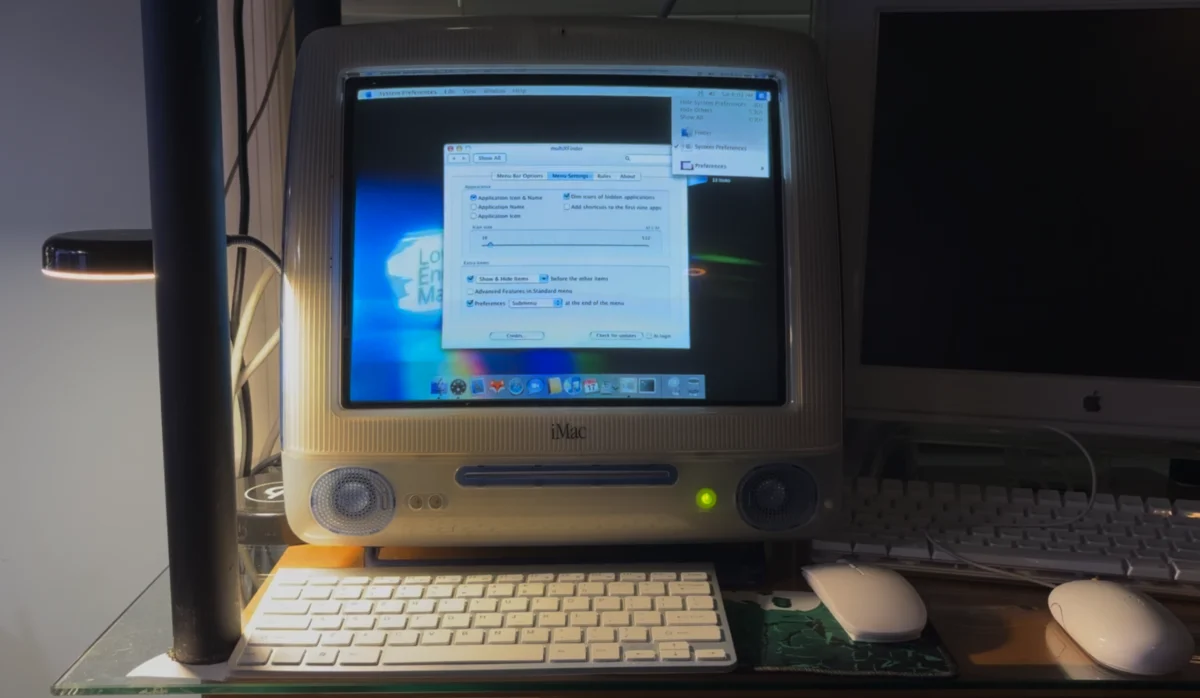
For many, the festival is more than a trade show; it is an environment for professional development and networking. The meeting of long-time contributors from organizations such as Low End Mac underscored the importance of community-driven reporting in the tech space. As the industry moves toward rapid cycles of obsolescence, the ability to maintain and understand these older systems is becoming a critical skill set for cybersecurity researchers, systems architects, and historians alike.

Analytical Implications for the Future
The success of VCF Midwest 2026 suggests a maturing vintage computing market. Data from similar events indicates an increasing interest in "late-vintage" hardware—machines from the late 1990s and early 2000s that are currently hitting the 20-to-25-year mark, a threshold often associated with the transition from "used equipment" to "historical artifact."

The shift toward documenting and preserving these systems has significant implications for how we view technological progress. The reliance on cloud-based ecosystems in modern computing means that much of today’s software may be impossible to run in 30 years. Consequently, the preservation of the "thick client" era, as seen in the exhibits at the festival, is not just a nostalgic exercise but a necessary act of archiving. By maintaining machines that run locally, without the need for remote server authentication, the community is safeguarding a form of digital independence that is increasingly rare in the modern market.

Conclusion
As the event concluded, the atmosphere remained one of focused dedication. The "haul" that attendees brought home—spare parts, documentation, and restored units—serves as the foundation for next year’s projects. The festival acts as a catalyst, encouraging participants to return to their workshops with a renewed commitment to the principles of repair, sustainability, and historical accuracy.

In an era where technology is increasingly abstract, VCF Midwest offers a tangible connection to the past. It serves as a reminder that every advancement in artificial intelligence, cloud computing, or mobile architecture is built upon the foundational work displayed in these halls. For the professionals and enthusiasts who attended, the festival was a vital exercise in ensuring that the history of the information age is not only recorded in textbooks but kept running, one circuit at a time. The event has solidified its role as an essential pillar of the technology landscape, fostering a culture of curiosity that remains as relevant today as it was at the dawn of the computing era.