 Vera Clarissa
The recent acquisition of a 2006 1.83 GHz Intel Core Duo MacBook from a $5 parts bin at the Vintage Computer Festival (VCF) Midwest offers a unique case study in the longevity of early Apple silicon hardware. While often dismissed as obsolete due to its 32-bit architecture and aging polycarbonate chassis, this specific machine—sourced from the Wisconsin Computer Club—serves as a platform for evaluating the feasibility of modern-era restoration and the continued utility of legacy hardware within a contemporary computing environment.
Context and Origins of the 2006 MacBook
The MacBook in question represents the first generation of Apple’s consumer-grade laptop transition from the PowerPC architecture to Intel processors. Launched in May 2006, these machines were defined by their distinctive white or black polycarbonate shells and the inclusion of the Intel Core Duo processor. At the time of release, this hardware was marketed as a significant leap in performance over the preceding iBook G4 line. However, nearly two decades later, these units face significant challenges, including thermal degradation, brittle plastics, and the fundamental incompatibility of modern operating systems with 32-bit EFI firmware.

The VCF Midwest event, where this unit was salvaged, is an annual gathering dedicated to the preservation of computing history. The presence of such a unit in a parts bin highlights the intersection of e-waste management and the enthusiast community’s desire to prevent functional hardware from entering landfills.
Diagnostic and Initial Restoration Procedures
Upon initial inspection, the unit displayed signs of standard wear: minor plastic chipping on the keyboard assembly, cosmetic scratching, and residue from long-term storage. The first phase of the restoration process focused on hardware verification. Despite initial screen artifacting, the fault was isolated to a loose LVDS (Low-Voltage Differential Signaling) connector. Reseating the display cable immediately resolved the visual instability, confirming that the motherboard and integrated Intel GMA 950 graphics processor remained functional.
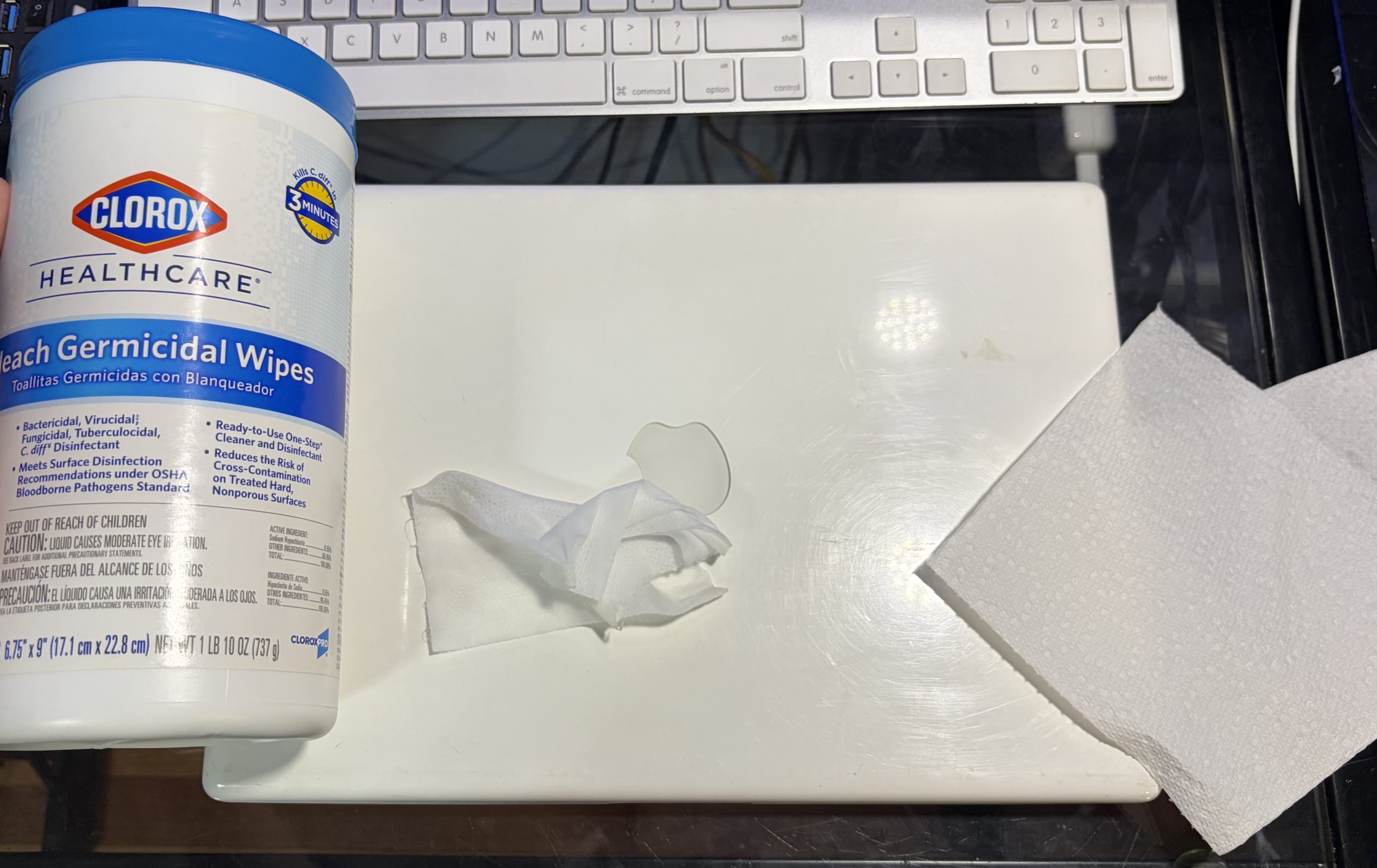
Following the initial power-on test, the external chassis underwent a comprehensive cleaning process. The use of specialized cleaning agents designed for polycarbonate materials is a standard practice in the vintage tech community to remove oxidation and yellowing without compromising the structural integrity of the plastic. Internally, the maintenance included the application of Arctic MX-4 thermal compound to the CPU. The original thermal paste had suffered from significant desiccation, a common issue in laptops exceeding 15 years of age.
The Technical Hurdles of Legacy OS Installation
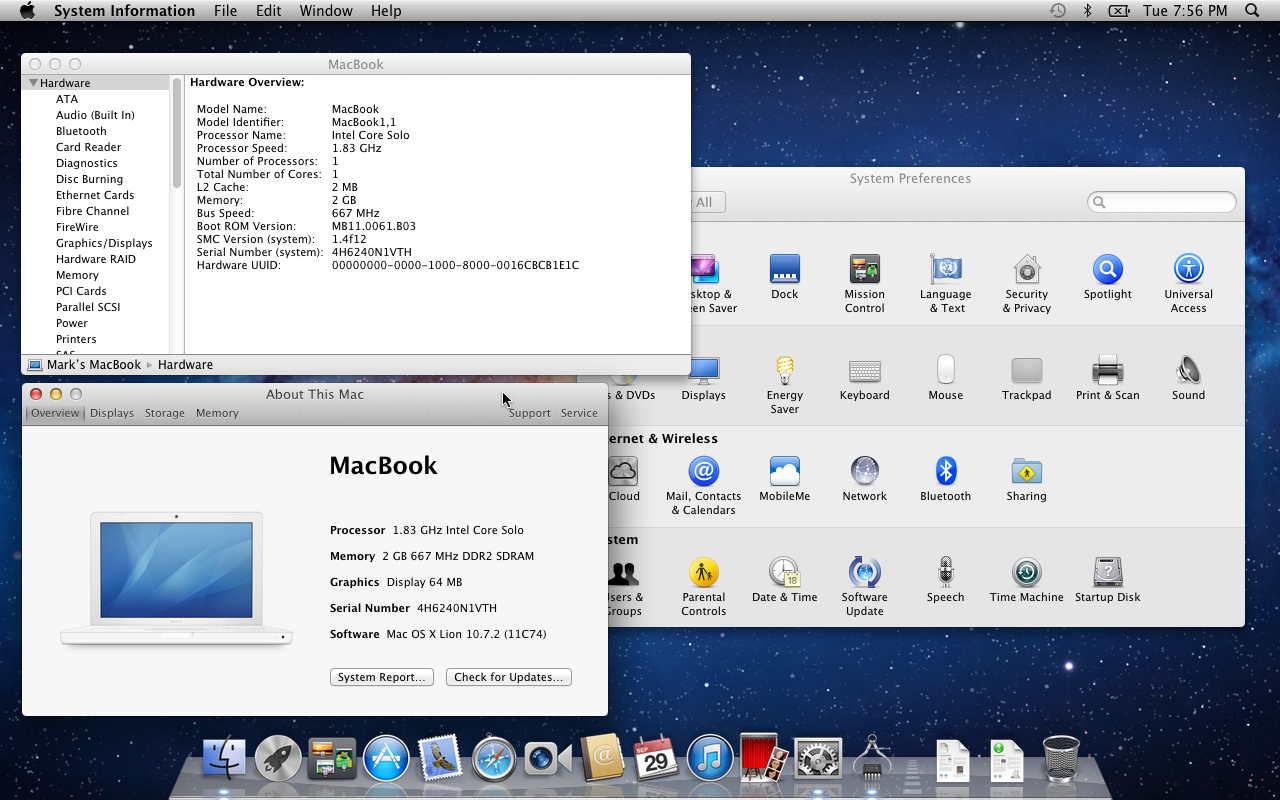
A significant portion of this project involved navigating the limitations of the 32-bit Core Duo architecture. While the machine was originally bundled with Mac OS X 10.4 Tiger and later supported up to Mac OS X 10.6 Snow Leopard, the installation of Mac OS X 10.7 Lion presents a complex engineering challenge.
The primary barrier to running Lion on this hardware is the presence of 32-bit EFI firmware, which prevents the standard installation of 64-bit kernels and operating systems. Initial attempts to clone a functional disk image using standard utilities like Carbon Copy Cloner 4 resulted in a kernel panic or a "crossed-out" boot error.
The eventual success of the project relied on specific, community-verified workarounds that force the system to accept a modified version of the 10.7.2 build. During this process, the system triggered an undocumented firmware interaction that allowed for a stable boot sequence. While this behavior remains technically opaque, it highlights the efficacy of community-driven documentation in bypassing hardware-software limitations that the original manufacturer no longer supports.
Performance Analysis and Modern Utility
Once the operating system was stabilized, the focus shifted to usability. In its current state, the MacBook operates with limited resources: an 80 GB hard disk drive and an undisclosed amount of RAM. Benchmarking the machine under these conditions reveals the inherent bottlenecks of 2006-era hardware when interacting with modern web standards.
The inclusion of the PowerFox browser—a community-maintained, 32-bit project—proved essential. Without this software, the native Safari browser included with Mac OS X 10.7 would be entirely incapable of rendering modern TLS-encrypted websites. Even with PowerFox, the integration of hardware acceleration is tenuous. Early testing indicated that disabling "hardware acceleration" in browser settings was necessary to prevent graphical failures and black-screen issues, likely due to the limited capabilities of the Intel GMA 950 integrated graphics.
While basic web navigation is possible, media-heavy platforms such as YouTube exhibit significant latency. This is expected given the processor’s limited instruction set and the overhead required for modern video decoding, which the GMA 950 is not equipped to handle.

Broader Implications for Tech Preservation
The restoration of this MacBook carries implications for the broader right-to-repair and digital sustainability movements. By demonstrating that a machine relegated to a $5 bin can still be brought to a functional state, the project underscores the importance of modularity in hardware design.
- Environmental Impact: Extending the life of a single laptop reduces the demand for new resource-intensive electronics.
- Educational Value: These projects provide hands-on experience in low-level debugging, firmware management, and legacy software support.
- Software Longevity: The existence of browsers like PowerFox proves that software developers can effectively bridge the gap for users who wish to keep legacy hardware connected to the internet.
Future Phases: Optimization
The next steps for this restoration involve addressing the remaining hardware bottlenecks. Plans are in place to upgrade the unit with a Solid State Drive (SSD), which will significantly improve random access times and boot speed. Furthermore, expanding the system memory to the 3 GB maximum capacity supported by this chipset is expected to alleviate the current performance deficits under the Lion operating system.
When combined with an aftermarket battery, these upgrades will transform the unit from a static museum piece into a viable, albeit limited, machine for word processing, light web browsing, and historical software experimentation.

Conclusion: A Living History
The 2006 Core Duo MacBook stands as a testament to an era when Apple hardware was significantly more accessible for modification and repair. While it cannot compete with contemporary standards for processing power or security, its utility remains intact for those willing to invest the time in software workarounds and minor hardware upgrades. The success of this restoration confirms that with the right combination of community-sourced software and basic maintenance, even the earliest Intel-based MacBooks can remain part of the modern computing landscape, serving as both functional tools and artifacts of a pivotal moment in the evolution of personal computing.