 Cecilia Chamidah Nur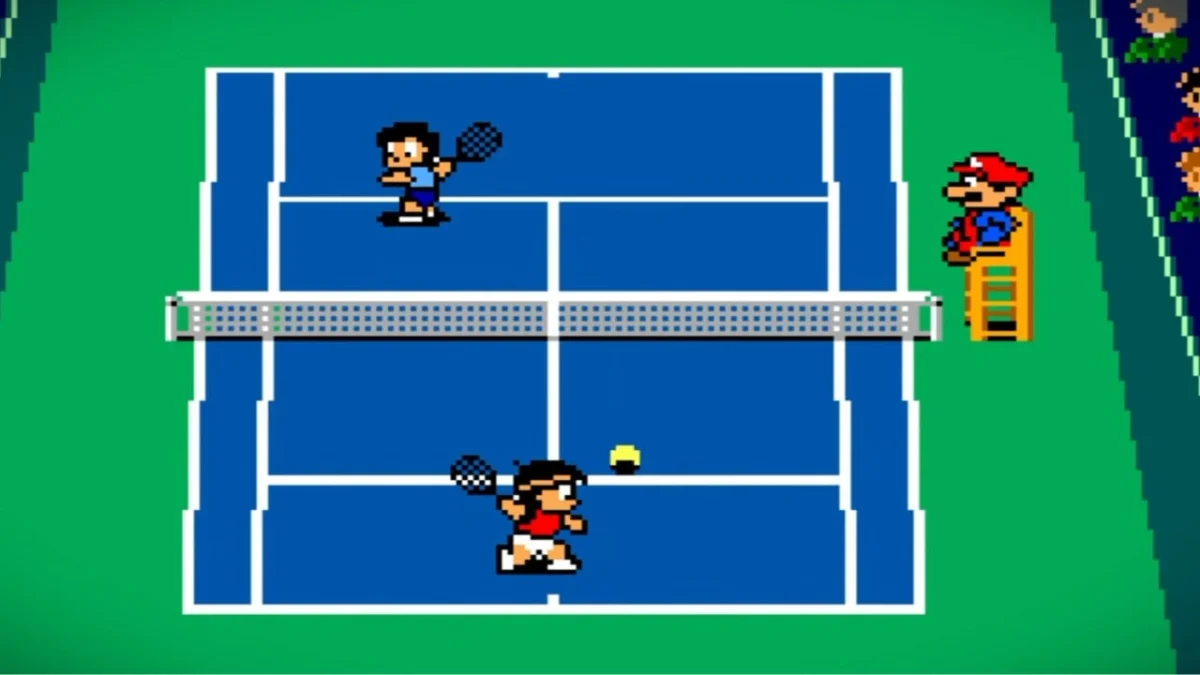
The landscape of retro gaming preservation and homebrew development has reached an unexpected milestone with the release of "Master Tennis," an unofficial port of Nintendo’s 1989 classic Tennis for the Sega Master System. Developed by a creator operating under the pseudonym "OldSchool is Cool," this project represents a significant technical undertaking, translating code originally written for the Nintendo Game Boy’s Sharp LR35902 processor to run on the Zilog Z80 architecture that powered Sega’s 8-bit hardware. This development serves as a case study in the complexities of cross-platform porting and the enduring interest in hardware-constrained emulation.
A Technical Chronology of a Classic
The original Tennis for the Nintendo Game Boy was a pivotal title in the early history of mobile gaming. Released as a launch title in North America in 1989, it helped establish the Game Boy as a viable platform for sports simulations, despite the hardware’s monochrome limitations. The game was designed by Nintendo’s Research & Development 1 (R&D1) division, the same team responsible for Metroid and Super Mario Land.
The transition of this title to the Sega Master System, a console that competed directly with the Nintendo Entertainment System (NES) rather than the Game Boy, presents a unique technological irony. The homebrew project, released via the itch.io platform, involved a meticulous, line-by-line translation of the Game Boy assembly code. While the logic—including the artificial intelligence, physics engine, and match progression—remains faithful to the 1989 source material, the project required an entirely new implementation of the graphical and audio drivers to accommodate the Master System’s Video Display Processor (VDP) and Texas Instruments SN76489 sound chip.
Architectural Challenges and Development
Porting software between disparate 8-bit systems is rarely a simple task. Although the Zilog Z80 is a core component of both the Game Boy’s CPU and the Sega Master System, the peripheral hardware, memory mapping, and interrupt handling differ substantially. The developer behind "Master Tennis" opted to maintain the core logic of the handheld version, ensuring that the gameplay feel, speed, and ball trajectory calculations would remain authentic to the experience millions of players had on Nintendo’s hardware.
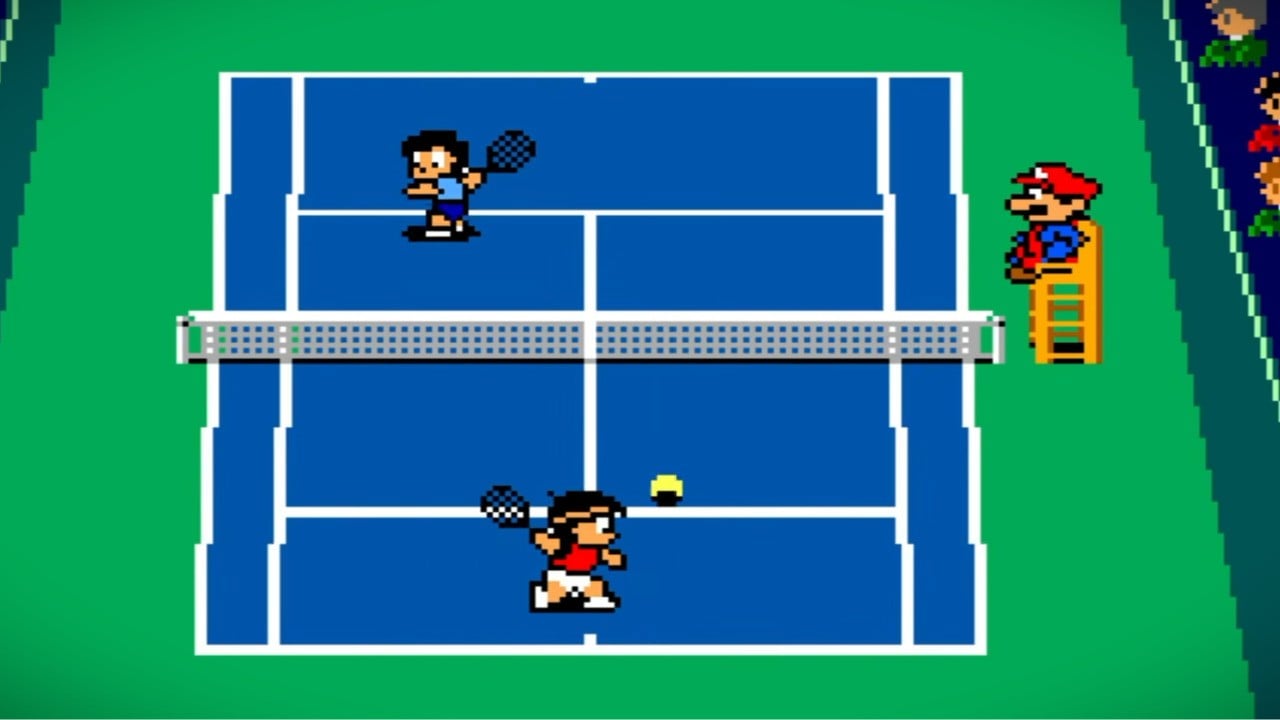
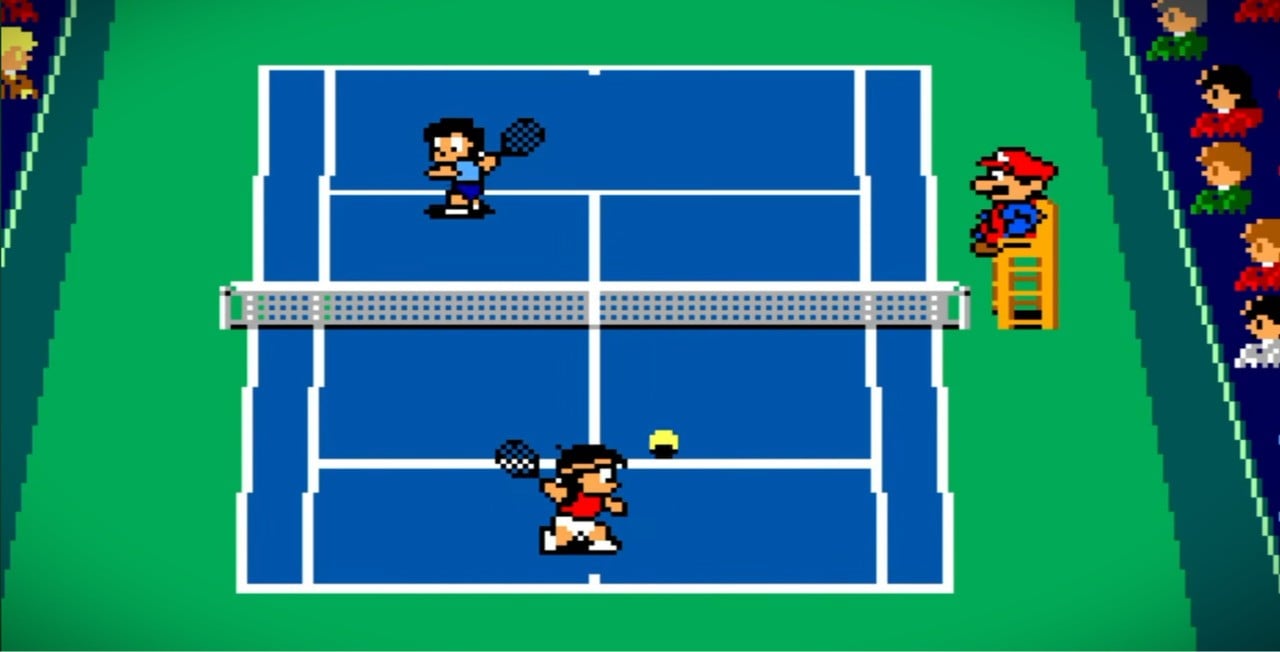
Key adjustments were necessary to account for the Master System’s superior color palette compared to the Game Boy’s four-shade green-screen output. The implementation introduces a full color range, providing a vibrant aesthetic that differentiates it from the handheld predecessor. Furthermore, the developer addressed a specific balance issue: the cross-court smash, which was notoriously powerful in the original Game Boy version, has been re-tuned for the Master System release. This adjustment represents an evolution of the source code, moving beyond mere emulation to provide a refined gameplay experience.
Historical Context: The Console Wars of the Late 1980s
To understand the significance of this port, one must consider the historical animosity between Nintendo and Sega. In the late 1980s and early 1990s, the "console wars" defined the industry, with companies maintaining strict proprietary ecosystems. Nintendo’s Tennis was a hallmark of the company’s first-party dominance, and the idea of a Nintendo-branded game—complete with a sprite-based referee resembling Mario—appearing on a Sega machine would have been considered a commercial impossibility in 1989.
The emergence of "Master Tennis" serves as a bridge between these two historical titans, facilitated by the modern homebrew community. This community, which largely operates within the bounds of hobbyist software development, has increasingly turned its attention to "demakes" and ports that challenge the original constraints of 8-bit hardware. By migrating Nintendo’s intellectual property to Sega’s hardware, developers are effectively stripping away the corporate boundaries that governed the original era of home consoles.

Technical Specifications and Compatibility
"Master Tennis" is distributed as an SMS file, the standard format for Master System ROMs. It is compatible with a wide array of modern emulators, such as Kega Fusion, BlastEm, and Meka. Crucially, the homebrew maintains support for original Sega Master System hardware, provided the user employs a flash cartridge.
A notable technical detail in this port is the implementation of support for the console’s "Pause" button. On the original Master System hardware, the pause functionality was integrated into the console unit itself rather than the controller. By ensuring that the game logic correctly responds to the console’s hardware interrupt when the Pause button is pressed, the developer has ensured that the port remains functional on original, unmodified hardware, a common hurdle for homebrew developers working on the platform.
Broader Implications for Gaming Preservation
The release of "Master Tennis" highlights the ongoing debate regarding game preservation and the role of unofficial modifications. While major corporations maintain strict control over their intellectual property, the homebrew scene has historically operated in a legal gray area. This port does not attempt to monetize Nintendo’s brand; rather, it functions as a technical exercise in software porting.
From an analytical standpoint, projects like these demonstrate the "long tail" of software utility. By documenting how code functions across different processors, homebrewers contribute to a deeper understanding of legacy systems. The "Master Tennis" project acts as a form of digital archaeology, where the original 1989 code is analyzed, deconstructed, and rebuilt to test the limits of what a 35-year-old console can process.
The Role of Modern Documentation
Digital archives and platforms like itch.io have become the primary repositories for this type of work. The transparency of the "Master Tennis" development process—highlighted by the availability of gameplay footage and technical documentation—is standard practice for contemporary homebrew developers. This collaborative environment allows for immediate community feedback, as seen with the adjustments made to the smash mechanics and the optimization of the graphical output.
Future Perspectives
As the hardware that powered the 8-bit era continues to age, the reliance on emulators and flash hardware will only increase. Projects like "Master Tennis" provide a roadmap for how software can be preserved beyond its original life cycle. Whether or not Nintendo or Sega view such projects with legal scrutiny, the technical achievements of the developers involved remain undisputed.
The intersection of classic gameplay, modern distribution, and retro hardware creates a unique ecosystem where the rigid barriers of the past are dismantled by lines of code. For fans of the 8-bit era, "Master Tennis" offers a curious "what if" scenario: a chance to experience a Nintendo-styled game on a Sega system, effectively rewriting the history of the late 1980s. As the homebrew community continues to refine its techniques, the line between original software and fan-made ports will likely continue to blur, ensuring that the legacy of these early consoles remains active and vibrant for a new generation of players and developers alike.
Ultimately, "Master Tennis" is more than just a port; it is an testament to the ingenuity of the modern programmer, proving that with enough dedication, even the most closed ecosystems of the past can be opened up to new possibilities. Whether played on a high-end emulator or an original 1980s console, the experience provides a fascinating look at how code, once written for one specific machine, can find a second life on another, proving that in the world of retro gaming, the game is never truly over.