 Cecilia Chamidah Nur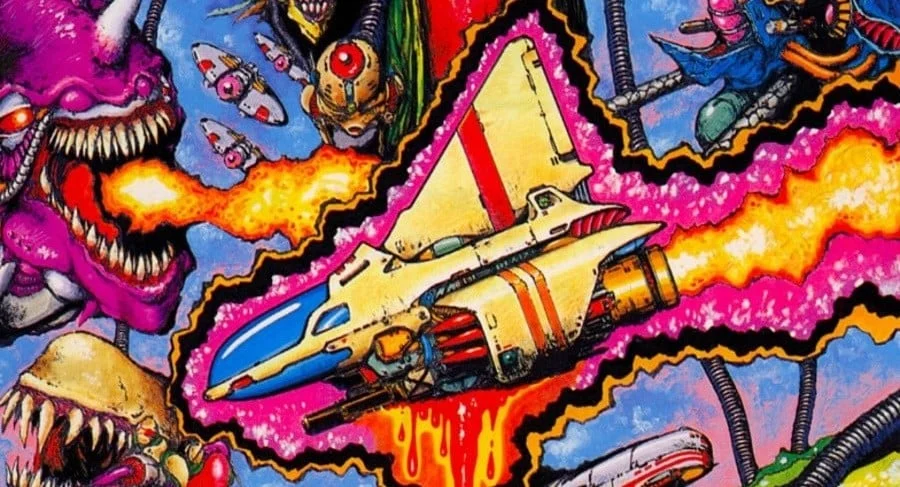
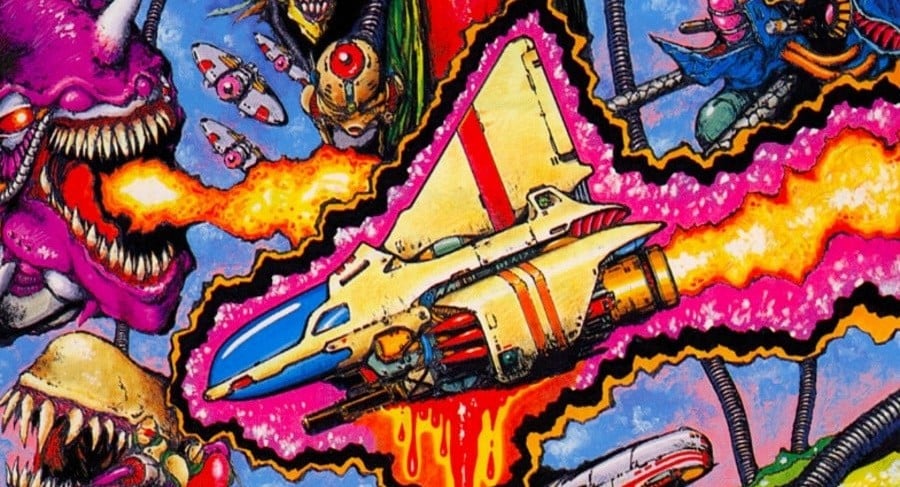
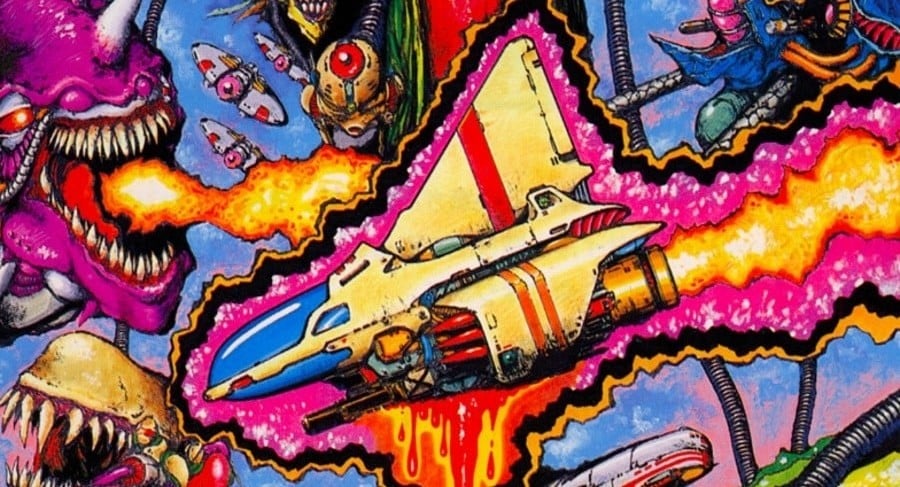
The recent Tokyo Game Show (TGS) provided the backdrop for one of the most unexpected announcements in the modern retro-gaming landscape: the official porting of Toaplan’s seminal 1989 shoot ’em up, Zero Wing, to SNK’s legendary Neo Geo platform. The revelation occurred when Plaion_JPN inadvertently publicized a photograph of its TGS exhibition stand, which featured the Neo Geo AES+ console. Eagle-eyed observers quickly identified a physical retail box for Zero Wing sitting among the display materials, signaling a development that had previously remained entirely under wraps.
A Chronology of a Surprise Port
The journey of Zero Wing to the Neo Geo is a study in the intersection of independent development and corporate licensing. The project originated as a labor of love by the noted demoscener and developer known as h0ffman. Having previously earned a reputation in the community for unofficial ports of Sega classics such as Shinobi and Golden Axe, h0ffman began work on a Neo Geo version of Zero Wing in May 2025.
The developer’s interest was piqued by an analysis of MAME drivers, where he discovered the technical elegance of the original arcade code. By January 2026, the project was nearing completion. However, the trajectory of the port shifted dramatically when Plaion, the company currently managing the licensing for the Toaplan back catalog, contacted h0ffman following coverage of his work by industry press.
The subsequent collaboration transformed a hobbyist project into an officially sanctioned commercial release. This partnership was further complicated—and enhanced—by the simultaneous development of the Neo Geo AES+, a modern iteration of SNK’s iconic hardware. The development cycle culminated in the TGS reveal, which effectively bridged the gap between homebrew ingenuity and official hardware support.
Technical Challenges and Hardware Adaptation
Porting a title from Toaplan’s custom arcade hardware to the Motorola 68000-based Neo Geo architecture is not a trivial task. The original arcade board utilized a proprietary GPU capable of sophisticated layer priority functions, which facilitated the game’s signature parallax scrolling effects.
The Neo Geo, while powerful, imposes strict limitations on sprite count and horizontal drawing limits. Implementing the original parallax depth on the Neo Geo risked hitting these "sprite budgets," which would have resulted in flickering or the complete disappearance of on-screen objects. H0ffman addressed this by engineering a custom level-editing tool that permitted the optimization of background layers. This allowed the retention of original visual depth without compromising the performance of the game’s primary sprite-based elements.
Furthermore, the transition to an official product necessitated a higher standard of regional accuracy. H0ffman noted that the Japanese and international versions of Zero Wing contained distinct code differences. To satisfy a global release strategy, the final cartridge ROM integrates both versions, utilizing the console’s BIOS region-setting feature to toggle between them automatically. This dual-layer approach represents a significant technical refinement over the initial homebrew build.
The Role of Plaion and the AES+ Ecosystem
The inclusion of Zero Wing is part of a broader strategy by Plaion to revitalize the Neo Geo library for the AES+ console. Beyond Zero Wing, h0ffman has been engaged in "surgical" code adjustments for other titles. A primary example is the integration of the Scotland course into the upcoming rerelease of Big Tournament Golf (formerly Neo Turf Masters).
Originally, the Scotland course was exclusive to the Neo Geo CD version of the game. Transplanting this content into the ROM-based AES+ version required a full disassembly of both the CD and ROM codebases. H0ffman described the process as a complex data-mining operation, requiring the manual re-mapping of approximately thirty table look-ups and the careful translation of logic paths that had been inverted during the original development cycle. The technical success of this transplant suggests that Plaion is prioritizing feature-parity for its upcoming hardware release, aiming to offer the "definitive" versions of these legacy titles.
Market Context and Industry Implications
The announcement of the Neo Geo AES+ has been met with both anticipation and scrutiny. Initially slated for a November 2026 release, the console has faced a significant delay, with the launch now rescheduled for September 16, 2027. Plaion has attributed this postponement to global supply chain constraints, stating that they cannot currently manufacture sufficient quantities to meet projected worldwide demand.
The implications of this hardware release go beyond simple nostalgia. By bringing third-party, non-SNK titles like Zero Wing to the Neo Geo, Plaion is effectively creating a "curated library" model for the console. This approach could provide a new revenue stream for owners of classic IP, provided the hardware achieves a stable installed base.
However, the project is not without its controversies. The broader retro-gaming community remains engaged in a vigorous debate regarding the ethical implications of supporting the current corporate entities behind the SNK brand. These concerns involve complex questions of ownership, corporate legacy, and the responsibility of the consumer in the modern gaming market. For enthusiasts, the decision to support the AES+ is often weighed against these systemic concerns, creating a polarized environment surrounding what should otherwise be a celebratory moment for classic gaming preservation.
Fact-Based Analysis of the Retro Landscape
The case of the Zero Wing port highlights a shift in the retro-gaming industry: the transition from "grey market" emulation to licensed, high-quality hardware integration. For years, the preservation of arcade classics relied heavily on the efforts of independent developers working without the protection of official rights. The integration of h0ffman’s work into the Plaion ecosystem signals that rights holders are increasingly recognizing the value of the technical expertise found within the homebrew community.
From a data perspective, the Neo Geo remains a platform of immense interest due to its longevity and the relative simplicity of its 68000-based architecture. However, as demonstrated by the technical hurdles encountered during the Zero Wing project, "porting" is rarely a matter of simple code migration. The requirement for custom tools and deep-level disassembly indicates that the costs of bringing legacy content to modern hardware are increasing as expectations for performance and regional accuracy rise.
Looking ahead, the success of the Zero Wing release on the AES+ will likely serve as a litmus test for future collaborations between independent developers and corporate rights holders. If the project can successfully navigate both the technical requirements of the hardware and the expectations of a discerning collector base, it may establish a blueprint for how other forgotten arcade classics can be rescued from obscurity.
Conclusion
The arrival of Zero Wing on the Neo Geo AES+ is more than a mere port; it is a convergence of modern engineering and historical preservation. By leveraging the skills of independent developers to bridge the gap between disparate arcade architectures, Plaion is positioning its hardware as a premium destination for enthusiasts of the 16-bit and 24-bit eras. Whether the console can overcome its supply chain issues and the broader ethical debates surrounding its parent company remains to be seen. Nevertheless, for the preservation of video game history, the official recognition and technical refinement of a classic like Zero Wing represents a significant, if unexpected, milestone in the industry’s ongoing effort to honor its past.