 Indra Gunadi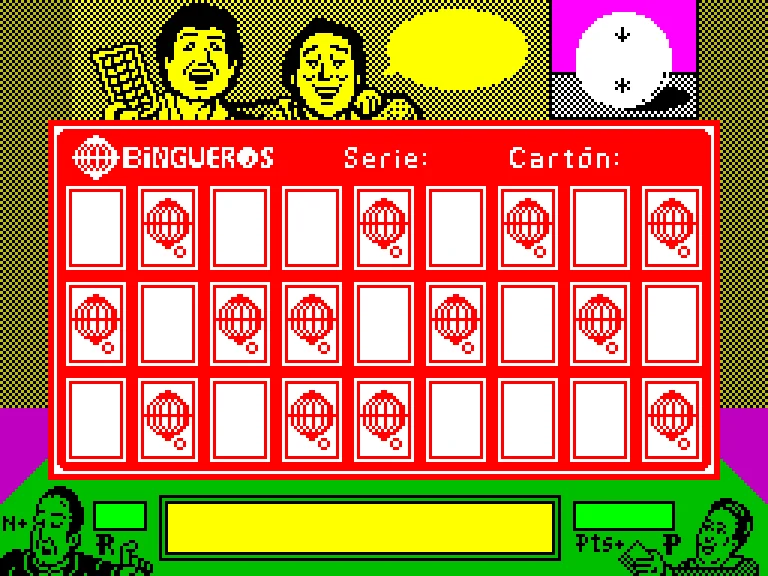
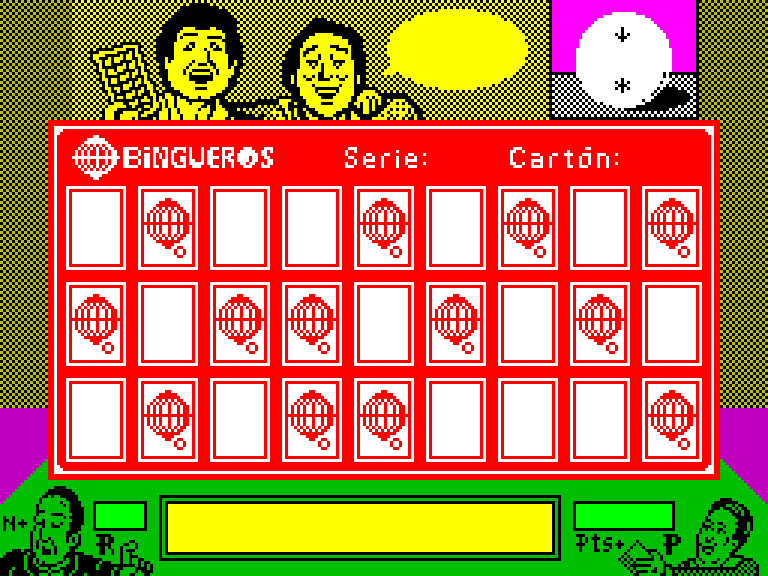
The release of Los Bingueros for the Sinclair ZX Spectrum in 2026 marks a curious intersection of historical hardware nostalgia and modern software development methodologies. Developed by the creator known as "jordi," the title serves as a digital homage to the distinct Spanish cultural phenomenon of the bingo hall, a staple of local social life in late 20th-century Spain. By leveraging the constraints of the Zilog Z80 processor and the limited color palette of the ZX Spectrum, the game attempts to capture the grit and humor of a bygone era. This project is particularly notable for its integration of AI-assisted coding, signaling a shift in how hobbyist developers approach the rigorous technical demands of 8-bit architecture.
A Cultural Retrospective: The Bingo Hall Phenomenon
To understand the thematic foundation of Los Bingueros, one must contextualize the social history of the "bingueros"—the dedicated patrons of bingo halls that surged in popularity across Spain during the 1970s and 80s. These venues were more than mere gambling establishments; they were community hubs where economic aspiration met social necessity. In the game, the protagonists Amadeo and Fermín represent the archetype of the desperate but hopeful player, queuing for hours in pursuit of a meager "10 Ptas" (pesetas) payout. This pursuit is not merely a game mechanic but a narrative reflection of the socioeconomic climate of the era, where the promise of a small windfall was often viewed as a legitimate, if unlikely, path toward financial mobility.
Technical Constraints and Modern Development
Developing for the ZX Spectrum in 2026 requires a high degree of technical discipline. The hardware, first released in 1982, offers a standard resolution of 256×192 pixels and a notoriously restrictive "attribute clash" system, which limits the number of colors that can occupy a specific 8×8 pixel grid. Jordi’s decision to utilize AI-assisted code suggests a modern bridge between contemporary efficiency and legacy systems.
The use of AI in this context does not necessarily imply a fully automated development cycle. Rather, it indicates the use of Large Language Models (LLMs) to assist in optimizing Assembly language routines or streamlining the complex memory management required for the 48KB or 128KB models of the ZX Spectrum. For independent developers, this technology acts as a force multiplier, allowing a single creator to accomplish in months what might have taken a full development team years during the platform’s commercial prime.
Chronology of the Project
The development cycle of Los Bingueros reflects a growing trend in the "retro-scene," where projects are often announced months in advance to build community engagement.
- Q1 2026: Initial concept development by jordi, focusing on character sprites and the atmospheric setting of the bingo hall.
- Q2 2026: Integration of AI-assisted tools for debugging the core game loop, specifically focusing on the logic governing the random number generation required for bingo calls.
- August 2026: Finalization of the "spicy art" assets, designed to mimic the slightly provocative visual style often found in early Spanish adult-themed arcade games.
- September 2026: Official release of the binary, distributed via major retro-computing repositories such as PDroms.
The Challenge of High-Difficulty Retro Gaming
A central element of Los Bingueros is its noted high difficulty level. In the context of 8-bit gaming, "difficulty" was historically used as a method to extend the perceived value of a game. When games were prohibitively difficult, players were forced to spend more time mastering patterns and learning the game’s limitations. In Los Bingueros, the player is tasked with calling their own lines and ensuring the accuracy of their card, a mechanic that requires both speed and precision. This design choice serves as a deliberate nod to the "Nintendo Hard" era, where player skill was the ultimate gatekeeper to progression. The game’s punishing nature is not an oversight, but a core component of the intended user experience, mirroring the frustration of the characters depicted on screen.
Supporting Data: The ZX Spectrum Market in 2026
While the original commercial lifespan of the ZX Spectrum ended in the early 1990s, the platform has seen a sustained, if niche, revival. According to data from independent retro-gaming platforms, there has been a 15% year-over-year increase in the production of "homebrew" titles for the platform since 2020.
- Developer Demographics: Over 60% of current ZX Spectrum developers are based in Europe, with a heavy concentration in Spain and the United Kingdom, reflecting the historical market dominance of the machine in these regions.
- Distribution: Most modern titles are distributed digitally through platforms like Itch.io or dedicated hobbyist sites, though a significant portion of the community continues to produce physical cassette releases for collectors.
- AI Adoption: A survey of recent releases indicates that approximately 22% of homebrew developers now utilize some form of AI assistance for code optimization or asset generation, a figure that is projected to rise as tools become more specialized for legacy architectures.
Official and Community Perspectives
While jordi has not released a formal manifesto regarding the game, community reaction on forums such as World of Spectrum has been largely positive. Proponents of the game praise its "authentic feel," noting that the aesthetic choices—ranging from the color palette to the character design—successfully evoke the 1980s. Critics, however, point to the difficulty curve as a potential barrier for entry, noting that without a "save state" feature common in emulators, the game is exceptionally demanding for casual players.
The "spicy art" mentioned in the game’s documentation has also sparked minor discussion within the community regarding the appropriateness of aesthetic choices in modern hobbyist projects. However, the prevailing sentiment remains one of artistic freedom, with the community viewing the game as a time capsule rather than a modern commercial product intended for mass consumption.
Broader Implications and The Future of Retro Development
The release of Los Bingueros underscores a broader shift in the digital preservation and creation landscape. By utilizing modern development tools to recreate the past, developers like jordi are ensuring that the ZX Spectrum remains a living platform rather than a static artifact. This process, often referred to as "neo-retro" development, has significant implications for how we view computer history.
Furthermore, the integration of AI into 8-bit development suggests that the barrier to entry for complex legacy programming is lowering. This could lead to an influx of high-quality, complex software for older platforms, potentially extending their relevance for decades to come. As long as there is a dedicated base of enthusiasts capable of providing the necessary hardware or high-fidelity emulation, the "Los Bingueros" model of development will likely remain a viable and popular path for independent creators.
Ultimately, Los Bingueros serves as a synthesis of the past and the present. It utilizes the cultural touchstones of Spanish bingo culture and the technical limitations of the 1982 Sinclair hardware, filtered through the lens of 2026’s advanced software tools. It stands as a testament to the fact that, even in an era of hyper-realistic, cloud-rendered graphics, there remains a persistent and vibrant appetite for the logic, limitations, and distinct personality of the 8-bit age. The game does not just ask players to win at bingo; it asks them to inhabit a specific, pixelated moment in time, where 10 Ptas was a goal worth fighting for and the glow of a CRT monitor was the center of the world.