 Indra Gunadi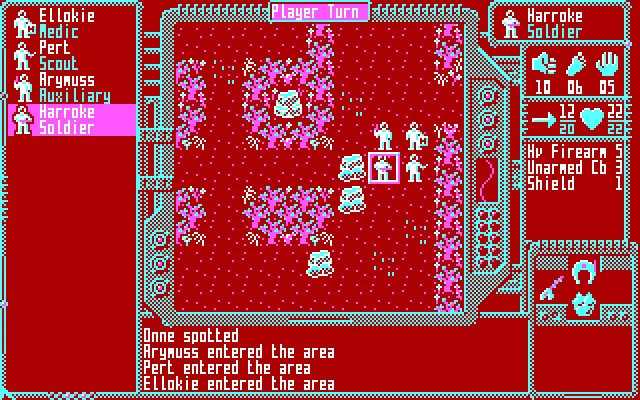
The release of Star Cadre: Team Command on September 27, 2026, marks a significant milestone in the niche yet persistent culture of MS-DOS software development. Developed by Cyningstan, this squad-based tactical combat title represents an expansion of previous entries within the Star Cadre universe, bringing modern design sensibilities to a legacy platform that has not seen commercial support for decades. As the retro-computing community continues to grow, developers are increasingly looking toward the MS-DOS environment to explore mechanics that prioritize strategic depth over the graphical fidelity standard in modern gaming.
The Evolution of MS-DOS Tactical Gaming
MS-DOS remains a foundational platform for the tactical combat genre, having hosted seminal titles such as X-COM: UFO Defense and Jagged Alliance in the 1990s. The release of Star Cadre: Team Command serves as a spiritual successor to this era, emphasizing turn-based decision-making and squad management. Cyningstan, known for their focus on simulation and strategic mechanics, has structured the game around the fundamental pillars of the genre: map navigation, environmental exploration, hostile engagement, and objective-based missions.
In the current landscape of independent game development, the decision to target MS-DOS as a primary platform is an intentional architectural choice. Modern engines often rely on resource-heavy middleware that can obscure the underlying logic of a game. By developing for MS-DOS, Cyningstan has returned to a hardware-constrained environment that necessitates highly optimized code, providing a distinct experience that feels authentic to the 8088/80286 processor era while introducing contemporary design loops.
Chronology and Development Context
The development of Star Cadre: Team Command follows a trajectory of iterative design. The original Star Cadre concepts focused on localized skirmishes, which provided the engine and mechanical framework for this current iteration. Throughout 2025 and early 2026, the developer engaged with the retro-computing community via various forums and technical hubs to refine the AI pathfinding and squad management interfaces.
The timeline of the project’s release reflects a broader trend in the homebrew community:
- Late 2024: Conceptualization of the "Team Command" mechanics and the expansion of the mission map parameters.
- Q2 2025: Technical testing of the MS-DOS memory management units to ensure the squad-based AI could function without exceeding the conventional 640KB RAM limit.
- Q1 2026: Beta testing phase, involving a small cohort of enthusiasts focused on balance adjustments for hostage rescue and item collection sub-systems.
- September 27, 2026: Official public release, marking the integration of finalized tactical assets.
Mechanical Analysis and Gameplay Mechanics
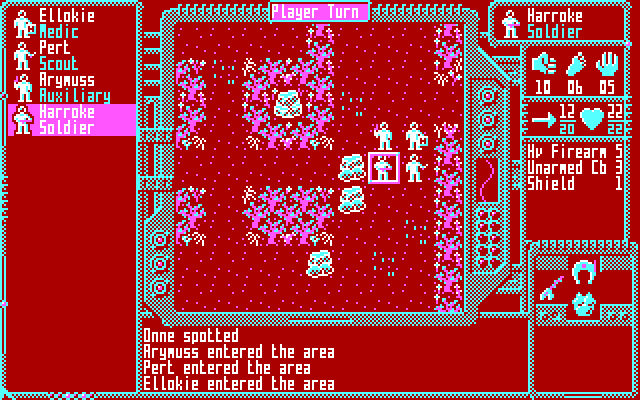
At its core, Star Cadre: Team Command is defined by its focus on small-unit tactics. Players are tasked with overseeing a squad of individuals through complex mission maps. Unlike action-oriented titles, this game demands a deliberate pace. The player must balance the visibility of their units with the need to collect essential items and neutralize hostile forces.
The hostage rescue component introduces a layer of dynamic risk management. Players are not merely clearing maps of enemies; they are operating under constraints that require the preservation of non-player characters (NPCs). This shift from "search and destroy" to "search, rescue, and extract" alters the tactical priority, requiring the player to utilize the game’s line-of-sight mechanics effectively. The technical implementation of these features—specifically the field-of-vision calculations—shows a sophisticated understanding of early PC graphical limitations, using pixel-based spatial awareness to simulate tactical fog-of-war.
Technical Implications for the Retro Community
The release of new software for MS-DOS provides a unique case study in the longevity of digital architecture. The technical community often debates whether legacy systems should be maintained through emulators (such as DOSBox or 86Box) or original hardware. Cyningstan’s release is designed to be hardware-agnostic, meaning it is compatible with both period-accurate hardware and modern emulation environments.
This versatility is crucial for the preservation of the medium. By maintaining compatibility with the 16-bit architecture of MS-DOS, the developer ensures that the game remains accessible to users who utilize vintage IBM PC compatibles, while simultaneously allowing modern users to experience the game through contemporary interfaces. This bridge between the past and present is a hallmark of the modern retro-gaming movement, which views software not as a transient product but as a permanent cultural artifact.
Market Impact and Industry Reception
While Star Cadre: Team Command is not a commercial product in the traditional sense, its impact on the hobbyist ecosystem is measurable. The influx of new, high-quality software for MS-DOS keeps the discourse around legacy systems active. It encourages the development of new tools, compilers, and hardware interfaces (such as modern SD-card-to-IDE adapters) that allow original machines to function as primary gaming devices.
Observers in the software preservation field have noted that titles like this serve to keep the technical knowledge of DOS programming alive. As the population of engineers familiar with assembly language and real-mode memory management ages, these projects provide a pedagogical vehicle for younger developers to learn the fundamentals of low-level optimization.
Broader Implications of Legacy Development
The development of Star Cadre: Team Command suggests that there is a viable, albeit small, market for high-quality, genre-specific software on legacy platforms. It challenges the prevailing industry narrative that software must be updated to the latest OS version to remain relevant. Instead, it suggests that the "platform" is often secondary to the "experience."
Furthermore, the focus on squad-based mechanics highlights a growing appreciation for depth. In an era where many modern mobile games rely on automated progression or "gacha" mechanics, the resurgence of interest in manual, turn-based tactical games indicates that players are seeking environments where their choices have direct, observable consequences. The success of this release will likely encourage other developers to look back at the MS-DOS library—not just for inspiration, but as a viable development target for future projects.
Conclusion: The Future of MS-DOS Releases
The release of Star Cadre: Team Command is more than a nostalgic nod to the 1990s; it is a functional expansion of the MS-DOS software library. By successfully managing the complexities of squad-based AI and mission-map navigation within the constraints of a legacy operating system, Cyningstan has demonstrated that the creative potential of early PC architecture remains largely untapped.
As the community moves forward, the primary challenge for developers will be balancing the desire for technical complexity with the inherent limitations of the hardware. However, if the reception to this title is any indicator, there is a robust demand for content that respects the heritage of the platform while providing the strategic depth that modern audiences crave. Whether these releases remain confined to the niche hobbyist sector or begin to influence wider indie development trends remains to be seen, but the contribution of Star Cadre: Team Command to the canon of MS-DOS software is already well-established. It stands as a testament to the fact that, regardless of the operating system, a well-designed tactical game remains a timeless experience.