 Vera Clarissa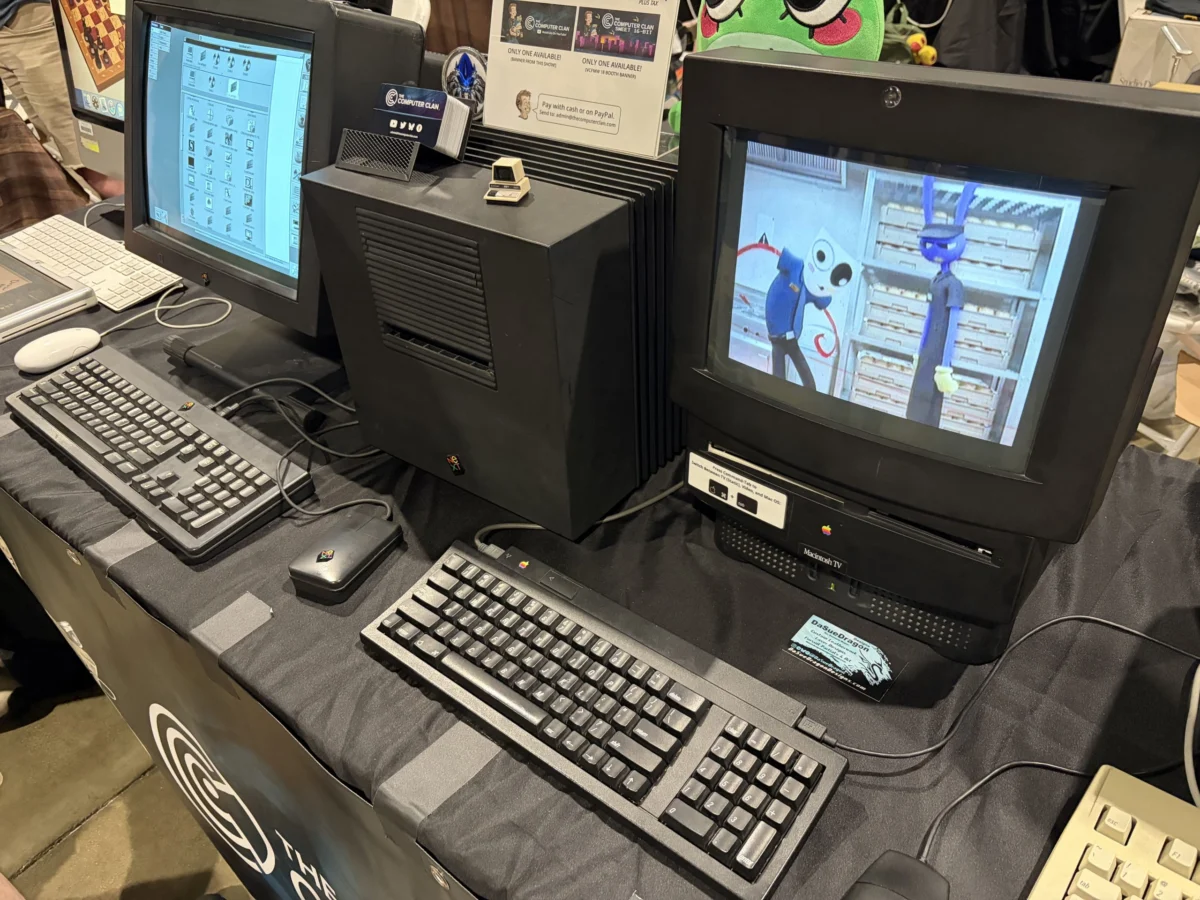
The Vintage Computer Federation (VCF) Midwest, held in September 2026, served as a sprawling testament to the rapid evolution of digital technology, drawing enthusiasts, engineers, and historians from across the country to celebrate the machines that shaped the modern era. As one of the premier gatherings for the retro-computing community, the event transformed the venue into a living museum, showcasing everything from 1970s mainframe components to early 21st-century Apple prototypes. The exhibition provided a comprehensive retrospective, highlighting the engineering milestones that bridged the gap between analog broadcasting and the high-definition digital landscape of today.
Chronology and Event Scope
The 2026 installment of VCF Midwest was characterized by a scale that exceeded previous years, leaving many attendees wishing for an extended three-day format. The event functioned as a hub for both public education and technical preservation, with participants arriving on Saturday to navigate an expansive floor plan packed with rare hardware.

The schedule was dense, beginning with the opening of exhibit halls that displayed private collections and institutional archives. Throughout the weekend, presenters engaged in technical deep dives, covering the transition from CRT-based broadcast equipment to the complex digital infrastructures that currently power global communications. The event’s structure allowed for a seamless flow between high-level engineering demonstrations and hands-on workshops, where collectors exchanged not only rare parts—such as the elusive AMD FireGL V7100—but also critical documentation and repair knowledge necessary to keep legacy systems operational.
The Evolution of Enterprise Hardware
One of the most significant exhibits was curated by the prominent Apple historian known as Mr. Macintosh. This display offered a rare glimpse into the corporate computing landscape between 1996 and 2009. Central to this collection was a prototype Apple Network Server 300, a machine that predates the well-known 700/150 series. These servers represented a pivotal era for Apple as it attempted to secure a foothold in the enterprise market during the mid-nineties. The presence of such prototypes is historically significant, as they illustrate the internal design iterations and development challenges the company faced before its eventual return to consumer-focused stability.
Broadcast Technology and Analog Legacy
The intersection of broadcast history and computer technology was a primary theme at this year’s convention. The NCG Engineering exhibit, in particular, facilitated a rigorous discussion regarding the limitations and possibilities of 1980s broadcast equipment. Technical analysts and attendees explored the differences between standard home-viewing resolution and the professional-grade output of studio equipment.

Specifically, the demonstration of the 1986 Sony BVP-270, connected to a CCU-360 camera control unit, provided a tangible look at the hardware required to achieve high-quality imagery in the pre-digital age. Experts on-site clarified that while high-definition broadcasts were technically feasible in the 1980s given the crispness of 800-scan-line Sony HR monitors, the logistical requirements—such as the massive optics and specialized infrastructure—rendered such projects impractical for commercial television at the time. This contrast serves as a vital historical marker, highlighting how the "HD" standards we take for granted today were constrained by the physical limitations of legacy analog infrastructure.
The Role of Precision and Timing
Jeff Geerling, a notable figure in the hardware community, contributed to the event by highlighting the critical importance of network time synchronization. His exhibit featured a specialized array of servers, including the Xserve G5 Stratum 2 NTP Time Server and a Macintosh SE/30. These demonstrations underscored the persistent utility of legacy hardware when paired with modern, high-precision timing protocols. By utilizing a Raspberry Pi-powered Stratum 1 time server, the display bridged the gap between decades-old hardware and the modern requirement for accurate network synchronization, demonstrating how vintage gear can be repurposed to perform essential, real-world functions in a contemporary IT stack.
Rare Hardware and Institutional Significance
The Retro Tech Foundation’s "Apple Garage" served as a central focal point, showcasing some of the most elusive hardware in the personal computing canon. A standout piece was the Bell & Howell-branded Apple II, a specific variation of the machine that is highly sought after by collectors due to its distinct licensing history. The exhibition also featured the Twentieth Anniversary Macintosh (TAM), a device that remains a landmark in industrial design, representing a bridge between the beige boxes of the eighties and the sleek, minimalist aesthetic that would eventually define Apple’s modern product lines.

The presence of an Apple III—a machine that famously suffered from early reliability issues—offered a sobering reminder of the engineering risks companies took during the early days of personal computing. The fact that non-functional units continue to command prices between $600 and $700 highlights the market’s recognition of these machines as essential artifacts of corporate history, regardless of their current operational status.
Software Preservation and Emulation
The event also underscored the importance of software preservation. Ron’s Computer Videos presented a demonstration of DREAMM, a bespoke emulator designed to run LucasArts and LucasFilm titles on period-accurate hardware like the Macintosh TV. This project serves as a crucial case study in digital archaeology; by creating emulators that respect the constraints of original hardware, developers are ensuring that the cultural contributions of early game design remain accessible. The Macintosh TV itself, a hybrid device that attempted to integrate television and computing long before the concept of "convergence" became a tech industry standard, was a highlight for those interested in the failed—but forward-thinking—experiments of the early 1990s.
Industry Collaboration and Community Knowledge
A recurring theme throughout the weekend was the collaboration between professional engineers, hobbyists, and digital historians. The Computer Clan’s display of a prototype 24-inch 2007 iMac provided a masterclass in forensic hardware analysis. The unit, which featured distinct developmental quirks such as a white Apple logo on the front and mismatched internal components, served as a teaching tool for understanding the "EVT" (Engineering Validation Test) phase of product development.

Similarly, the presence of organizations such as "The Macintosh Librarian" allowed for a broader discussion on the preservation of digital documentation. The display of the Apple Pippin, a short-lived attempt by Apple to enter the console market, provided a platform to discuss the nuances of the "cut-down" Mac OS 9 architecture. These discussions are essential for maintaining a record of how operating systems were adapted for non-traditional hardware environments.
The Broader Impact of VCF Midwest
The implications of events like VCF Midwest extend far beyond the immediate joy of hobbyism. By maintaining these machines, the community is building a repository of knowledge that informs modern software development and hardware design. As digital obsolescence continues to accelerate, the methods developed by these enthusiasts—ranging from component-level repairs to the creation of modern emulators—are becoming the standard practice for archival institutions worldwide.
The event’s success highlights a growing public interest in the tangible history of computing. While the software of the 1980s and 90s is easily emulated on modern smartphones, the physical act of interacting with a cathode-ray tube, a mechanical keyboard, or a proprietary bus system provides an understanding of technical constraints that cannot be replicated through software alone. As the 2026 event concluded, it left behind a clear mandate for the future: the continued preservation of these machines is not merely a nostalgic exercise, but a necessary effort to document the rapid technological transformation that defines the current century. The wealth of information exchanged at VCF Midwest ensures that these lessons in engineering, design, and innovation will persist for future generations of technologists.