 Vera Clarissa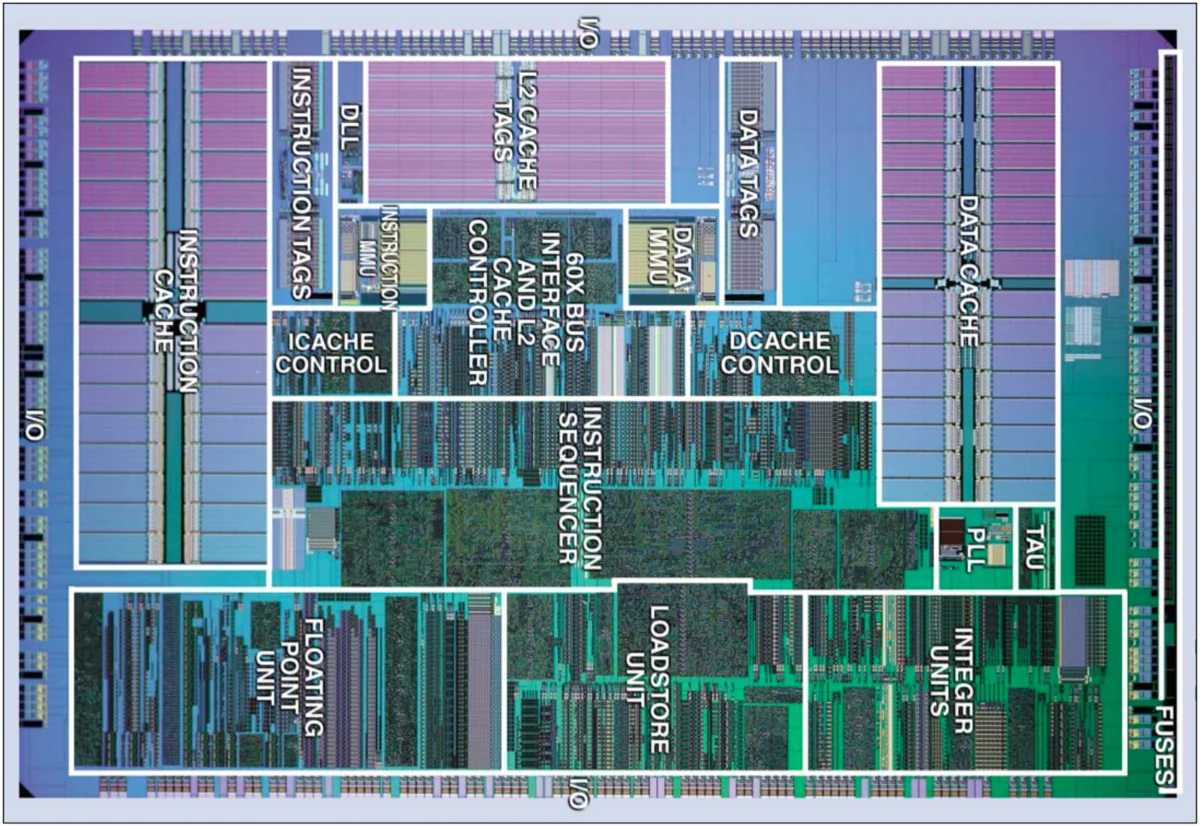
The PowerPC G3 processor family, a cornerstone of Apple’s computing architecture between 1997 and 2003, represents one of the most significant performance leaps in the history of the Macintosh platform. Co-developed by IBM and Motorola, the G3 (technically the PowerPC 740/750 line) served as the primary engine for Apple’s transition away from its legacy 60x series, offering a more efficient and powerful alternative that defined the late 1990s desktop computing landscape. By prioritizing power efficiency and architectural optimizations—such as an innovative backside cache interface—the G3 helped Apple navigate a period of financial and technical uncertainty, setting the stage for the company’s eventual resurgence in the early 2000s.

Architectural Origins and the Shift from the 603e
To understand the impact of the G3, one must look at its predecessor, the PowerPC 603e. While the 603e was celebrated for its power efficiency, it was inherently limited by its architecture, which struggled to compete with the high-performance demands of professional computing. When the G3 arrived in August 1997, it was designed as a direct evolutionary successor to the 603e, rather than the more complex 604e.

The architectural brilliance of the G3 lay in its focus on what mattered most to users: throughput and cache management. The G3 featured a doubled L1 cache of 64 KB (split into 32 KB for instructions and 32 KB for data) and introduced advanced dynamic branch prediction. Most importantly, the G3 utilized a dedicated L2 backside cache interface. In previous designs, the L2 cache was tethered to the main system bus, causing significant bottlenecks. By separating the L2 cache from the system bus, the G3 allowed for significantly faster data retrieval, providing a substantial boost to real-world performance without necessitating a massive increase in raw clock speed or power consumption.

A Chronology of the G3 Lifecycle
The lifecycle of the G3 was marked by a steady progression of refinements that squeezed maximum performance out of the architecture as manufacturing processes evolved.

- 1997: The Launch of "Arthur." The debut of the 740 and 750 chips marked the beginning of the G3 era. The 740 featured no L2 cache support, while the 750 introduced the revolutionary backside cache interface. These chips were initially fabricated on a 0.29-micron process and contained approximately 6.35 million transistors.
- 1999–2000: The 750CX and "SideWinder." As manufacturing technology advanced, IBM introduced the 750CX. This was a critical milestone because it finally integrated the L2 cache directly onto the CPU die, eliminating the need for external cache modules. This transition improved signal integrity and thermal efficiency, allowing for higher clock speeds.
- 2001: The 750CXe. An iteration of the CX, the CXe provided incremental speed improvements, pushing the platform further before the transition to the PowerPC G4 and eventually the G5.
- 2002: The 750FX "Sahara." The final major evolution of the G3 family was the 750FX. Fabricated on a sophisticated 0.13-micron process, this chip boasted 38 million transistors. It represented the peak of the G3’s efficiency, offering significant thermal improvements and higher clock frequencies, which kept the G3 relevant even as more advanced architectures were entering the market.
Technical Specifications and Performance Metrics
The G3 family’s longevity was underpinned by its scalability. While the initial models operated on a 64-bit data bus and a 32-bit address bus at speeds up to 100 MHz, the integration of newer fabrication processes allowed for a massive increase in transistor density.

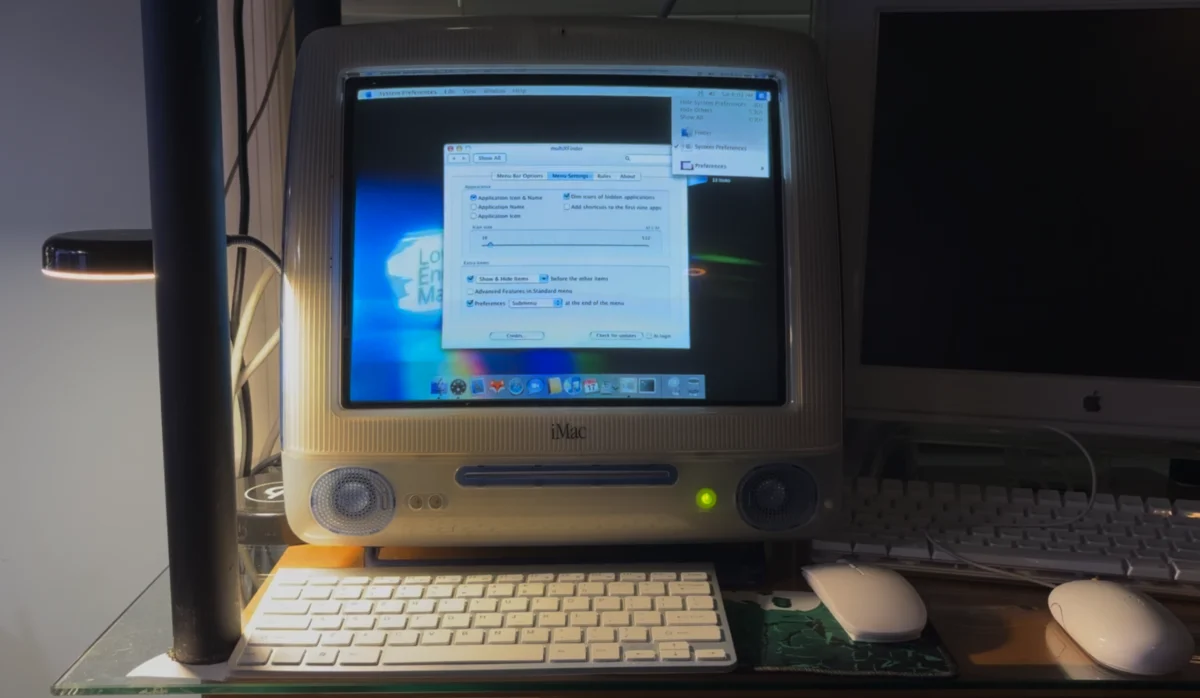
The transition from the 0.29-micron process used in the early 750 models to the 0.13-micron process used in the 750FX allowed for a six-fold increase in transistor count. This growth was not merely for show; it enabled more complex internal logic and, eventually, a massive 512 KB of on-die L2 cache in the 750FX. Despite these performance gains, the G3 remained remarkably cool compared to its competitors, which was a vital requirement for the compact and often passively cooled enclosures of Apple’s iMac G3 line.

Implications of Cache Coherency and Multi-Processing
A persistent limitation of the early G3 architecture was the lack of multi-processing support, specifically the inability to implement dual-CPU configurations with a shared or backside cache. Engineers faced significant hurdles regarding cache coherency, which dictates how multiple processors keep their respective caches synchronized. Because the backside cache interface of the 750 was designed for a single-processor environment, the hardware logic required to maintain coherency between two chips was absent.

This technical restriction meant that while the G3 was an excellent single-core performer, it could not compete in the high-end workstation market where multi-processor configurations were becoming the standard. It was not until the subsequent iterations and the move toward the G4 family that Apple would successfully implement robust symmetric multiprocessing (SMP) for its professional machines. However, for the consumer market, the single-core efficiency of the G3 remained unmatched, allowing Apple to focus on the aesthetic and user-interface innovations that defined the iMac era.

Broader Impact and Industry Reception
The G3 processor was not merely a component; it was a strategic asset. During the late 1990s, Apple’s primary competitor, Intel, was dominating the PC market with the Pentium II and Pentium III. The G3 allowed Apple to claim "performance per watt" advantages that the Pentium series struggled to match. Independent benchmarks at the time frequently demonstrated that a G3-powered Mac could outperform a higher-clocked Pentium machine in real-world creative applications, such as Adobe Photoshop and video editing software.

The success of the G3 architecture extended beyond the Mac. The PowerPC 750, specifically, found a home in various high-performance embedded systems, including the Nintendo GameCube (a derivative known as "Gekko") and the Wii. These consoles relied on the G3’s efficient architecture to deliver high-fidelity graphics and processing power in a small, low-power footprint. This cross-industry adoption validated the architectural choices made by IBM and Motorola, proving that the G3 was a versatile design that could scale from the desktop to the living room.

The Legacy of the G3 in Modern Computing
Looking back, the G3 family serves as a masterclass in architectural optimization. By identifying the L2 cache as the primary bottleneck in contemporary processor designs and creating a dedicated, high-speed interface to bypass it, the designers of the G3 provided a roadmap for future CPU development.

The transition from the G3 to the G4 (which introduced the AltiVec instruction set for SIMD processing) and eventually the PowerPC 970 (G5) marked the end of the G3’s dominance. However, the influence of the G3 is still felt today. It represents the era when Apple reclaimed its identity as a company focused on the marriage of hardware and software performance. The G3 allowed for the creation of the original iMac, a product that literally saved Apple from insolvency and redefined the personal computer as a consumer lifestyle object.

In summary, the PowerPC G3 was more than just a 32-bit processor; it was the engine that powered a turnaround. Its technical characteristics—specifically its focus on efficient cache utilization and power management—allowed Apple to maintain a competitive edge during a period of intense industry scrutiny. While the G3 has long been superseded by multi-core, 64-bit architectures, its role in the evolution of computing remains secure. The G3 demonstrated that raw clock speed is secondary to intelligent architecture, a lesson that continues to guide the development of modern high-performance processors today. The story of the G3 is a testament to the power of collaboration between IBM and Motorola, and its place in the pantheon of iconic computer hardware is well-deserved.