 Chalid Lutfie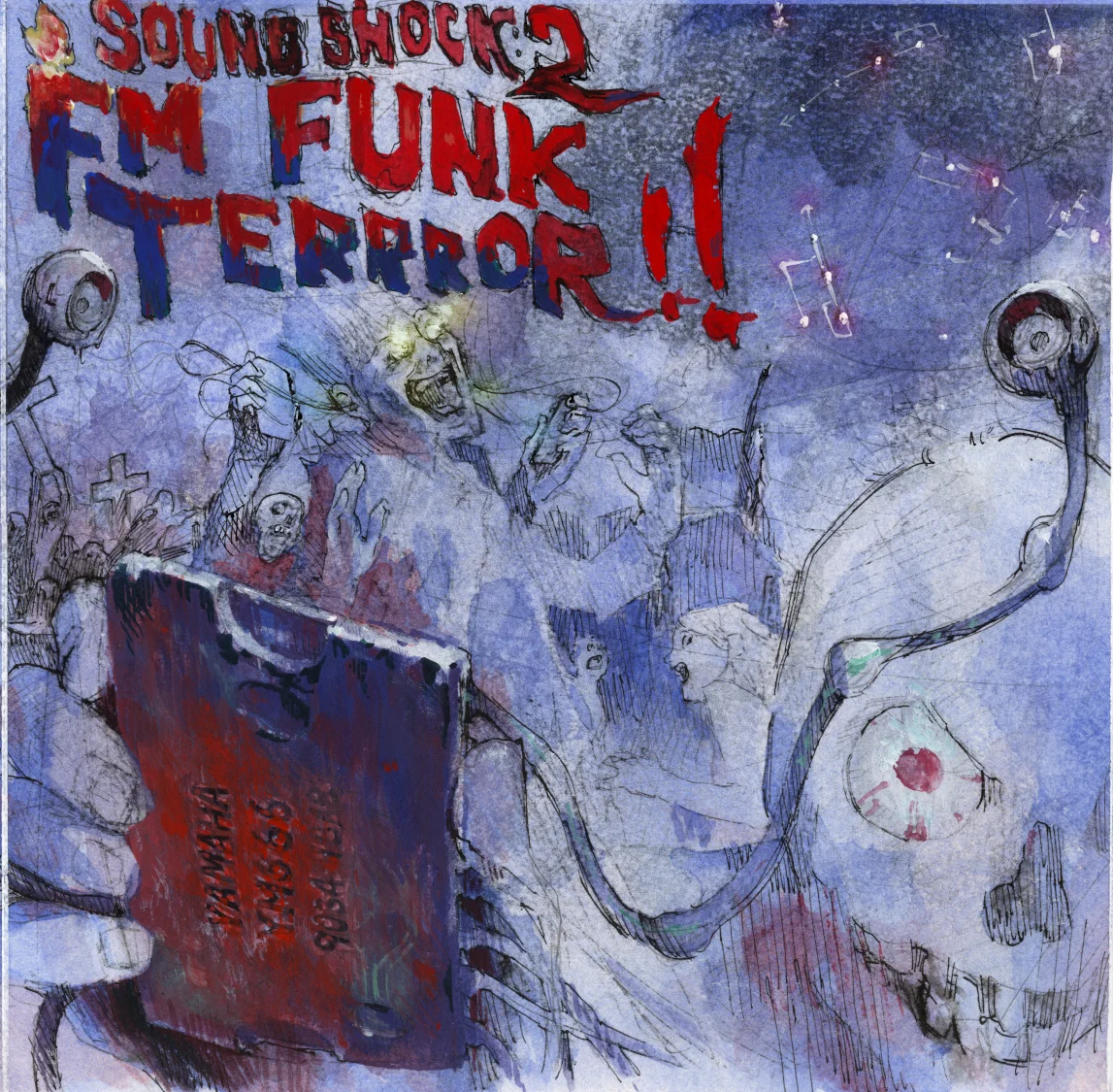
On April 15, 2017, the creators of the SOUNDSHOCK music compilation series provided an in-depth retrospective on the artistic identity of their project, specifically highlighting the collaborative relationship between series curator zinger and professional manga artist Tsuyoshi Shimokura. This partnership, which spanned three major album releases, fundamentally shaped the visual language of the FM-synthesis electronic music scene. By merging the technical aesthetic of retro-computing with intricate, hand-painted illustrative techniques, the project established a distinct brand identity that resonated with a niche but dedicated global audience of hardware enthusiasts and chiptune aficionados.
The Genesis of a Collaborative Vision
The professional intersection of zinger and Shimokura began following the release of the first compilation in the series, FM FUNK MADDNESS!!. Initially, the collaboration was intended to be purely musical, with Shimokura contributing a track to the project. However, upon reviewing Shimokura’s portfolio, which included a diverse range of high-quality digital and hand-painted art, zinger identified an opportunity to elevate the series’ presentation.
Shimokura, whose professional background is rooted in the Japanese manga industry, possessed a unique synergy with the project’s core focus: the celebration of Frequency Modulation (FM) synthesis—a sound architecture popularized by 1980s and 1990s arcade hardware and home computers such as the PC-98 and Yamaha-chip-based sound boards. Recognizing that the series lacked a unified visual anchor, zinger commissioned Shimokura to provide original cover art for the subsequent entries in the SOUNDSHOCK library. This decision transitioned the series from a collection of tracks into a cohesive multimedia project, where the packaging served as a narrative expansion of the auditory experience.
Chronology of the SOUNDSHOCK Series
The series followed a rapid, high-impact release schedule, maintaining a thematic progression that evolved alongside its visual presentation:
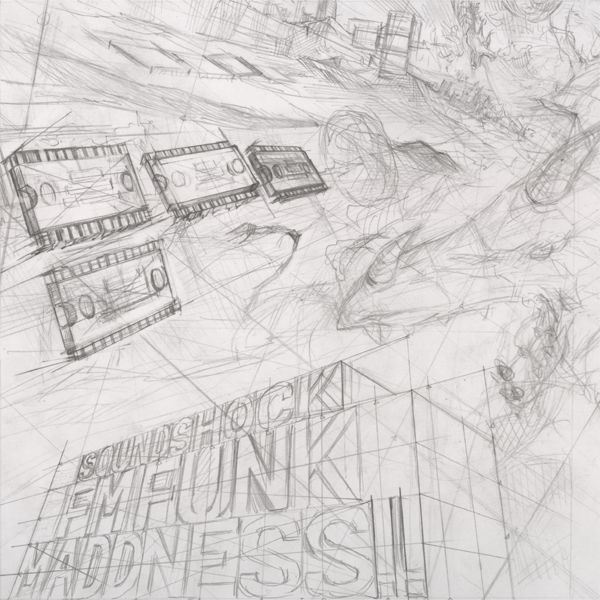
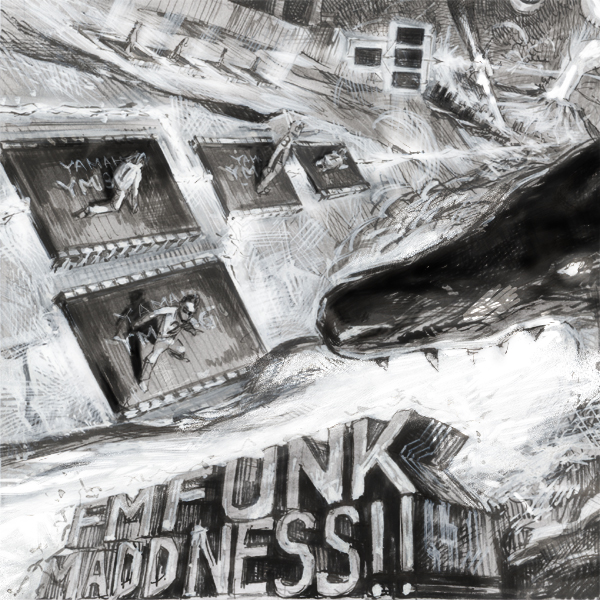
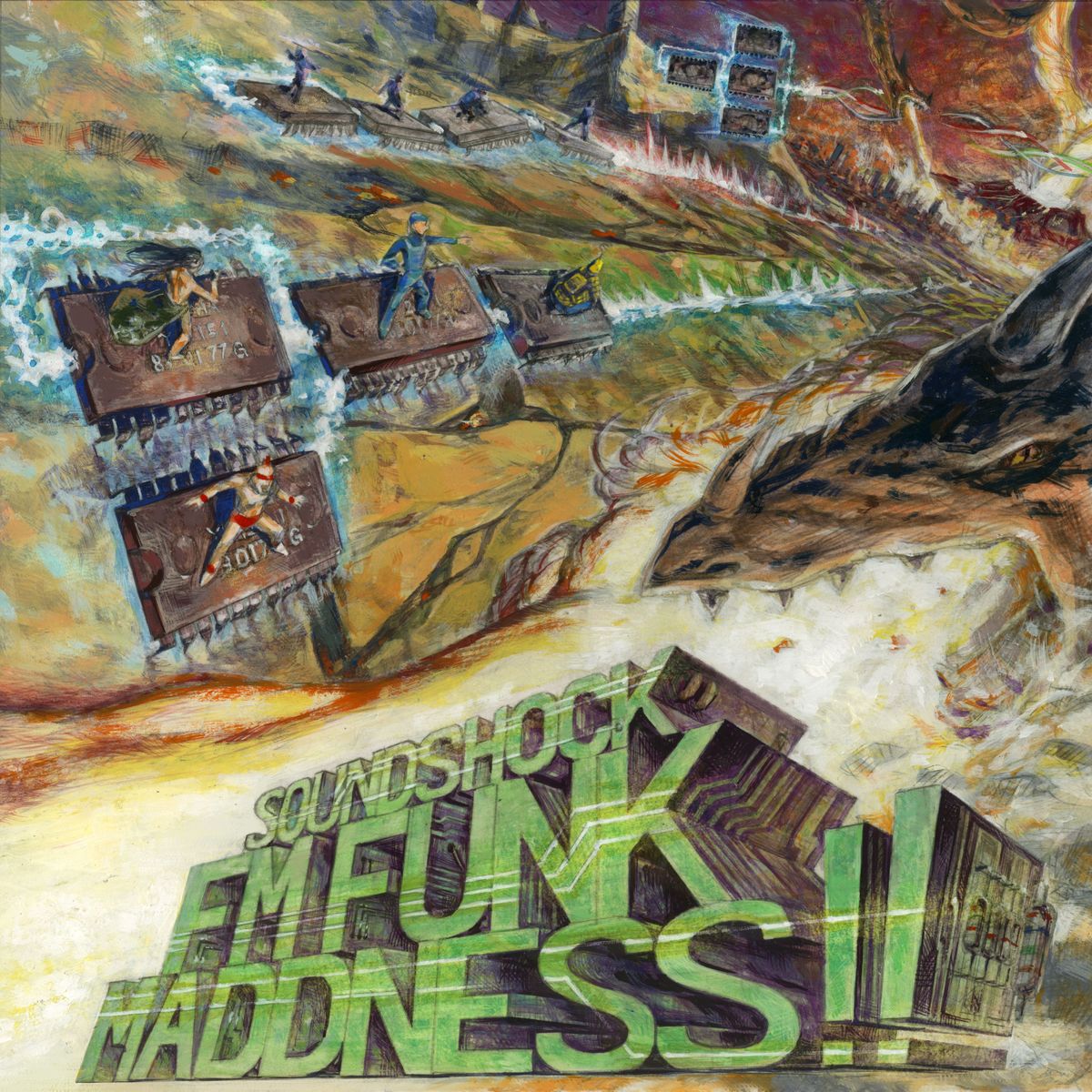
- FM FUNK MADDNESS!!: The inaugural entry focused on the concept of "united forces." The artwork depicted a world where musicians utilized the power of FM sound as a weapon against digital monstrosities. The visual design notably incorporated technical schematics, including depictions of FM chips arranged in algorithm charts, reflecting the technical nature of the sound synthesis being celebrated.
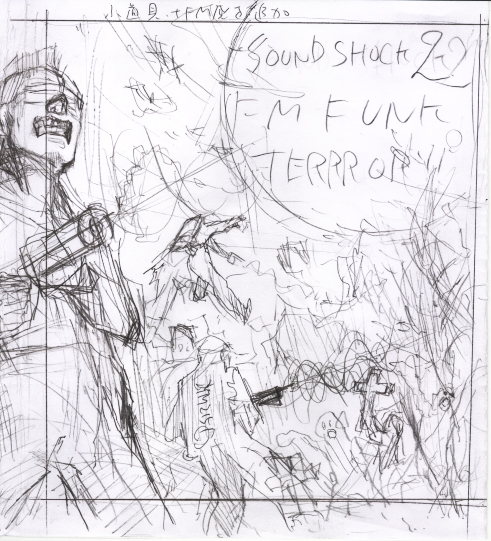
- FM FUNK TERRROR!!: Released as the second installment, this album leaned into the aesthetic of 1980s horror cinema and cult gaming. The collaborative process involved an exchange of classic film posters and, specifically, imagery from the Splatterhouse game series. The final artwork featured complex narratives, including ghoulish figures and symbolic representations of FM sound as a transformative, almost supernatural force.
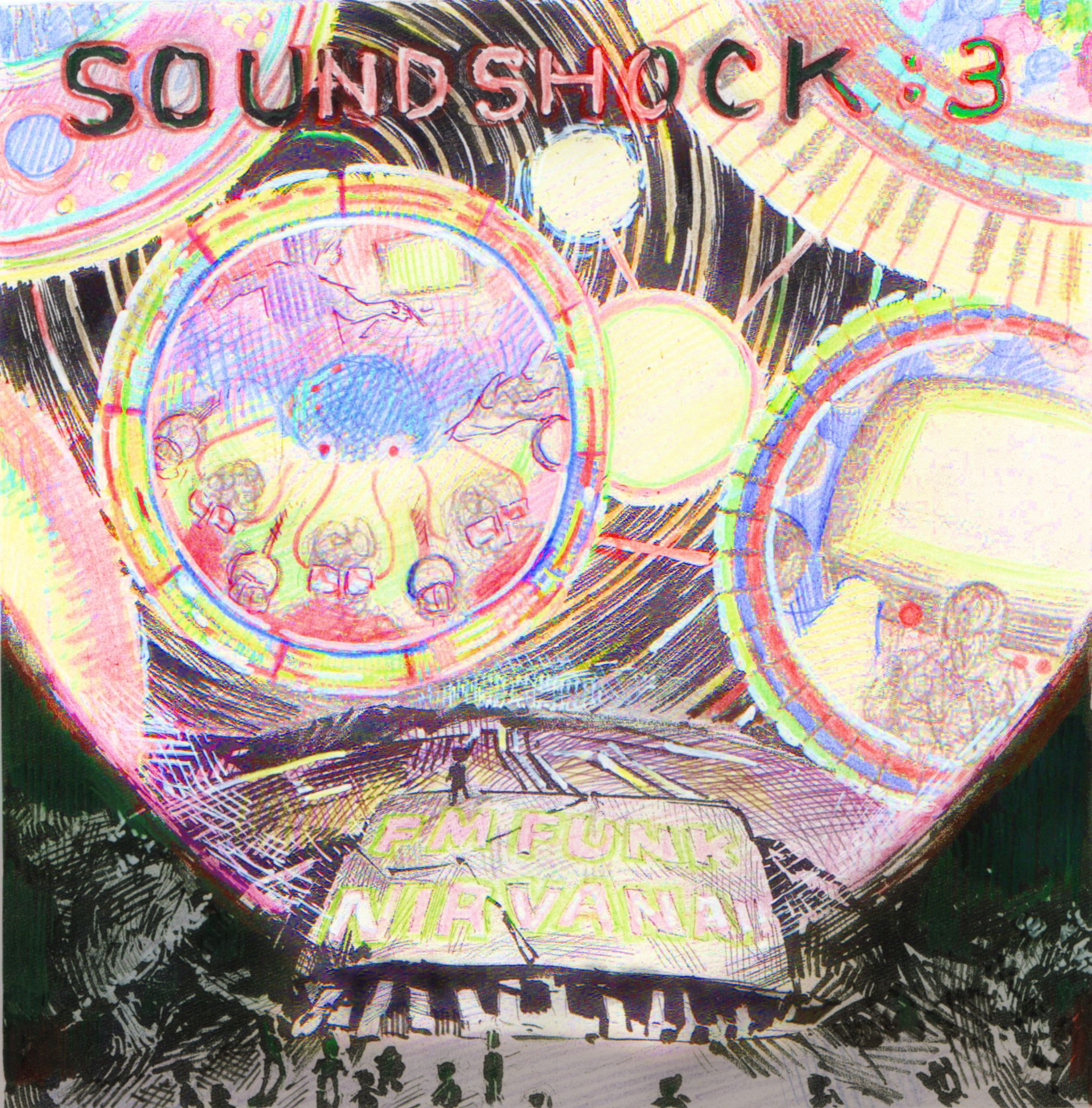
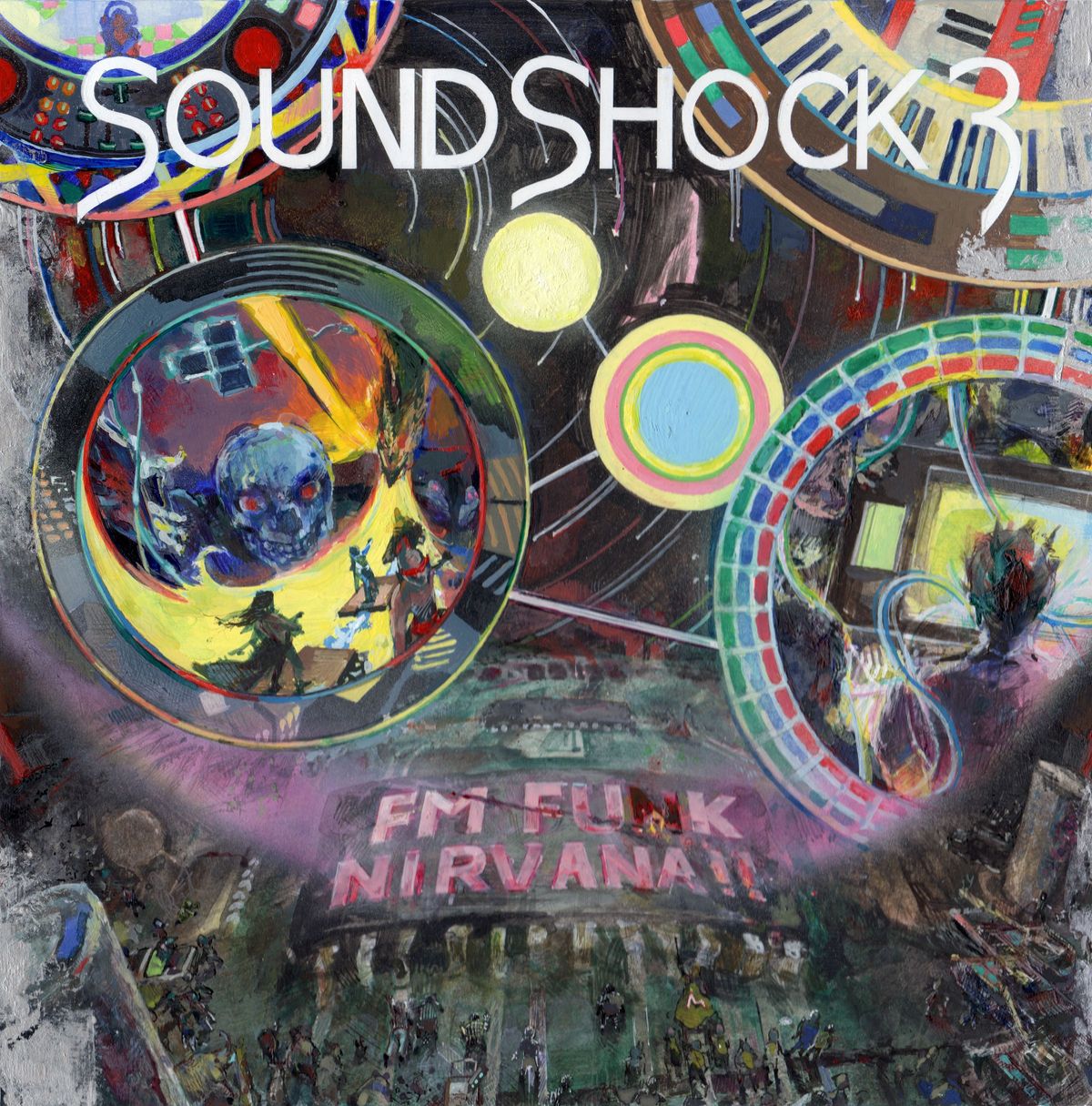
- FM FUNK NIRVANA!!: The final installment concluded the series in 2017. The title represented a shift toward a more philosophical and abstract aesthetic, moving away from the "over-the-top" naming conventions of the previous entries to suggest a final, perfected state of existence for the FM sound community.
Technical and Thematic Symbolism
The visual motifs employed by Shimokura were not merely decorative; they were deeply rooted in the technical reality of the music contained within the albums. In FM FUNK MADDNESS!!, the artist depicted FM chips with locomotive features, such as caterpillar-like legs, effectively personifying the hardware that produced the music. This served to bridge the gap between the abstract coldness of circuitry and the warmth of human creativity.
For FM FUNK TERRROR!!, the symbolism became more overt. The imagery featured stars arranged to mimic FM algorithm charts—the specific software flowcharts used by musicians to determine how oscillators interact to create timbre. By integrating these technical diagrams into the art, the series provided a visual map of the composition process, effectively "showing" the listener how the sound was constructed.
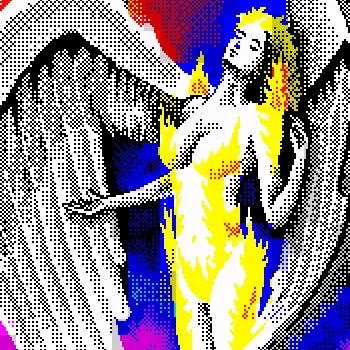
The third and final volume, FM FUNK NIRVANA!!, utilized the most abstract visual language of the series. Inspired by Buddhist mandalas and the cover of the Darius Gaiden soundtrack, the art depicted a celestial alignment of spheres, each representing a distinct sonic element. The bottom of the illustration portrays a congregation of figures worshipping a central circuit board—a clear, if stylized, metaphor for the community’s reverence for aging hardware and the preservation of FM synthesis in the modern era.
Official Statements and Philosophical Implications
As the project reached its conclusion, Shimokura provided a concluding statement regarding the legacy of the series. He framed the end of SOUNDSHOCK not as a termination, but as a dispersal of influence. He likened the work to a "seed," suggesting that the music and the associated art were intended to inspire future creators.
"If SOUNDSHOCK has struck a chord in its listeners’ hearts, then our work could be thought of as a seed for future stars that have yet to be born," Shimokura stated. This sentiment highlights the project’s broader mission: to ensure that the FM sound, once the industry standard for gaming, remains a living, breathing tradition rather than a stagnant relic of the past. The artist’s emphasis on the listeners as "spiritual offshoots" of the forerunners suggests an intentional effort to foster a lineage of electronic music production that transcends the hardware itself.
Impact on the Independent Music Scene
The collaboration between zinger and Shimokura provides a case study in how independent music projects can utilize visual arts to build a cult following. By curating a specific aesthetic—one that balances the grit of 80s horror, the technical complexity of circuit design, and the philosophical depth of spiritual imagery—the SOUNDSHOCK series successfully distinguished itself in an increasingly saturated digital market.
Furthermore, the transparent documentation of the creative process—including the sharing of early rough sketches, reference materials, and the conceptual dialogue between the curator and the artist—helped solidify the bond between the creators and their audience. By inviting fans into the "backstage" of the art, the project transformed the physical (or digital) album cover into a story, increasing the value proposition of the releases.
Broader Context: The FM Sound Community
The success of SOUNDSHOCK is emblematic of a wider trend in music production: the "Retro-Technical" movement. As modern digital audio workstations (DAWs) provide infinite flexibility, there has been a counter-movement of musicians returning to the limitations of classic FM hardware (such as the Yamaha YM series chips). This community relies on the precise, often idiosyncratic behavior of these chips to achieve a "funk" or "terror" that is difficult to replicate with software-based emulation.
The visual branding of SOUNDSHOCK acted as a bridge, allowing the average listener to grasp the "personality" of the hardware. The use of "extra power" in the album titles (MADDNESS, TERRROR) served to heighten the intensity of the listening experience, signaling to the audience that these compilations were not mere archives, but active, aggressive, and creative reinterpretations of classic sound synthesis.
As the series concludes, the legacy of this artistic partnership remains a significant contribution to the documentation of chiptune and FM-synthesis culture. By codifying the aesthetic of the "FM sound" through Shimokura’s detailed illustrations, the creators have provided a visual framework that will likely inform the presentation of similar projects for years to come. The "finality" of the third album, NIRVANA, serves as a poignant bookmark in the history of independent electronic music—an acknowledgment that while the specific project has reached its resolution, the "spiritual offshoots" of the community continue to expand the boundaries of the sound.