Hartono Sudibyo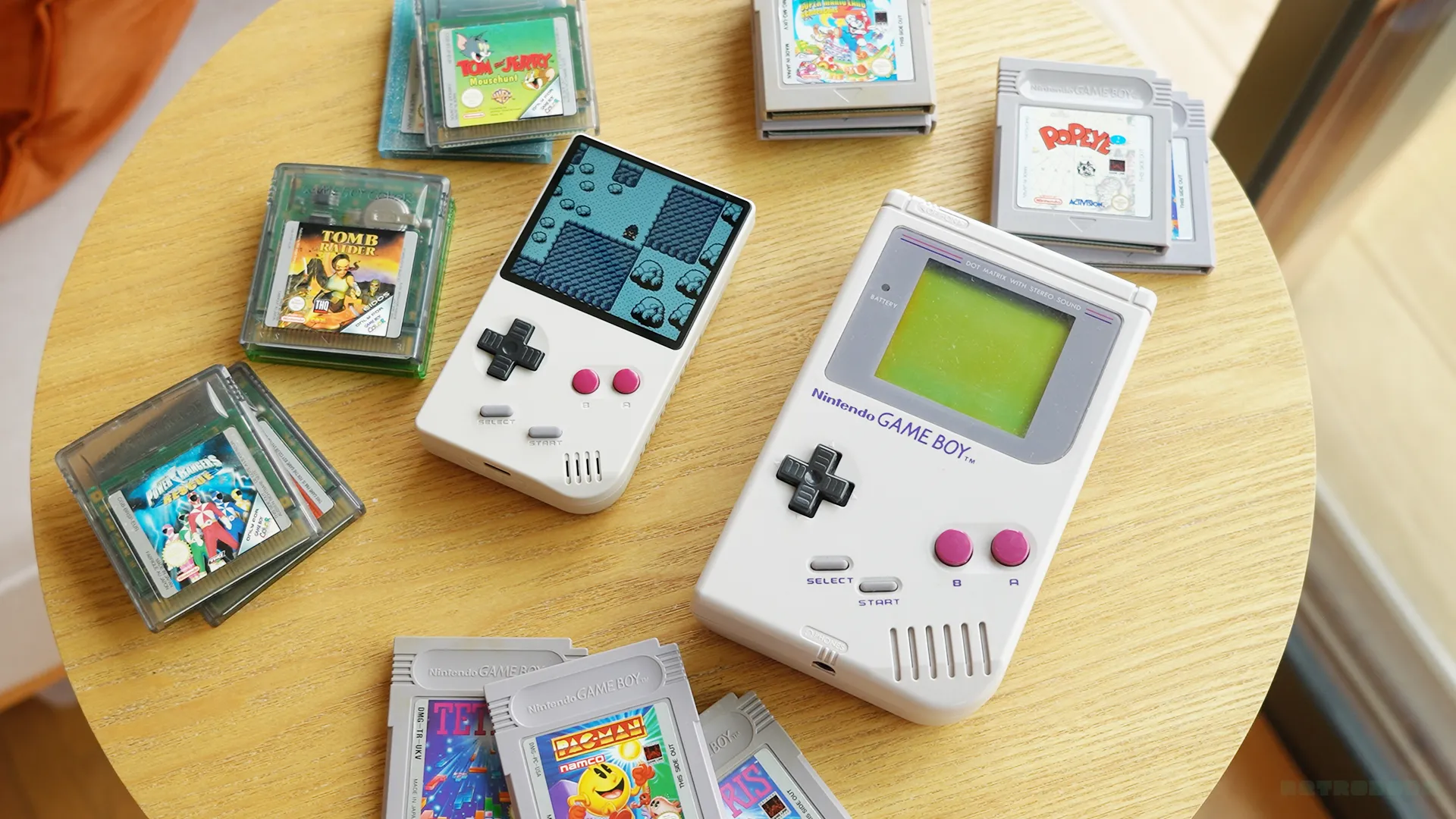
The portable retro gaming market has welcomed an unexpected addition with the release of the FunnyPlaying GB Mini, a $69 field-programmable gate array (FPGA) handheld console designed to play original Game Boy and Game Boy Color cartridges while simultaneously supporting software ROM emulation via an integrated SD card slot. Emerging into the consumer space through an unconventional "shadowdrop" release strategy, the device arrived in reviewers’ hands ahead of any official public announcement from its manufacturer, FunnyPlaying. Priced aggressively below many competing premium retro devices, the GB Mini aims to bridge the gap between physical cartridge collectors and modern portable emulation enthusiasts. However, an analysis of the hardware reveals a division between its impressive visual execution and its underlying build quality, marked by manufacturing limitations, software inconsistencies, and restricted initial market availability.
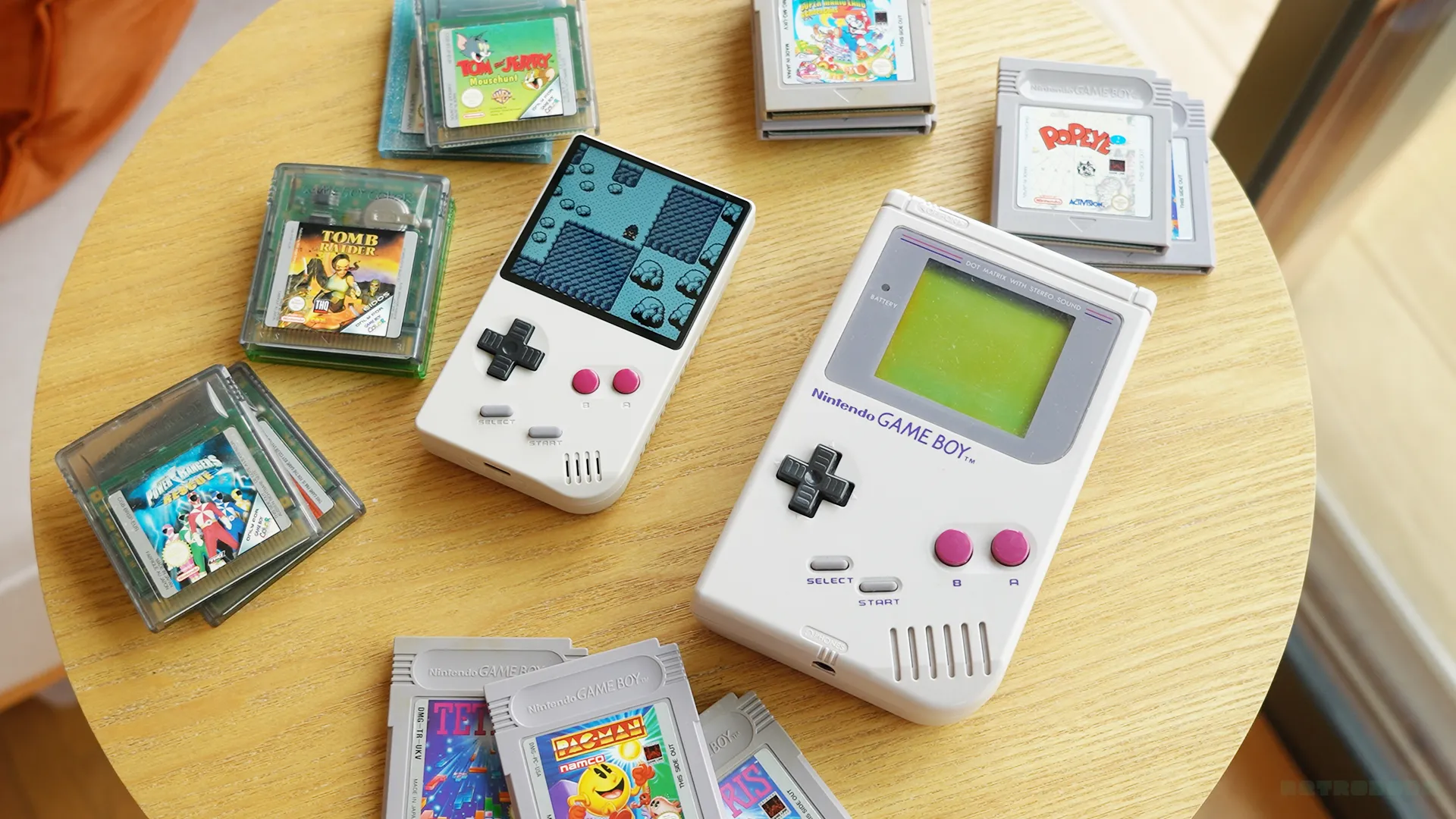
Product Conception and Design Specifications
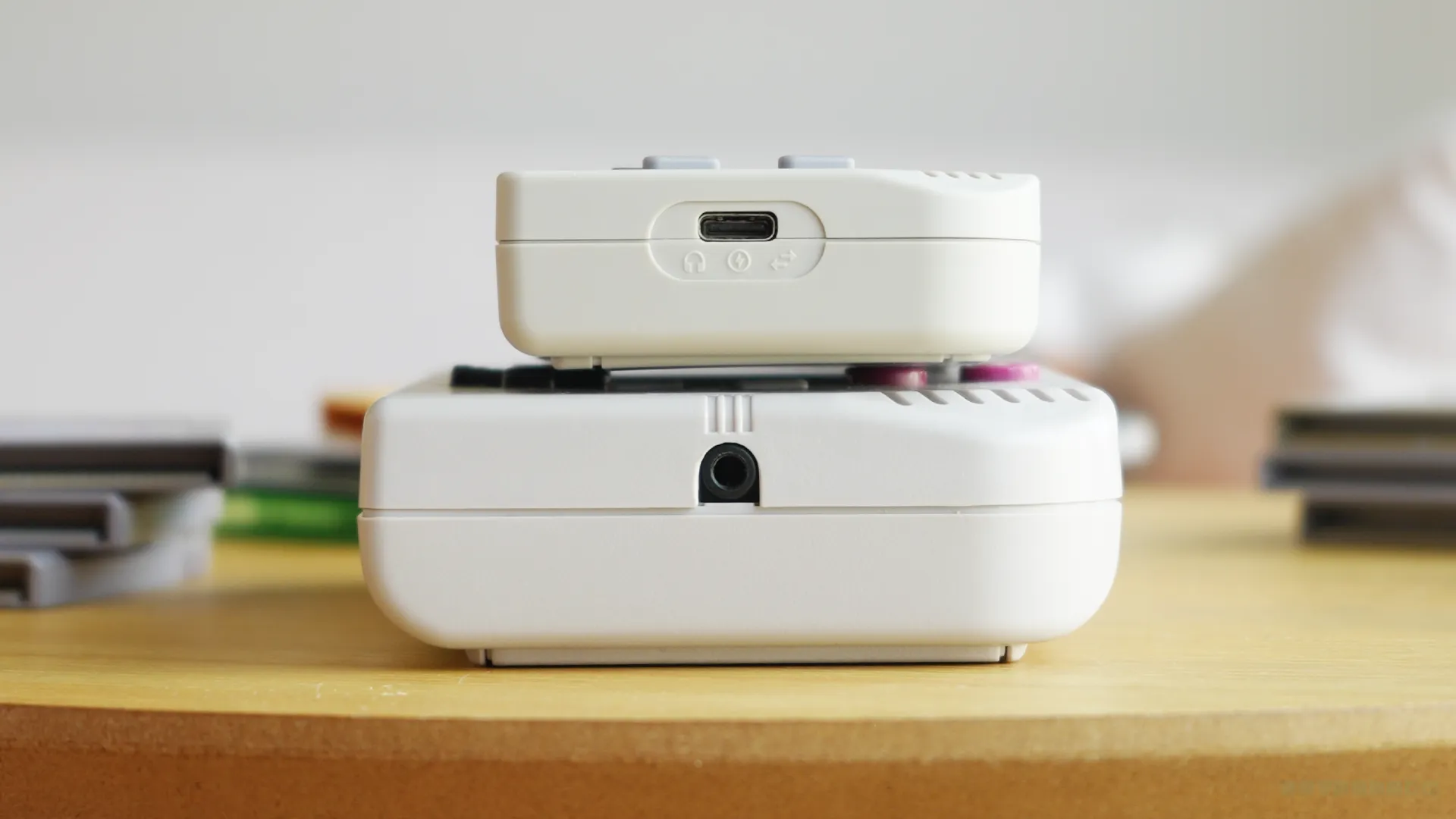
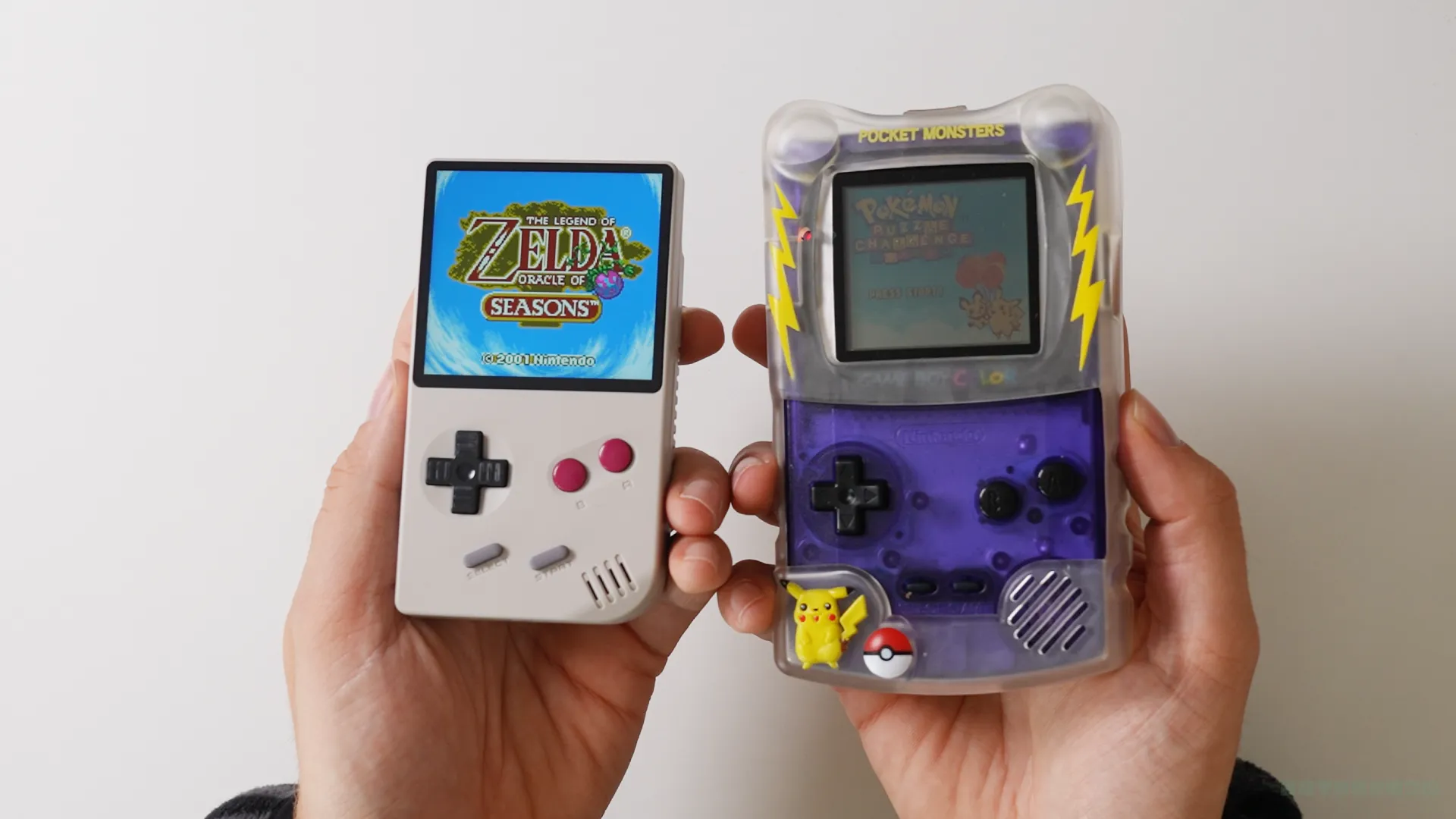
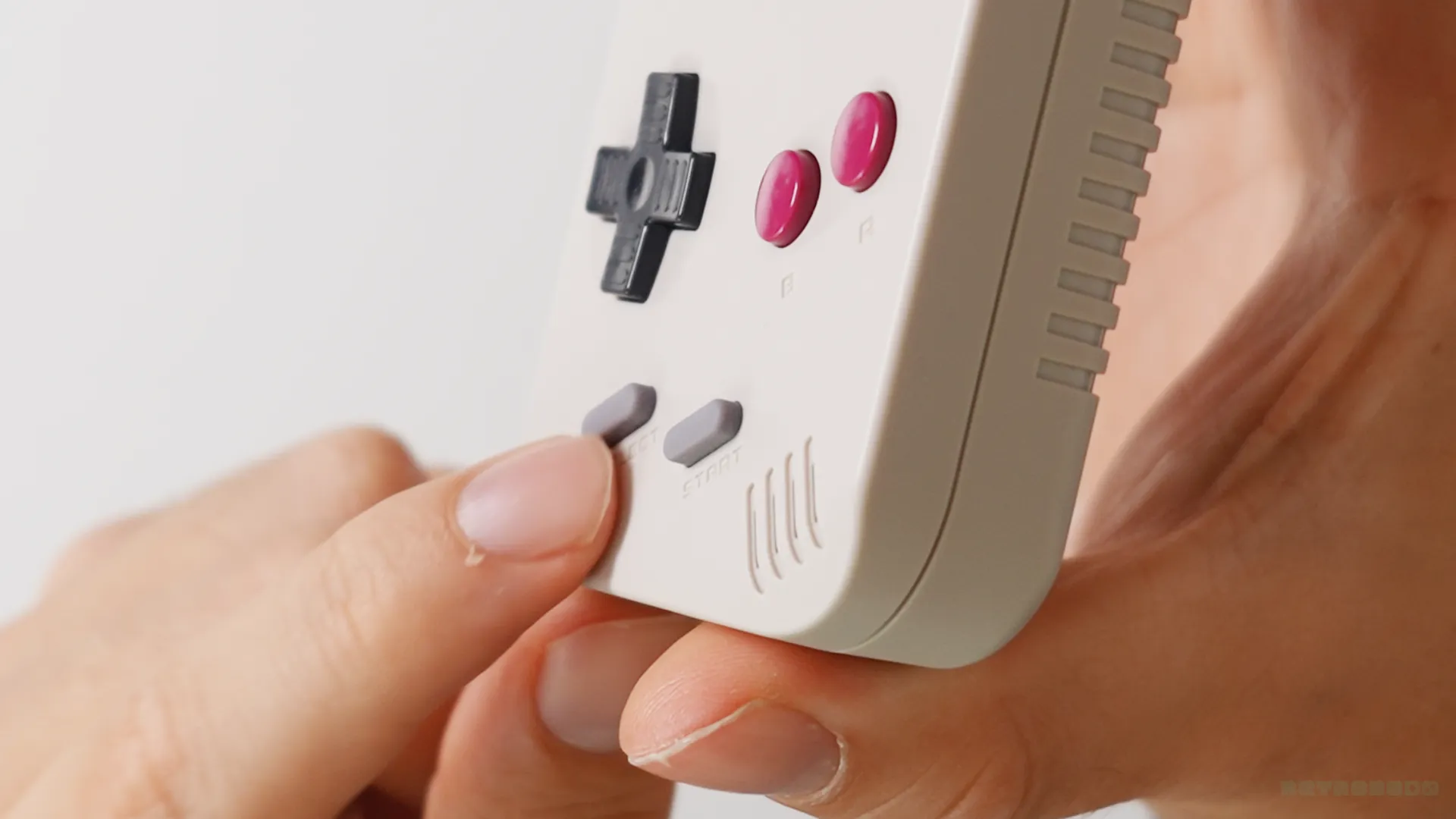
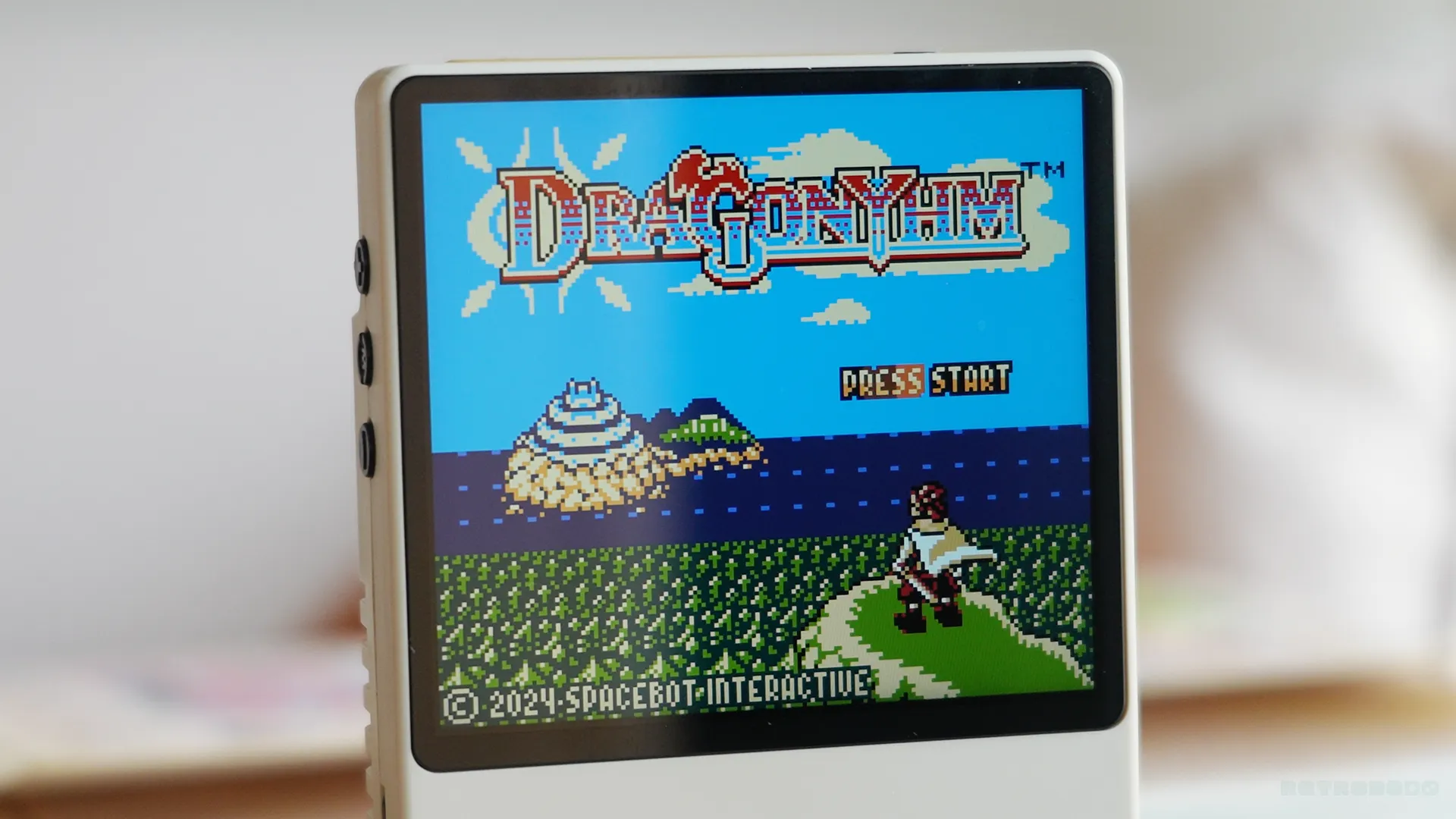
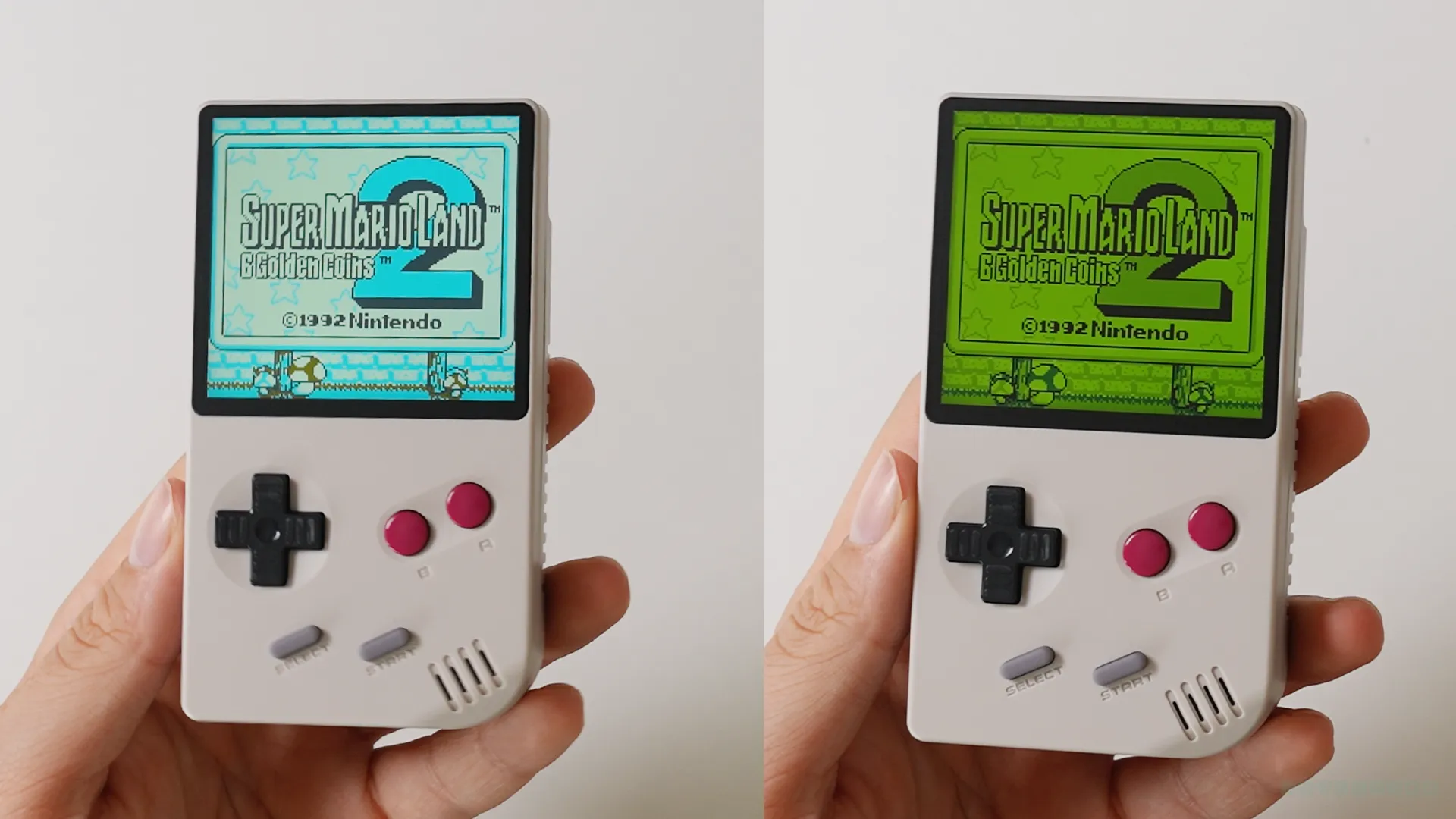
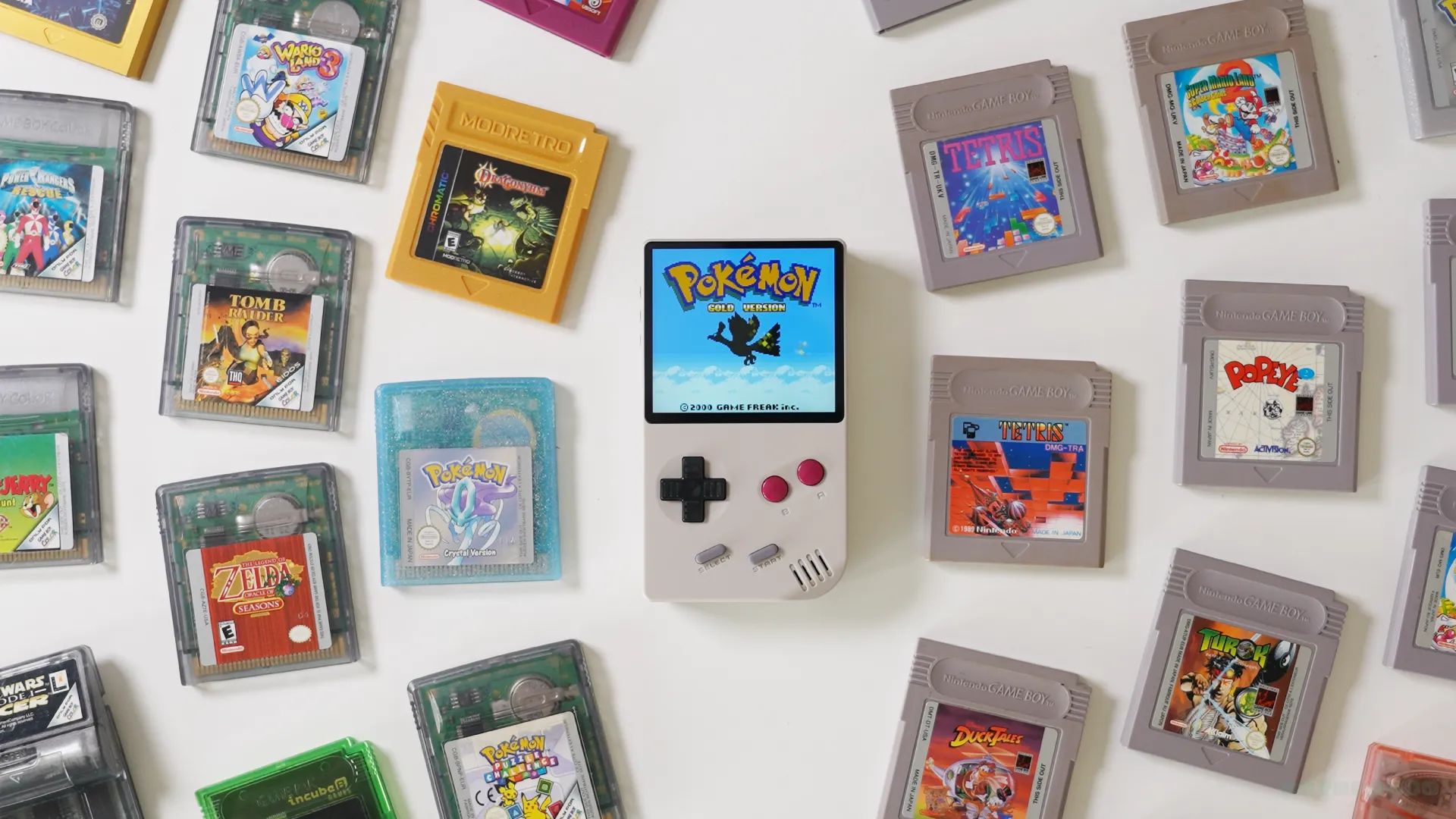
Measuring significantly smaller than traditional Nintendo hardware while retaining the iconic aesthetic of the original Game Boy DMG, the GB Mini is engineered for single-handed operation. The chassis features a matte plastic construction, weighing enough to provide a substantive feel when paired with an inserted physical cartridge. The device utilizes a 2.98-inch IPS display panel featuring a resolution of 800 by 720 pixels, which translates to a precise 5x upscaling ratio for Game Boy and Game Boy Color titles. This panel provides crisp visuals, vibrant colors, and minimal bezels, contrasting sharply with the reflective, unlit screens of vintage Nintendo portables.
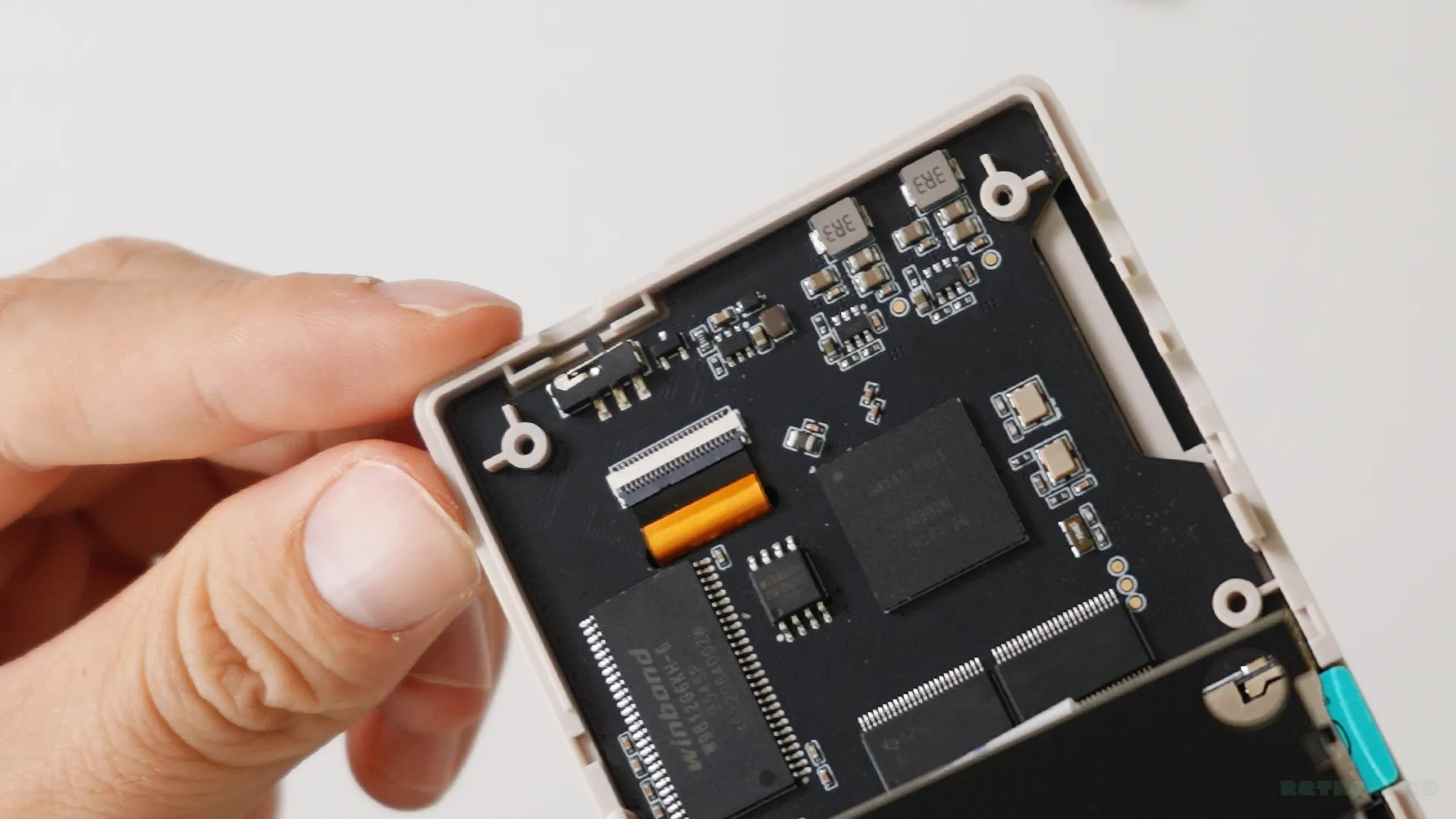
Beneath the exterior shell, the console is powered by a dual-battery configuration. A primary 1800mAh rechargeable lithium-ion battery supplies between four and six hours of continuous gameplay depending on display brightness levels, while a secondary CR1220 coin-cell battery powers an internal real-time clock (RTC), preserving accurate time-keeping functionality essential for titles featuring dynamic in-game events, such as Pokémon installments and modern homebrew ROM modifications.
Chronology of the Release and Distribution Strategy
The launch strategy employed by FunnyPlaying for the GB Mini has drawn critique from industry analysts and publication outlets regarding consumer accessibility and supply chain transparency. On September 18, the manufacturer initiated its first commercial sales batch, restricting production to an extremely limited allocation of only 20 units globally. This initial stock sold out within minutes of public disclosure, catching many prospective buyers unaware due to the absence of sustained marketing campaigns or advance announcements.
Subsequent batches are scheduled to follow regional manufacturing cycles, with preliminary estimates suggesting micro-releases of 30 to 50 units arriving in weekly or monthly intervals. Industry observers note that this constrained distribution model mirrors previous hardware rollouts from specialized boutique manufacturers, where high demand continually outstrips production capacity. Furthermore, historical patterns indicate that FunnyPlaying frequently utilizes a reactive inventory model, restocking popular products over extended periods while occasionally leaving older device firmware iterations unpatched or deprioritized following subsequent hardware revisions.
Hardware Performance and Cartridge Compatibility
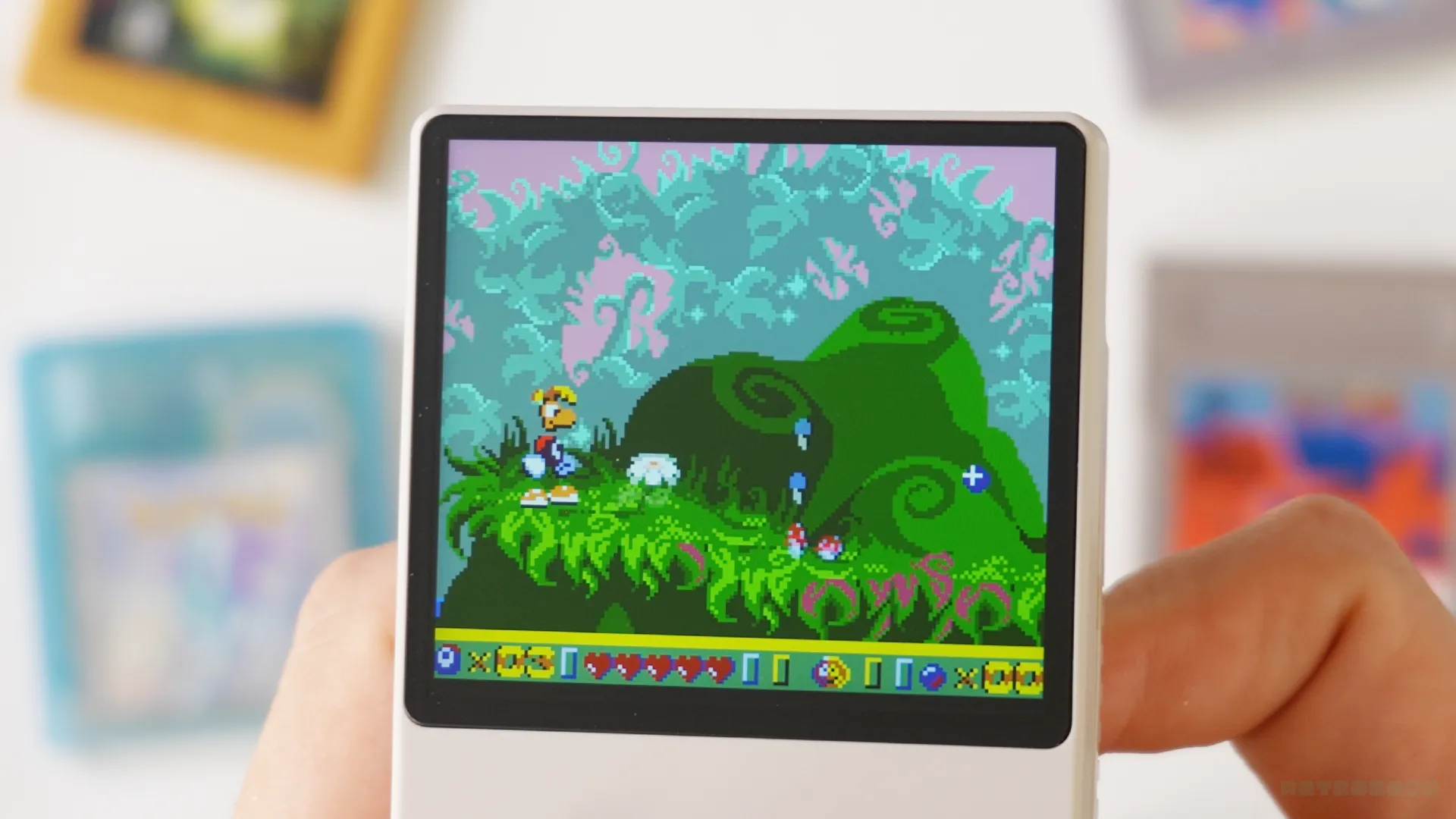
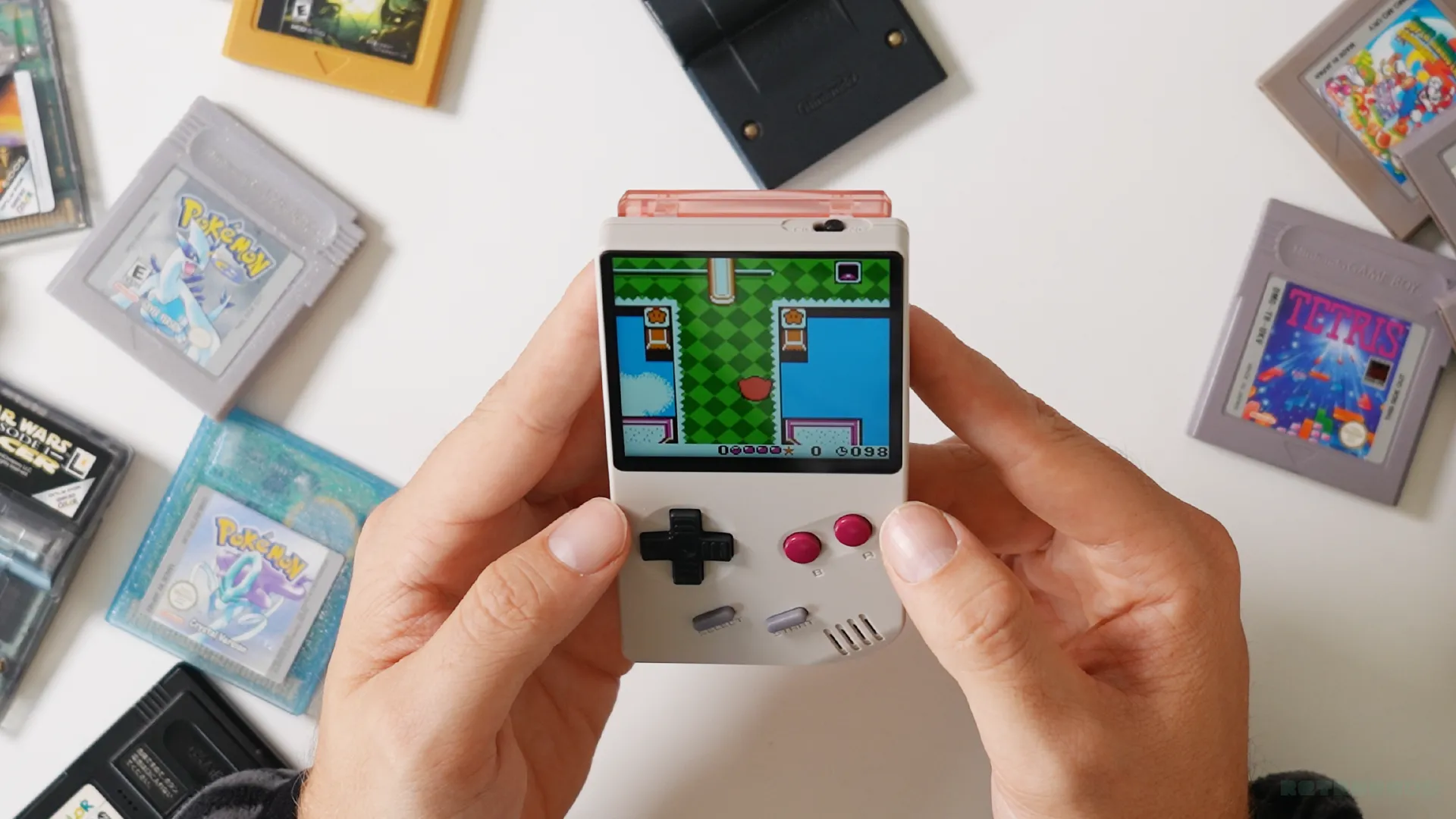
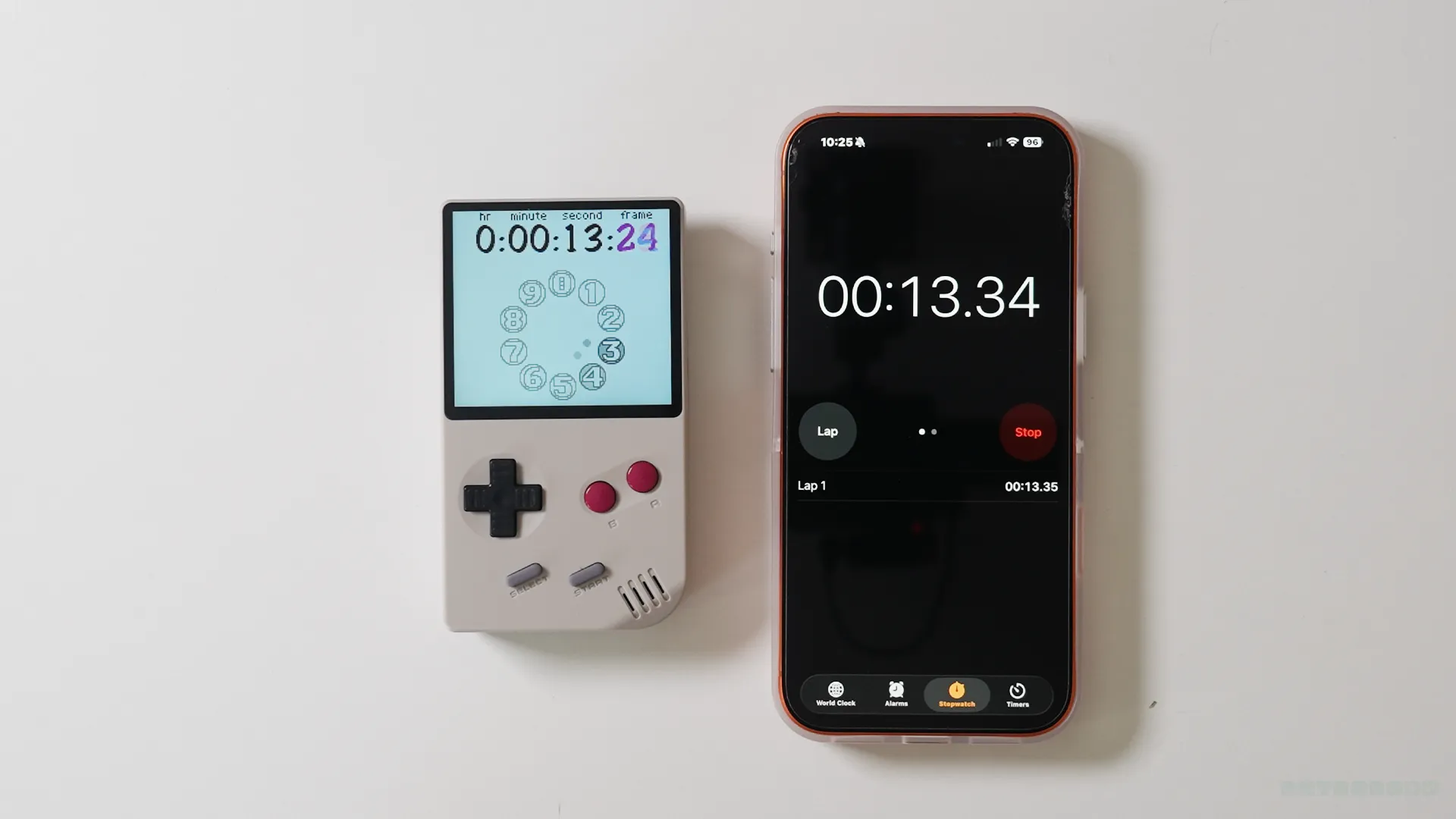
As an FPGA-based system, the GB Mini processes game code via hardware logic rather than software emulation, ensuring a high degree of timing accuracy and cycle-accurate performance when interacting with physical media. Testing across a wide array of genuine Game Boy and Game Boy Color cartridges indicates high compatibility rates, successfully reading standard domestic and international releases, alongside modern homebrew cartridges and hardware equipped with internal gyroscopic sensors.
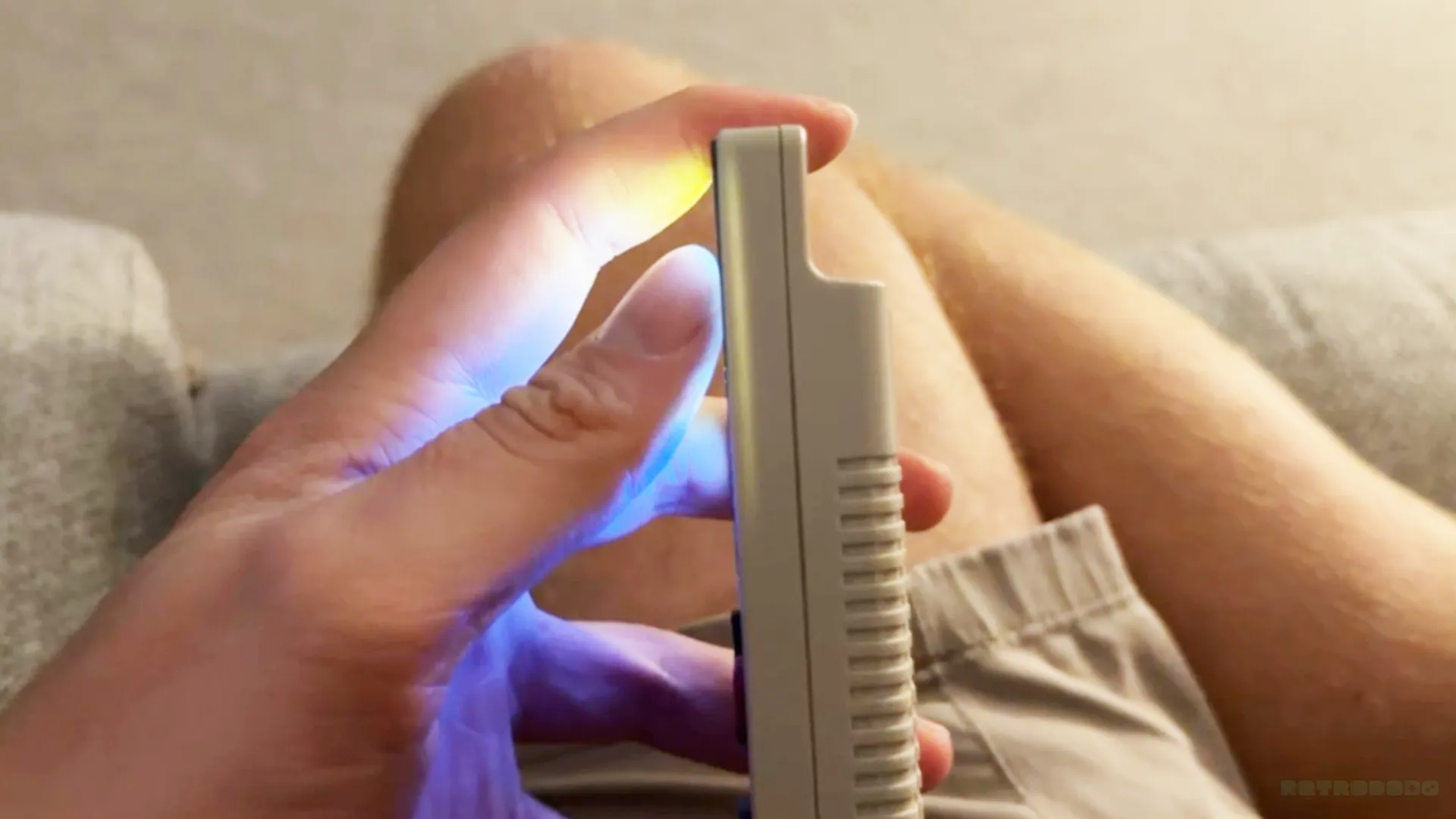
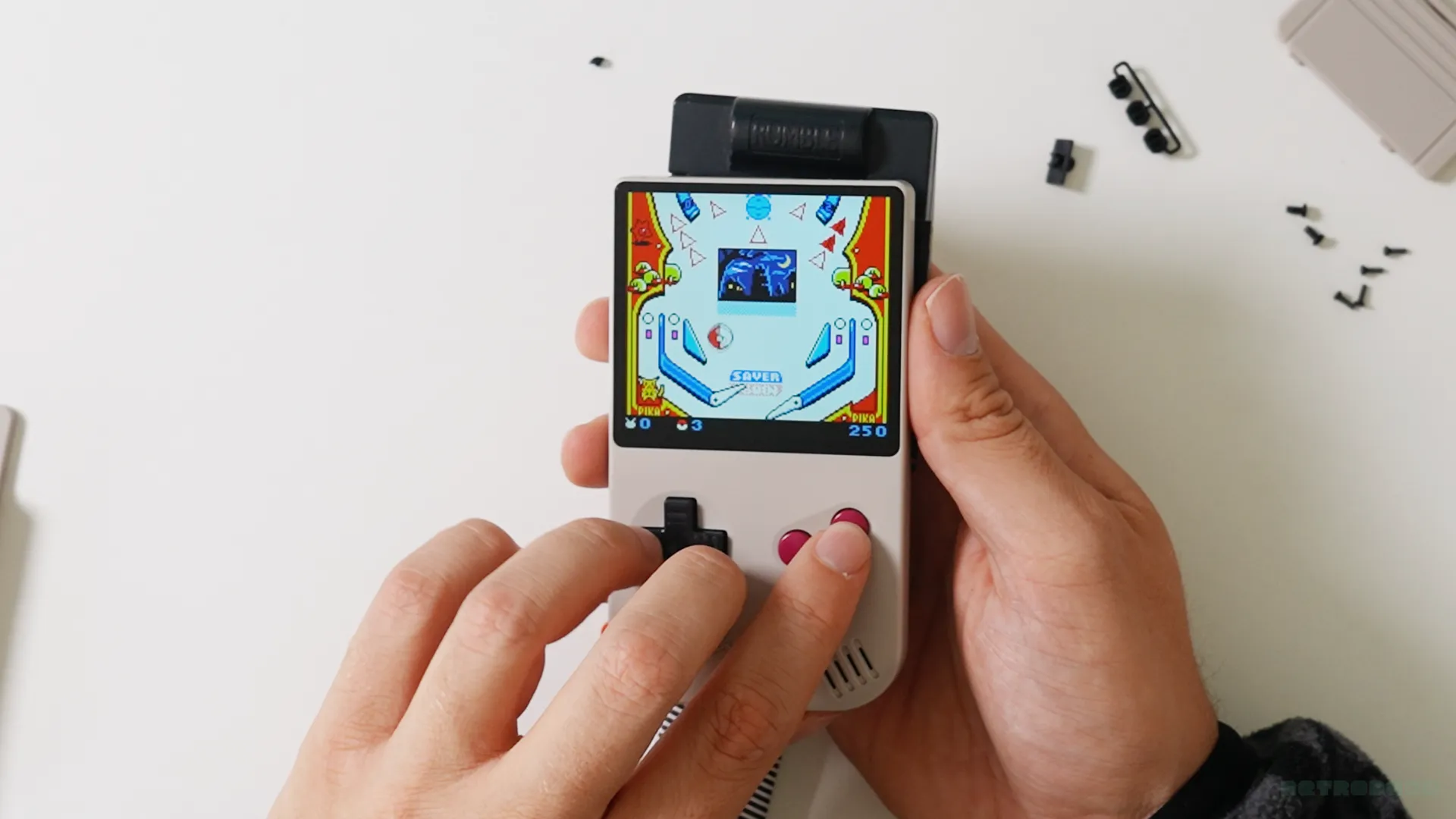
Despite this versatility, physical design oversights present notable operational limitations. The physical dimensions of the cartridge slot restrict the accommodation of oversized cartridges. Specialized peripherals such as the Game Boy Camera and third-party rumble-pak cartridges cannot be fully seated while the rear battery cover and outer shell are attached, as the internal plastic barrier prevents a secure connection. Removing the rear housing permits these cartridges to function correctly, confirming that the limitation stems strictly from the physical casing design rather than the internal pin architecture. Furthermore, compatibility with third-party flashcarts remains inconsistent, necessitating reliance on the auxiliary SD card slot for alternative digital game libraries.
Software Emulation and User Interface Functionality
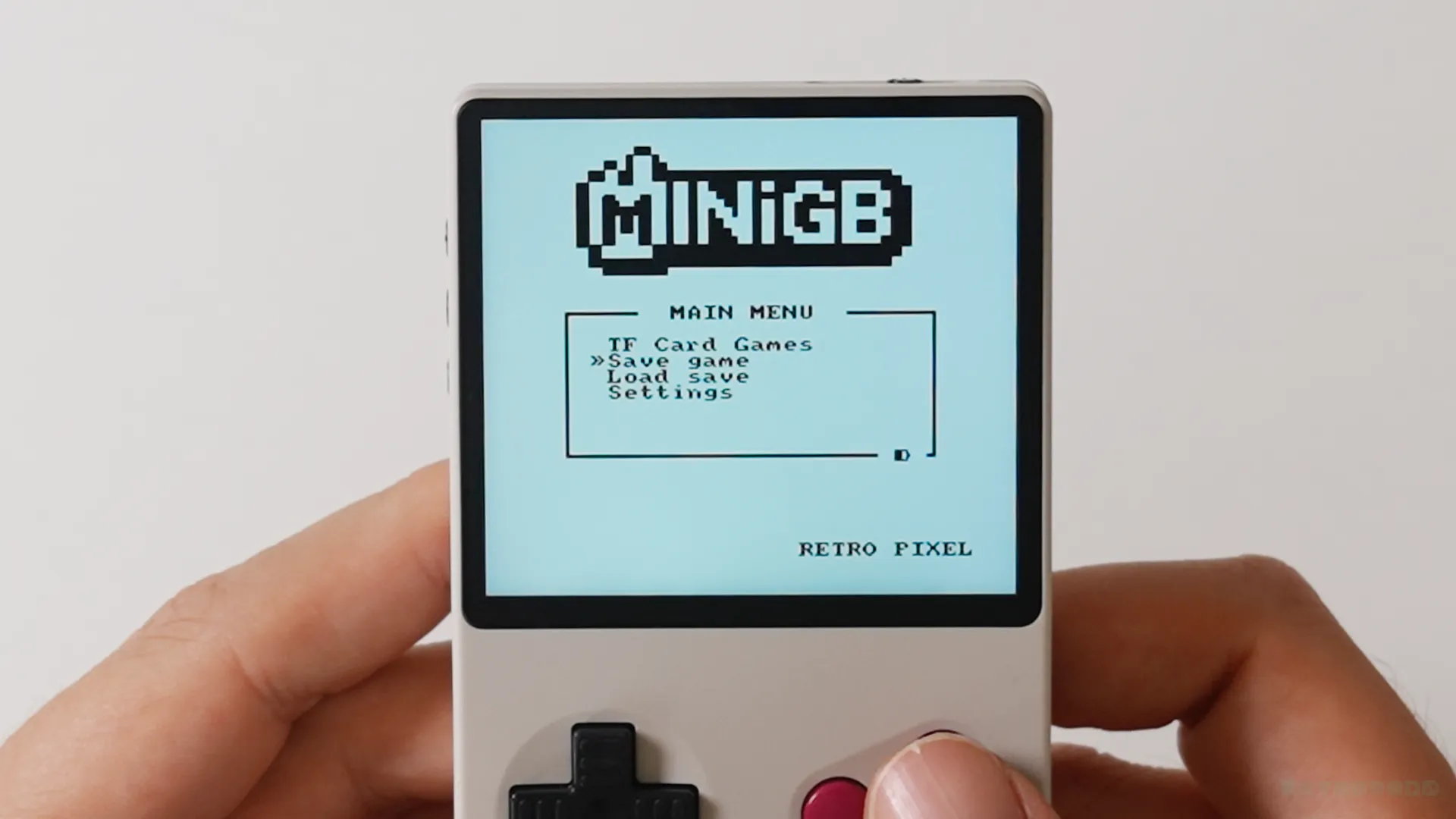
Beyond physical media, the GB Mini permits users to boot directly into an internal menu interface via a micro-SD card slot when no cartridge is detected. This interface manages file directories for .GB and .GBC ROMs, executes save states, and accesses system configuration options. The operating system provides features such as a "Fast Boot" option that bypasses the traditional Nintendo startup sequence, real-time clock synchronization, and a color mode toggle enabling monochromatic titles to run with pseudo-Game Boy Color palettes.
However, the emulation layer exhibits specific operational vulnerabilities. Save state management requires a precise sequence, frequently demanding an in-game save prior to utilizing emulator-level save states to prevent data corruption. Additionally, certain software files encounter rendering glitches, resulting in unstable runtime performance. System-level settings—such as display brightness—tend to revert automatically to default percentages following specific power cycles, requiring manual readjustment by the user.
Analysis of Build Quality and Hardware Deficiencies
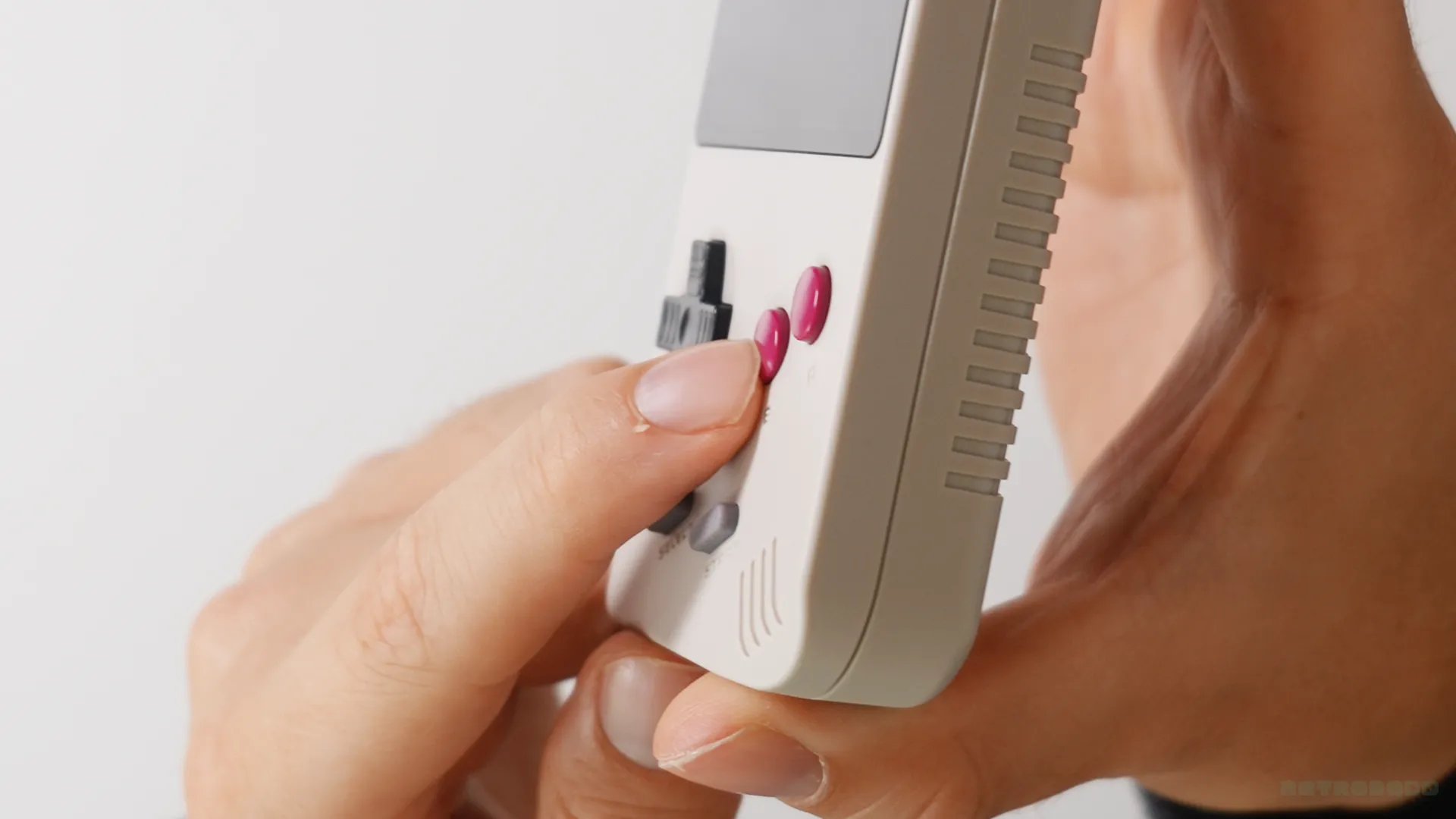
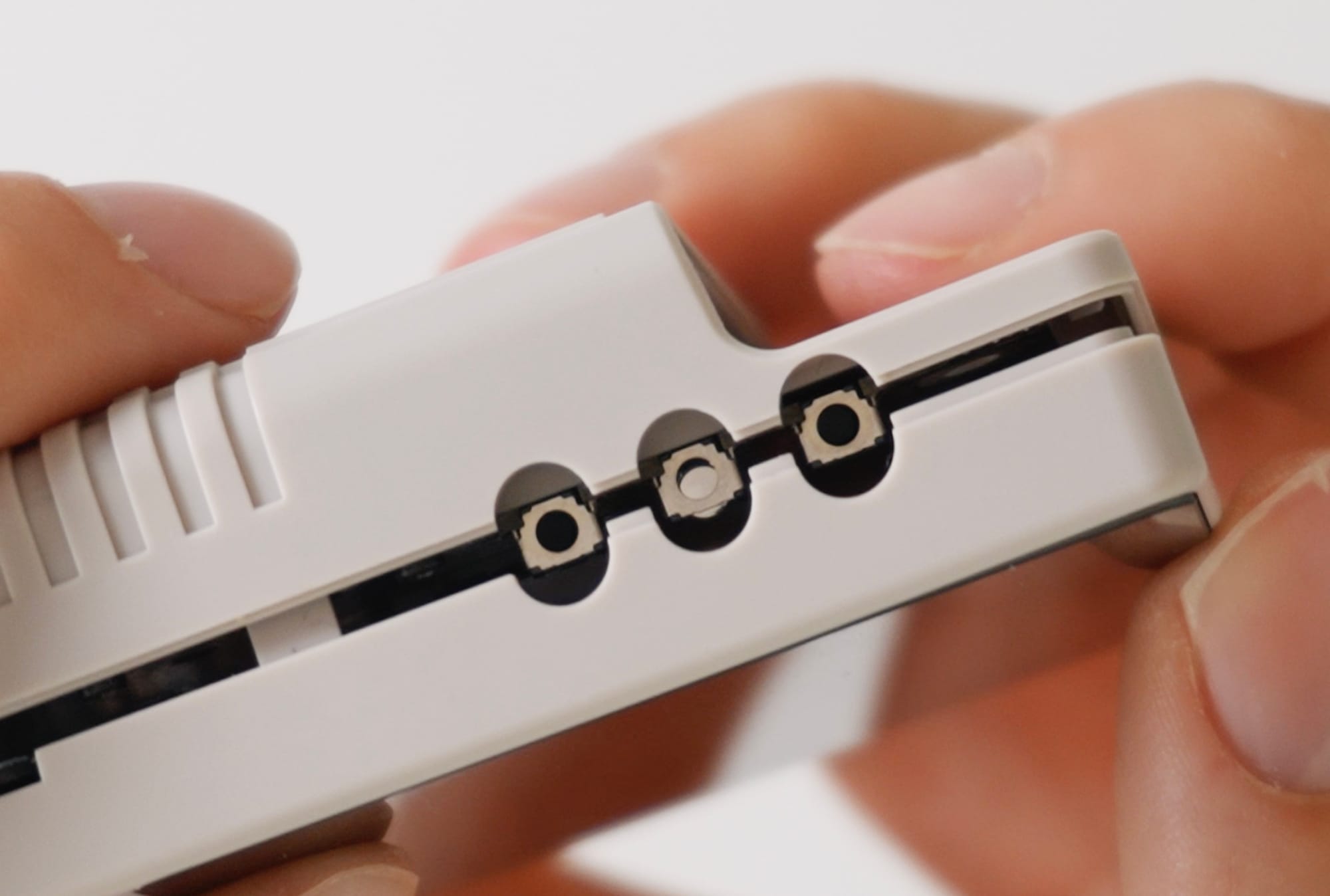
While the visual performance of the IPS display has garnered praise, physical hardware integrity remains a point of concern for a device positioned in the sub-$70 category. Review units have highlighted critical structural vulnerabilities, particularly concerning peripheral buttons and screen adhesive security. The side-mounted volume rockers and menu buttons utilize low-profile tactile switches with minimal physical feedback, requiring deep depression into the chassis to register input.
In testing environments, prolonged usage of these tactile elements revealed structural fatigue; internal components, including the silicone backing of the menu button, proved susceptible to detachment and mechanical failure. Consequently, primary system navigation becomes severely restricted if internal switches break, leaving users unable to access settings or manage save states during emulation sessions. Additionally, reports of improper adhesive application on the primary display panel indicate that the LCD screen can gradually shift, allowing internal backlighting to bleed through the chassis edges. The top-mounted power switch similarly suffers from calibration tolerances, occasionally failing to register the intended open or closed circuit state without forceful mechanical engagement.
Market Implications and Consumer Outlook
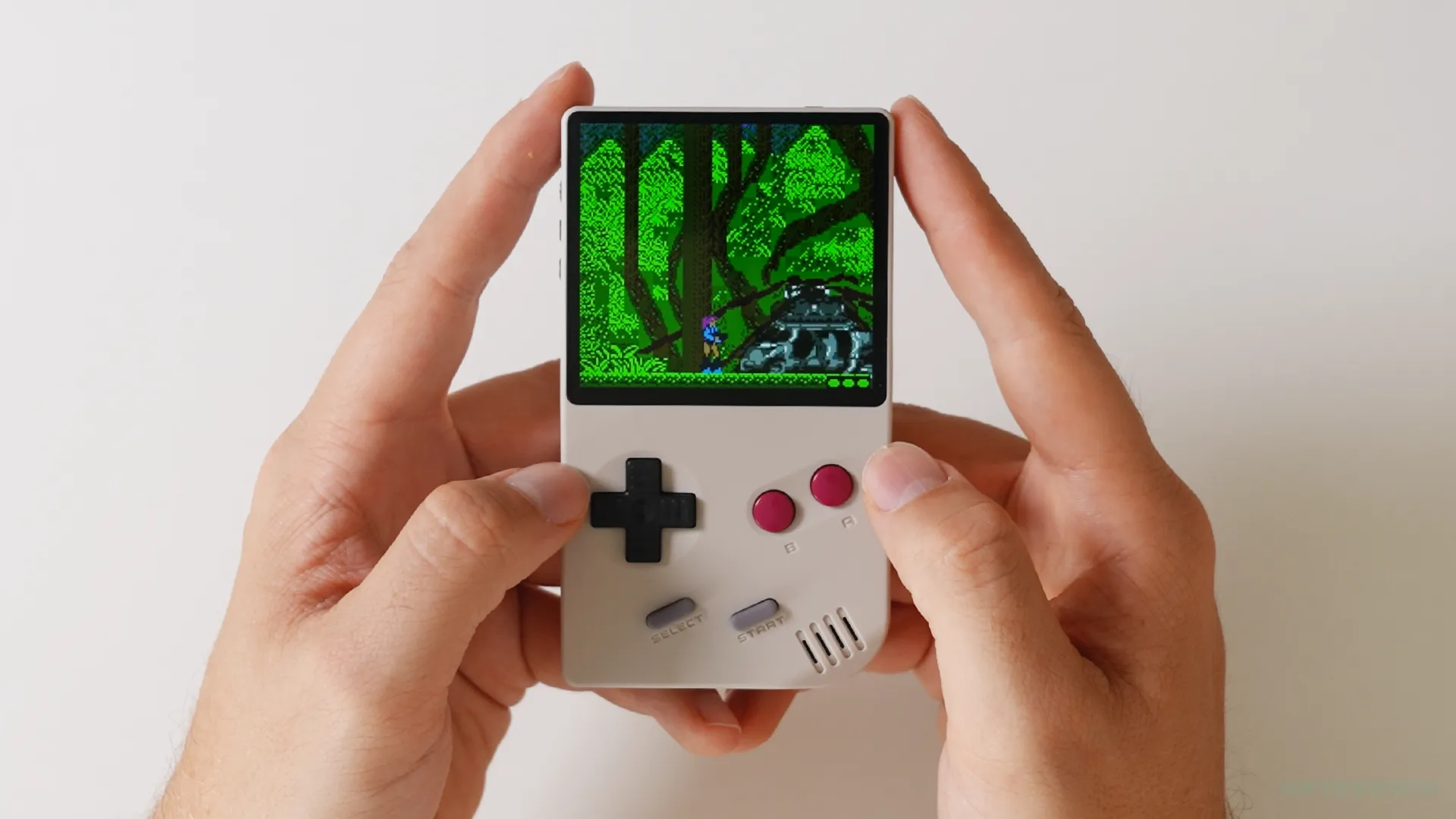
The introduction of the FunnyPlaying GB Mini establishes a new competitive baseline for affordable FPGA hardware, successfully undercutting the price points of premium competitors such as the Analogue Pocket and the ModRetro Chromatic. By offering dual functionality—supporting both physical cartridges and digital sideloading via a compact form factor—the device addresses a clear demand within the retro gaming community.
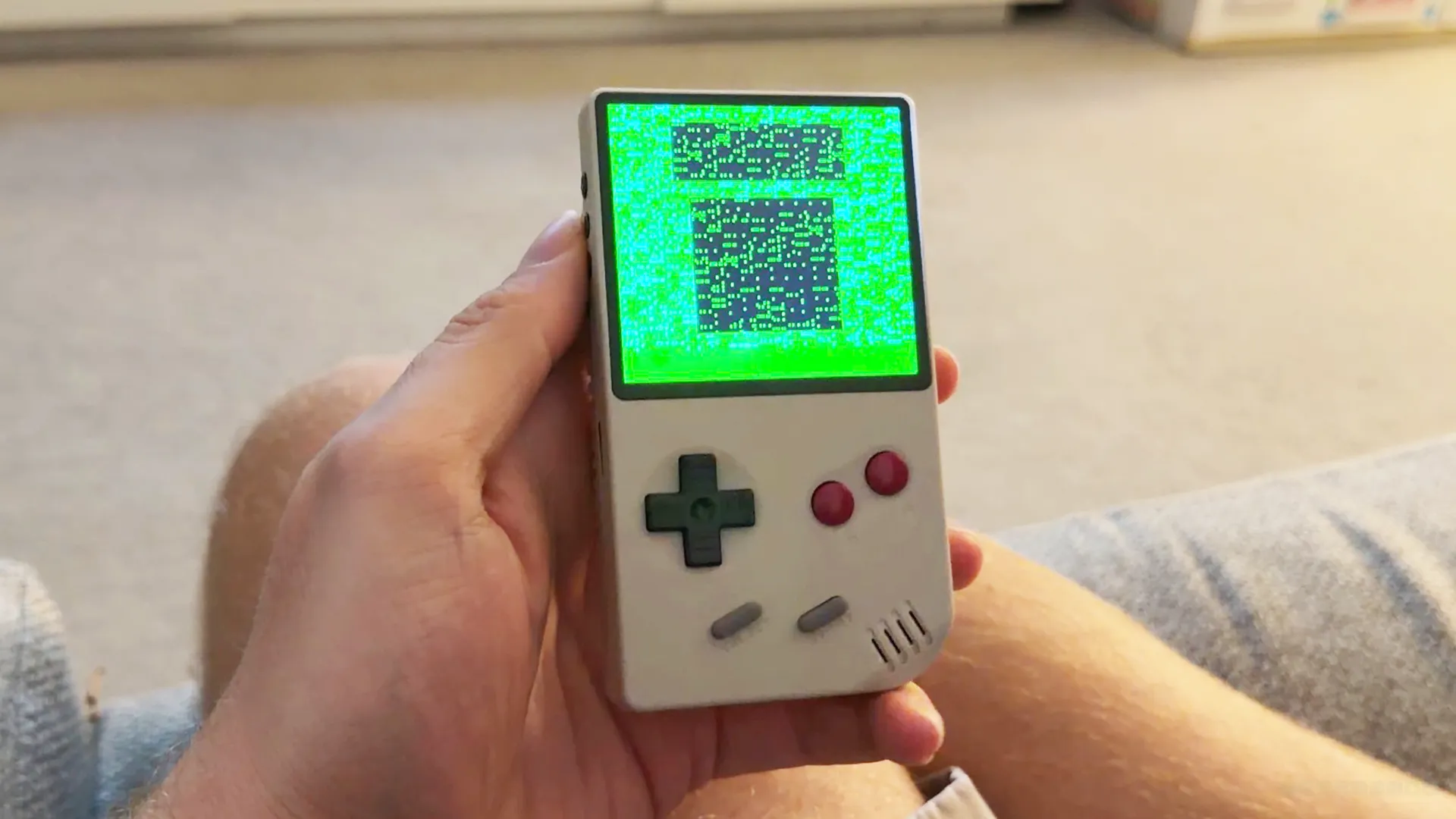
Nevertheless, the presence of structural hardware defects, inconsistent firmware stability, and an exceptionally restricted supply chain introduces significant barriers for mainstream adoption. Industry analysts suggest that while the GB Mini possesses the foundational specifications to become a market leader in the micro-handheld category, long-term commercial success will depend heavily on the manufacturer’s willingness to address quality control issues, refine shell tolerances, and establish predictable inventory distribution channels. Until subsequent hardware revisions correct these documented engineering flaws, prospective buyers are advised to monitor manufacturer updates and firmware stabilization efforts before committing to purchase.