Indra Gunadi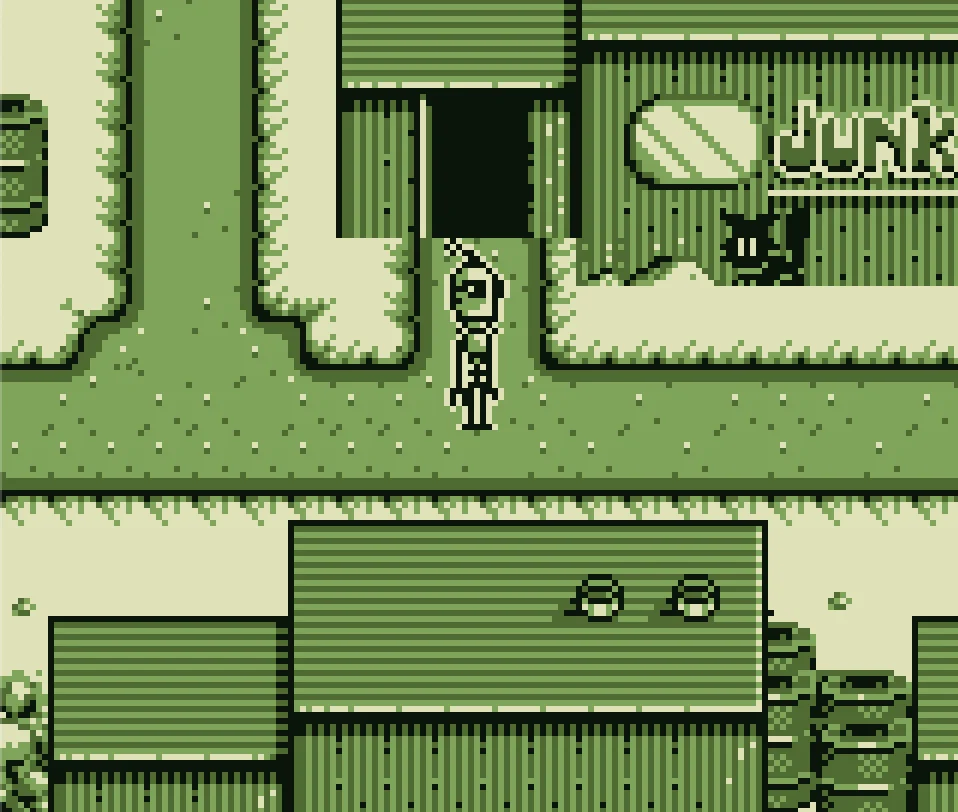
The release of Fall From Space marks a significant milestone in the contemporary homebrew development scene for the Nintendo Game Boy. Published on September 21, 2026, by developer Joel J Games, this title represents an ambitious fusion of genre mechanics rarely seen on the 8-bit handheld platform. By synthesizing open-world exploration, Metroidvania-style platforming, and a sophisticated narrative system governed by karma-based player choices, the game pushes the technical boundaries of the original 1989 hardware. Notably, the project features aesthetic contributions from renowned illustrator Mitsuhiro Arita, providing a professional artistic pedigree to a production that was developed independently for authentic Game Boy hardware.
Technical Specifications and Hardware Context
The Game Boy, despite its limited processing power and 8-bit architecture, has seen a resurgence in developer interest over the last decade. Fall From Space operates within the strict constraints of the DMG (Dot Matrix Game) processor, which features an 8-bit Sharp LR35902 CPU running at approximately 4.19 MHz. To achieve an "open-world action RPG" experience, Joel J Games has had to implement memory management techniques that allow for vast, interconnected environments while maintaining the stability expected of a cartridge-based release.
The technical implications of such a release are profound. Unlike modern software, which often relies on hardware abstraction layers and high-level engines, Fall From Space is coded specifically for the Game Boy’s unique memory map. This requires the developer to manage 8KB of internal Work RAM and a limited palette of four shades of gray (or green, depending on the hardware revision). The integration of a karma-based morality system—which suggests tracking internal variables that dictate narrative outcomes—requires significant overhead, indicating that the game likely utilizes custom banking hardware within the cartridge to expand the accessible ROM capacity beyond the standard limitations of early titles.
Chronological Development and Industry Trends
The timeline for Fall From Space fits into the broader "Second Wave" of Game Boy homebrew development. Following the initial hobbyist surge of the early 2000s, the current era of development is defined by increased polish, high-fidelity asset design, and commercial-grade distribution methods.
- Early 2024: Initial conceptualization of Fall From Space by Joel J Games, focusing on the premise of a "solar system within a cartridge."
- Late 2024: Prototyping phase, involving the development of movement physics and the establishment of the platforming framework.
- Mid-2025: Artistic collaboration phase. The involvement of Mitsuhiro Arita marks a departure from standard homebrew practices, signaling a bridge between professional industry talent and the independent retro-coding community.
- Early 2026: Beta testing and optimization for genuine Game Boy hardware, ensuring compatibility with the DMG-01, Game Boy Pocket, and Game Boy Color.
- September 21, 2026: Official release, marking the game’s debut as a completed, hardware-native experience.
This timeline reflects a maturing market where developers are increasingly dedicating years of labor to single projects, moving away from the "mini-game" style of early homebrew toward comprehensive, narrative-driven experiences.
Artistic Integration: The Arita Contribution
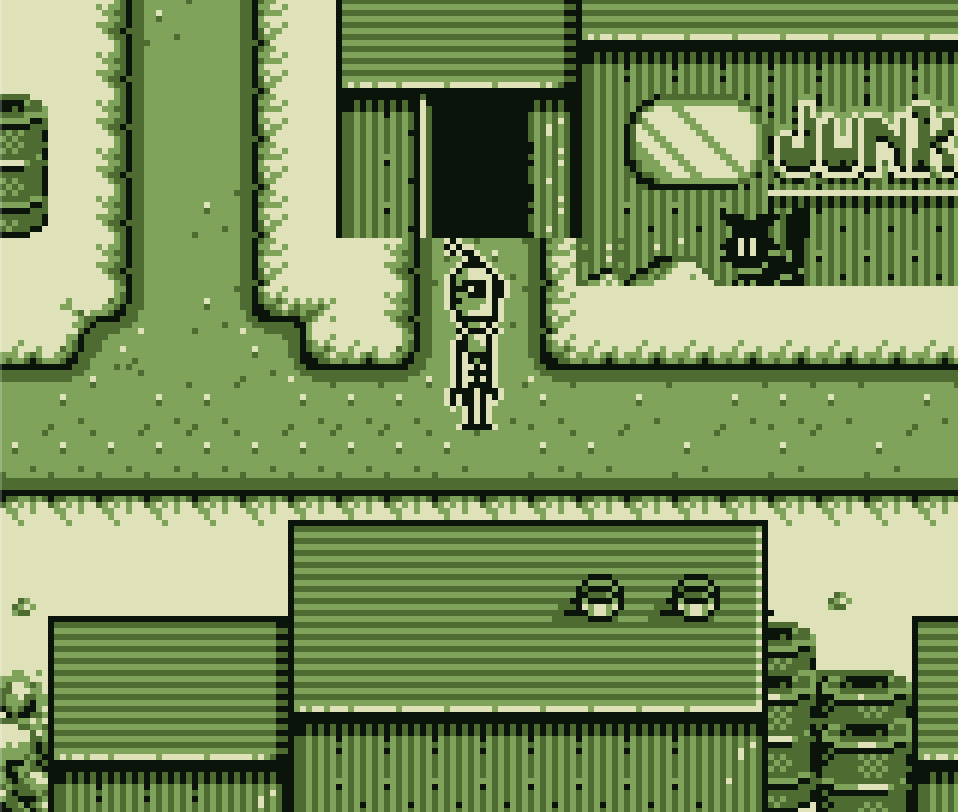
The inclusion of Mitsuhiro Arita in this project is perhaps its most noteworthy feature. Arita, globally recognized for his foundational work on the Pokémon Trading Card Game and various high-profile franchise illustrations, brings a level of visual cohesion that is often missing from independent titles. In the context of a 160×144 pixel display, Arita’s input on character design and environmental storytelling helps overcome the visual limitations of the hardware. By utilizing high-contrast, bold lines that translate well to the Game Boy’s monochromatic display, the art direction ensures that gameplay remains readable even during complex action sequences.
Industry analysts note that the involvement of professional illustrators in homebrew projects is a growing trend. This collaboration serves as a "prestige factor," validating the medium of retro development as a legitimate outlet for professional artistic expression rather than merely a nostalgia-driven technical exercise.
Mechanics and Narrative Depth
The gameplay loop of Fall From Space is described as an integration of three distinct pillars:
- Metroidvania Platforming: The core navigation relies on non-linear exploration, where the player unlocks new areas through the acquisition of items or abilities. This requires a well-structured game world that encourages backtracking and exploration.
- Karma-Based Narrative: By implementing a system where player choices affect the game state, Joel J Games introduces a level of replayability rare in 8-bit titles. The "multiple endings" feature implies a branching narrative tree, which adds depth to the character interactions and the overarching plot.
- Open-World Integration: The "solar system" premise suggests that the game world is segmented into distinct planetary environments, which the player can travel between. This scale is ambitious for the hardware and likely relies on efficient tile-swapping and asset reuse to minimize load times and memory consumption.
Broader Impact on the Homebrew Ecosystem
The release of Fall From Space is not an isolated event; it is emblematic of the growing professionalization of the homebrew sector. Over the last five years, the demand for physical media—cartridges, manuals, and boxes—has surged, leading to a vibrant marketplace for collectors and enthusiasts.
From a market perspective, games like Fall From Space contribute to the sustainability of the hobby. By producing high-quality content, developers are creating a demand that justifies the manufacturing of new flash-able cartridges and hardware peripherals. This ecosystem supports a small but stable economy where developers can recoup their development costs through direct-to-consumer sales, often through specialized platforms like itch.io or niche retro-focused distributors.
Furthermore, the focus on "real hardware" compatibility is a critical differentiator in the current market. While emulation has become the standard for preservation, the insistence on real-hardware performance ensures that the game remains a living piece of technology rather than a mere file to be executed in a browser or on a PC.
Challenges and Future Implications
Despite the excitement surrounding the release, developers in this space face ongoing challenges. The primary hurdle remains hardware fragmentation. While the Game Boy is a relatively static platform, subtle differences between the original DMG, the Game Boy Pocket, and the Game Boy Color can lead to issues with screen ghosting, sound output, and power consumption. Joel J Games’ commitment to testing on "real hardware" implies a rigorous quality control process that is essential for long-term project viability.
Looking forward, the success of titles like Fall From Space may influence the development strategies of other independent studios. As tools such as GB Studio and low-level C-compilers become more sophisticated, the barrier to entry is lowering, yet the bar for quality is simultaneously rising. Projects that prioritize deep narrative and artistic collaboration, such as this one, are likely to set the standard for what players expect from contemporary 8-bit releases.
Conclusion
Fall From Space serves as a testament to the enduring appeal and technical viability of the Nintendo Game Boy. By combining the expertise of a dedicated programmer with the creative vision of a seasoned illustrator, Joel J Games has created a title that transcends the novelty of its platform. As the homebrew community continues to evolve, projects of this nature will remain vital, providing a bridge between the classic gaming experiences of the 1990s and the sophisticated, narrative-driven design sensibilities of the 2020s. Whether viewed as an artistic endeavor or a technical achievement, Fall From Space represents a significant entry in the ongoing legacy of the world’s most successful portable console. The game stands as a reminder that with sufficient ingenuity, the limitations of early hardware can be transformed into a framework for profound creative exploration.