Cecilia Chamidah Nur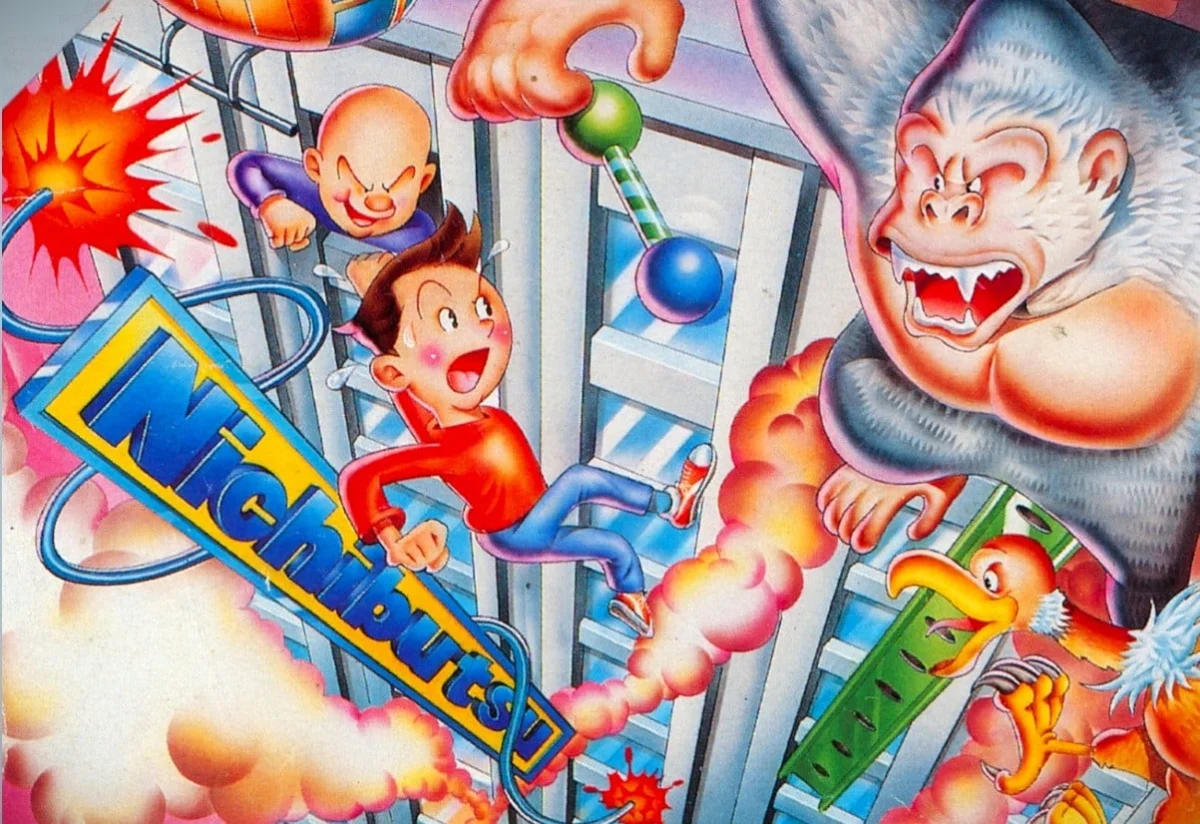
A Legacy of Vertigo: The Genesis of Crazy Climber
The original arcade iteration of Crazy Climber, developed and published by Nihon Bussan (Nichibutsu) in 1980, remains a foundational title in the history of vertical-scrolling action games. At a time when the industry was largely dominated by fixed-screen shooters and maze-based titles, Crazy Climber introduced a radical concept: the persistent vertical ascent of a skyscraper.
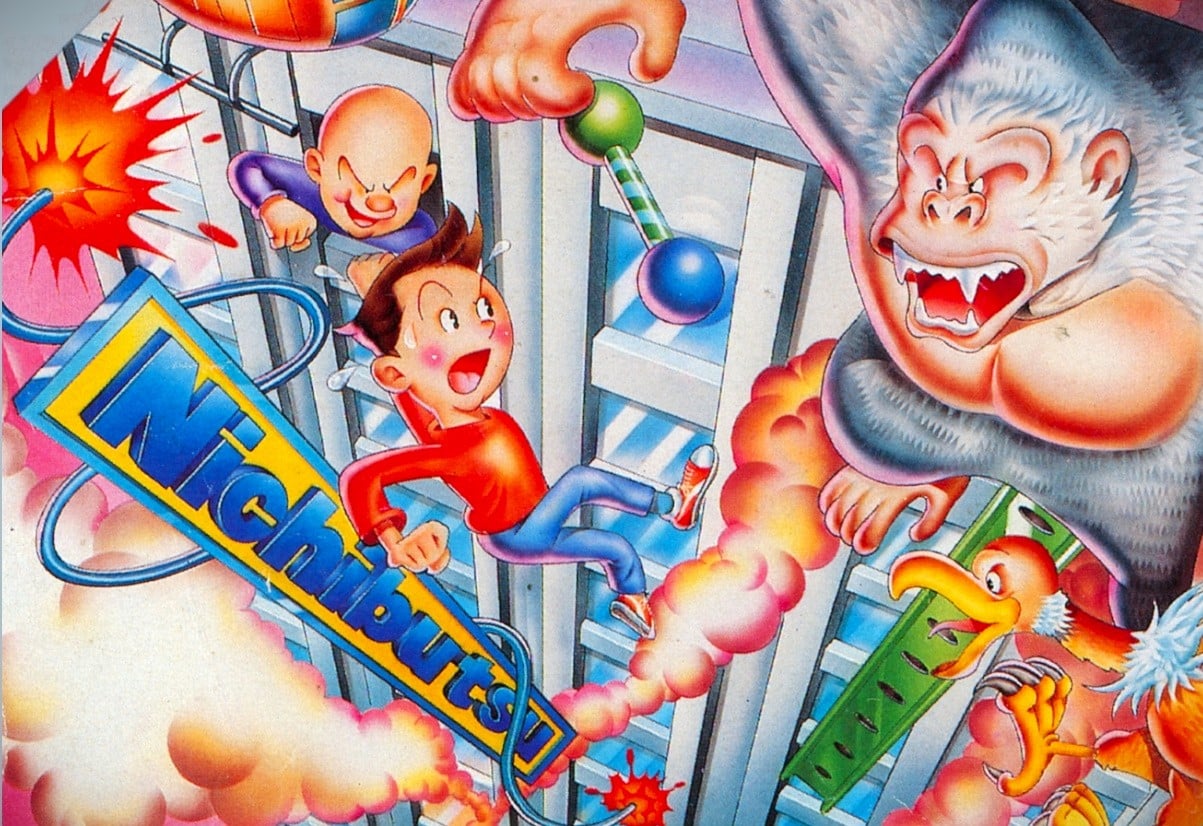
The game’s core loop is deceptively simple: players control a protagonist attempting to scale the exterior of various buildings. The challenge, however, is anything but simple. Players must navigate around a gauntlet of environmental hazards, including falling flower pots, aggressive avian obstacles, and, perhaps most iconically, residents who lean out of windows to drop household items—or occasionally dump buckets of water—onto the climber.
The title earned a reputation for being punishingly difficult, a trait that helped it become a staple in Japanese arcades during the early 80s. The absence of a safety net or any discernible motive for the character’s suicidal climb only added to the surreal, high-stakes nature of the gameplay, cementing its status as an quintessential arcade "quarter-muncher."
The Dual-Stick Challenge: Engineering Precision
What set the arcade version of Crazy Climber apart from its contemporaries was its unique control scheme. The cabinet featured two distinct joystick controllers, one for each hand of the protagonist. To scale the building, players had to alternate or coordinate the inputs of these sticks, mimicking the act of reaching for handholds. This tactile requirement forced a level of hand-eye coordination that few other games of the era could replicate.
When the game was ported to the Nintendo Famicom in 1986, developers faced the significant challenge of replicating this dual-stick feel on a console controller that utilized a standard D-pad. To compensate for this, some iterations of the game were bundled with specialized "clip-on" attachments. These physical add-ons allowed players to map the arcade’s twin-stick layout onto the Famicom’s D-pad interface, effectively preserving the intended "climbing" rhythm that defined the original experience. This commitment to hardware-software synergy remains a subject of study for historians interested in early console ergonomics.
Evolution and Expansion: The Famicom Advantage
The Famicom version of Crazy Climber is not merely a downscaled port; it is widely considered by enthusiasts to be one of the most comprehensive editions of the game. By 1986, developers had gained significant experience working with the Famicom’s architecture, allowing them to expand upon the arcade original’s limitations.
The home release featured expanded levels and, most notably, the introduction of side-on platforming stages. These additions provided a greater sense of progression and variety than the strictly vertical-scrolling arcade version, effectively broadening the scope of the game’s narrative and mechanical depth. By diversifying the terrain and the obstacles encountered, the Famicom release transformed a singular arcade gimmick into a more robust and varied platforming experience.

Preservation Efforts by Hamster Corporation
Hamster Corporation’s inclusion of this Famicom port in the Console Archive range is part of a broader, ongoing industry trend toward the digital archiving of classic titles. Since the launch of the Arcade Archives and Console Archives initiatives, Hamster has been instrumental in ensuring that titles from the 8-bit and 16-bit eras remain playable on modern hardware, including the PlayStation 5, Xbox Series X/S, and Nintendo Switch.
The preservation of the Famicom version is particularly significant because it captures the specific cultural moment when developers were attempting to bridge the gap between high-end arcade hardware and the limitations of home consoles. By cataloging these ports, Hamster allows researchers and players alike to compare the subtle design changes between the original coin-op experiences and their domestic counterparts.
Chronology of the Crazy Climber Franchise
- 1980: Nichibutsu releases the original Crazy Climber in Japanese arcades, introducing the dual-stick vertical climbing mechanic.
- 1981-1982: The game sees international distribution, gaining a cult following in North America and Europe.
- 1986: The Famicom port is released in Japan, featuring enhanced levels and, in some bundles, peripheral attachments for the D-pad.
- 1990s: The title is featured in various compilation software, though original hardware begins to show signs of age in the collector’s market.
- 2020s: Hamster Corporation initiates the Console Archives series, focusing on the preservation of authentic Famicom experiences.
- 2026: The Famicom edition of Crazy Climber joins the Console Archive, making it accessible on current-generation platforms.
Technical and Cultural Implications
The release of this title raises interesting questions regarding the future of software longevity. In the current digital landscape, the ability to play a 1986 Famicom title on a 2026 console is a testament to the efficacy of emulation technology. However, historians often point out that the "feel" of these games is intrinsically tied to the original input methods.
The dual-stick requirement of Crazy Climber, even when mapped to modern analog sticks, presents a different experience than the original arcade sticks. Despite this, the availability of these games on modern storefronts serves as a critical entry point for new generations. By standardizing these releases with modern features—such as save states, online leaderboards, and display filters—Hamster ensures that the game is not only playable but also competitive in a modern context.
Market Analysis and Industry Reception
From a market perspective, the "retro" sector continues to perform reliably. Niche publishers and preservationists have found that there is a consistent, albeit focused, demand for high-quality emulations of obscure 8-bit titles. The decision to prioritize the Famicom version of Crazy Climber—rather than just the original arcade ROM—shows a sophisticated understanding of the market. Players who grew up with the Famicom version are often more interested in the specific features and "feel" of that port than they are in the arcade original.
Furthermore, the integration of these titles into subscription-based gaming ecosystems or digital storefronts provides a low barrier to entry. For the average consumer, the purchase is often driven by nostalgia or an interest in the "history of the medium." For developers and historians, however, it represents a successful model for software preservation that prevents these games from becoming "abandonware."
Future Outlook for Retro Preservation
As the hardware that originally supported titles like Crazy Climber continues to deteriorate, the role of companies like Hamster becomes increasingly vital. The industry is currently moving toward a standard where digital availability is expected for legacy titles. The successful porting of the Famicom edition of Crazy Climber serves as a blueprint for how smaller, less heralded arcade-to-console ports can be preserved with the same level of care as major AAA classics.
Ultimately, the release is a reminder of the ingenuity required during the early days of home gaming. Whether the player is navigating the treacherous exterior of a skyscraper or merely revisiting a childhood memory, the inclusion of Crazy Climber in the Console Archives ensures that this particular chapter of gaming history remains open for the next generation of players to explore—and perhaps, to finally reach the top.