Arya Paningal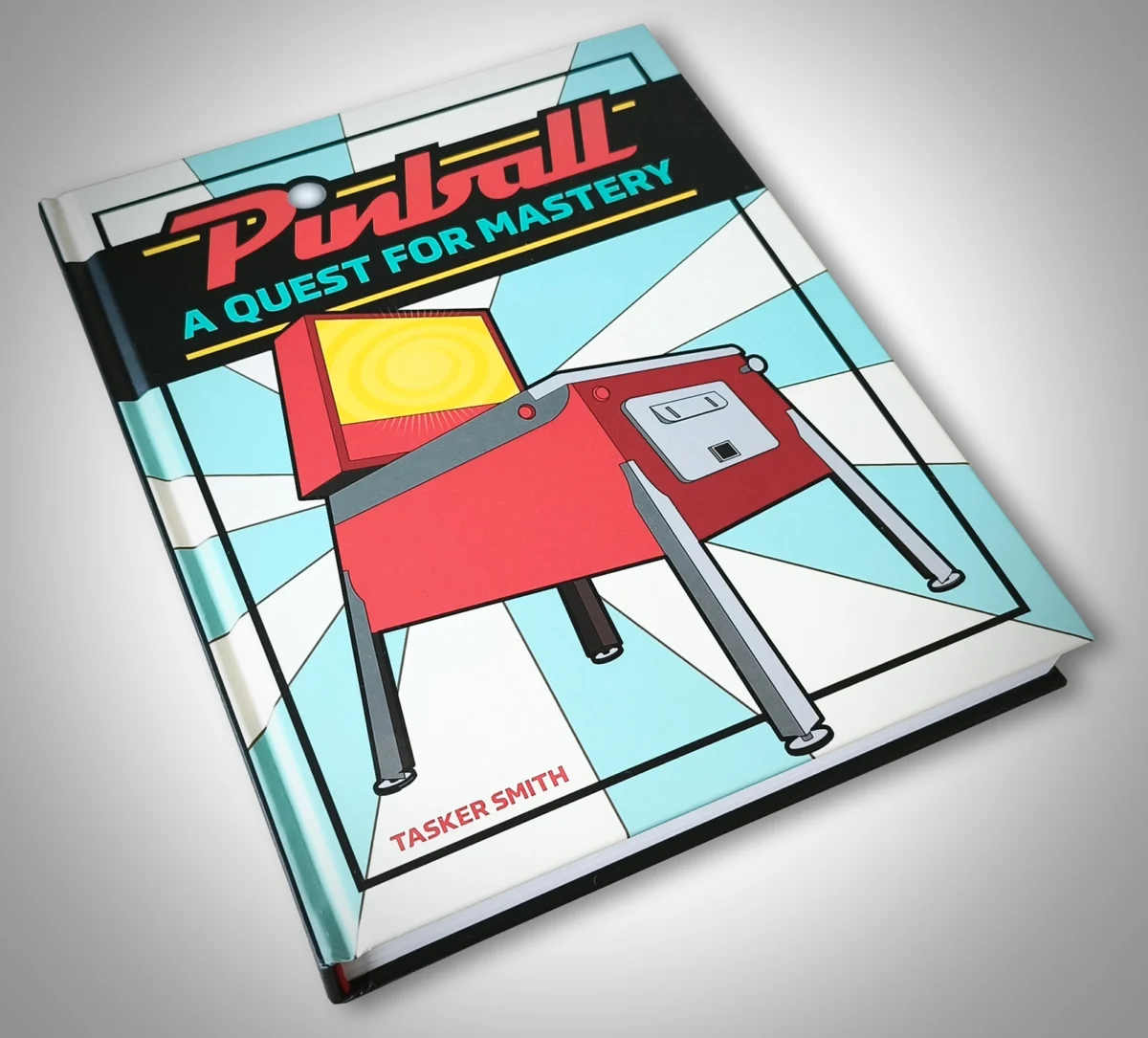
Released on July 28, 2024, in the United States, this 256-page hardback volume—published by Schiffer Publishing—represents a significant departure from traditional hobbyist literature. Authored by Tasker Smith, a Technical Educator at Boston University, the book transcends the typical "how-to" manual format by synthesizing historical context, mechanical engineering, and sports psychology into a comprehensive roadmap for competitive play.

The Evolution of a Niche Pastime
To understand the significance of Smith’s work, one must acknowledge the trajectory of the medium itself. Pinball has transitioned from a tavern-based mechanical curiosity into a sophisticated global subculture. The historical foundation of the book traces the lineage from the early 18th-century French parlor game "bagatelle" to the modern era of high-speed LCD-integrated machines.
The chronology outlined in the book serves as a vital primer for the uninitiated, detailing the 1947 invention of the flipper by Gottlieb, which transformed pinball from a game of pure chance into one of skill. Smith meticulously tracks this evolution through the eras of electromechanical relays, gas plasma displays, and the current state-of-the-art digital processing boards found in contemporary machines from manufacturers like Stern and Jersey Jack. By grounding the reader in the mechanics of the game, the author establishes the baseline technical knowledge required before one can ever hope to achieve high-level scoring.

Bridging Mechanics and Human Performance
The central thesis of Pinball: A Quest for Mastery lies in its dual-pronged approach: the mastery of the physical ball control and the psychological management of the player. The physical requirements of the game—often overlooked by casual observers—are treated here as athletic disciplines.
Smith categorizes the physical interaction between player and machine as a study in kinetic energy. The book provides detailed diagrams illustrating ball trajectory, velocity, and the complex physics of rebound dynamics. Unlike previous instructional texts that rely solely on text-based descriptions, this work utilizes technical illustrations to explain how specific playfield components, such as slingshots and posts, influence the ball’s behavior. For the competitive player, understanding these variables is the difference between a high score and a "drained" ball.

However, the most innovative section of the book involves the application of the "flow state"—a psychological concept popularized by psychologist Mihaly Csikszentmihalyi. Smith argues that top-tier pinball performance is not merely a product of reflexes but the result of total immersion, where the player’s consciousness aligns with the machine’s cadence. This section provides actionable advice on emotional regulation, hydration, and nutritional management during long-form tournament play, acknowledging that endurance is a factor in maintaining accuracy during intense, multi-hour sessions.
Competitive Frameworks and Industry Standards
In the context of the competitive landscape, the book serves as an essential guide to the modern tournament environment. With the rise of the International Flipper Pinball Association (IFPA) and the proliferation of local leagues, the need for standardized play has never been greater.

Smith’s analysis of tournament structures—including head-to-head, match play, and strike-based formats—offers a pragmatic look at how to navigate the social and strategic complexities of competitive gaming. He addresses the etiquette of play, providing a code of conduct for tournament environments that covers both the professionalization of the sport and the preservation of the community atmosphere. This is a critical addition to the literature, as the sport moves toward a more structured, spectator-oriented future.
Data-Driven Insights and Practical Application
The book is structured into four distinct segments, each building upon the last to create a cohesive pedagogical experience. While the first section provides the historical and mechanical foundation, the middle sections transition into tactical application.

A notable strength of this publication is its reliance on "first principles." Rather than offering vague tips, the author breaks down the game into its constituent parts: scoring, ball count, and bonus multipliers. By defining these metrics, the book aids players in developing a "game plan" for specific machines, an essential tactic for any serious competitor.
The technical specifications of the book itself mirror its content; the 256-page volume features a heavy, matte-finished hardback cover designed for durability. The use of high-grade paper ensures that the diagrams remain clear, a necessary choice given the complexity of the ball-path illustrations provided.

The Broader Impact on the Gaming Community
The publication of this work marks a turning point in the professionalization of pinball. As more venues—ranging from dedicated pinball museums to modern "barcades"—open globally, the demand for high-level instructional content has surged.
Industry observers have noted that this book fills a gap that has existed for decades. While online forums and YouTube channels have provided fragmented tips, a centralized, vetted resource like Smith’s provides a standardized curriculum for skill development. This could lead to a shift in how tournaments are organized and how new players are introduced to the competitive scene.

Availability and Future Engagements
For those seeking to acquire the text, distribution is currently handled through Schiffer Books in the United States, with a retail price point of $34.99. International availability is expanding, with pre-order options already active for the UK market through the PaperBack Shop, featuring localized pricing at approximately £20.92.
Looking ahead, Tasker Smith is scheduled to make a series of public appearances to discuss the book’s methodologies. The most prominent of these will be at the annual Pinball Expo in Schaumburg, Illinois, from October 14th to 17th. This event, which serves as a nexus for the global pinball community, will provide a platform for the author to sign copies and conduct demonstrations, further cementing the book’s status as a foundational text in the hobby.

Conclusion: A New Standard for Mastery
Pinball: A Quest for Mastery is more than a manual; it is an analytical study of human-machine interaction. By demystifying the psychological barriers to success and providing a rigorous framework for technical improvement, Tasker Smith has provided a tool that will likely become required reading for anyone serious about elevating their game.
Whether the reader is a novice looking to understand the mechanics of their local machine or a seasoned tournament veteran seeking to optimize their mental approach, the book offers a structured, evidence-based path toward improvement. As the pinball community continues to grow in both size and sophistication, works of this caliber ensure that the "Quest for Mastery" remains a pursuit grounded in knowledge, discipline, and a deep appreciation for the physics and artistry of the game.