Chalid Lutfie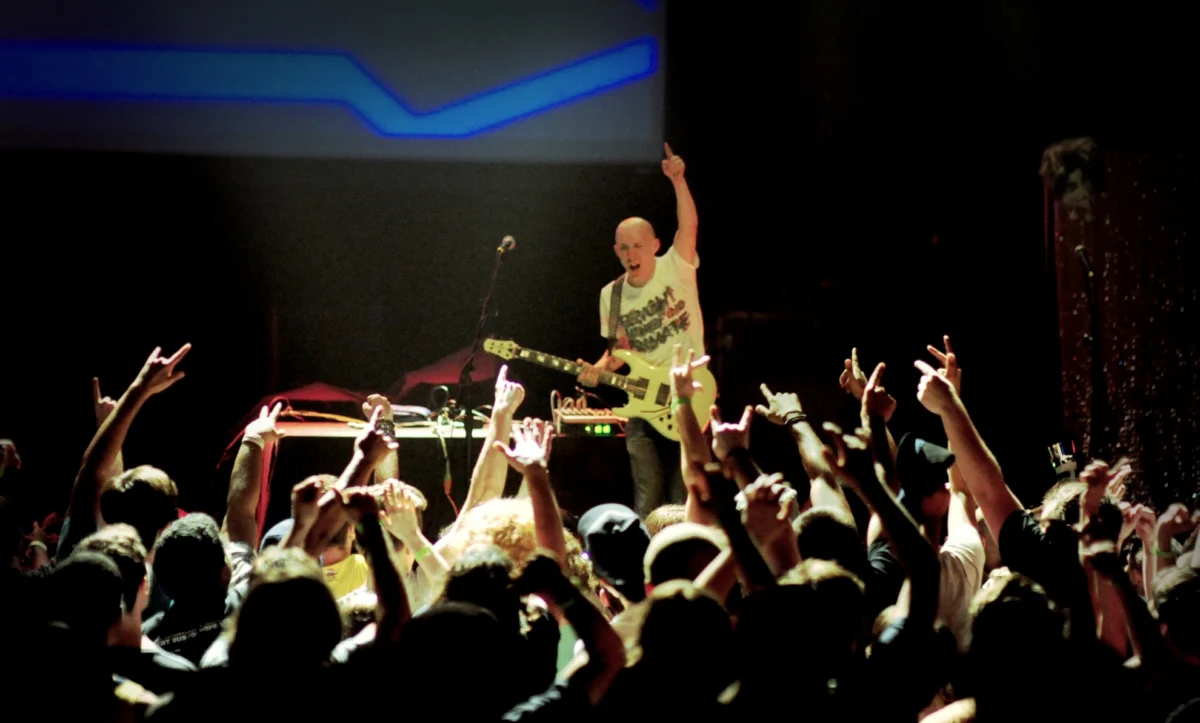
The landscape of modern chiptune is undergoing a significant transformation as Danimal Cannon—the pseudonym of prolific composer and guitarist Danimal—announces his latest solo project, Lunaria. This release marks a major milestone in the artist’s discography, arriving three years after the collaborative efforts heard on Parallel Processing (2013), his joint project with Zef. Lunaria serves as a deliberate synthesis of his long-standing dual identity: the precise, rhythmic constraints of the Nintendo Gameboy and the visceral, expressive potential of the electric guitar. While fans have witnessed this hybridization during his high-energy live performances for years, Lunaria represents the first time this fusion has been captured with such studio-grade cohesion and technical maturity.
A Chronology of Artistic Evolution
To understand the significance of Lunaria, one must examine the trajectory of Danimal Cannon’s creative process. Since the release of his 2011 album Roots, the artist has grappled with the logistical and aesthetic challenges of merging 8-bit synthesis with traditional instrumentation. During the Roots sessions, the integration of guitar and Gameboy hardware proved to be a complex engineering feat. The sonic properties of the Gameboy’s limited sound chip often clashed with the wide, frequency-heavy range of an electric guitar, leading to a fragmented soundscape. Consequently, many tracks on Roots remained guitar-free to preserve the integrity of the composition.
Over the ensuing four years, Danimal embarked on a rigorous period of experimentation, refining his composition techniques to bridge the gap between digital synthesis and analog performance. This period of maturation involved not only technical mastery of the Gameboy as an instrument but also a fundamental shift in songwriting theory. By treating the two mediums as a cohesive unit—a “new band lineup” rather than two competing voices—Danimal has achieved a sound that moves beyond the novelty of chiptune into the realm of progressive metal.
The Conceptual Architecture of Lunaria
Beyond its technical execution, Lunaria is anchored by a complex narrative structure rooted in astrophysics. The album’s thematic foundation is built upon the "giant impact hypothesis," the prevailing scientific theory regarding the formation of the Moon, which posits that a protoplanet named Theia collided with the early Earth approximately 4.5 billion years ago.
Danimal, an avid proponent of scientific literacy and education, sought to translate this geological violence into a musical narrative. By personifying the impactor as a character named "Lunaria," the album functions as a concept record. The title itself is a double entendre: it refers to the character representing the moon and serves as a linguistic nod to the "lunar aria," or a song dedicated to the moon. This thematic layering reflects a trend in independent electronic music where artists are increasingly drawing from scientific discourse to inform long-form narrative arcs.
Collaborative Contributions and Production
The production of Lunaria was a collaborative endeavor, featuring a select group of musicians designed to expand the album’s emotional range. Central to this is the inclusion of vocalist Emily Yancey, whose operatic background provided the specific timbre Danimal required for his celestial protagonist. The collaboration began organically, rooted in the proximity of their living arrangements, where Yancey’s training in classical vocal performance served as a catalyst for the album’s more melodic, atmospheric passages.
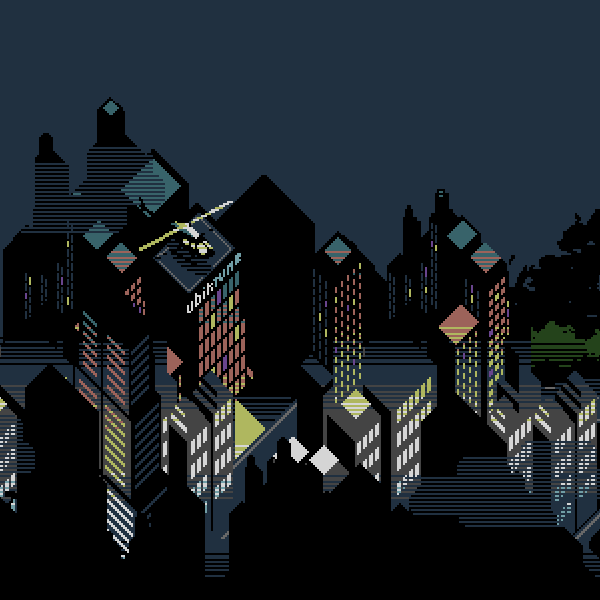
Furthermore, the record features a guest performance by Samuel Ascher-Weiss, professionally known as Shnabubula. Ascher-Weiss, a long-term associate of Danimal who also contributed to the 2011 Roots album, was tasked with interpreting the track "Axis." By stripping the composition of its digital instrumentation and re-arranging it for a traditional grand piano, Ascher-Weiss provided a stark, high-contrast perspective on the album’s most technically demanding piece. This inclusion highlights a growing trend within the chiptune community to explore "crossover" arrangements, proving that compositions born from 8-bit hardware possess a structural integrity that remains valid when transcribed for classical instrumentation. The album also features cover art by Minerva Mopsy, ensuring that the visual identity of the project matches its ambitious conceptual scope.
Influences and Stylistic Synthesis
The stylistic DNA of Lunaria is multifaceted, drawing from an array of genres that rarely intersect. Danimal cites the Shovel Knight original soundtrack as a primary influence, particularly regarding the melodic density of contemporary chiptune. However, the record’s heavy, rhythmic foundation owes a debt to industrial acts such as Nine Inch Nails and KMFDM, which utilize distorted synthesis and abrasive percussion. These heavier elements are tempered by the nuanced, indie-rock sensibilities of Buke and Gase, as well as the choral and orchestral textures characteristic of composers like Eric Whitacre and Wolfgang Amadeus Mozart.
This eclecticism is not merely additive; it is a calculated effort to elevate chiptune into a broader musical conversation. By incorporating these diverse influences, Lunaria avoids the tropes of "nostalgia-bait" that often plague the 8-bit genre, instead focusing on progressive composition. The result is a sound that occupies a middle ground between the technical precision of video game music and the raw intensity of modern progressive metal.
Market Impact and Industry Implications
The release of Lunaria on March 11th serves as a bellwether for the chiptune industry’s current state. The decision to release the album via Bandcamp with physical media—including CDs and high-quality posters—highlights the sustained demand for physical ownership in an era dominated by streaming platforms. The pre-order phase suggests a robust and dedicated fanbase, signaling that independent artists who invest in high-concept, multi-instrumental projects can find success outside of traditional record label structures.
The industry implications are clear: as the barrier to entry for digital music production continues to lower, the "chasm" between bedroom producers and professional, studio-grade performers is widening. Lunaria demonstrates that longevity in this space requires more than just proficiency with hardware; it requires a commitment to iterative improvement and the willingness to integrate disparate musical traditions.
Data and Technical Specs
From a production standpoint, Lunaria represents a significant departure from standard chiptune recording practices. Most chiptune albums are produced through direct-line recording (Direct Input) of the Gameboy hardware. However, the integration of guitar necessitates a complex signal chain to ensure that the Gameboy’s limited frequency output—often centered in the mid-high range—does not compete with the guitar’s fundamental frequencies.
By analyzing the production techniques utilized by Danimal, it is evident that he has employed sophisticated EQ filtering and side-chain compression to allow the two instruments to coexist. This is a critical technical achievement; in many hybrid projects, the guitar often overwhelms the delicate textures of the 8-bit waveforms. By carefully managing the "sonic real estate," Lunaria maintains the distinct "crackle and pop" of the Gameboy while providing the heavy, sustain-rich foundation of a rock production.
Conclusion
As Lunaria prepares for its public release, it stands as a testament to the evolution of the genre. The album is a culmination of years of live performance experience, technical research, and a clear vision for the future of electronic music. By blending the digital constraints of the 1980s and 90s with the sophisticated compositional techniques of the 21st century, Danimal Cannon has crafted a work that challenges listener expectations. Whether analyzed as a conceptual narrative about the origins of our moon or as a technical study in genre-blending, Lunaria is poised to be one of the most significant independent releases of the year. The transition from the collaborative experimentation of Parallel Processing to the focused, singular vision of Lunaria marks a defining moment in the career of one of chiptune’s most influential architects.