Ganda Hendra Perkasa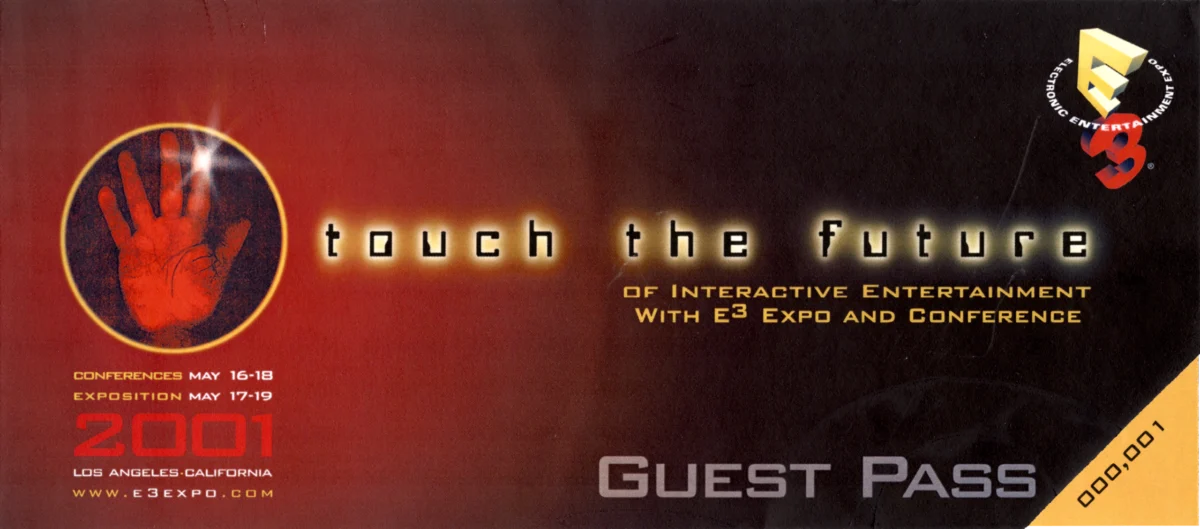
For more than two decades, the Electronic Entertainment Expo (E3) served as the undisputed epicenter of the global video game industry, functioning as a colossal stage where technological leaps, multi-million-dollar marketing campaigns, and cultural milestones collided. Founded in 1995 by the Interactive Digital Software Association (IDSA)—which later became the Entertainment Software Association (ESA)—and Infotainment World, the annual trade show grew from modest industry origins into a multi-day cultural spectacle watched by millions worldwide. Now, as the medium continues to mature, institutions are stepping in to ensure that this ephemeral history is not lost to time. The Video Game History Foundation has announced a major expansion of its digital archive, introducing multiple extensive collections dedicated entirely to the history, documentation, and behind-the-scenes reality of E3.
The newly unveiled digital repositories encompass thousands of pages of event ephemera, hours of rare archival video footage, complete convention directory books spanning over a decade, and day-to-day show newspapers. By making these materials freely accessible to academic researchers, journalists, and enthusiasts, the foundation aims to cement E3’s historical significance within entertainment and technological history. This archival initiative arrives as the industry grapples with the permanent closure of E3, following years of declining manufacturer participation, shifting digital presentation models accelerated by the COVID-19 pandemic, and the official cancellation of the event by the ESA in late 2023.
From the Consumer Electronics Show to a Standalone Spectacle
To understand the cultural magnitude of E3, historians must look back at the state of the technology sector in the early 1990s. Prior to the establishment of E3, video games lacked a dedicated, high-profile platform of their own in North America. Instead, major software publishers and hardware manufacturers showcased their upcoming products at the Consumer Electronics Show (CES). Within the massive halls of CES, video games were treated as a peripheral novelty, forced to share floor space and media attention with consumer electronics, home appliances, televisions, and karaoke machines.
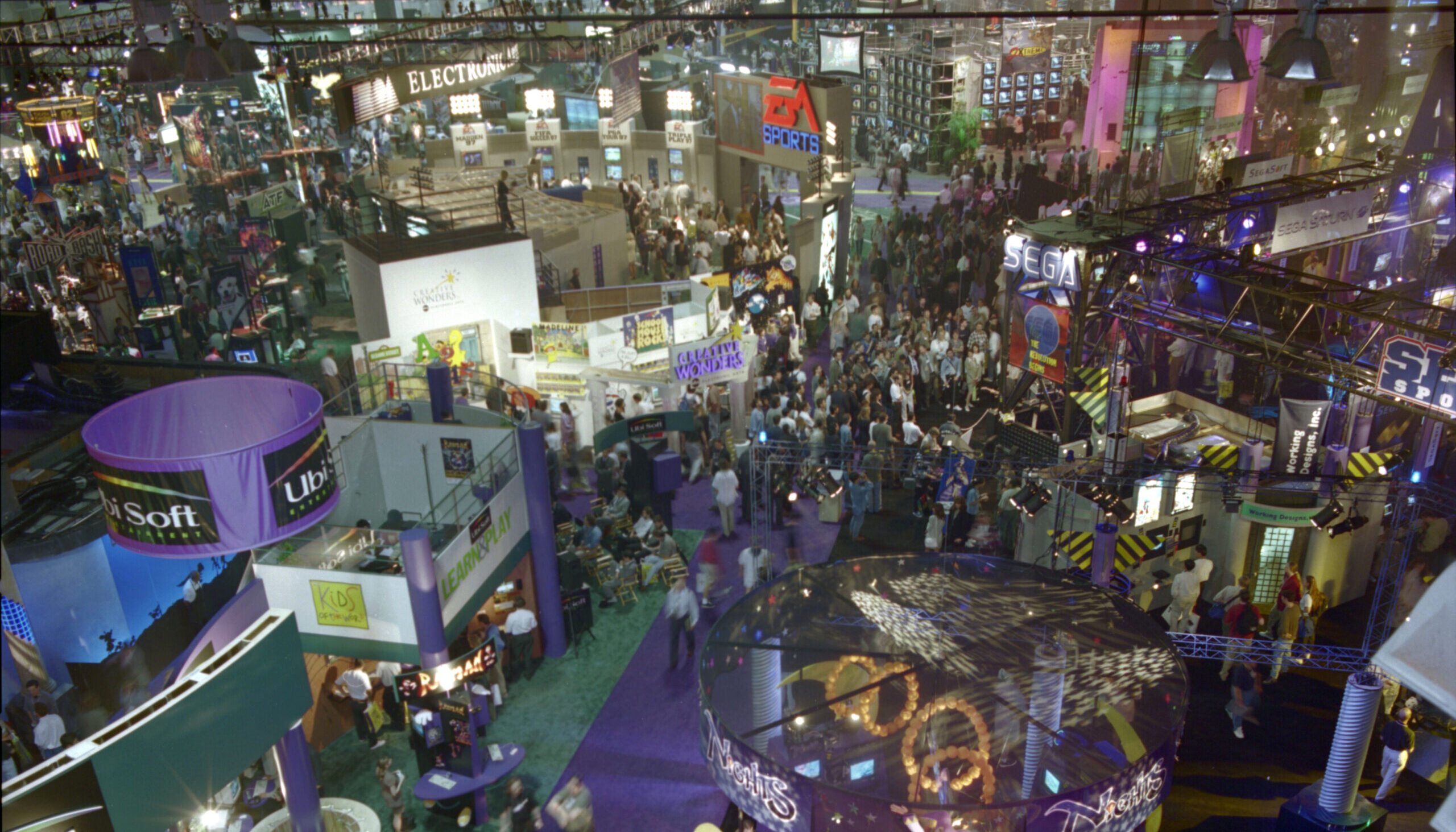
By the mid-1990s, the video game industry was experiencing explosive economic and cultural growth, driven by the transition into the 32-bit era of CD-ROM technology and advanced 3D polygon rendering. Frustrated by lacklustre, low-profile trade show experiences at CES, industry leaders recognized the need for a dedicated venue that could match the commercial weight of Hollywood or the Detroit Auto Show. In 1995, the IDSA launched the inaugural E3 at the Los Angeles Convention Center. The event immediately established itself as a massive sensory experience, utilizing theatrical press conferences, elaborate exhibition booths, and high-stakes console wars to capture the public imagination.
The Carolyn Rauch Event Ephemera Collection
A cornerstone of the foundation’s new archival release is the Carolyn Rauch event ephemera collection. Donated by founding IDSA member Carolyn Rauch, who served as senior vice president overseeing E3 operations for nearly its entire run, the collection comprises over 1,000 pages of internal and public-facing material. Spanning the years 1996 through 2011, the documents include promotional flyers, brochures, official press kits, guest passes, panel transcripts, industry reports, and comprehensive event photographs.
Rauch’s collection offers a rare window into the logistical tightrope walked by organizers, who had to balance mounting public interest with the strict professional demands of a trade-only B2B environment. The documents detail the immense financial investments made by exhibitors, corporate sponsorships—such as the underwriting of convention badge lanyards—and the structural evolution of the industry over fifteen years. Furthermore, the collection includes documentation from the E3 Media & Business Summit, a scaled-down, invitation-only iteration of the event held in Santa Monica in 2007 and 2008 following criticism that the traditional trade shows had become too chaotic and media-saturated.
Unprecedented Visual Archives and Rare Footage
Complementing the documentary evidence is a vast array of digitized video material, most notably the donation of copyrights for nearly 12 hours of early convention footage by attendee Anthony Parisi. Parisi documented the first four E3 conventions using a consumer camcorder, capturing pivotal moments that helped shape modern gaming culture.
The Parisi tapes provide viewers with a time capsule of the mid-1990s, featuring early development builds of titles that would go on to define generations of gaming. Archive users can observe attendees experiencing landmark releases such as Super Mario 64 and Castlevania: Symphony of the Night prior to their commercial retail debuts. Crucially, the collection preserves some of the only known video records of foundational industry keynotes, including the surprise U.S. launch of the Sega Saturn and Sony’s historic pricing announcement for the original PlayStation, where executive Steve Race took the stage simply to state a price of $299 before walking off to thunderous applause.
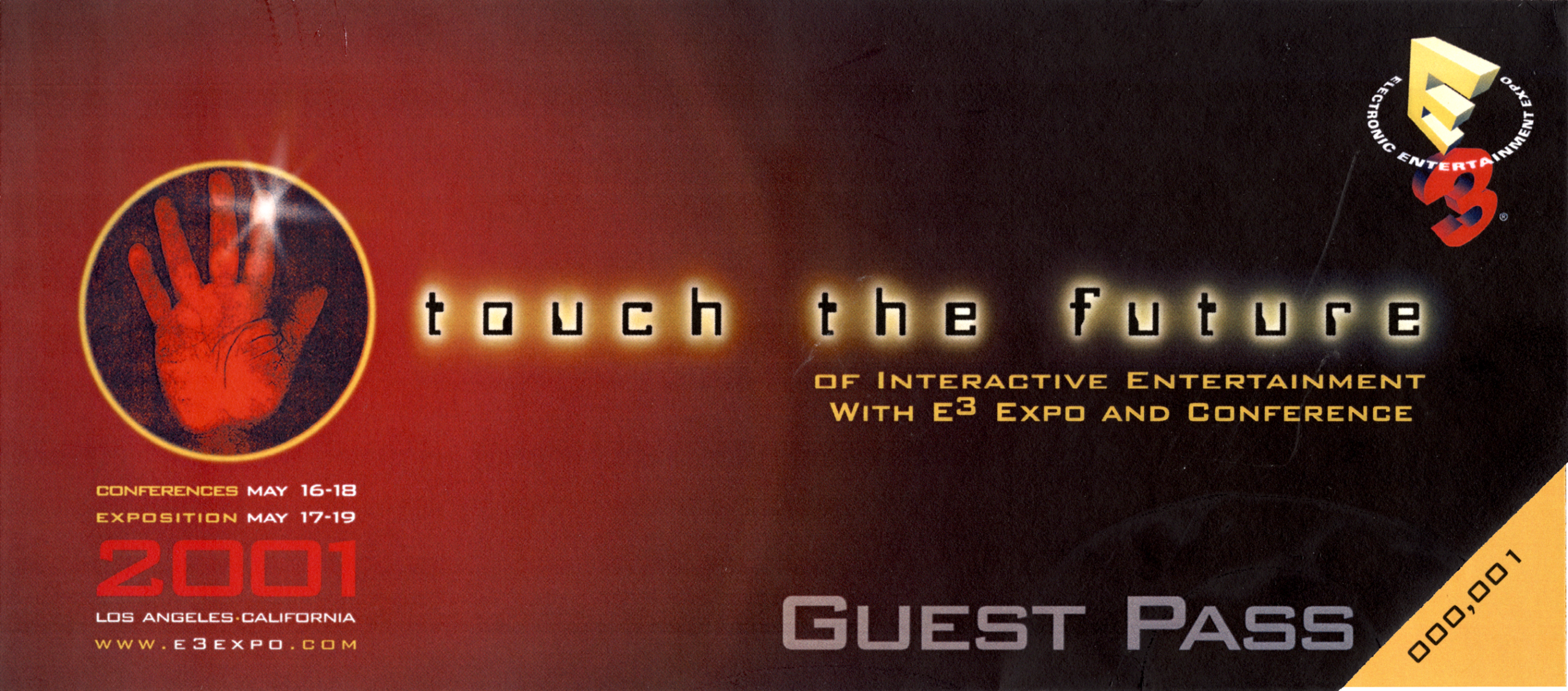
The foundation has also integrated assorted event videos from defunct media outlets such as Subspace Publishers and Tronix Multimedia, alongside direct-feed B-roll distributed to journalists by Nintendo and Sony between 1995 and 1998. Among the standout discoveries in these tapes is 1.5 minutes of high-quality, pre-release gameplay footage of Rareware’s infamously canceled Nintendo 64 project, Conker’s Quest, sourced from a 1997 Nintendo press tape donated by Parisi.
Comprehensive Documentation: Directories and Show Dailies
To provide researchers with structural tools for analyzing the convention floor, the Video Game History Foundation has completed the digitization of all E3 directory books published between 1995 and 2006. Encompassing roughly 2,500 pages, these books feature complete floor maps, exhibitor lists, corporate directories, and conference schedules.
These records are paired with newly scanned editions of the E3 Show Daily from 1995 and 1997. Published on-site during the convention, the daily newspapers served as the journalistic pulse of the event, offering breaking news, exhibitor profiles, and glimpses into the sprawling after-hours corporate events and local nightlife that defined the E3 week in Los Angeles. With these additions, the archive now hosts approximately 1,500 pages of daily reporting from the convention’s history.
Firsthand Perspectives from the Showrunners
To accompany the archive’s launch, the Video Game History Foundation featured interviews with key architects of the convention on its official podcast, including a joint retrospective with Carolyn Rauch and IDSA founder Doug Lowenstein. The discussion chronicled the immense hurdles faced during the establishment of E3 and the strategic pivots required as marketing shifted toward digital streams in the 2000s.
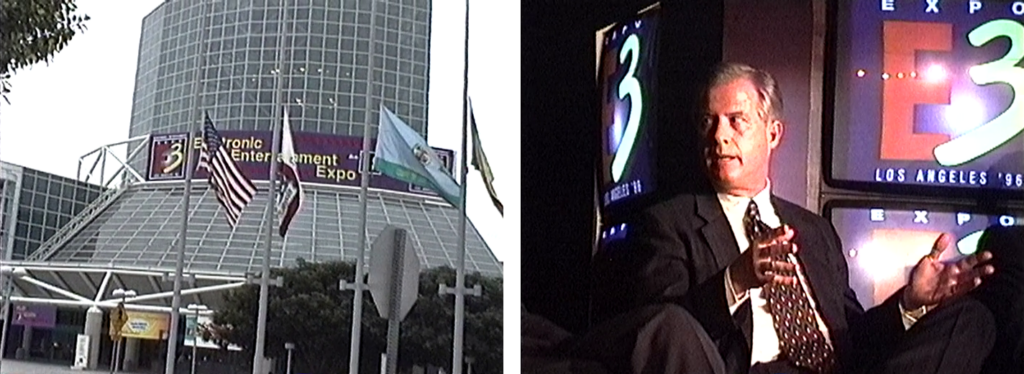
Mary Dolaher, the long-time event director of E3 and eventual CEO of IDG World Expo, who managed the on-the-ground execution of the convention for over two decades, provided reflections on the monumental logistical efforts required to operate the event.
"I was responsible for the day-to-day operations of E3 from its inception to its demise," Dolaher noted in archival statements provided to the foundation. "I oversaw every detail of the event, from rolling the carpet to hanging tanks from the ceiling to making sure garbage cans were placed correctly… E3 was its own world—its own community, its own celebration. We sold every square inch of the LACC and beyond it, into the surrounding hotels and streets."
Dolaher also highlighted programs such as Into the Pixel, an initiative launched at E3 that exhibited video game artwork in formal gallery settings to challenge mainstream cultural perceptions of the medium. Furthermore, she emphasized the convention’s ongoing philanthropic partnerships, including hosting annual visits for children through the Make-A-Wish Foundation.
Implications for Cultural Heritage and Future Scholarship
The systematic preservation of E3’s history addresses a critical vulnerability in the digital entertainment sector. Historically, video game journalism and promotional ephemera have suffered from poor preservation due to their disposable nature, corporate restructuring, and the closure of print publications. By centralizing physical artifacts, video recordings, and administrative documentation into a searchable digital archive, historians are better equipped to analyze how the medium transitioned from a niche hobby into the highest-grossing sector of the global entertainment economy.
The Video Game History Foundation has indicated that the rollout of these E3 collections is part of an ongoing initiative. In the coming weeks, the organization plans to publish further highlights from its catalog alongside retrospective essays penned by industry veterans who attended the foundational 1990s expositions. Through these efforts, the transient spectacle of the convention floor is being transformed into a permanent academic resource, ensuring that the legacy of E3 remains accessible to future generations of analysts, developers, and historians.