Indra Gunadi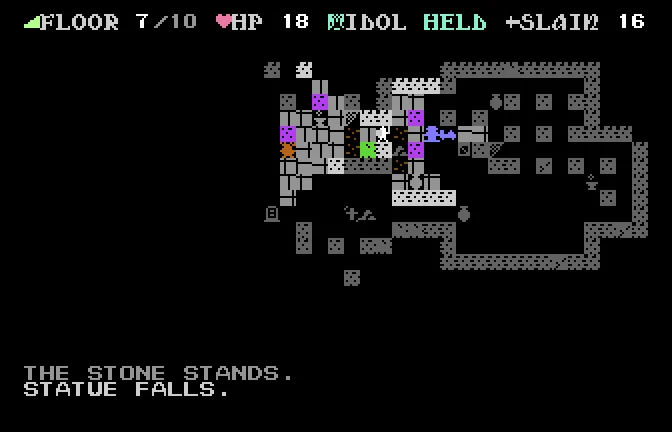
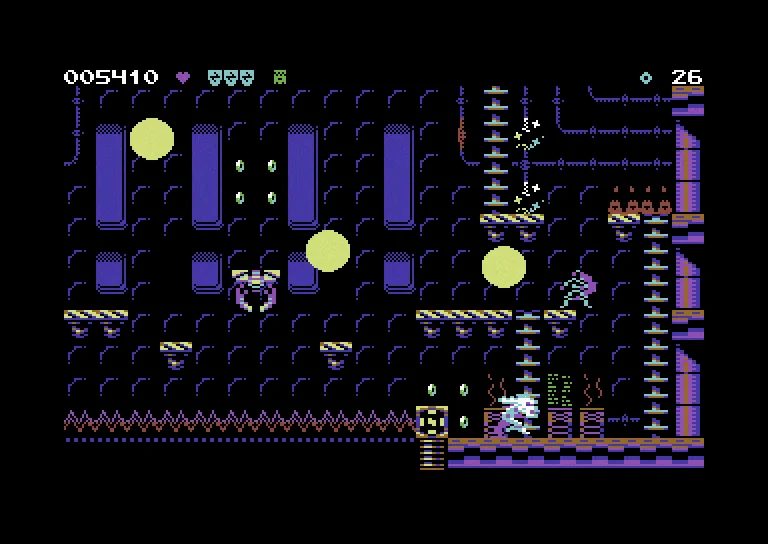
The release of Gloomkeep II: What The Light Wakes on September 18, 2026, marks a significant milestone in the ongoing evolution of the Commodore 64 (C64) homebrew development scene. Developed by the creator known as J5, this turn-based dungeon crawler serves as a sequel to the original Gloomkeep, further cementing the C64’s reputation as a platform with an enduring, albeit niche, lifecycle. In an era dominated by high-fidelity graphical engines and cloud-based gaming, the emergence of a new title for hardware released in 1982 highlights a persistent cultural interest in retro-computing and the technical challenges of developing software within the strict constraints of 8-bit architecture.
Context and Historical Significance of the Commodore 64
The Commodore 64 remains the best-selling single computer model of all time, with estimates suggesting that between 12.5 and 17 million units were sold during its production run from 1982 to 1994. Because of its massive install base, the machine became a foundational platform for the early video game industry. However, the contemporary development community has moved beyond the original intent of the hardware. Today, the C64 scene is characterized by "demake" culture and technical pushing—a trend where modern developers attempt to replicate complex mechanics, such as 3D rendering or sophisticated AI, on hardware that originally featured a 1 MHz processor and 64 kilobytes of RAM.
Gloomkeep II follows in this tradition by introducing mechanics that prioritize atmospheric tension and strategic depth. The game’s premise—that the player’s only source of light acts as a beacon for enemies—is a design choice that leverages the limited screen resolution of the C64 to create a claustrophobic, high-stakes environment.
Chronology of Development and Release
The progression of the Gloomkeep franchise represents a two-year cycle of iterative design. The original Gloomkeep established the core turn-based mechanics and the "lantern" system, which served as a prototype for the more complex systems introduced in the sequel.
- Mid-2024: Initial conceptualization of the Gloomkeep mechanics, focusing on turn-based movement and light-source management.
- Late 2024: Release of the original title, which garnered moderate success within the niche C64 homebrew community and set the stage for a more robust sequel.
- Early 2025: J5 began the transition to a more complex engine, integrating advanced pathfinding and dynamic encounter tables to increase the replayability of the dungeon levels.
- September 2026: Official launch of Gloomkeep II: What The Light Wakes, accompanied by a digital release through PDROMs and other archival platforms.
The release process for such titles has shifted significantly from the era of physical cartridges and cassette tapes. Modern homebrew titles are typically distributed as .PRG or .D64 disk images, allowing users to play them via emulators like VICE (Versatile Commodore Emulator) or on original hardware using flash-memory devices such as the Ultimate64 or the 1541 Ultimate-II+.
Technical Specifications and Design Philosophy
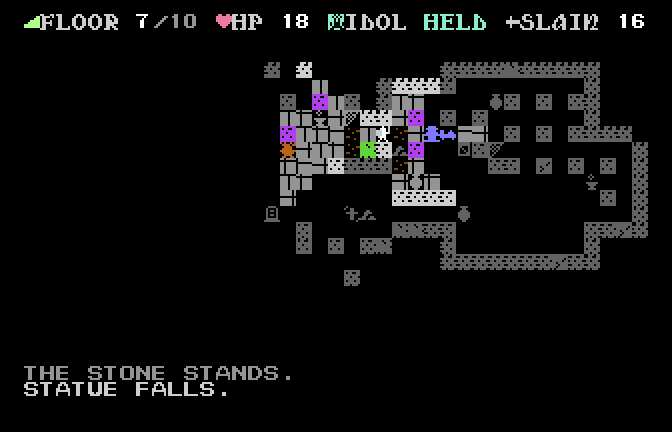
At the heart of Gloomkeep II is the challenge of optimizing code for the MOS Technology 6510 processor. The game features ten distinct floors, each utilizing procedural generation or highly compressed map data to fit within the 64KB memory limit.
Light-Mechanic Architecture
The central design conceit—the lantern—is not merely an aesthetic choice but a fundamental game mechanic. In the code, the light radius serves as a proximity trigger for the AI-controlled entities. When the player moves, the light radius updates the "threat map," a grid-based array that dictates enemy movement patterns. By balancing the need to see the path forward with the risk of attracting hostile entities, J5 has created a feedback loop that requires careful risk assessment, a hallmark of modern roguelike design translated into 8-bit constraints.
AI and Turn-Based Logic
The AI in Gloomkeep II employs basic state-machine logic. Enemies exist in one of three states: Idle, Tracking, or Engaged. The efficiency of this logic is vital; because the C64’s CPU is relatively slow by modern standards, the AI routines must be executed in a way that avoids noticeable input lag or frame-rate drops. The implementation of this logic suggests a sophisticated understanding of assembly language, which remains the standard for high-performance C64 development.
The Role of AI-Assisted Development
A notable aspect of the Gloomkeep II release is the developer’s explicit disclosure of AI-assisted content creation. The documentation notes that AI was utilized for text generation, graphical assets, and code optimization. This is reflective of a growing trend in the indie development space where solo creators use Large Language Models (LLMs) and generative image tools to overcome the resource limitations that typically hinder solo projects.
This integration of AI into retro-development is controversial among some purists who argue that the value of homebrew software lies in the manual craftsmanship of every byte. Conversely, proponents argue that using AI as a force multiplier allows creators to produce more complex and narratively dense experiences, effectively expanding the lifecycle of the C64 platform by reducing the barrier to entry for complex design.
Impact on the Retro-Gaming Market
The release of a new, high-quality title like Gloomkeep II contributes to the stability of the secondary market for retro-computing. The increased activity in the C64 scene has led to a rise in demand for original hardware, which in turn has spurred a secondary industry of modern replacements, such as custom capacitors, modern LCD interfaces, and modern power supply units (PSUs) that replace the notoriously unreliable original Commodore power bricks.
Furthermore, the longevity of these games suggests that the C64 is no longer viewed as a "dead" platform but as a "vintage" platform, comparable to acoustic instruments or analog photography. The community surrounding these releases provides a bridge between the historical significance of the machine and the contemporary indie game development movement.
Broader Implications for Indie Development
The success of Gloomkeep II serves as a case study for developers working in constrained environments. It demonstrates that thematic depth and gameplay innovation are not dependent on the raw power of the hardware. The "dread" described in the game’s marketing material is achieved through design limitations—the player cannot see everything at once, and the resources they use to survive are the very things that put them in danger. This is a classic lesson in game design that often gets lost in the era of high-definition, infinite-view-distance graphics.
As the industry moves toward more complex artificial intelligence and photorealistic assets, the return to 8-bit, turn-based mechanics provides a necessary perspective on the fundamental nature of play. J5’s work on Gloomkeep II proves that the constraints of the 1980s can still foster modern, engaging, and challenging experiences that resonate with a contemporary audience.
Conclusion
Gloomkeep II: What The Light Wakes is a testament to the persistent vitality of the Commodore 64 platform. By blending classic 8-bit architecture with modern design sensibilities and AI-assisted development, J5 has created a title that bridges the gap between the past and the future of gaming. Whether played on an original breadbox-style C64 or a modern emulated environment, the game stands as a reminder that the limitations of hardware often serve as the most effective catalyst for creativity. As the community continues to push the boundaries of what these machines can achieve, titles like Gloomkeep II ensure that the legacy of the Commodore 64 remains vibrant, relevant, and entirely capable of delivering a compelling experience.