Indra Gunadi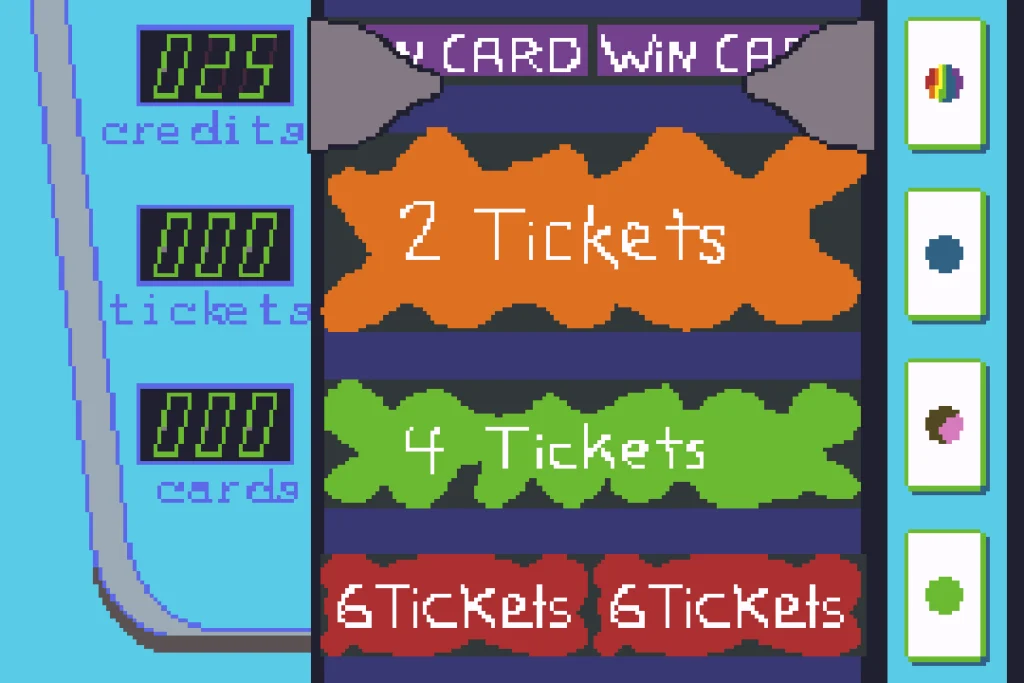
The landscape of retro game development continues to evolve as independent creators push the boundaries of legacy hardware, with the recent release of Cozy Arcade Redemption for the Nintendo Game Boy Advance marking a significant entry in the homebrew simulation genre. Released on September 17, 2026, by developer tarsi, the title offers a specialized arcade simulation experience, effectively bringing the tactile, nostalgic atmosphere of ticket-redemption gaming to a platform that ceased commercial production nearly two decades ago. This release serves as a case study in the enduring vitality of the GBA development scene, which has seen a resurgence in popularity among hobbyists and retro-gaming enthusiasts alike.
The Mechanics of Nostalgia
Cozy Arcade Redemption deviates from the traditional action-adventure or platforming titles that defined the Game Boy Advance library during its commercial lifespan from 2001 to 2008. Instead, the game adopts a simulation-based approach, focusing on the specific mechanics of arcade ticket games. Players are tasked with managing credits to play various simulated machines, accumulating tickets and collectible cards through successful play.
The gameplay loop is designed to be accessible, starting the user with a base of 25 credits. To maintain the flow of the simulation, the developer has implemented a mechanic allowing users to "top up" their credit balance by pressing the L shoulder button. This design choice highlights a shift in homebrew philosophy: prioritizing low-friction, relaxing gameplay—often referred to as "cozy gaming"—over the high-difficulty, skill-intensive challenges that characterized many early 2000s handheld games.
Chronology and the Evolution of GBA Homebrew
The release of Cozy Arcade Redemption occurs during a period of peak activity for the Game Boy Advance homebrew community. While the console was officially discontinued in 2008, the subsequent two decades have seen a robust transition toward community-driven development.
- 2001–2008: The GBA commercial lifecycle, characterized by high-volume releases and the establishment of the platform’s technical limitations.
- 2010–2018: The emergence of specialized development tools, such as devkitARM, which lowered the barrier to entry for amateur developers.
- 2020–2025: A rapid increase in the production of physical homebrew cartridges, fueled by advancements in flash-memory storage and affordable PCB (printed circuit board) manufacturing.
- September 2026: The launch of Cozy Arcade Redemption, demonstrating a focus on niche, simulation-style gameplay rather than traditional arcade clones.
The transition from mere "emulation experiments" to polished, standalone software like tarsi’s latest project reflects a maturation of the development ecosystem. Creators are no longer merely testing the limits of the Z80 or ARM7TDMI processors; they are now crafting experiences that cater to specific sub-genres within the gaming market.
Technical Context and Hardware Constraints
Developing for the Game Boy Advance requires navigating significant hardware constraints that have remained constant since its debut. The system features a 32-bit ARM7TDMI processor running at 16.78 MHz and a modest 32KB of internal WRAM (Work RAM). Despite these limitations, the GBA is capable of rendering impressive 2D graphics, which Cozy Arcade Redemption utilizes to simulate the visual aesthetic of a modern-day ticket arcade.
The challenge for developers like tarsi lies in optimizing assets to fit within the memory constraints of a standard GBA ROM, which typically ranges from 4MB to 32MB. By focusing on a simulation mechanic, the developer likely prioritizes frame rate stability and clear UI elements over complex sprite animations. This technical efficiency is a hallmark of the current generation of homebrew development, where the focus is increasingly on the "feel" of the game rather than the sheer technical spectacle.
Market Trends and the Homebrew Economy
The emergence of games like Cozy Arcade Redemption is part of a larger trend in the retro gaming market. According to recent industry reports on the independent software sector, the demand for "physical media" for legacy consoles has grown by an estimated 15% annually over the last five years. This trend is driven by a demographic of collectors who value the tangibility of a cartridge-based experience.
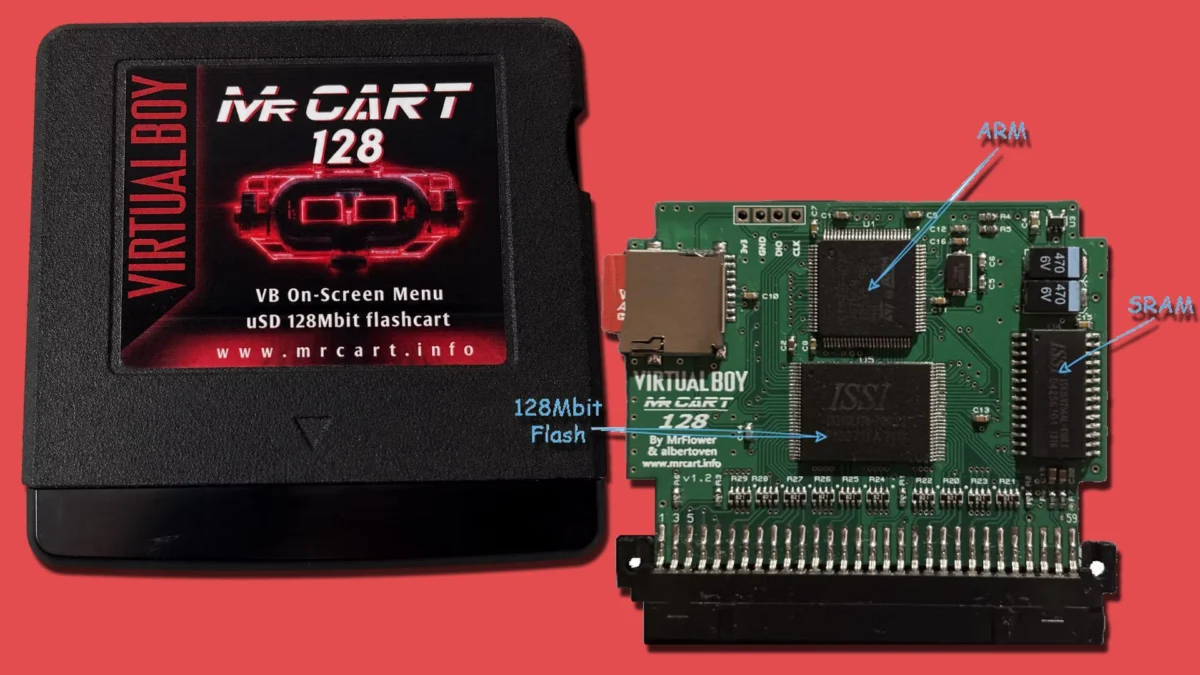
While the developer tarsi has made the software available via digital download, the existence of such titles often creates secondary markets for physical production. Several third-party companies now specialize in printing custom labels and manufacturing PCBs that allow these homebrew games to be played on original hardware. This ecosystem provides a secondary life for Game Boy Advance consoles, effectively transforming them into portable simulation devices.
Industry Perspectives on Niche Development
Industry analysts observe that titles like Cozy Arcade Redemption provide a vital service to the long-term preservation of gaming history. By keeping the development tools for these consoles active, the homebrew community ensures that the technical expertise required to maintain these systems is passed down to new generations of programmers.
"The work being done on the GBA in 2026 is arguably more creative than the commercial work done in 2002," notes an independent software researcher. "Developers are no longer bound by publisher requirements or demographic targeting. They are making the games they want to play, which has led to a diversification of genres that the original hardware never saw in its commercial prime."
Implications for Future Development
The implications of Cozy Arcade Redemption are two-fold. First, it demonstrates that even highly specific, niche simulations can find an audience within the retro community. Second, it proves that the L-button "top-up" mechanic—an accessibility feature—can be seamlessly integrated into legacy hardware, suggesting that modern quality-of-life improvements are compatible with older design frameworks.
As the development community looks toward the future, the success of such titles suggests that the GBA will remain a platform of choice for indie developers for years to come. The ability to iterate on a portable, battery-efficient, and highly capable 32-bit architecture continues to offer a compelling sandbox for those interested in the history of handheld gaming.
Conclusion
Cozy Arcade Redemption stands as a testament to the dedication of the homebrew community. By blending the constraints of 2000s-era hardware with the contemporary desire for "cozy" simulation experiences, tarsi has contributed a unique title to the Game Boy Advance catalog. As these projects continue to surface, they serve as a reminder that the lifespan of a console is not determined by its manufacturer, but by the developers and players who continue to find value in its hardware long after the final factory shipment has left the warehouse.
The ongoing documentation and preservation of these releases are essential for understanding the trajectory of interactive media. Whether through digital emulation or on original hardware, the release of this game ensures that the Game Boy Advance remains a relevant and evolving platform in the global gaming discourse. Future releases will likely continue to challenge the perceived boundaries of the hardware, ensuring that the legacy of this iconic handheld persists well into the next decade.