Johny Imanuel
The Evolution of the Rose & Camellia Collection
Among the most immediate news items from the presentation was the announcement of a major content update for the Rose & Camellia Collection. Developed by Nigoro—the studio famed for the La-Mulana series—the collection is a compilation of stylized "slapping" games that originated as Flash titles. The collection, which currently enjoys popularity on the Nintendo Switch for its unique use of motion controls to simulate high-society duels, will receive a comprehensive online multiplayer update in June 2026.
This update represents a significant technical milestone for the title. Historically, the Rose & Camellia games were designed as single-player experiences centered around a satirical take on aristocratic melodrama. The introduction of online battles allows players to engage in competitive slapping matches globally, a feature that fans have requested since the collection’s initial console debut. Industry analysts suggest that this move is intended to extend the lifecycle of the game by fostering a competitive community, leveraging the "weirdness" factor that often leads to viral success on streaming platforms. The update is expected to include ranked matchmaking and stability improvements to ensure that the timing-based mechanics remain fair across varying network conditions.
Strategic Platform Distribution and Hardware Transitions
The May 2026 showcase provided a clear look at Playism’s platform strategy for the next 18 months. Of the ten titles featured, the distribution is heavily weighted toward the PC market, reinforcing Steam’s position as the primary incubator for Japanese indie talent. However, the presentation also highlighted a cautious but deliberate expansion into the console market, specifically targeting the "Switch 2" (Nintendo’s successor console) and the PlayStation 5.
Seven of the announced titles are slated for release within the 2026 calendar year, while the remaining three are scheduled for 2027. This staggered release schedule suggests a desire to avoid internal competition while maintaining a consistent presence in the digital storefronts. Notably, DevilConnection was confirmed as a standout title for the Switch 2, slated for a late 2026 release. This confirms that Japanese indie developers are beginning to gain access to the development kits for Nintendo’s next-generation hardware, prioritizing the platform’s portability which has historically been a perfect match for doujin titles.
Simultaneously, the award-winning mystery title No Case Should Remain Unsolved is making its transition to the PlayStation 5 in the third quarter of 2026. Originally a critical darling on PC, its migration to Sony’s ecosystem indicates Playism’s intent to bring "prestige" indie experiences to home console audiences who may have missed the initial digital launch.
A Detailed Breakdown of the 2026-2027 Slate
The titles showcased during the event span a wide array of genres, from traditional bullet-hell shooters to avant-garde narrative experiments. While specific release dates for many of these titles remain under wraps, the genre diversity reflects Playism’s role as a curator of unique creative voices.
2026 Releases: The Immediate Horizon
The seven titles scheduled for 2026 focus on high-engagement mechanics and atmospheric storytelling.
- DevilConnection (Switch 2, PC): A stylish action-RPG that leans heavily into the "neo-Tokyo" aesthetic. Its inclusion on the Switch 2 suggests it will utilize the increased processing power to deliver more complex particle effects and smoother frame rates than previously possible on handheld hardware.
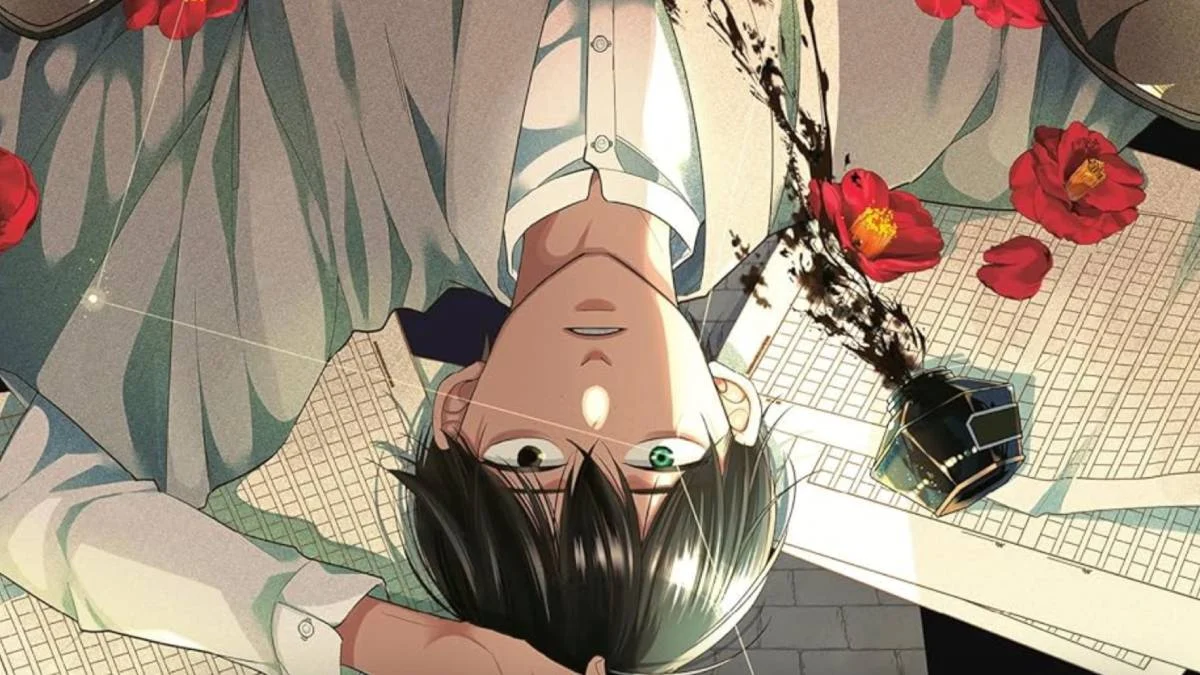
- No Case Should Remain Unsolved (PS5): A detective procedural that uses a non-linear memory-linking mechanic. The PS5 port is expected to utilize the DualSense controller’s haptic feedback to enhance the "sensory" aspect of the investigation.
- Unnamed Horror Project: A lo-fi, first-person psychological horror game that follows the trend of "PS1-style" aesthetics currently popular in the indie scene.
- Action-Platformer A fast-paced 2D title emphasizing "frame-perfect" movement, targeting the speedrunning community.
- Experimental Narrative Sim: A game focused on the mundane aspects of life in rural Japan, utilizing a unique hand-drawn art style.
- Bullet-Hell Shmup: A return to the roots of the doujin scene, featuring intricate patterns and a high difficulty ceiling.
- Puzzle-Adventure Hybrid: A title that combines environmental puzzles with a deep, philosophical script.
2027 Outlook: Long-Term Development
The three titles teased for 2027 appear to be more ambitious in scope, potentially requiring longer development cycles to polish their mechanics for a multi-platform release. These games are currently being developed primarily for PC, though Playism hinted at potential console ports depending on the market reception of the 2026 lineup.
The Cultural Significance of the Doujin Scene
To understand the weight of the Playism Game Show, one must consider the historical context of the Japanese doujin scene. Unlike Western indie games, which often start with the goal of commercial viability, doujin games are born from a culture of "hobbyist" creation, often debuting at events like Comiket. Playism acts as the bridge between these creators and the professional global market, providing localization, marketing, and porting services that these small teams could not manage independently.
The 2026 showcase demonstrates that this pipeline is healthier than ever. By focusing on titles like Homura Hime—which recently saw a successful launch on Switch 2 and PC—and Dyping Escape, Playism is proving that doujin games can compete on a technical level with mid-tier professional studios while retaining their idiosyncratic charm. The publisher’s focus on "world-building" and "authorial voice" remains a primary draw for its international fanbase.
Industry Implications and Market Analysis
The emphasis on PC as the lead platform for the majority of these titles reflects a broader trend in the Japanese gaming industry. Historically, Japanese developers prioritized home consoles or handhelds. However, the global success of Steam has shifted the paradigm. By releasing primarily on PC first, Playism allows these titles to find an audience and generate revenue before committing to the expensive process of console certification and optimization.
Furthermore, the mention of the "Switch 2" as a target platform for DevilConnection is a significant indicator of the industry’s direction. It suggests that the indie sector is ready to embrace the next generation of hardware, moving away from the technical limitations of the original Switch. This transition is crucial for developers who want to experiment with more complex physics engines or high-fidelity 3D assets while maintaining the portability that Japanese gamers, in particular, value.
Reaction from the Developer Community
While official statements from all ten developers were not released simultaneously, the general sentiment expressed during the Playism Game Show was one of cautious optimism. Nigoro’s lead developers expressed excitement over the Rose & Camellia update, noting that the "spirit of competition" was always part of the game’s DNA, even when it was just a simple browser game.
International fans have responded positively to the news of No Case Should Remain Unsolved coming to PS5, as the title gained a significant following for its emotional depth and innovative UI. The consensus among the community is that Playism continues to curate a "boutique" experience, choosing quality and uniqueness over mass-market appeal.
Conclusion and Future Prospects
The May 2026 Playism Game Show reaffirms the publisher’s status as a vital curator in the gaming landscape. By balancing immediate updates for fan favorites like Rose & Camellia with a forward-looking slate of new IPs for 2026 and 2027, Playism is ensuring that the unique voice of the Japanese doujin scene remains audible in an increasingly crowded market.
As the industry moves toward the latter half of the decade, the success of these ten titles will likely depend on how well they can leverage new hardware capabilities while staying true to the creative freedom that defines independent development. For now, fans have a clear timeline of what to expect, starting with the slap-filled competitive arenas of Rose & Camellia this June, followed by a diverse array of experiences that promise to challenge and entertain through 2027.