
 Farhan hamdan
The specialized retro hardware engineering firm, Zaxour, has announced another round of pre-orders for its highly anticipated, #nocutmod power supply replacement solution specifically designed for the Pioneer LaserActive CLD-A100 multimedia player. This meticulously engineered upgrade leverages the modern USB-PD (Power Delivery) standard, requiring a robust 20V/5A, 100W USB-PD adapter for optimal performance. Priced at $165 plus shipping, these premium power supply units are projected to commence shipping to customers in early Summer 2026, offering a vital lifeline to one of retro gaming’s most unique and challenging-to-maintain systems. The solution, highlighted and endorsed by prominent retro hardware authority RetroRGB, underscores a growing commitment within the enthusiast community to preserve and extend the operational life of historically significant, yet aging, electronic devices.
The Pioneer LaserActive: A Glimpse into Multimedia History
To fully appreciate the significance of Zaxour’s power supply solution, it is essential to understand the Pioneer LaserActive CLD-A100 itself. Launched in Japan in 1993 and subsequently in North America, the LaserActive was a pioneering multimedia player that represented an ambitious convergence of technologies during the early 1990s. At its core, the CLD-A100 was a sophisticated LaserDisc player, but its true innovation lay in its modular design. Through interchangeable "PACs" (Pioneer Active Cartridges), users could transform the system into a platform for various interactive experiences, including gaming modules for the Sega Mega Drive/Genesis (LD-ROM2 PAC) and the NEC PC Engine/TurboGrafx-16 (LD-ROM² PAC), as well as karaoke, educational, and interactive movie content.
The LaserActive was a technological marvel for its time, boasting capabilities far beyond conventional video game consoles. It leveraged the large storage capacity of LaserDiscs to deliver full-motion video (FMV) and high-quality audio, creating immersive experiences that were largely unprecedented. However, its advanced nature came with a significant drawback: its prohibitive price point. With the base unit costing around $970 at launch (equivalent to over $2,000 in 2024, adjusting for inflation) and PACs adding hundreds more, the LaserActive remained a niche product, primarily appealing to affluent early adopters and technology enthusiasts. Its commercial lifespan was relatively brief, overshadowed by the rise of CD-ROM based consoles and the impending shift to digital media. Despite its limited market penetration, the LaserActive has garnered a cult following among collectors and preservationists due to its technological ambition, unique game library, and historical significance as a precursor to multimedia entertainment systems.
Engineering Excellence for Enduring Performance
The longevity of vintage electronics, particularly complex systems like the LaserActive, is a constant concern for collectors. Original power supplies, designed for a different era of electrical engineering and manufacturing, are often among the first components to fail. Over decades, electrolytic capacitors dry out, voltage regulators drift out of spec, and internal components degrade due leading to unstable power delivery, excessive heat, and ultimately, system failure. This is where Zaxour’s replacement power supply for the CLD-A100 proves invaluable.
Zaxour has established a reputation within the retro gaming community for producing high-quality, meticulously engineered hardware modifications, with a strong emphasis on reliability and preservation. The "#nocutmod" designation is particularly significant, indicating that the installation requires no permanent alterations or irreversible damage to the original console’s casing or internal structure. This approach is highly valued by collectors who prioritize maintaining the originality and resale value of their vintage hardware.
The adoption of the USB-PD standard represents a forward-thinking design choice. USB-PD is a universal power delivery specification that allows for higher power transfer over USB-C cables, offering several advantages over proprietary power solutions. These include enhanced safety features, greater efficiency, and the widespread availability of compatible, high-quality power adapters. By specifying a 20V/5A, 100W input, Zaxour ensures that the replacement PSU can reliably provide ample and stable power to all components of the LaserActive, including any attached PAC modules. This robust power delivery is crucial for preventing performance issues, extending the life of internal components, and safeguarding against potential damage that can arise from underpowered or unstable original PSUs. The $165 price point, while seemingly high, reflects the specialized engineering, high-quality components, and limited production runs inherent in manufacturing solutions for niche vintage hardware markets. As the article notes, this is a "get what you pay for" solution, emphasizing quality and longevity over cost-cutting.
Navigating the Pre-Order and Installation Landscape
The current pre-order phase, accessible via Ko-fi, represents another opportunity for LaserActive owners to secure this critical upgrade. With an anticipated delivery window in early Summer 2026, prospective buyers are given a clear timeline for planning their console refurbishment projects. The extended lead time is typical for highly specialized retro hardware manufacturing, which often involves sourcing specific components, meticulous assembly, and thorough quality control processes in smaller batches.
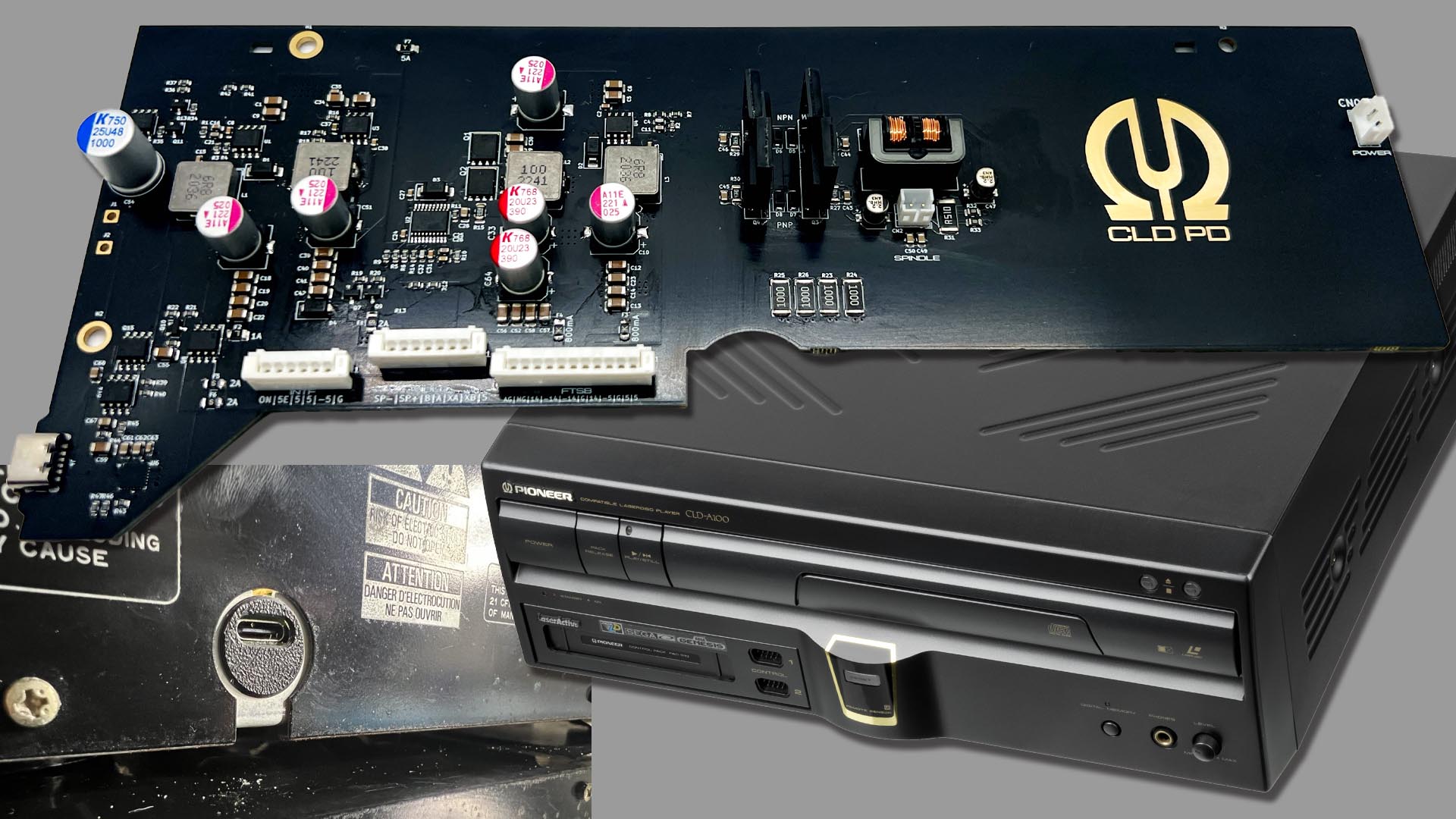
A key recommendation accompanying the pre-order is the use of a high-quality, reputable USB-PD power supply unit. While the Zaxour PSU converts the USB-PD input to the specific voltages required by the LaserActive, the stability and cleanliness of the initial power source are paramount. Investing in a reliable USB-PD adapter, such as the one linked by RetroRGB, mitigates potential issues and ensures the entire power chain is robust.
The installation process itself, while designed to be as user-friendly as possible by Zaxour, introduces a common challenge associated with working on electronics that are over three decades old: the fragility of internal components, particularly ribbon cables. The reviewer from RetroRGB detailed an experience during an installation where issues arose not from the new PSU, but from the console’s original ribbon cables. These flat, flexible cables, made of materials that degrade over time due to heat cycling, humidity, and general aging, can become brittle and prone to cracking or developing intermittent connections when disturbed. The analogy to Core Grafx units, which suffer from similar ribbon cable degradation, highlights this as a widespread problem in vintage Japanese electronics from that era. The "massaging" and careful affixing of the ribbon cable to restore functionality underscores the delicate nature of these repairs and the patience required.
The Perils of Time: Ribbon Cable Degradation
The degradation of ribbon cables in vintage electronics like the Pioneer LaserActive CLD-A100 is a well-documented phenomenon that presents a significant hurdle for repair and modification efforts. These cables, critical for transmitting data and power between various circuit boards, were often manufactured using materials that, while suitable for their intended lifespan in the 1990s, were not designed for multi-decade longevity. Over 30 years, factors such as sustained heat from internal components, environmental humidity fluctuations, and simple material fatigue cause the plastic insulation and conductive traces within these cables to become brittle. When an old system is opened for maintenance or modification, the act of simply moving or flexing these aged ribbon cables can cause micro-fractures in the traces or lead to complete breaks, resulting in intermittent functionality or total system failure. This is precisely the "chasing ghosts" scenario described by the reviewer, where the problem isn’t immediately obvious and requires painstaking troubleshooting. The experience of needing to "massage" and re-seat the cables multiple times to achieve a stable connection is a common tale among retro hardware technicians. This issue is not unique to the LaserActive; similar problems plague other vintage consoles and electronics, including the aforementioned PC Engine Core Grafx, highlighting a universal challenge in the preservation of early 1990s hardware.
Strategic Maintenance for Long-Term Preservation
Given these challenges, the article offers invaluable strategic advice for LaserActive owners. The primary recommendation is to integrate the Zaxour PSU replacement into a comprehensive refurbishment plan for the console. If a LaserActive unit is already being opened for other maintenance, such as capacitor replacement (re-capping), laser adjustment, or general cleaning, it is the opportune moment to install the new power supply. This minimizes the number of times the fragile internal components, especially the ribbon cables, need to be disturbed, thereby reducing the risk of introducing new issues. A holistic approach to restoration ensures that multiple potential points of failure are addressed simultaneously, leading to a more stable and reliable system for years to come.
For owners whose LaserActive units have already undergone refurbishment and are currently operational, the decision to install the Zaxour PSU is more nuanced. While having a high-quality spare PSU is always prudent, the advice suggests holding off on immediate installation unless the original power supply begins to show signs of failure or if other modifications necessitate opening the console. This cautious approach acknowledges the inherent risk of disturbing fragile, 30-year-old ribbon cables in an otherwise functional system. The benefit of a proactive upgrade must be weighed against the potential for inadvertently damaging other components. This balanced perspective empowers enthusiasts to make informed decisions about their maintenance strategies, prioritizing the long-term health of their rare hardware.
Broader Implications for Retro Gaming Preservation
The availability of Zaxour’s USB-PD power supply for the Pioneer LaserActive CLD-A100 extends beyond a mere product announcement; it signifies a critical development in the broader field of retro gaming preservation. As vintage consoles and multimedia players continue to age, the challenges of maintaining them become increasingly complex. Original components fail, replacement parts become scarce, and the specialized knowledge required for repairs diminishes. Companies and individuals like Zaxour and platforms like RetroRGB play an indispensable role in this ecosystem by:
- Extending Hardware Longevity: By engineering modern, reliable replacements for common failure points, they directly contribute to keeping historically significant hardware operational for future generations. This is crucial for systems like the LaserActive, which represent unique technological milestones.
- Promoting Sustainability: Instead of discarding broken vintage electronics, these solutions enable repair and continued use, aligning with principles of sustainability and reducing electronic waste.
- Empowering the Community: By providing accessible, well-documented solutions, they empower enthusiasts, modders, and collectors to maintain their own collections, fostering a self-sustaining community of preservationists. The detailed installation video, despite its length, serves as a valuable educational resource.
- Driving Innovation: The adoption of modern standards like USB-PD in retro hardware demonstrates an innovative approach to solving old problems with new technology, ensuring future compatibility and reliability.
- Valuing Expertise: The premium pricing for such specialized solutions reflects the significant investment in research, development, and high-quality manufacturing required. It also acknowledges the specialized expertise and dedication of engineers working in this niche market.
In conclusion, Zaxour’s latest pre-order round for the LaserActive CLD-A100 USB-PD power supply is more than just a product release; it is a testament to the ongoing dedication within the retro gaming community to preserve and celebrate technological history. By offering a high-quality, non-invasive solution to a critical hardware vulnerability, Zaxour is not only extending the life of a cult classic multimedia player but also reinforcing the foundations of the retro hardware preservation movement. The initiative highlights the intricate balance between technological advancement and historical reverence, ensuring that these iconic machines can continue to be enjoyed and studied for decades to come.








