Retno Hari Mulyono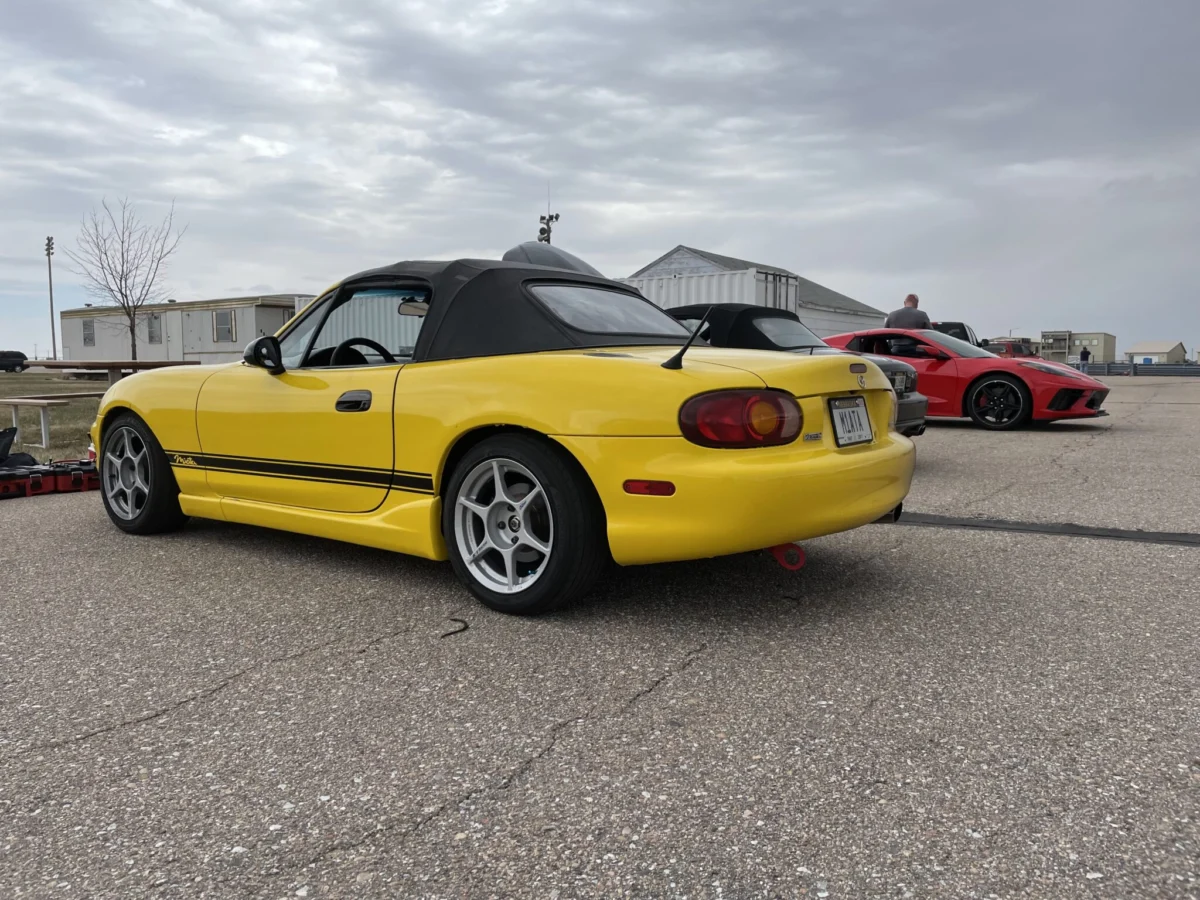
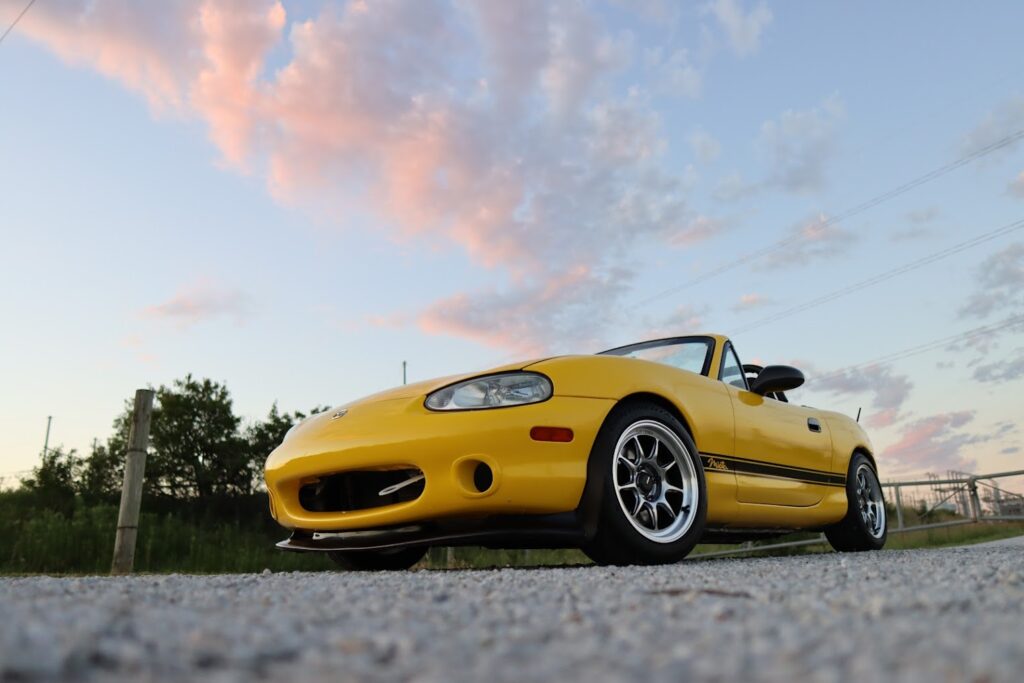
The second year of ownership for a 1999–2005 Mazda MX-5 Miata, specifically the second-generation "NB" model, represents a pivotal transition point from a standard road-going convertible to a dedicated grassroots motorsports platform. Between March 2022 and March 2023, the development of one such vehicle underscored the intersection of mechanical engineering, driver education, and the logistical challenges inherent in amateur racing. Through a series of technical upgrades, competitive events, and a significant on-track incident, the project serves as a case study for the performance potential and resilience of the NB chassis.
The Resumption of the Racing Season and Driver Development
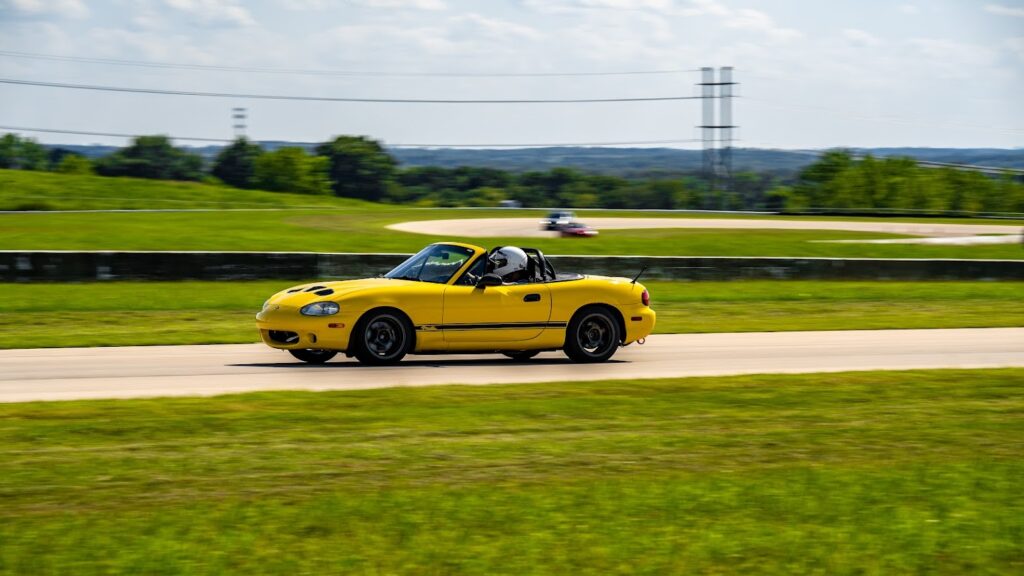
The 2022 driving season commenced on March 19 at Raceway Park of the Midlands (RPM). This facility, known for its challenging, undulating surface and technical layout, served as the primary testing ground for the vehicle throughout the year. While mechanical modifications were a constant variable, the primary driver of performance gains during this period was identified as "driver mod"—the systematic improvement of the operator’s skill set.
At the start of the season, the vehicle was frequently overtaken in slower run groups. However, through eight dedicated track days at RPM, the operator achieved a cumulative lap time improvement of 11.29 seconds over a seven-month period. This progression highlights the Miata’s reputation as an ideal "trainer" car, providing high-fidelity feedback that allows drivers to find the limits of adhesion without the masking effects of excessive horsepower.
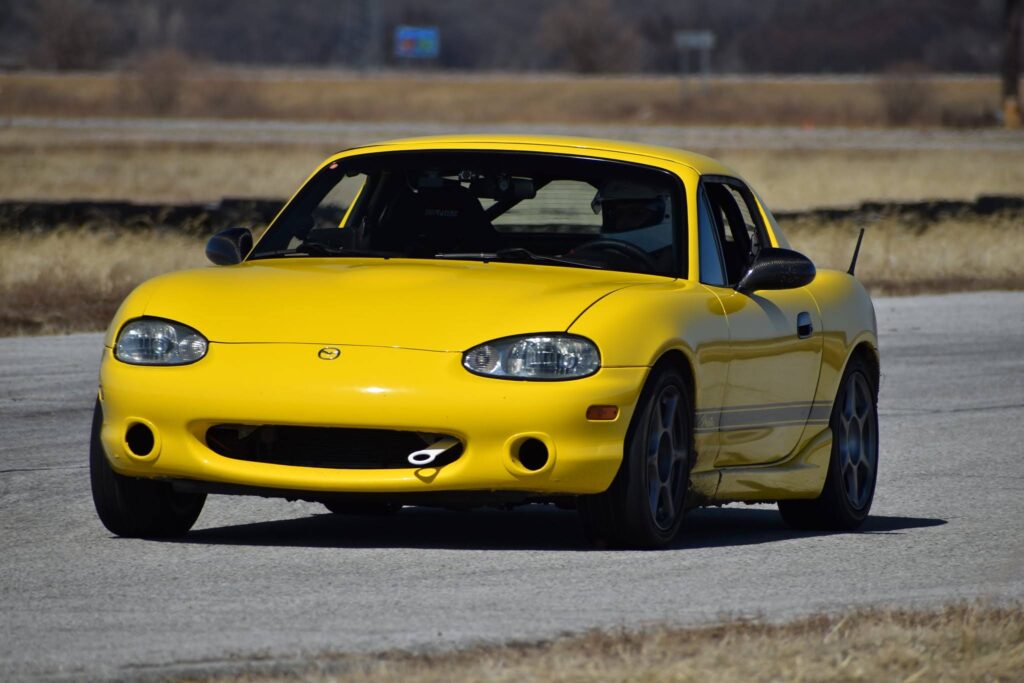
In April, the project expanded its geographic reach to Motorsports Park Hastings (MPH). The contrast between facilities provided critical data on chassis behavior. While RPM offers a rough, patched surface that tests suspension compliance, MPH features a freshly paved, smooth asphalt surface and superior paddock amenities. This change in environment allowed for a more refined analysis of the vehicle’s setup, which remained largely consistent with the March configuration, including the use of Hankook RS4 tires—a staple in the endurance and track-day community for their longevity and heat-cycle resilience.
Exterior Restoration and Logistical Innovations
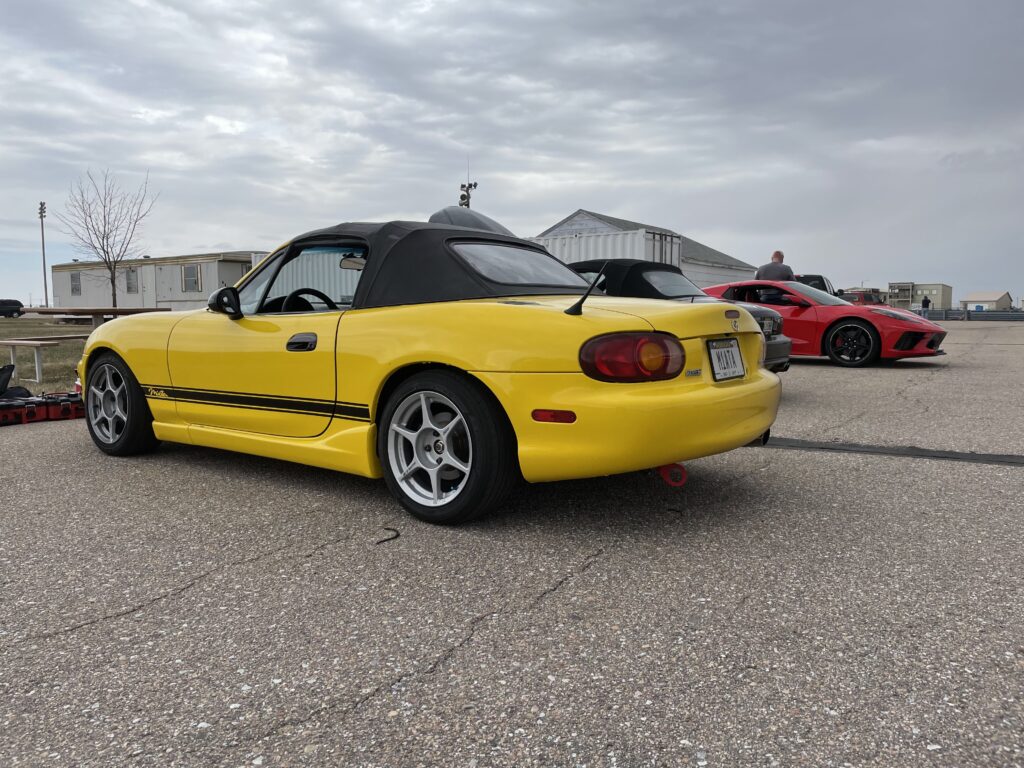
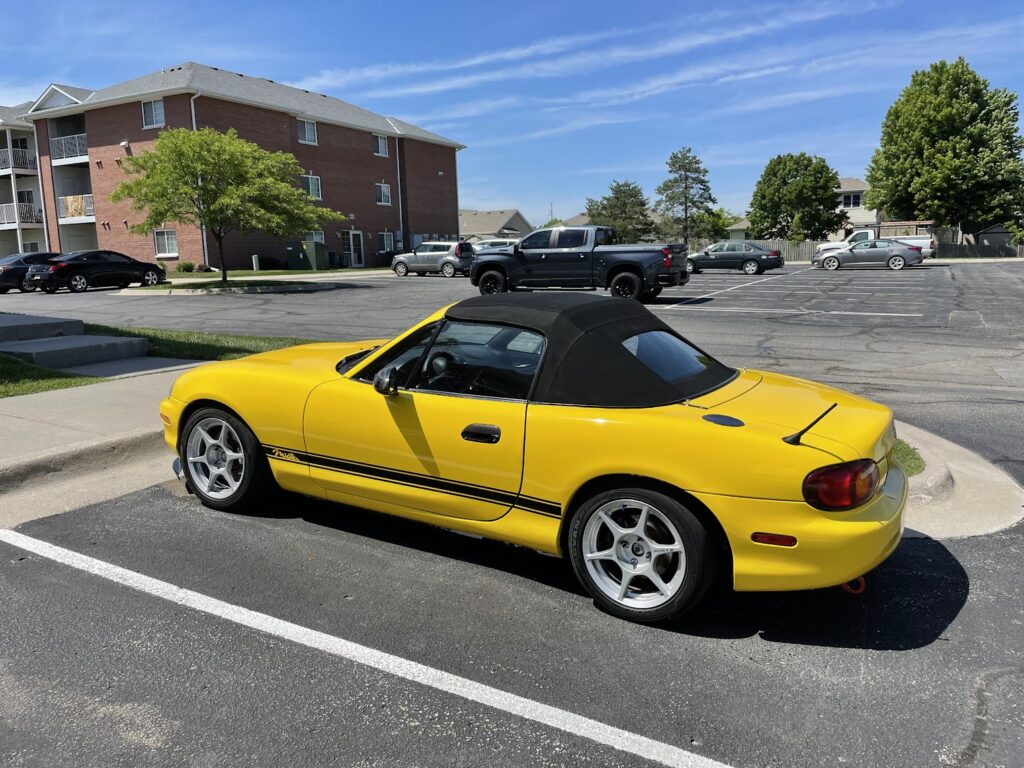
Beyond performance, the structural integrity and utility of the vehicle saw significant upgrades in the second quarter of the year. In May, a new Robbins soft top, featuring canvas material and a zippered glass window, replaced the aging, patched vinyl unit. The installation process involved a junkyard-sourced frame, allowing for a complete assembly swap. Technical experts note that canvas tops offer superior durability and aesthetic longevity compared to factory vinyl, particularly in varying temperatures where vinyl is prone to cracking.
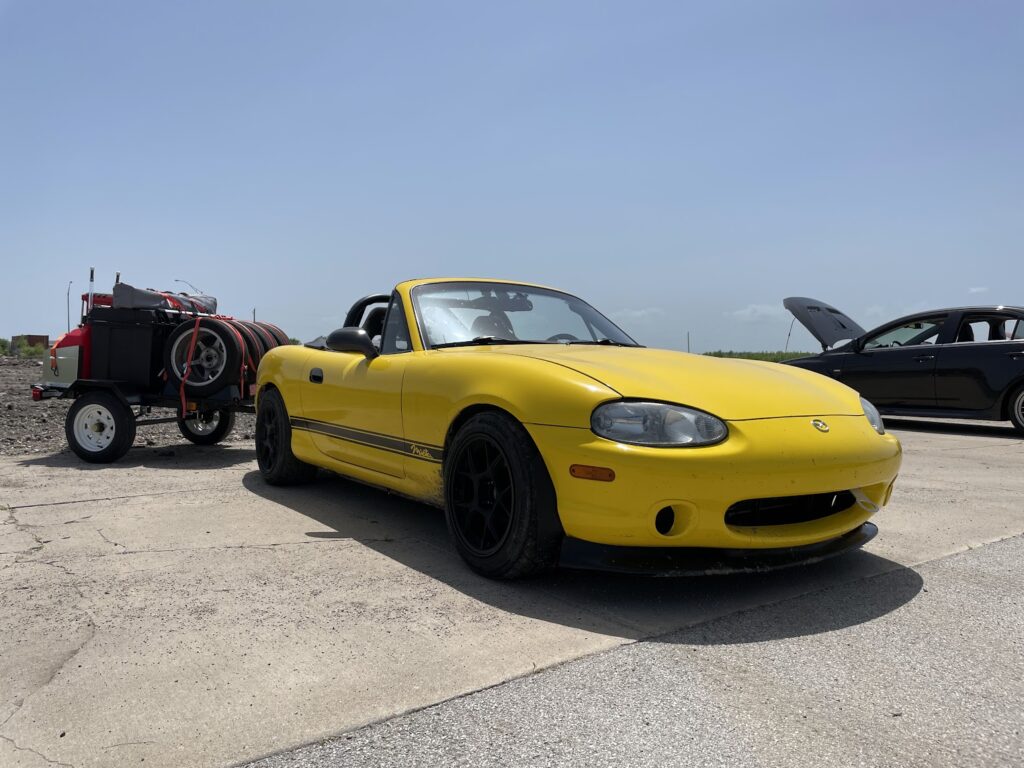
The logistical constraints of the Miata platform—notably its minimal trunk space—were addressed in June with the construction of a custom tire trailer. Built on a 40×48 Northern Tool chassis with an extended plywood deck, the trailer enabled the transport of four spare tires, tools, fluids, a canopy, and fuel jugs. Weighing approximately 700 lbs when fully loaded, the trailer demonstrated the NB Miata’s surprising utility. This addition proved essential for self-supported track excursions, allowing the driver to maintain a "street-driven" status while carrying the necessary equipment for high-intensity track sessions.
Power Extraction and Comparative Performance Data
In July, the vehicle underwent dynamometer testing to quantify the impact of engine modifications. At the conclusion of the first year of ownership (August 2021), the vehicle produced 115 wheel-horsepower (whp) and 106 lb-ft of torque using basic intake and exhaust bolt-ons. By July 2022, following the installation of a "squaretop" intake manifold—a sought-after factory part from non-US markets known for superior airflow—and a Megasquirt standalone ECU tuned for E85 fuel, the output rose to 136 whp and 119 lb-ft of torque.
This 18% increase in horsepower and 12% increase in torque is significant for a naturally aspirated 1.8-liter BP engine. The transition to E85 (ethanol) provided a higher octane rating and better cooling properties, which are critical for maintaining engine health during prolonged track sessions in summer heat. These figures represent a near-optimal output for a stock-internal NB1 engine, though further gains could potentially be realized through cam upgrades and professional fine-tuning.
Diversification into Multi-Discipline Motorsports
August and September saw the vehicle move beyond traditional road courses. In August, the project visited Heartland Motorsports Park in Topeka, a facility renowned for its elevation changes and high-speed banking. The experience at Heartland emphasized the importance of track-specific confidence, as the driver navigated point-by-passing protocols and learned the nuances of a higher-speed circuit.
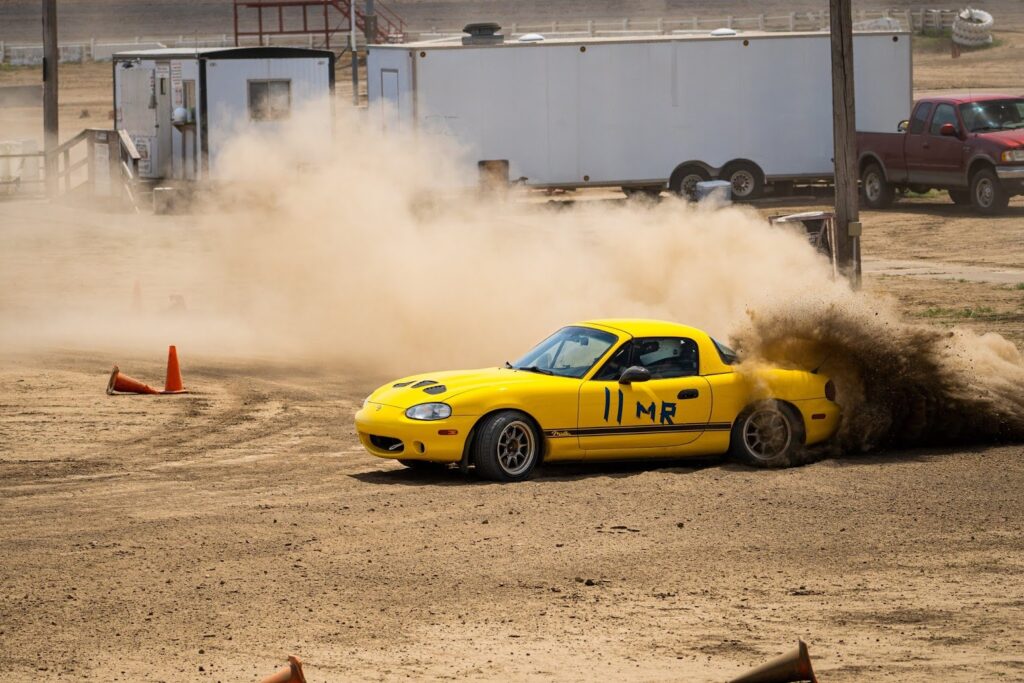
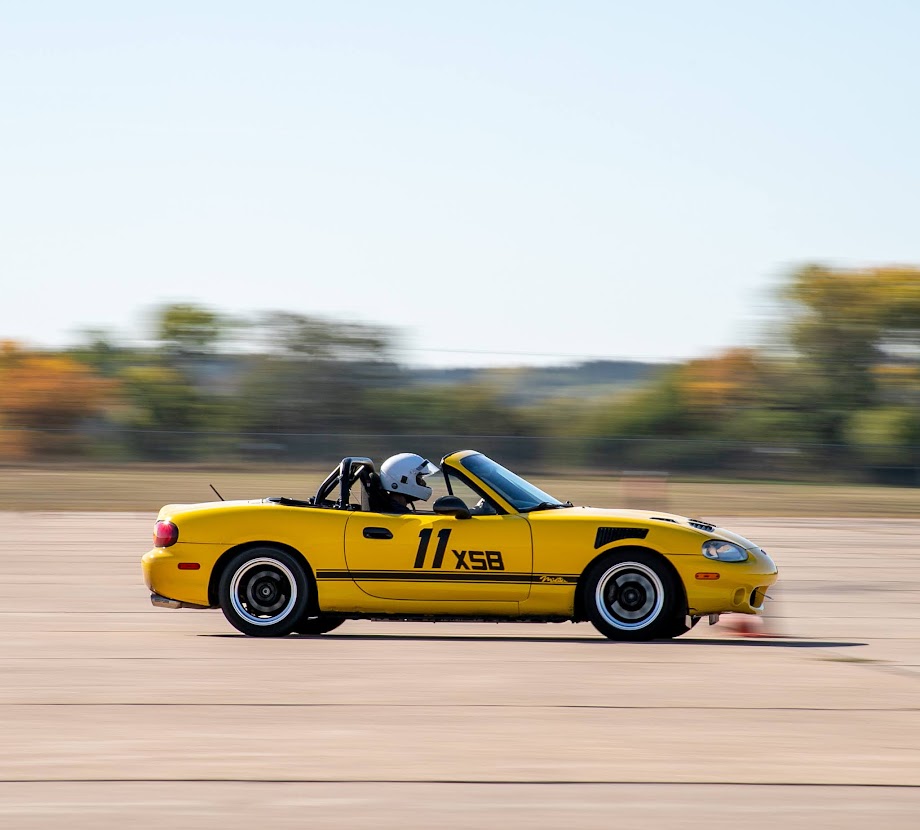
In September, the vehicle participated in SCCA Rallycross at I80 Speedway in Nebraska. This discipline, held on dirt surfaces, focused on low-traction car control. While the vehicle was not specifically optimized for off-road use—resulting in the loss of a front lip spoiler—the experience provided invaluable lessons in weight transfer and sliding dynamics. Simultaneously, the vehicle competed in a full season of SCCA Autocross with the Nebraska Region. The driver’s performance metrics showed a dramatic upward trajectory, moving from the bottom 8% of competitors at the season’s start to the top 50% by October, further validating the focus on skill acquisition.
The Limits of Adhesion: The October Incident
The pursuit of performance inevitably leads to the discovery of the limit, and in some cases, the consequences of exceeding it. During the final track day of the season on October 29 at Raceway Park of the Midlands, the vehicle suffered a significant off-track excursion. While navigating the technical sequence of Turns 10 and 11, a high-speed slide led to an understeer condition that sent the vehicle into a tire wall at approximately 60 mph.
The impact resulted in substantial cosmetic damage, including a crushed fender, dented hood, broken headlight, and a damaged front bumper. However, the structural integrity of the NB chassis and the energy-absorbing properties of the tire wall prevented mechanical failure or occupant injury. The vehicle remained driveable, allowing it to return home under its own power—a testament to the robustness of the platform.
Winter Reconstruction and Technical Refinement
The month of November was dedicated to rapid repair. Utilizing the vehicle’s existing yellow vinyl wrap, the operator was able to replace the damaged body panels and restore the car’s appearance at a fraction of the cost of professional paint. By the end of the month, the vehicle was cosmetically sound and ready for winter storage.
December and January focused on deep-tier mechanical and suspension overhauls. The suspension was upgraded with A1 Ground Control Nylatron bushings and Paco Motorsports adjustable rear upper control arms. Unlike traditional rubber or polyurethane bushings, Nylatron is a hard, self-lubricating plastic that minimizes deflection and binding. While this significantly increases Noise, Vibration, and Harshness (NVH) in the cabin, it provides the precise geometry control required for competitive track use.
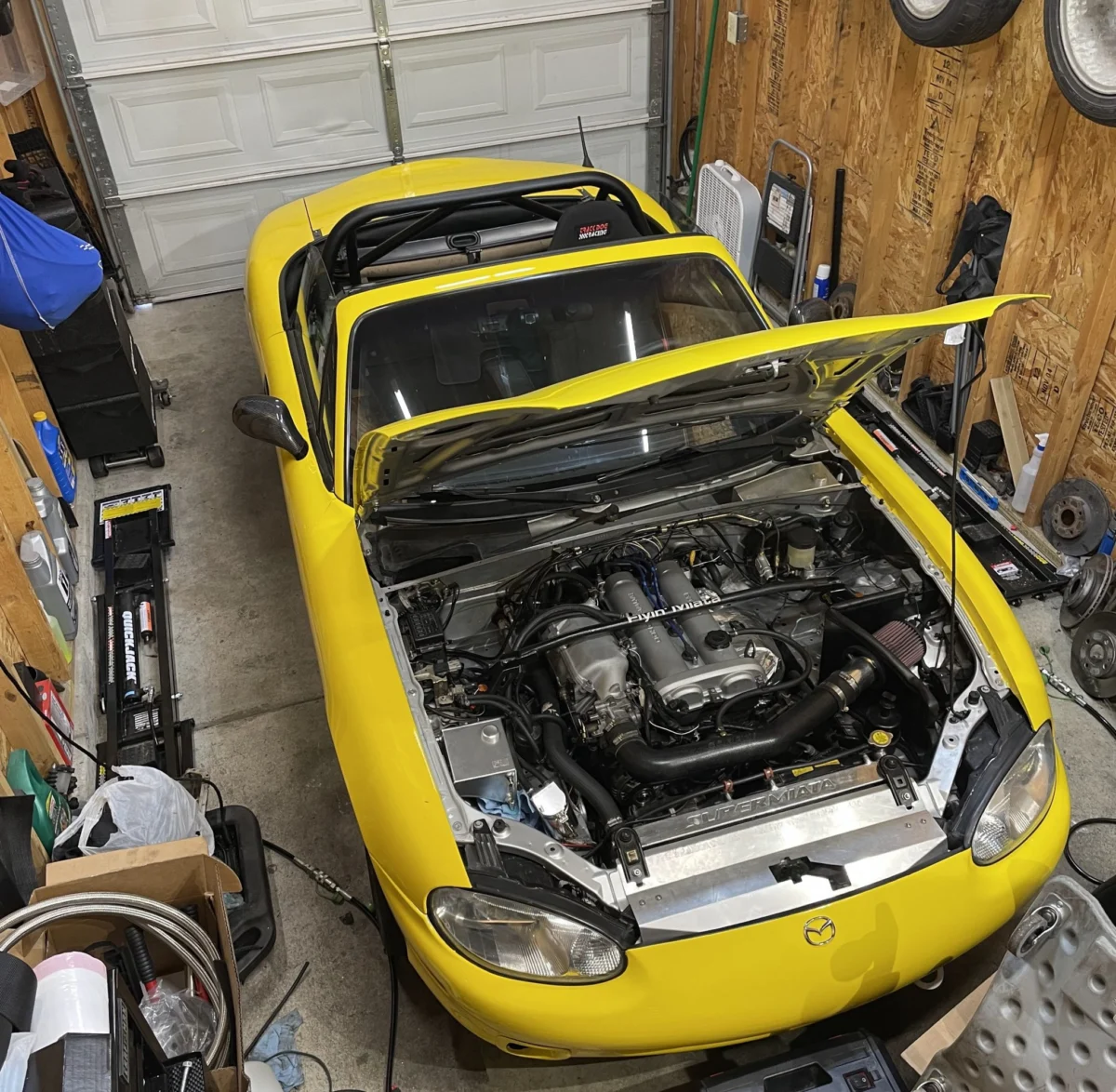
The engine-out service in January addressed a persistent rear main seal leak and included the installation of a Supermiata clutch and a lightened flywheel. Furthermore, the owner acquired a BP6D VVT (Variable Valve Timing) engine and a 6-speed transmission from a later NB2 model. This acquisition signals a future shift toward a more modern and capable powertrain, as the VVT system offers a broader power band than the earlier BP4W engine.
Aerodynamic Evolution and Year-End Status
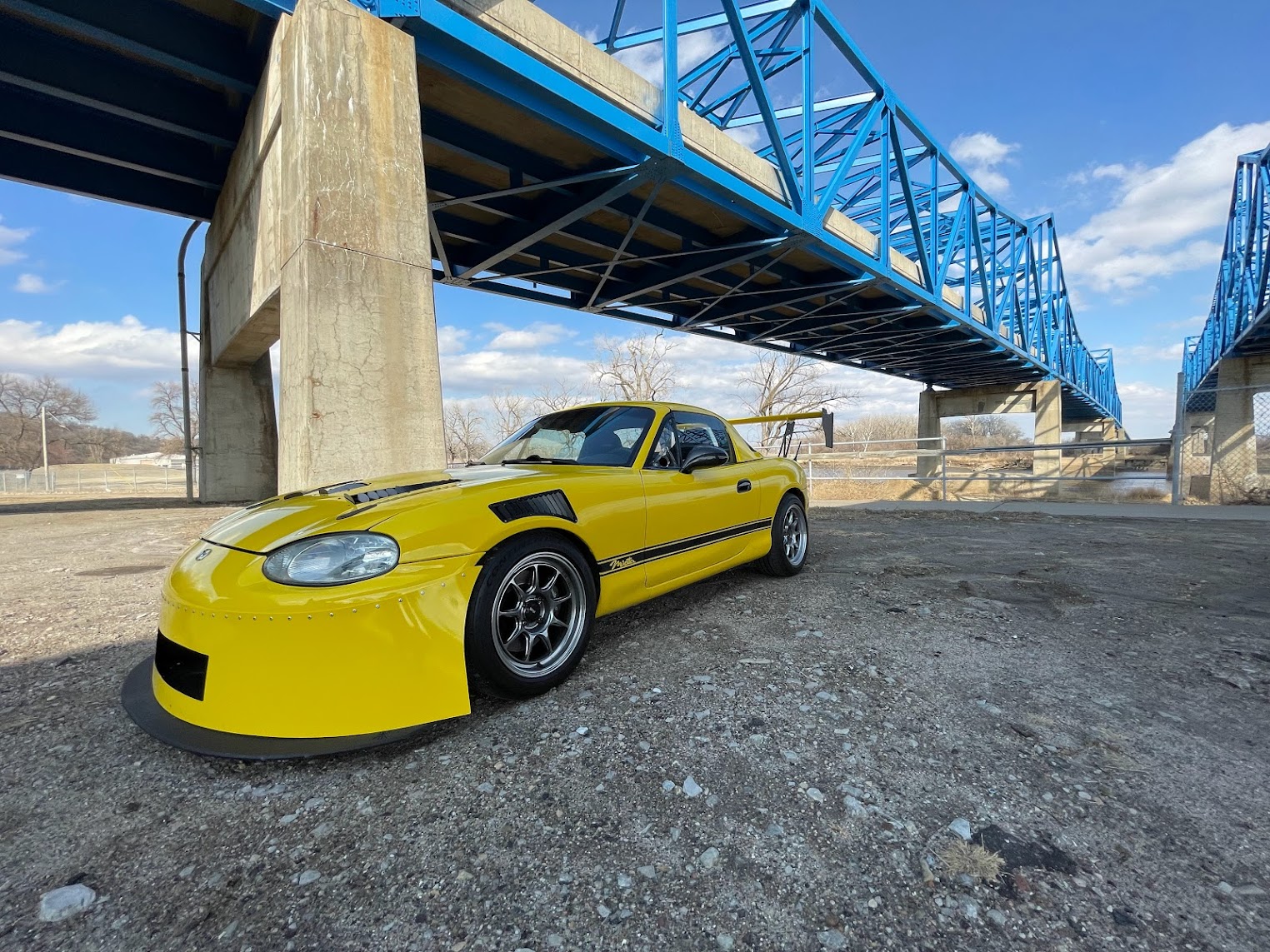
The final major modification of the second year occurred in February 2023 with the installation of a Nine Lives Racing "Medium Downforce" aero kit. The kit features a single-element aluminum rear wing and a front air dam/splitter assembly. Aerodynamicists note that the Miata’s rounded shape naturally generates lift at high speeds, leading to instability. The addition of functional downforce transforms the vehicle’s handling characteristics, particularly in high-speed sweepers.
Initial testing indicated that the car felt significantly more "planted" and stable at speed, without a perceptible penalty in acceleration. The wing, mounted directly to the trunk’s reinforced edges, is robust enough to support the weight of an adult, highlighting the transition from a street car with racing parts to a dedicated aerodynamic platform.
Conclusion and Future Outlook
After two years of ownership, the NB Miata has evolved from a standard used car into a highly specialized tool for driver development and amateur competition. The data collected over 24 months—ranging from dyno charts and lap times to autocross rankings—paints a picture of consistent, methodical improvement. As the project enters its third year, the foundation of aero, upgraded suspension, and a pending VVT engine swap positions the vehicle to compete at higher levels within the SCCA and NASA frameworks. The story of this Miata remains a quintessential example of the "Slow Car Fast" philosophy, where the pursuit of tenths of a second on a stopwatch leads to a comprehensive understanding of automotive engineering and driving dynamics.