 Ganda Hendra Perkasa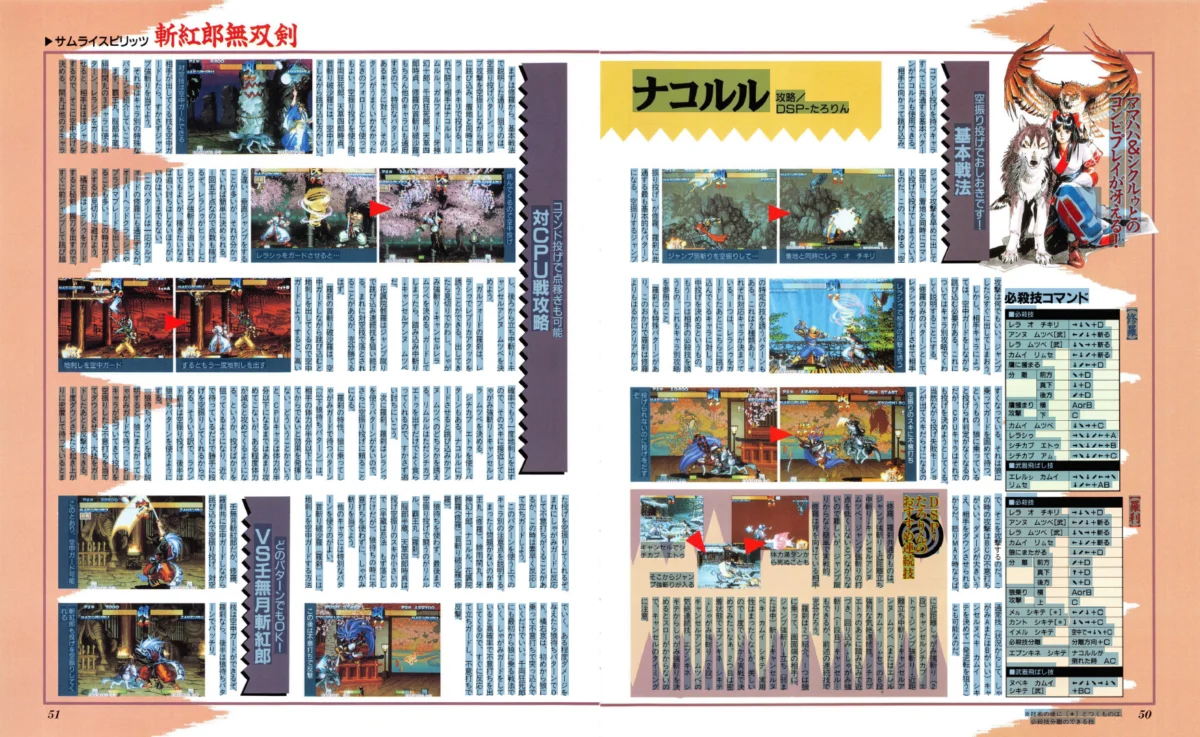
The Video Game History Foundation (VGHF) has officially crossed a major operational and archival threshold, expanding its free-to-access digital research library to encompass more than 5,000 total publications. What began a year and a half ago as a modest digital repository of approximately 1,500 out-of-print, text-searchable magazines has now ballooned into a massive digital ecosystem containing nearly 600,000 pages of historical documentation. Representing the physical equivalent of roughly 100 feet of traditional shelf space, this expansive collection spans a 46-year timeline from 1981 through 2026, solidifying the foundation’s status as a premier institution for the preservation of interactive entertainment media.
The latest wave of enhancements to the VGHF database introduces hundreds of rare trade publications, historically significant industry newsletters, and niche enthusiast magazines dedicated to specialized gaming subcultures. These additions account for approximately 60 percent of the foundation’s total cataloged physical magazine archive. Furthermore, the platform has rapidly integrated itself into the broader academic and research landscape, having already accumulated over 500 citations on Wikipedia to become the web’s preferred reference source for out-of-print gaming periodicals. Building upon this momentum, the foundation has now unveiled its most ambitious initiative to date: the integration of Japanese-language gaming publications into the search infrastructure.
Evolution of the VGHF Digital Archive: A Chronological Overview
The journey toward creating a comprehensive, searchable digital repository for video game journalism has been characterized by steady, methodical growth and extensive community collaboration.
When the VGHF digital archive first launched, it debuted with an initial catalog of over 1,500 out-of-print English-language magazines. The core objective was to rescue decaying physical print media from obscurity and place it into the hands of researchers, journalists, and historians without financial barriers. Within eighteen months of operation, the organization successfully tripled the physical volume of its digital footprint, driven largely by symbiotic partnerships with independent, community-led scanning initiatives.
Approximately one-third of the magazines housed within the database were digitized directly by the VGHF team, while the remaining two-thirds were supplied by external archiving groups, private collectors, and volunteer preservationists. This collaborative ecosystem allowed the foundation to scale its operations far beyond its internal resource limitations.
The timeline of major milestones includes:
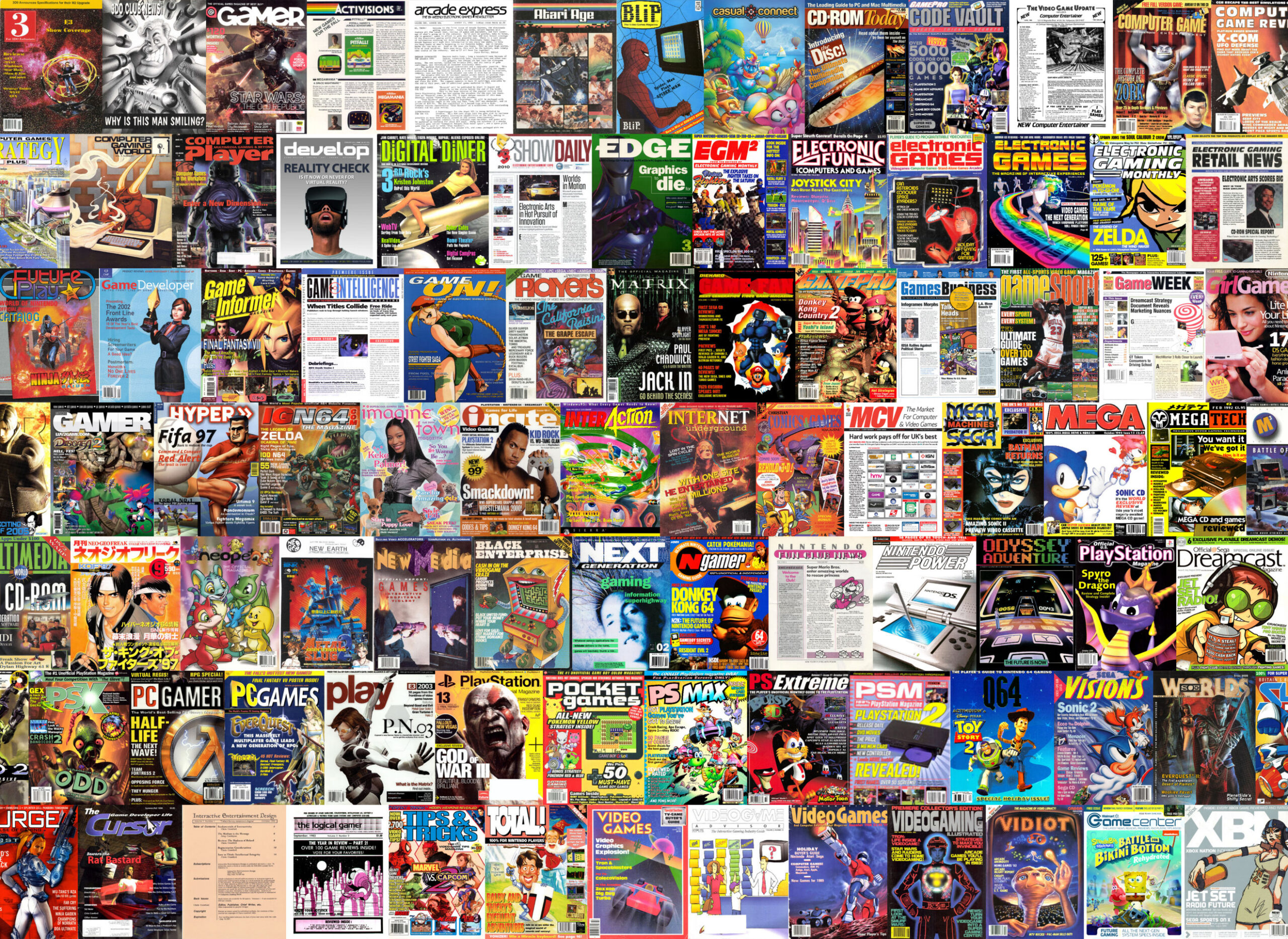
- Initial Launch: Introduction of 1,500 text-searchable English-language magazines.
- Mid-Term Expansion: Incorporation of hundreds of rare trade publications, industry newsletters, and niche community zines.
- Current Milestone: Surpassing 5,000 total publications and nearly 600,000 individual pages spanning 1981 to 2026.
- International Pilot Launch: Introduction of full Japanese-language search capability, beginning with the complete run of Neo Geo Freak.
Breaking Language Barriers: The Introduction of Japanese Periodicals
For decades, Japanese gaming magazines have represented an irreplaceable trove of primary source material for industry historians. Beyond standard reviews and preview coverage, these publications feature candid, deeply technical interviews with legendary developers—many of which have never been officially translated, reprinted, or preserved outside of rare physical print runs. Moreover, they offer unparalleled insight into Japanese player culture during pivotal eras of the industry’s evolution.
However, incorporating Japanese-language publications into a Western-centric archival framework presented immense technical, cultural, and linguistic challenges. Standard optical character recognition (OCR) tools often struggle with dense, ideographic scripts and vertical text formatting typical of traditional Japanese publishing. Recognizing that a standard bulk-upload approach would fail to meet its rigorous indexing standards, the VGHF enlisted the guidance of professional archivists in Japan.
By integrating specialized Japanese document transcription libraries into its existing text-mapping architecture, the foundation developed an advanced OCR pipeline capable of accurately recognizing Japanese script—including complex vertical writing layouts. To verify the reliability of the system, the foundation consulted academic researchers who utilize Japanese-language source materials daily, ensuring the output meets rigorous academic standards.
Rather than relying on error-prone automated bulk translations for thousands of pages of text, the foundation adopted a pragmatic, hybrid approach to accessibility. A specialized team of Japanese-fluent volunteers was assembled to index the major articles and interviews across the complete run of selected publications. This provides English-speaking researchers with clear navigational signposts while allowing individuals to utilize their own preferred translation tools for deep-dive reading.
The Neo Geo Freak Pilot Project
To test its new international infrastructure, the VGHF has launched its inaugural Japanese-language pilot project: complete research access to Neo Geo Freak. Published between 1995 and 2000, the magazine chronicled the software and hardware ecosystem surrounding SNK’s high-end Neo Geo home console and arcade systems.
The selection of Neo Geo Freak was strategic. Last year, a private collector donated a complete physical run of the magazine to the VGHF library. Concurrently, the digital preservation group Japanese Magazine Scans had already completed the painstaking work of digitizing the pages. Combining these two resources provided an ideal testing ground for the foundation’s new international architecture.
Because Neo Geo hardware enjoyed significantly higher market penetration and cultural relevance in Japan compared to Western territories, Neo Geo Freak contains sustained, granular coverage of titles and developer philosophies that simply do not exist in English-language print media.
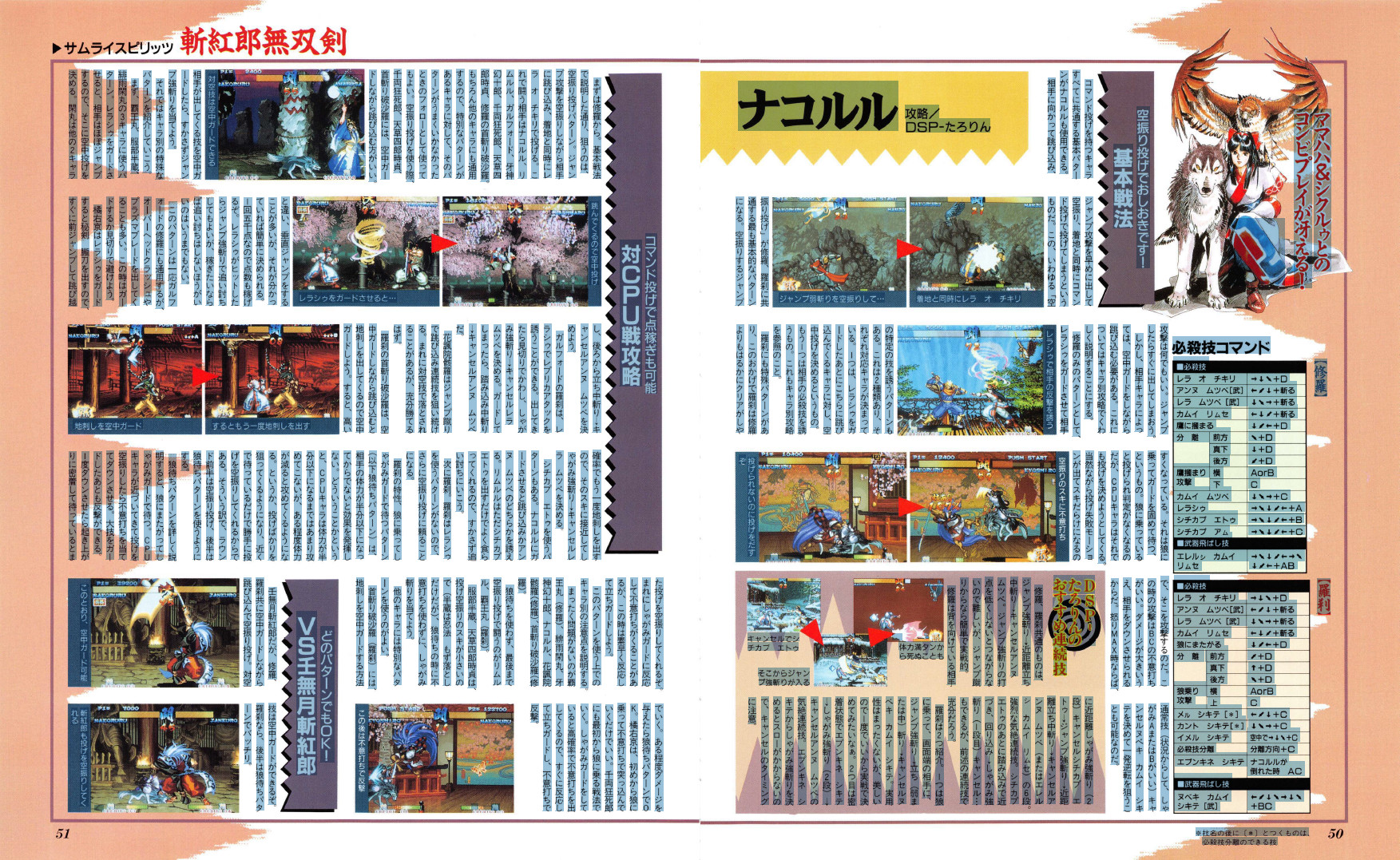
To accommodate this new material, platform engineers updated the digital archive’s user interface. New features introduced for the pilot include language-specific filtering, right-to-left page-turning layouts, and advanced search algorithms capable of processing Japanese text strings without interword spacing. Existing Japanese assets within the archive, such as FromSoftware promotional documentation, were subsequently reprocessed to align with these upgraded platform standards.
Community Collaboration and Volunteer Contributions
The realization of the VGHF’s digital archive—and particularly its recent international expansion—would have been impossible without the concerted efforts of independent volunteers and subject-matter experts. The foundation publicly credited a dedicated team of contributors whose linguistic and technical expertise guided the pilot project.
The named contributors to the Japanese archives initiative include Brian Clark, Rob Curl, Misty De Mééo, Dave Fishel, Akito Inoue, Stef “pidgezero_one” Kischak, Lillian McIntyre, Stephen Meyerink, and Adria Miller. Their combined efforts bridge the gap between grassroots digital preservation and institutional academic infrastructure.
Foundation leadership has emphasized that community feedback remains vital as the platform scales. Researchers and historians who routinely utilize Japanese-language documentation have been invited to submit evaluations of the new platform tools. These insights will prove critical as the organization eyes an even larger undertaking: the prospective ingestion of an estimated 70,000 additional pages of international materials in the coming years.
Broader Implications for Video Game Historiography
The systematic archiving of primary source media carries profound implications for the academic study and cultural preservation of video games. For decades, video game history has suffered from institutional neglect, resulting in the loss of crucial documentation, promotional ephemera, and critical discourse.
By transforming fragile, deteriorating print magazines into text-searchable, globally accessible digital assets, organizations like the VGHF are democratizing historical research. Journalists, authors, academics, and independent creators no longer require physical proximity to private library collections to verify historical claims, research development cycles, or analyze period-accurate industry reception.
The success of the VGHF archive—demonstrated by its rapid adoption as a primary sourcing tool across collaborative encyclopedic platforms—signals a paradigm shift in how digital culture is preserved. By establishing a rigorous, legally compliant, and technically sophisticated framework for both English and foreign-language periodicals, the Video Game History Foundation is ensuring that the foundational decades of interactive entertainment are permanently secured for future generations of scholars.