 Ganda Hendra Perkasa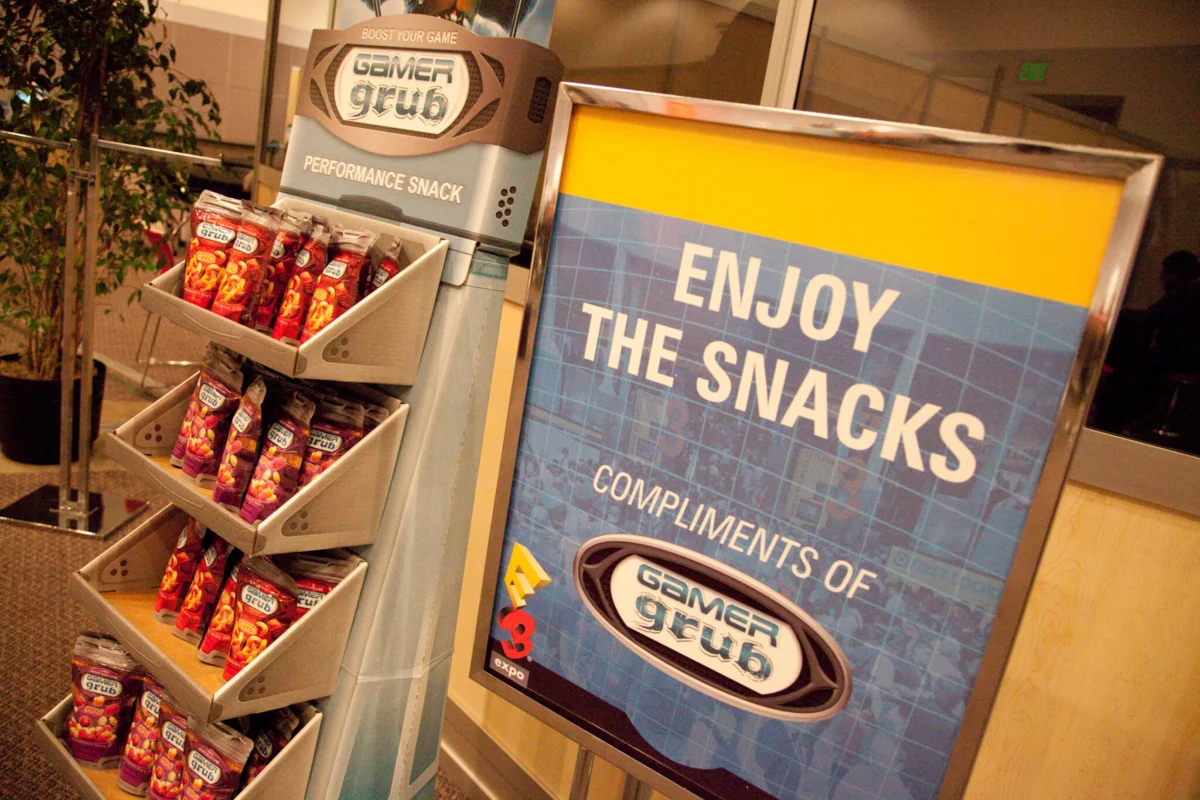
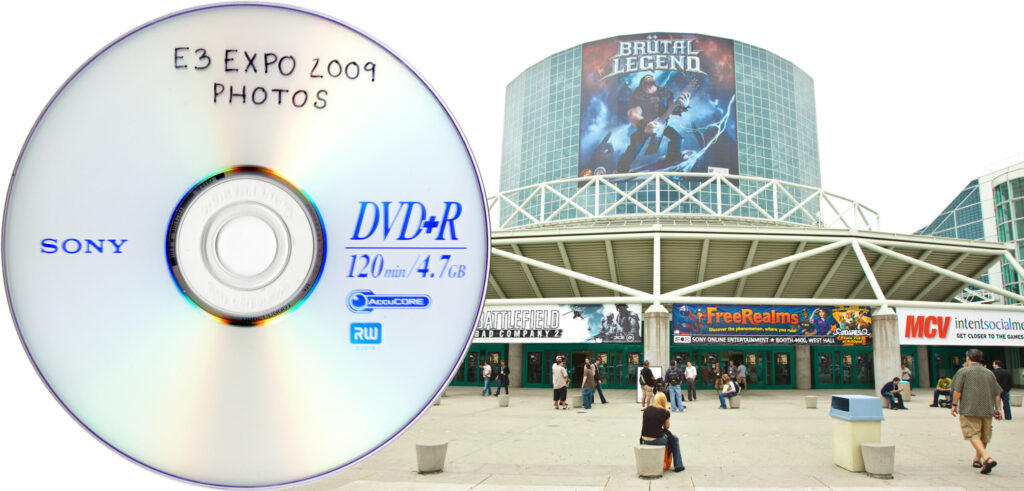
The Video Game History Foundation has brought to light a comprehensive digital archive containing more than 1,600 promotional photographs from the 2009 Electronic Entertainment Expo (E3). Donated by Carolyn Rauch, the former senior vice president of the Entertainment Software Association (ESA), the collection consists of a single DVD-R recovered from her personal records. Captured by official event photographer Asa Mathat, the trove provides an exhaustive visual chronicle of an inflection point for the global video game industry, documenting everything from high-profile keynote stages and bustling convention floors to quiet administrative backwaters, registration desks, and press briefing rooms at the Los Angeles Convention Center.
The Discovery and Provenance of the Collection
The existence of this extensive media asset came to wider public attention as part of the Video Game History Foundation’s ongoing initiatives to preserve industry ephemera and institutional records. The physical media—a standard DVD-R labeled simply with marker—preserves uncompressed, high-resolution documentation commissioned by the trade organization that governed the world’s premier gaming showcase.
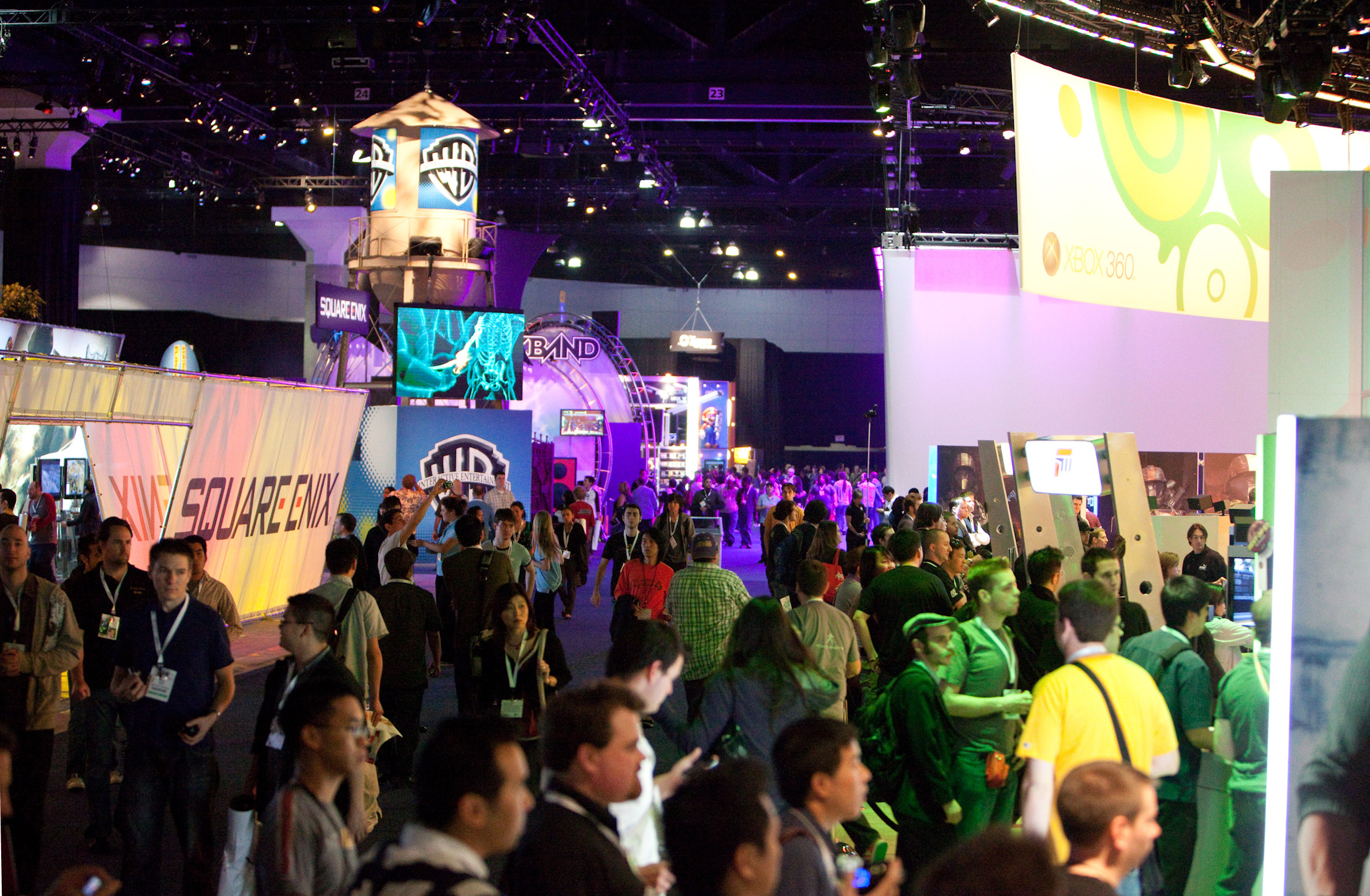
Because the materials were captured by professional photojournalists under contract, the imagery avoids the shaky, low-resolution aesthetic typical of contemporaneous consumer documentation. Instead, it offers crisp, archival-grade perspectives on how the business of video games presented itself to stakeholders, international journalists, and institutional investors during a volatile economic period. Copyright holders for the contents of the archive are identified as a collective interest involving the Entertainment Software Association, IDG Communications, and photographer Asa Mathat.
Background Context: The E3 2009 Mandate and Industry Landscape
To understand the significance of the 2009 photo archive, historians must contextualize the operational pressures facing the ESA at the close of the 2000s. For over a decade, E3 had functioned as an extravagant, unbridled spectacle of excess, characterized by deafening audio systems, massive theatrical builds, and thousands of industry personnel competing for public attention in downtown Los Angeles.
However, the skyrocketing costs associated with exhibiting at the convention center, combined with mounting logistical headaches, prompted a major restructuring. In 2007 and 2008, the ESA abandoned the traditional trade show format entirely, replacing it with "E3 Media and Business Summit"—a scaled-down, invitation-only executive gathering held at the Barker Hangar in Santa Monica. While successful at cutting overhead, the scaled-down summits alienated large segments of the international press and independent developers who felt locked out of the discourse.
By 2009, industry leadership recognized the need for a compromise. The event returned to the Los Angeles Convention Center as a full-scale convention, but with strict controls designed to curb the runaway financial bloat of the mid-2000s. Discussed at length on episodes of the Video Game History Foundation’s Video Game History Hour—featuring Rauch and International Digital Software Association (IDSA) co-founder Doug Lowenstein—E3 2009 was engineered to re-establish the convention’s authority while maintaining fiscal discipline.
Chronology of the Re-Emerged Showcase
The chronology of E3 2009 reflects a transitional period bridging the sixth and seventh generations of console hardware. Running from June 2 to June 4, 2009, the event arrived at the height of the Xbox 360 and PlayStation 3 console wars, occurring just as the industry was beginning to grapple with the nascent mobile gaming market and the lingering shockwaves of the 2008 global financial crisis.
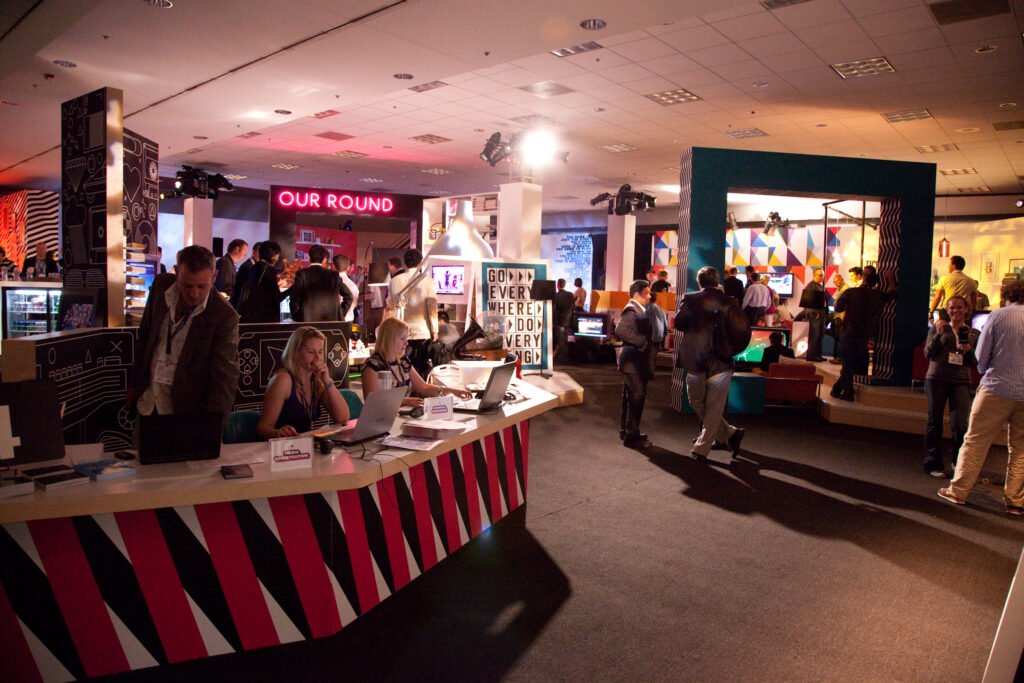
Key hardware manufacturers and publishing giants adopted a two-tiered presentation strategy. On one hand, grand theatrical press conferences dominated television broadcasts and early broadband live streams, cementing the transition of E3 into a multimedia spectator sport. On the other hand, the physical floor space inside the convention hall showcased a more measured, business-oriented approach. Major booths were streamlined, prioritizing functional demonstration stations over towering architectural marvels.
Supporting Data and Visual Insights from the Archive
The Mathat photo collection documents this operational shift through meticulous detail. Rather than focusing exclusively on headlining software announcements, the 1,600-plus images capture the behind-the-scenes machinery required to run a multi-day international trade exhibition.
Notable categories within the digital archive include:
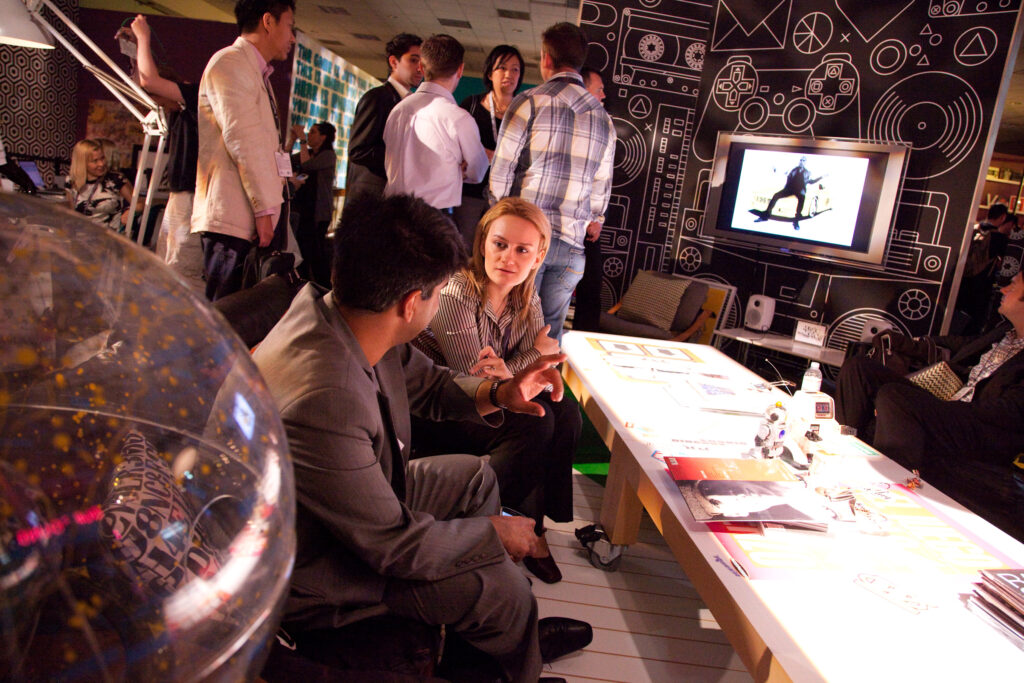
- Executive Suites and Private Lounges: Extensive documentation of controlled-environment spaces, such as Sony Computer Entertainment Europe’s private VIP break rooms, designed for high-level networking away from the clamor of the public floor.
- Operational Infrastructure: Candid captures of media check-in desks, press workstations, registration queues, and backstage corridors populated by exhausted production staff and public relations representatives.
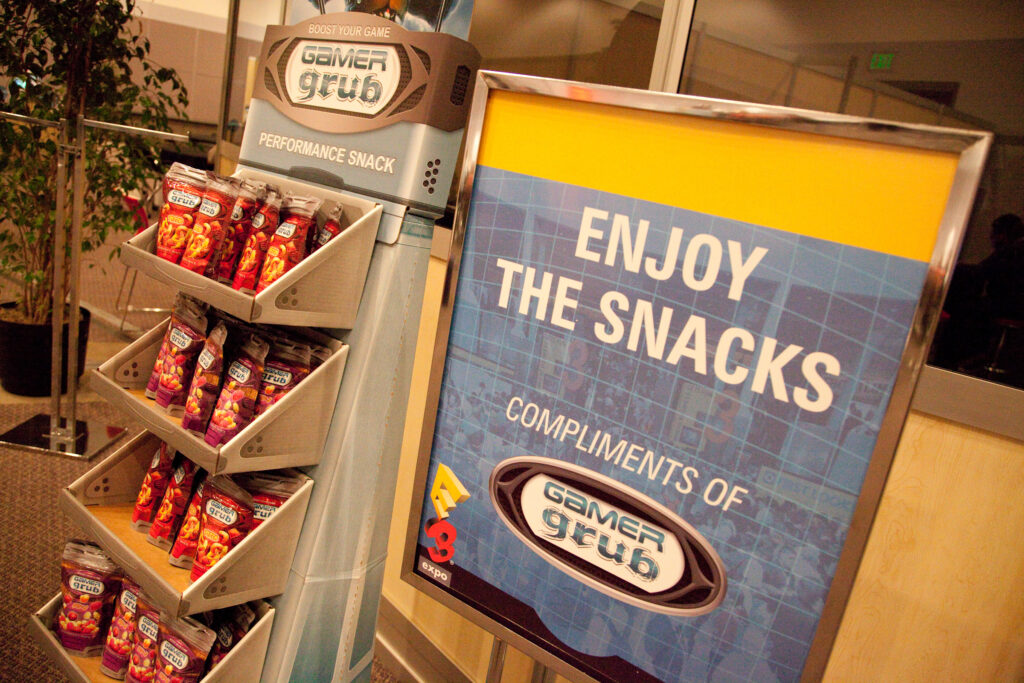
- Promotional Ephemera and Corporate Sponsorships: Visual records of widespread corporate branding, including extensive photographic evidence of "Gamer Grub"—a short-lived, gamer-oriented performance snack mix that heavily subsidized hospitality areas across the venue.
These visual data points illustrate how publishers managed corporate hospitality during a period of economic tightening, shifting away from lavish after-parties toward targeted, controlled brand integration within the convention footprint.
Official Responses and Institutional Perspectives
While direct contemporary statements regarding the DVD-R’s contents are limited to archival notes provided by the Video Game History Foundation, retrospectives from former ESA executives illuminate the philosophy behind the 2009 event. Organizers viewed the physical footprint of E3 not merely as a marketing exercise, but as a crucial economic barometer for software distribution, retail partnerships, and developer relations.
Industry analysts reviewing the archive note that the photographs capture an era when digital distribution was beginning to challenge traditional physical retail models, yet storefront shelf space remained paramount. Consequently, the physical layout of booths at the 2009 convention represented a calculated balancing act between maintaining brick-and-mortar retail relationships and preparing for a digital-first future.
Broader Impact and Implications for Digital Heritage
The public availability of the E3 2009 promotional photo archive carries profound implications for contemporary video game historiography. For decades, public perception of historical gaming conventions was filtered exclusively through contemporaneous magazine spreads, heavily edited press releases, and consumer-facing video packages.
By preserving unedited institutional archives like Rauch’s donated DVD-R, historical organizations grant researchers unfiltered access to the structural reality of corporate trade shows. The collection demystifies the mythos of the era, revealing the human labor, logistical friction, and corporate compromises that underpinned the peak years of the console era. As historians continue to process these digital assets, the archive stands as a definitive primary source for understanding how the global video game industry navigated a critical pivot point in its commercial evolution.