Cecilia Chamidah Nur
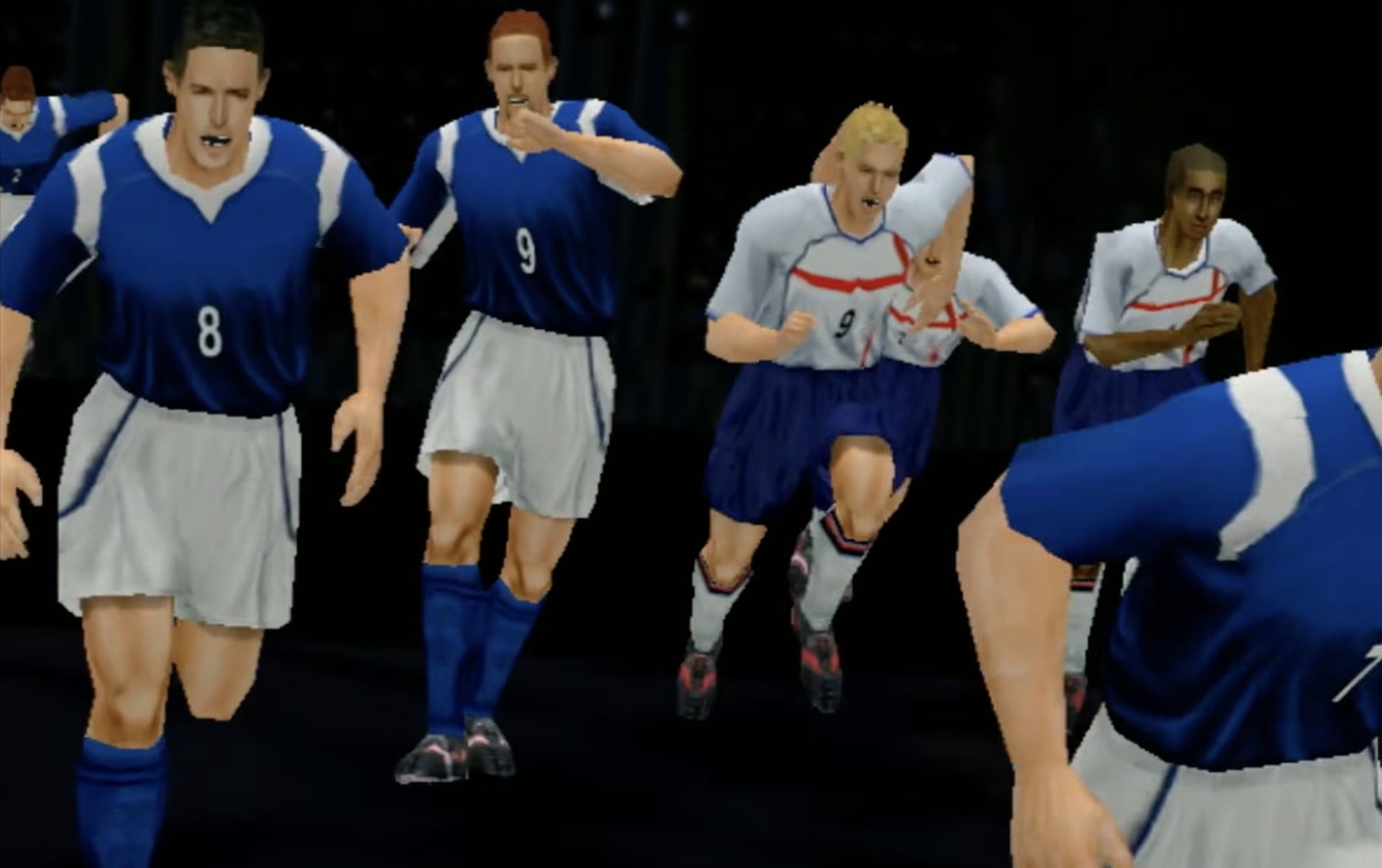
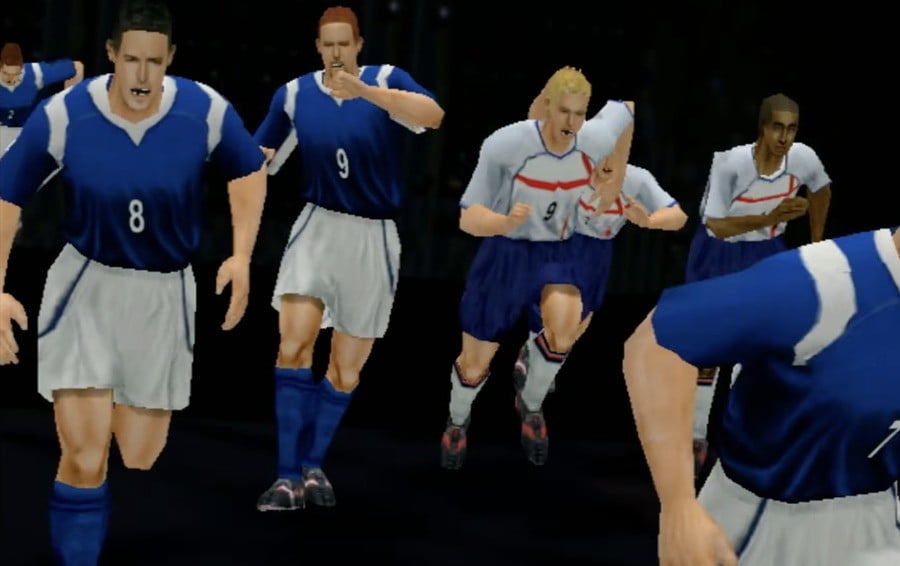
The dedicated efforts of the retro gaming community have culminated in a major breakthrough for digital preservation, as Sammy’s previously unreleased Atomiswave football title, Premier Eleven, has been successfully ported and made playable on the Sega Dreamcast. This significant development, spearheaded by a user named "dimps" on the Dreamcast-Talk forums, coincides with the ongoing 2026 World Cup, offering enthusiasts a timely opportunity to experience a lost piece of football gaming history. Furthermore, the baseball-themed Atomiswave title, Miracle Stadium, has also been preserved and made playable, completing the public digital library of released Atomiswave games.
The Unveiling of "Premier Eleven": A Lost Football Gem
For years, Premier Eleven remained an elusive ghost in the annals of arcade history. Developed by Sammy for its Atomiswave arcade platform, the game was intended to capitalize on the global appeal of football (soccer). However, for reasons yet to be fully documented but likely related to market conditions or strategic shifts within Sammy, the title never saw a commercial release. Its existence was primarily known through development logs, trade show appearances, and the occasional sighting of prototype hardware.
The most notable recent appearance of Premier Eleven hardware occurred in early 2022 when a prototype board surfaced on eBay, commanding a staggering price of $15,000. This sale highlighted the intense desire within collector circles to acquire and, ideally, preserve such rare artifacts. The acquisition of this board by an anonymous collector or group was a critical step, as it provided the physical medium from which the game’s data could eventually be extracted. Without this initial acquisition, the subsequent digital preservation would have been impossible. The journey from a physical, expensive, and fragile prototype board to a widely accessible digital file represents a triumph for the preservation movement, ensuring that future generations of gamers and historians can study and enjoy this unreleased work.
The technical challenge of transferring an arcade game to a home console, even one based on similar architecture, is considerable. While the Atomiswave platform shares much of its underlying hardware with the Dreamcast – both utilizing a Hitachi SH-4 CPU and a PowerVR2 GPU – optimizing the arcade code for seamless execution on a consumer Dreamcast unit requires intricate knowledge of both systems’ specifics. Dimps’ achievement involved not only dumping the ROM data from the prototype board but also meticulously reverse-engineering and adapting the game’s code to run effectively on standard Dreamcast hardware, circumventing any arcade-specific dependencies or security measures. This complex process ensures compatibility with both modern emulation software and physical Dreamcast consoles equipped with Optical Drive Emulators (ODEs).
The Atomiswave Platform: Dreamcast’s Arcade Cousin
To fully appreciate the significance of this preservation effort, it is essential to understand the Atomiswave platform itself. Launched by Sammy Corporation in 2003, the Atomiswave was a cost-effective arcade system designed to succeed Sega’s NAOMI hardware, which also shared lineage with the Dreamcast. Sammy, a major player in the Japanese pachislot and arcade market, sought to create a versatile and affordable platform for developers.
The Atomiswave’s appeal lay in its shared architecture with the Dreamcast. By leveraging readily available and relatively inexpensive Dreamcast components, Sammy could offer a powerful arcade system at a lower price point than competing platforms. This strategy allowed smaller developers and arcade operators to create and run games without the prohibitive costs often associated with high-end arcade hardware. The commonality meant that porting games between the Dreamcast and Atomiswave, or vice-versa, was theoretically more straightforward, though still a technical undertaking.
Despite its technical merits and affordability, the Atomiswave had a relatively short commercial lifespan, largely due to the broader decline of the arcade market and the increasing dominance of home consoles. Its library, while not as extensive as some other platforms, included notable titles such as Metal Slug 6, NeoGeo Battle Coliseum, Fist of the North Star, and Dolphin Blue. The platform ultimately saw its last officially released game in 2007, leaving a legacy of solid, albeit somewhat niche, arcade experiences. The preservation of Premier Eleven and Miracle Stadium fills crucial gaps in the historical record of this fascinating, Dreamcast-derived hardware.
Digital Archaeology: The Art of Game Preservation
The successful preservation of Premier Eleven and Miracle Stadium underscores the vital role played by dedicated individuals and communities in the field of digital archaeology. In an era where physical media degrades and digital formats become obsolete, the work of groups like Dreamcast-Talk forum users is paramount. These individuals often spend countless hours and personal resources to acquire rare hardware, reverse-engineer proprietary systems, and painstakingly extract data, all with the goal of preventing video game history from being lost forever.
The process typically involves several stages:
- Acquisition: Locating and purchasing rare or unreleased game hardware, which can be prohibitively expensive.
- Dumping: Using specialized tools and techniques to extract the game’s ROM data from its physical storage (e.g., ROM chips on a circuit board). This often requires custom-built hardware interfaces and expertise.
- Reverse Engineering: Analyzing the dumped code to understand its structure, identify dependencies, and adapt it for new environments (like a home console or emulator). This includes disassembling code, patching, and debugging.
- Distribution: Making the preserved game available to the public, typically in formats like GDI (Gigabyte Disc Image) files for Dreamcast, which can be run on emulators or actual hardware via ODEs.
Optical Drive Emulators (ODEs), such as GDEMU or MODE, have become indispensable tools for modern retro gamers. These devices replace the original optical drive of a console (in this case, the Dreamcast’s GD-ROM drive) with a solid-state storage solution, usually an SD card or USB drive. This allows users to load game images directly from digital files, bypassing the aging and often failure-prone disc drives. ODEs not only offer convenience but also contribute significantly to preservation by reducing wear and tear on original discs and enabling the playback of digitally preserved titles like Premier Eleven.
"Miracle Stadium": Completing the Atomiswave Library
Adding to the excitement, the baseball-themed Atomiswave title, Miracle Stadium, has also been successfully preserved and made playable on Dreamcast. Unlike Premier Eleven, Miracle Stadium did see a public release on the Atomiswave platform. Its preservation is significant because it marks the dumping of the last publicly released Atomiswave game to be made available online.
This achievement means that the entire commercial library of the Atomiswave platform is now digitally preserved and accessible to the wider gaming community. This is a monumental feat for historical completeness. For game historians and enthusiasts, having a complete archive of a platform’s releases provides invaluable insight into its development trajectory, technological capabilities, and the creative output of its developers. Miracle Stadium, while perhaps not as high-profile as a Metal Slug entry, contributes to a holistic understanding of Sammy’s arcade endeavors and the diverse range of games offered on the Atomiswave.
The baseball genre has always held a particular niche in video games, especially in regions like Japan and North America. Miracle Stadium offers a snapshot of how baseball was interpreted in the arcade context of the mid-2000s, providing a different experience from the more simulation-heavy console titles of the era. Its preservation ensures that this specific slice of sports gaming history is not lost.
The 2026 World Cup Connection and Retro Gaming’s Enduring Appeal
The timing of Premier Eleven‘s preservation and release is particularly serendipitous, coinciding perfectly with the excitement surrounding the 2026 FIFA World Cup. As football fever grips the globe, the availability of a "new" retro football title allows fans to engage with the sport’s virtual past alongside its present. This connection can draw new attention to the retro gaming scene, introducing a wider audience to the importance of game preservation.
The enduring appeal of retro gaming stems from a variety of factors. For many, it’s nostalgia – a desire to revisit the games of their youth. For others, it’s an appreciation for classic game design, innovative mechanics that predated modern conventions, or simply the historical significance of these titles. The Dreamcast, despite its relatively short commercial life (1998-2001 in Japan, 1999-2001 globally), remains a beloved console, celebrated for its innovative features, unique library, and the passionate community that continues to support it. Its failure in the market was less about the quality of its games or hardware and more about intense competition and strategic missteps by Sega. The Atomiswave’s connection to the Dreamcast only deepens this appeal, offering an extended universe of related content.
The phenomenon of "lost media" in video games is a serious concern. Unlike films or music, video games often rely on specific hardware, operating systems, and online services that can become obsolete, making them difficult or impossible to access over time. Projects like the Premier Eleven preservation actively combat this loss, transforming inaccessible artifacts into playable history.
Implications for Gaming History and Future Preservation
The successful porting of Premier Eleven and Miracle Stadium carries significant implications for gaming history and the future of digital preservation. Firstly, it enriches the historical record, providing scholars and enthusiasts with a more complete picture of the Atomiswave’s capabilities and Sammy’s development ambitions. Unreleased games, in particular, offer unique insights into game development processes, design choices, and the commercial realities that lead to a title being shelved.
Secondly, it reinforces the critical importance of community-driven preservation efforts. Official channels for game preservation often struggle with the sheer volume of titles, the legal complexities of intellectual property, and the resource demands. Enthusiasts like "dimps" often fill this void, operating out of passion and a deep understanding of the hardware. This decentralized model of preservation is proving increasingly effective in saving games that might otherwise vanish.
However, these efforts also highlight ongoing challenges. The legal gray areas surrounding ROM dumping and distribution remain a point of contention between copyright holders and preservationists. While the intent is historical and cultural preservation, the act itself can infringe on intellectual property rights. A more formalized collaboration between rights holders, museums, and community groups could provide a sustainable and legally sound framework for future preservation.
Finally, these events underscore the value of rare prototypes. The $15,000 eBay sale of the Premier Eleven board, while seemingly exorbitant, ultimately facilitated a cultural good. It demonstrates that the market for such artifacts isn’t solely driven by speculative collecting but also by a genuine desire to unlock and share gaming history.
Community Reaction and Future Prospects

The retro gaming community has reacted to these announcements with widespread excitement and gratitude. Forums like Dreamcast-Talk and online communities dedicated to Sega and arcade history are abuzz with discussions, technical analyses, and shared experiences of playing these newly available titles. The ability to download a GDI file and immediately experience a game that was once deemed lost or inaccessible is a powerful testament to the dedication of the preservation movement.
Looking ahead, this success may inspire further efforts to unearth and preserve other obscure or unreleased titles across various platforms. The methods and tools refined in projects like Premier Eleven can be applied to other challenges, potentially leading to more discoveries. As technology advances, new ways of preserving and experiencing classic games will undoubtedly emerge, ensuring that the rich tapestry of video game history remains vibrant and accessible.
In conclusion, the successful preservation and release of Premier Eleven and Miracle Stadium for the Dreamcast represent a monumental achievement in digital archaeology. These efforts not only provide entertainment for a passionate community but also safeguard invaluable pieces of cultural history, demonstrating the enduring power of dedicated individuals to bring lost worlds back to life.