Cecilia Chamidah Nur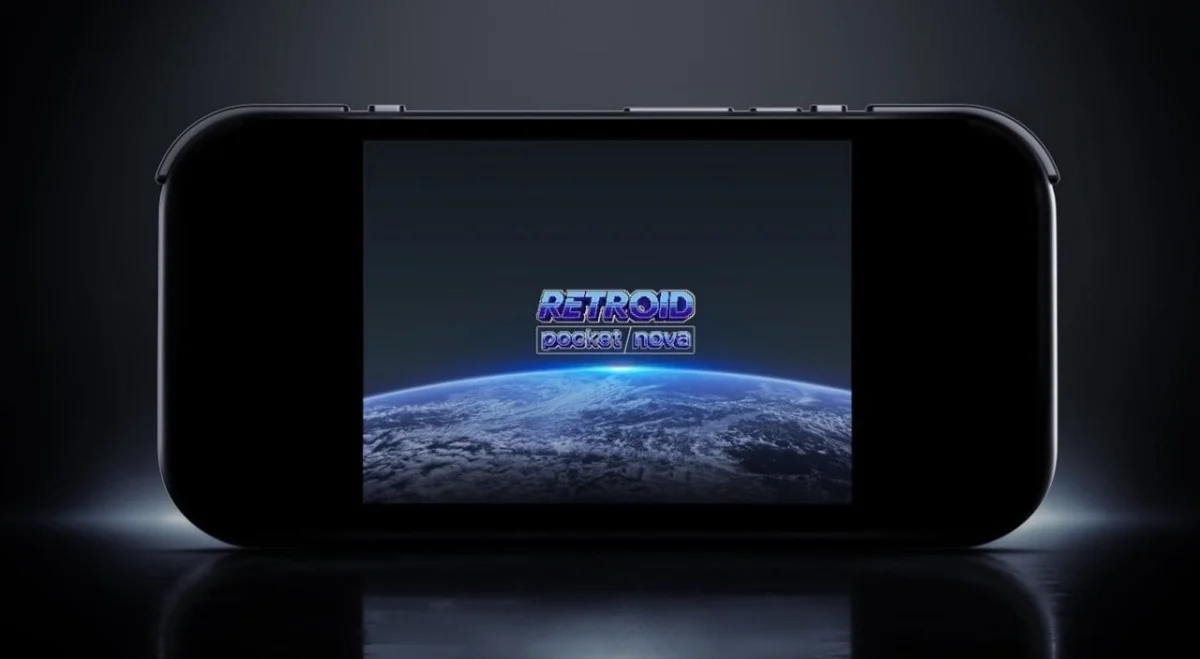
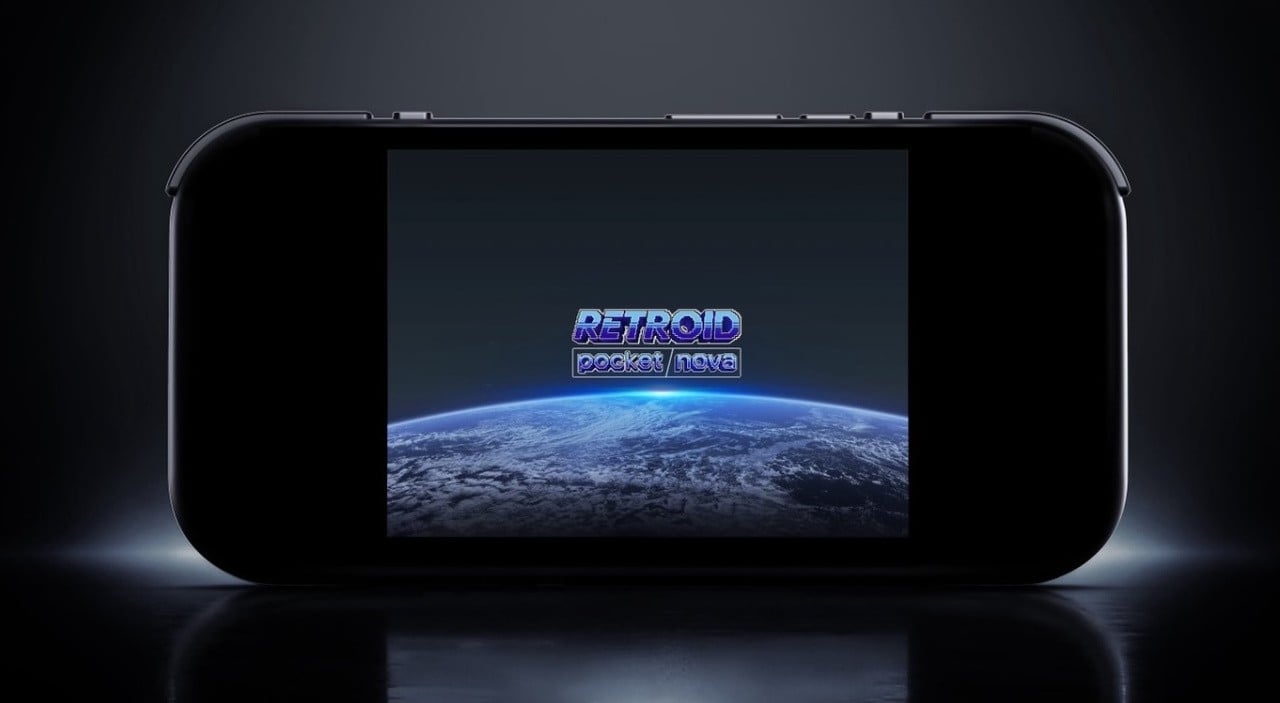
After several months of relative quiet, Retroid, a prominent manufacturer in the handheld emulation device market, has officially broken its silence, sharing initial details regarding its newest offering: the Retroid Pocket Nova. Revealed through a recent social media tease, the Nova is positioned as a significant step forward for the company, particularly in its design philosophy, which directly addresses a contentious past product. The device is slated to feature a "Modern OLED" screen with a native 4:3 aspect ratio, marking Retroid’s first horizontal 4:3 handheld since the widely criticized Retroid Pocket Mini. This strategic emphasis on a true 4:3 screen is seen by industry observers and the consumer community as a deliberate attempt by Retroid to restore goodwill and trust, which were significantly eroded during the Pocket Mini debacle. The initial announcement, while sparse on specific technical specifications, has ignited considerable discussion within the retro gaming community, with many questioning whether the Nova can truly atone for the company’s prior missteps in screen technology and customer communication.
The Shadow of the Pocket Mini Debacle
The unveiling of the Retroid Pocket Nova inevitably brings into sharp focus the legacy of the Retroid Pocket Mini, a device that became synonymous with a significant controversy regarding screen resolution and aspect ratio misrepresentation. Launched in late 2024, the Pocket Mini was initially met with excitement, promising a compact, horizontal handheld with a 4:3 screen, a highly coveted feature for enthusiasts of classic video games that were predominantly designed for this traditional aspect ratio. However, this initial enthusiasm quickly soured as users began reporting inexplicable "unfixable" screen-scaling issues. Emulated games, instead of appearing crisp and properly proportioned, often exhibited blurriness, incorrect aspect ratios, or artifacts that could not be rectified through software settings. This widespread user experience diverged significantly from the product’s advertised capabilities, triggering an immediate and intense investigation by the highly engaged online community dedicated to handheld emulation.
A History of Deception: The Pocket Mini Controversy Unpacked
The core of the Pocket Mini controversy lay in the discrepancy between Retroid’s marketing claims and the device’s actual hardware specifications. As community-led technical analyses and teardowns began to emerge in early 2025, it was discovered that the Pocket Mini did not, in fact, utilize a native 4:3 screen panel as advertised. Instead, the company had employed a rectangular screen, likely an off-the-shelf panel designed for a different aspect ratio (such as 16:9 or 16:10), and then used a combination of hardware and software trickery to crop or scale the image to simulate a 4:3 display. This method meant that while the visible area might have appeared 4:3, the underlying pixel mapping was fundamentally incorrect, leading to non-integer scaling artifacts and a noticeable degradation in image quality for retro games that rely on precise pixel presentation.
This revelation sent shockwaves through the community. Consumers felt misled, not just about a minor technical detail, but about a fundamental aspect of the device’s design directly impacting its primary use case: authentic retro game emulation. The implications were significant, as native 4:3 screens are crucial for pixel-perfect integer scaling, which preserves the original clarity and aspect ratio of classic games without introducing visual distortions. The company’s initial response to the escalating complaints was perceived as inadequate, characterized by a period of relative silence and what many users described as an attempt to downplay the severity of the issue. This handling further exacerbated the situation, leading to a substantial loss of consumer trust and significant reputational damage for Retroid. Forums and social media platforms were flooded with negative reviews, warnings, and calls for accountability, painting a grim picture for the manufacturer.
Technical Implications of Aspect Ratio Misrepresentation
The technical ramifications of Retroid’s approach with the Pocket Mini were profound for retro gaming enthusiasts. Most classic video games, from the NES and SNES eras to the PlayStation 1, were designed for display on cathode ray tube (CRT) televisions with a 4:3 aspect ratio. When these games are played on modern screens that are not native 4:3, especially those with non-integer pixel counts relative to the original game’s resolution, scaling algorithms are required. If a device lacks a true native 4:3 panel, and instead crops or scales a non-native panel, the resulting image quality can suffer from several issues:
- Non-Integer Scaling: Pixels from the original game are not mapped perfectly to a corresponding number of screen pixels, leading to uneven scaling, shimmering effects, and blurry visuals.
- Aspect Ratio Distortion: While an attempt might be made to achieve a 4:3 appearance, the underlying pixel geometry can still be incorrect, subtly stretching or compressing the image.
- Reduced Clarity: The "trickery" involved often meant sacrificing the sharp, pixel-perfect presentation that is highly valued by retro gamers who seek an authentic experience.
- Lack of Control: Users found themselves without the ability to correct these fundamental display issues through software, leading to widespread frustration.
For a company specializing in emulation handhelds, understanding and delivering on these fundamental technical requirements is paramount. The Pocket Mini’s failure in this regard highlighted a significant disconnect between consumer expectations and product execution.
Retroid’s Path to Redemption: Refunds, Revisions, and Rebuilding Trust
Facing an overwhelming wave of negative feedback and mounting pressure from its customer base, Retroid eventually conceded to the validity of the complaints. After initial resistance, the company took corrective action, albeit several weeks into the controversy. In March 2025, Retroid announced a program offering limited refunds to affected customers who wished to return their devices. More significantly, it also provided options for replacement screens, effectively acknowledging the hardware flaw. This was followed by the swift development and release of a revised version of the device, dubbed the Retroid Pocket Mini V2. This iteration was explicitly designed to rectify the original screen issues, reportedly featuring a proper 4:3 display panel. While the V2 was an attempt to make amends, the initial damage to the brand’s reputation had already been done. The Pocket Mini V2, while addressing the core flaw, never achieved the market traction or positive perception that its predecessor might have enjoyed had it launched correctly. It now appears to have been quietly discontinued, signaling the company’s desire to move past that particular product line entirely. This entire episode serves as a stark reminder of the critical importance of transparent communication and accurate product representation in a discerning tech market.
The Handheld Emulation Market Landscape
The handheld emulation market has experienced explosive growth over the past few years, evolving from niche enthusiast products to a vibrant segment attracting a broader audience. Companies like Anbernic, Miyoo, AYA NEO, and Steam Deck (though the latter caters to a different performance tier) have carved out significant market shares. Retroid has traditionally been a strong contender, known for offering devices that strike a balance between performance, affordability, and build quality. The market is characterized by rapid innovation, intense competition, and a highly informed consumer base that scrutinizes specifications and performance metrics. Devices often cater to specific emulation tiers, from lightweight systems designed for 8-bit and 16-bit classics to more powerful units capable of handling PlayStation 2, GameCube, and even some modern PC titles.
Customer trust is a premium commodity in this space. With numerous options available, consumers are quick to gravitate towards brands with a proven track record of reliability, accurate specifications, and strong community support. The Pocket Mini incident therefore represented a critical blow to Retroid’s standing in a market where brand loyalty is heavily influenced by transparent product development and responsive customer service. A single misstep can have long-lasting repercussions, making the successful launch of the Retroid Pocket Nova not just another product release, but a strategic imperative for the company’s future trajectory.

Introducing the Retroid Pocket Nova: Promises and Puzzles
The newly teased Retroid Pocket Nova is positioned as a direct response to the lessons learned from the Pocket Mini. The cornerstone of its initial announcement is the promise of a "Modern OLED" screen with a native 4:3 aspect ratio. The shift to OLED technology is significant, offering superior contrast, deeper blacks, and more vibrant colors compared to traditional LCD panels, which would greatly enhance the visual fidelity of retro games. More critically, the explicit mention of a native 4:3 aspect ratio directly addresses the primary failing of the Pocket Mini, signaling a commitment to authenticity in retro game presentation. The horizontal form factor is also a return to a classic handheld design that many users prefer for extended play sessions.
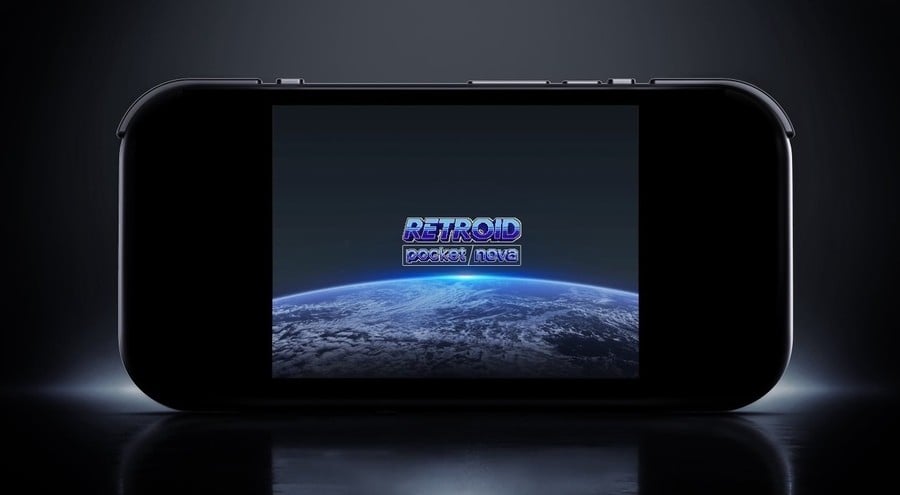
However, beyond these headline features, specific details about the Nova remain largely under wraps. Retroid has not yet released information regarding the screen size, internal specifications (such as the processor, RAM, and storage), battery life, pricing, or an estimated release date. Community analysis, based on the partially obscured image released by Retroid, speculates the screen could be around 4.4 inches, a size that would provide a good balance between portability and immersive gaming. The absence of internal specs is particularly noteworthy, as the performance capabilities will ultimately dictate which generation of consoles the device can reliably emulate. The partially obscured image itself, featuring a blacked-out control panel, is a deliberate marketing tactic, likely designed to generate anticipation and facilitate a drip-feed of information over the coming weeks, a common strategy in the tech industry to maintain engagement and control the narrative.
Community Anticipation and Skepticism
The announcement of the Retroid Pocket Nova has elicited a mixed reaction from the handheld emulation community. On one hand, there is genuine excitement about the prospect of a Retroid device with a true 4:3 OLED screen. The combination of these features represents a highly desirable configuration for many retro gaming purists. The company’s reputation for solid build quality and user-friendly software (typically Android-based, offering broad emulator compatibility) means that a well-executed Nova could quickly regain favor.
However, a strong undercurrent of skepticism persists, a direct consequence of the Pocket Mini incident. Many community members express a "wait and see" attitude, emphasizing that claims must be substantiated with verifiable technical details and, ultimately, positive reviews from early adopters. Discussions on platforms like Reddit and dedicated forums frequently reference the past controversy, with users cautioning against premature enthusiasm. There’s a clear demand for transparency from Retroid regarding the Nova’s specifications, particularly confirmation of the screen’s native resolution and aspect ratio, to avoid a repeat of past deceptions. The community is eager to see whether Retroid has truly learned its lesson and is committed to delivering on its promises without ambiguity.
Strategic Unveiling: Retroid’s Marketing Approach
Retroid’s current marketing strategy for the Nova appears to be a carefully orchestrated campaign, likely designed to manage expectations and gradually rebuild confidence. The initial tease, featuring a prominent, high-quality image of the device but deliberately obscuring key details like the control layout and internal specifications, serves multiple purposes. Firstly, it generates buzz and speculation, keeping the product in the news cycle for an extended period. Secondly, it allows Retroid to control the flow of information, addressing potential concerns incrementally rather than facing a barrage of questions all at once. This measured approach is particularly prudent given the company’s recent history. By highlighting the "Modern OLED" and "4:3 aspect ratio" upfront, Retroid is directly addressing the core grievances from the Pocket Mini era, signaling a strategic pivot towards transparency and user-centric design in critical areas. The gradual reveal also provides time for the company to finalize details and potentially incorporate feedback, even if indirectly, from initial community reactions.
Industry Perspectives on Trust and Innovation
Industry analysts view the Retroid Pocket Nova as a pivotal product for the company. "In a highly competitive market like handheld emulation, consumer trust is paramount," stated Dr. Eleanor Vance, a technology analyst specializing in consumer electronics. "Retroid’s misstep with the Pocket Mini was a significant blow, and the Nova represents a critical opportunity for them to demonstrate their commitment to quality and transparency. The explicit mention of a native 4:3 OLED screen is a clear acknowledgment of past errors and a strong signal of intent." Vance further noted that the handheld market rewards innovation and authenticity. "If the Nova delivers on its promises, particularly in terms of display quality and accurate emulation capabilities, it could re-establish Retroid as a leader. However, any deviation from these stated claims will be met with even greater scrutiny and could permanently damage their brand."
The move to OLED technology is also seen as a necessary evolution. "OLED panels are becoming increasingly affordable and offer a superior visual experience, especially for games with rich color palettes and deep blacks," commented Marcus Chen, a hardware engineer and retro gaming enthusiast. "For emulation, where visual fidelity to original hardware is often a goal, OLED is a natural fit. The challenge for Retroid will be to integrate this technology flawlessly with a true 4:3 aspect ratio, ensuring perfect integer scaling and minimal latency."
The Road Ahead: Implications for Retroid and the Market
The success of the Retroid Pocket Nova carries significant implications for Retroid’s future standing in the fiercely competitive handheld emulation market. A successful launch, characterized by a device that truly delivers on its advertised features – particularly the native 4:3 OLED screen – could serve as a powerful testament to Retroid’s commitment to quality and customer satisfaction. It would enable the company to not only regain lost trust but potentially attract new customers who prioritize authentic retro gaming experiences. Conversely, any failure to meet these new, heightened expectations, or any recurrence of past issues, could irrevocably damage the brand’s reputation, pushing consumers towards competitors who have demonstrated more consistent reliability.
Beyond Retroid itself, the Nova’s journey will also serve as a case study for the broader handheld emulation industry. It underscores the critical importance of transparent marketing, accurate product specifications, and responsive customer service. As the market continues to mature, consumer discernment will only increase, demanding higher standards from all manufacturers. The Retroid Pocket Nova, therefore, is more than just a new product; it is a critical endeavor to mend a fractured relationship with its community and reaffirm its position as a trusted innovator in the world of retro handheld gaming. The coming weeks, as Retroid gradually unveils more details, will be crucial in shaping the narrative and determining whether the Nova can truly erase the shadow of the Pocket Mini.