Ganda Hendra Perkasa
The Video Game History Foundation (VGHF) has announced the appointment of Meera Swanson as its new Development Manager, a pivotal role aimed at strengthening relationships with the organization’s supporters and ensuring the continued growth of its vital preservation efforts. Swanson, a seasoned professional with a decade of experience in nonprofit development, brings a unique blend of fundraising expertise and a lifelong passion for video games to the VGHF. Her arrival marks a significant step in the organization’s mission to safeguard and make accessible the rich history of video games.
A Decade of Dedication to Non-Profit Advancement
Swanson’s career in development, the non-profit sector’s term for fundraising, has spanned over ten years, with a primary focus on critical areas such as education, youth development, and legal aid. Her comprehensive experience encompasses a wide array of fundraising activities, including the meticulous crafting of grant proposals, the organization of impactful fundraising events, and the cultivation of meaningful relationships with donors. This diverse background has equipped her with a deep understanding of the financial and strategic imperatives that drive non-profit operations, skills that are directly transferable to the unique challenges and opportunities faced by the VGHF.
"I’ve had the privilege of working in development for a number of amazing organizations over the past ten years," Swanson stated in an introductory message to the VGHF community. "From organizing fundraising events, writing grants, and working with donors, I’ve done a little bit of everything related to bringing in the funds that nonprofits need to carry out their work." This breadth of experience suggests an adeptness in diversifying funding streams and building a robust financial foundation, crucial for an organization dedicated to long-term archival and research initiatives.
A Lifelong Gamer’s Journey to Preservation
Beyond her professional acumen, Swanson is a dedicated and enthusiastic lifelong gamer. Her personal connection to the medium adds a layer of authenticity and passion to her new role. Her childhood favorites include iconic franchises such as Pokémon, The Legend of Zelda, and the Nancy Drew PC game series. As she matured, her gaming palate expanded to encompass a wide array of genres, with a particular fondness for RPGs like Final Fantasy (specifically VII, VIII, and X), zombie-themed games, and atmospheric horror titles. Her current gaming interests reflect a contemporary engagement with the medium, including shooters like Borderlands and ARC Raiders, and she actively participates in the online/mobile game Last War, where she co-leads an alliance.
This deeply ingrained personal connection to gaming was a significant factor in her pursuit of the position at the VGHF. "When I saw the job posting from the VGHF, I think I screamed," Swanson admitted. "This role is a big step forward in my development career AND I get to connect with folks that share a love of gaming and history. It still feels too good to be true." Her positive initial impressions were solidified after meeting with Frank Cifaldi, the founder and executive director of the VGHF, and the broader team, leading her to describe the opportunity as "incredibly lucky." This personal investment is likely to translate into a more committed and effective approach to fundraising, as she can genuinely articulate the value and importance of the VGHF’s mission.
First Month Observations: A Foundation Built on Inclusivity and Generosity
Swanson’s initial month at the VGHF has provided her with a profound appreciation for the organization’s core philosophy and operational ethos. She noted that the most striking aspect is "the sheer depth of what this organization is building, not just as a collection of interesting items, but as a resource that’s open to everyone." This observation underscores the VGHF’s commitment to democratization of historical access, moving beyond a traditional, exclusive archival model to one that empowers individuals to become historians in their own right.
The VGHF was founded on the principle that "with the right tools, anyone can be a video game historian." Swanson’s firsthand experience has confirmed the seriousness with which this mission is pursued. Every decision, from acquisition strategies to digitization efforts, appears to be guided by this inclusive vision. Furthermore, she was particularly impressed by the "generosity of the people who make this possible: developers, collectors, journalists, citizen archivists, and supporters like you who understand that games are culture worth preserving." This highlights a vibrant ecosystem of contributors, demonstrating the broad appeal and recognized importance of video game history as a cultural discipline. The VGHF’s success is clearly a collective endeavor, built on the contributions of a diverse community.
Unearthing Treasures: Collection Highlights that Resonate
Swanson has already begun to explore the VGHF’s extensive collection and digital archive, identifying several items that have particularly captured her attention. These selections offer a glimpse into the breadth and depth of the VGHF’s holdings and resonate with her personal interests, underscoring the organization’s ability to connect historical artifacts with individual passions.
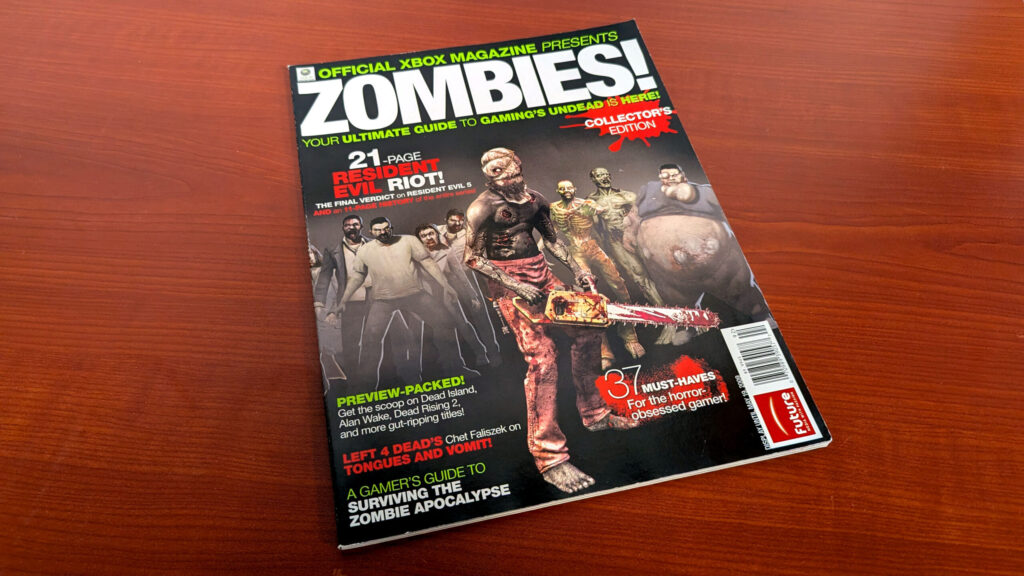
Official Xbox Magazine Presents Zombies!
One of the early discoveries that left a lasting impression was an issue of Official Xbox Magazine Presents Zombies! She recalled how Frank Cifaldi, during her first week, "casually pulled this from a stack of magazines after I mentioned I loved zombie games." Swanson distinctly remembers owning this specific issue during her formative years as a gamer. The act of flipping through its pages was akin to opening a time capsule, transporting her back to 2009. The magazine provided insights into beloved titles like Resident Evil and introduced her to anticipated new releases such as BioShock 2. The articles, references, and even the advertisements evoked a strong sense of nostalgia and familiarity, illustrating how tangible media can serve as powerful conduits to personal and collective memory. This item is a testament to the VGHF’s efforts to preserve not just games, but also the surrounding cultural ephemera that contextualizes their impact.
The preservation of gaming magazines is a critical component of understanding the historical narrative of video games. These publications served as primary sources of information, community hubs, and advertising platforms during the formative decades of the industry. Their content offers invaluable insights into player reception, critical discourse, marketing strategies, and the evolution of gaming culture. The VGHF’s acquisition and digitization of such materials allow for a more comprehensive and nuanced understanding of gaming history, moving beyond the games themselves to encompass the broader cultural landscape in which they existed.
The Feminist Frequency Collection
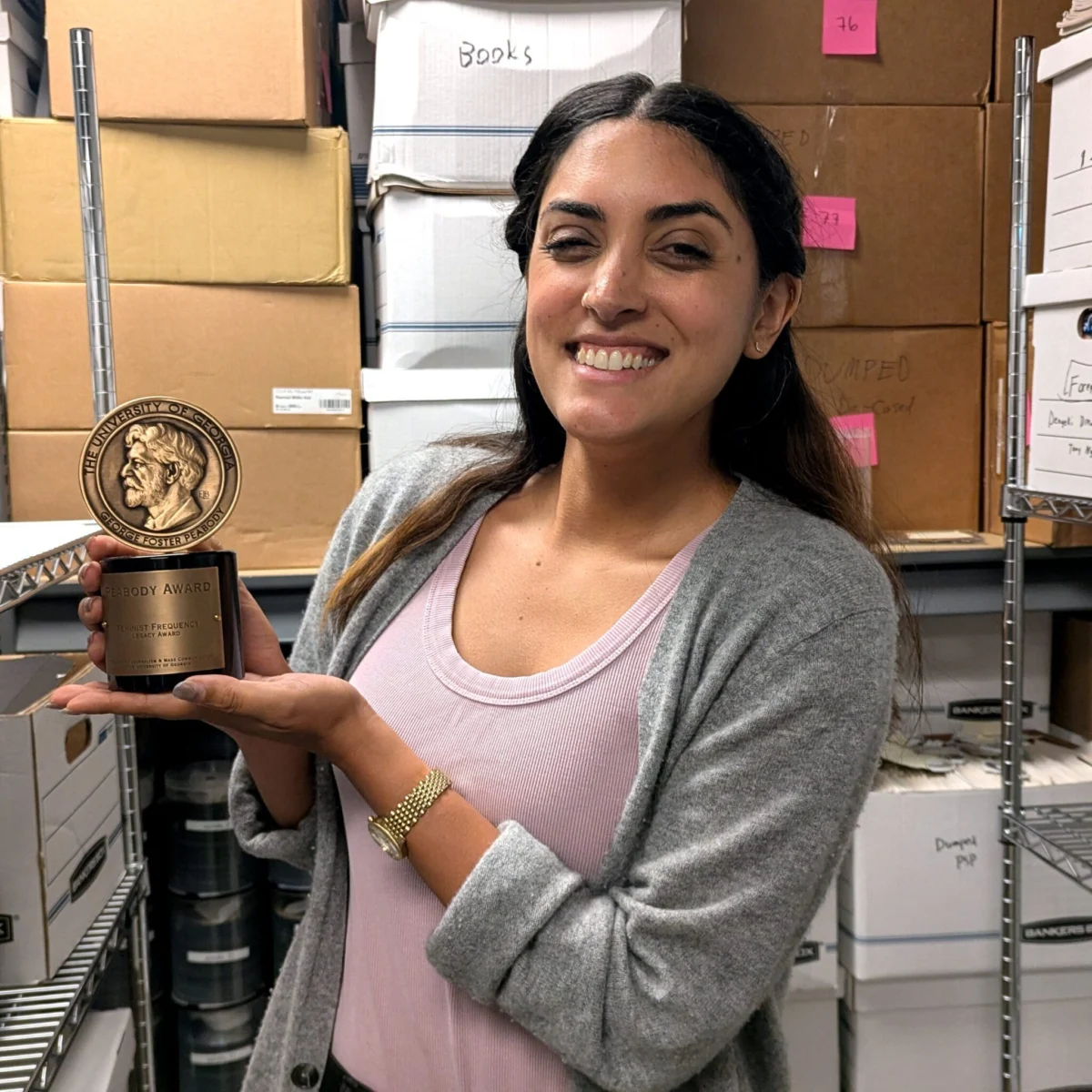
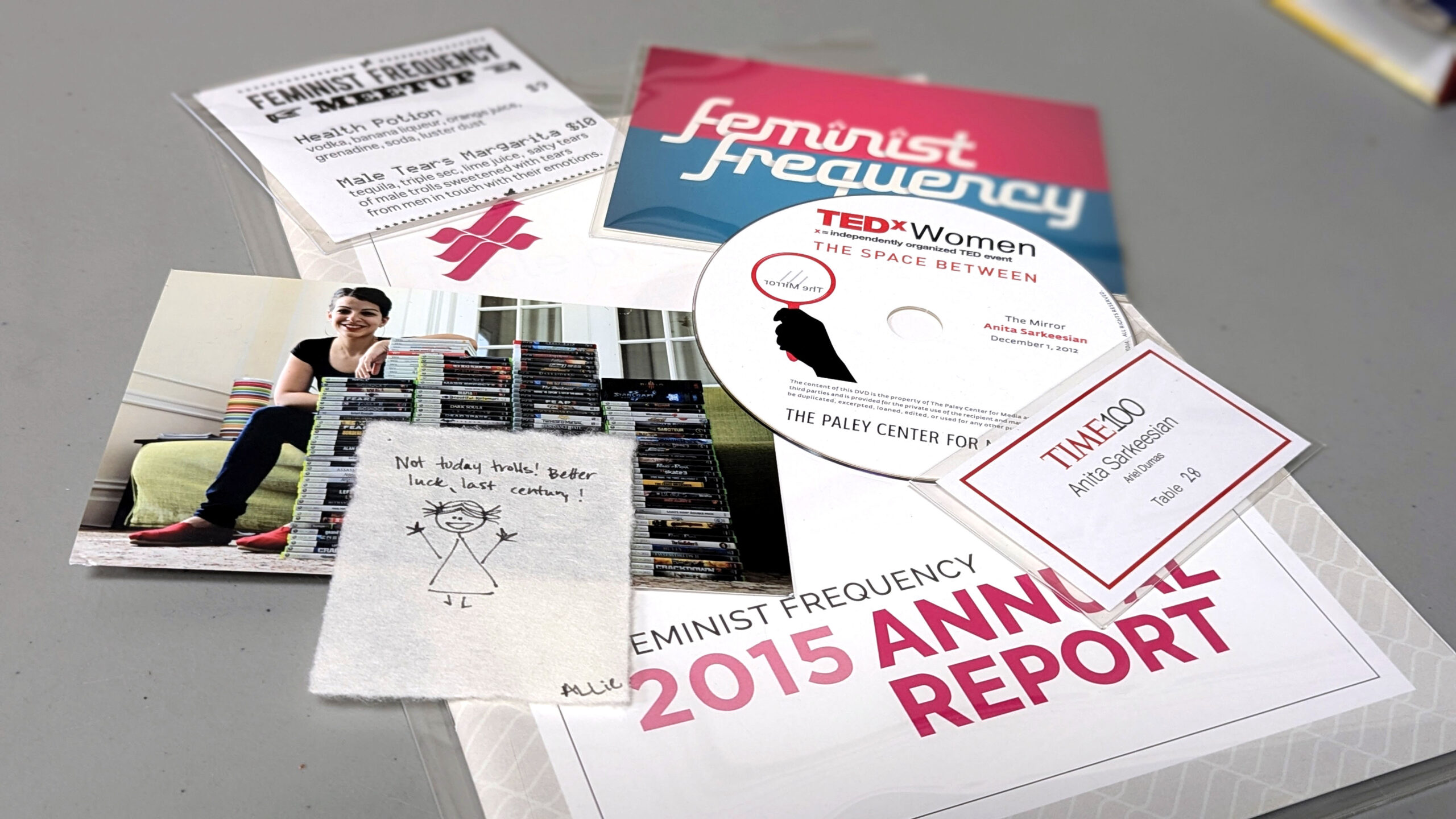
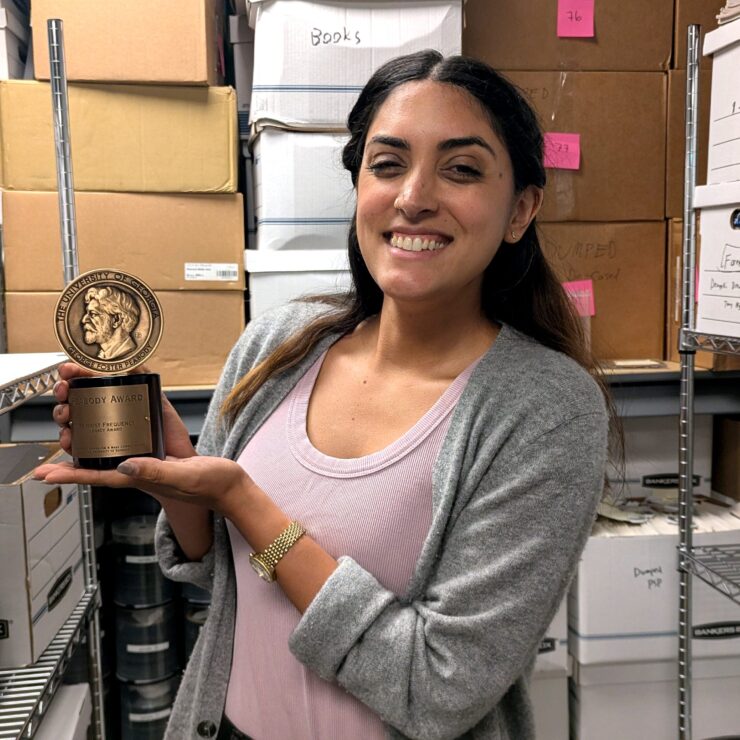
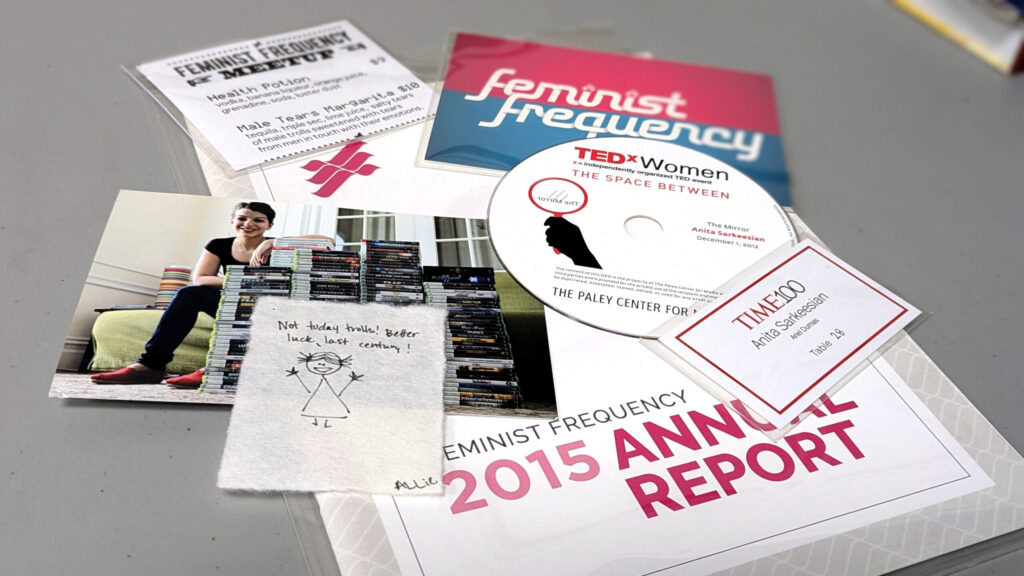
Another significant discovery for Swanson was the Feminist Frequency collection. This collection is associated with Anita Sarkeesian and her groundbreaking "Tropes Vs. Women in Video Games" series, which played a crucial role in introducing a cultural perspective to game analysis, encouraging a deeper examination of games beyond their entertainment value. For Swanson, Sarkeesian was an admired figure during her teenage years as a gamer. Stumbling upon boxes labeled "Anita" in the VGHF library was a moment of profound personal connection. She had the opportunity to examine Sarkeesian’s reference materials, appreciate the clever Feminist Frequency merchandise, and even hold her Peabody Award.
The inclusion of the Feminist Frequency collection in the VGHF’s archives is particularly noteworthy. It signifies the organization’s commitment to preserving not only the technological and commercial aspects of gaming but also the critical and academic discourse surrounding the medium. Sarkeesian’s work challenged prevailing norms and sparked important conversations about representation, gender, and the societal impact of video games. By archiving her materials, the VGHF acknowledges the significant contribution of critical analysis to the ongoing history of video games, ensuring that these vital discussions are preserved for future generations of scholars and enthusiasts. The collection serves as a powerful reminder that the history of video games is intertwined with broader social and cultural movements.
Original Hand-Drawn Art from Disney’s Aladdin for the Sega Genesis
Swanson also found the original hand-drawn art from Disney’s Aladdin for the Sega Genesis to be "really interesting." This artwork sheds light on the intricate animation process involved in the game’s development. Sketches depicting Aladdin in various actions—running, jumping, falling—were sent from the game’s art director, Mike Dietz, to Disney animators. This collaborative process ensured that the game’s visual presentation was remarkably accurate to the film’s aesthetic. The VGHF has also published a blog post detailing the source code for this game, exploring what makes it so special and visually striking.
The preservation of original development art is crucial for understanding the creative and technical processes behind game creation. These artifacts provide tangible evidence of the artistry, innovation, and problem-solving that go into bringing interactive experiences to life. For a game like Aladdin, which was renowned for its fluid animation and faithfulness to the beloved animated film, the preservation of its developmental art offers invaluable insights into how those visual achievements were realized on the limited hardware of the Sega Genesis. This not only contributes to the historical record of game development but also highlights the artistic merit of early video games as a form of digital art. The VGHF’s initiative to document and share such materials, like the blog post on the source code, further enhances the accessibility and educational value of its collection.
The Road Ahead: Continued Preservation and Community Engagement
Swanson emphasized that many of the "unbelievably cool finds" within the VGHF’s collection are still awaiting processing and digitization. While the digital library is already a significant resource, thousands of materials require preservation and dissemination. She expressed her eagerness to contribute to the ongoing growth of these efforts, ensuring that the Foundation can preserve an even greater volume of rare and historically significant materials. This forward-looking perspective highlights the continuous nature of archival work and the ongoing need for support to sustain and expand these crucial endeavors.
The VGHF’s commitment to processing and digitizing its backlog is essential for fulfilling its mission of making video game history accessible. The rate at which new materials are acquired, often through generous donations, necessitates a sustained effort to catalog, preserve, and present them to the public. This ongoing work is not only about safeguarding artifacts but also about building a dynamic and evolving resource for researchers, educators, and enthusiasts worldwide.
Swanson is actively seeking to connect with the VGHF community. She has extended an open invitation for individuals to share their motivations for supporting the Foundation, their aspirations for its future endeavors, or simply to engage in conversation. This commitment to open communication and community involvement is a cornerstone of her development strategy. Supporters can reach her directly via email at [email protected]. Furthermore, she can be found engaging with the community on Discord and participating in monthly Patreon member hangouts, fostering a sense of shared purpose and collective ownership of the VGHF’s mission.
"Thank you for being part of this," Swanson concluded. "The history we’re saving together belongs to all of us." This sentiment encapsulates the VGHF’s ethos of collaborative preservation and shared cultural heritage. The ongoing work of the Video Game History Foundation, bolstered by the expertise and passion of individuals like Meera Swanson, is crucial for ensuring that the legacy of video games is not only preserved but also understood, appreciated, and studied for generations to come. The organization’s continued efforts to expand its collection, enhance its digital resources, and engage its community underscore its pivotal role in shaping the academic and public understanding of this influential medium.