Ganda Hendra Perkasa
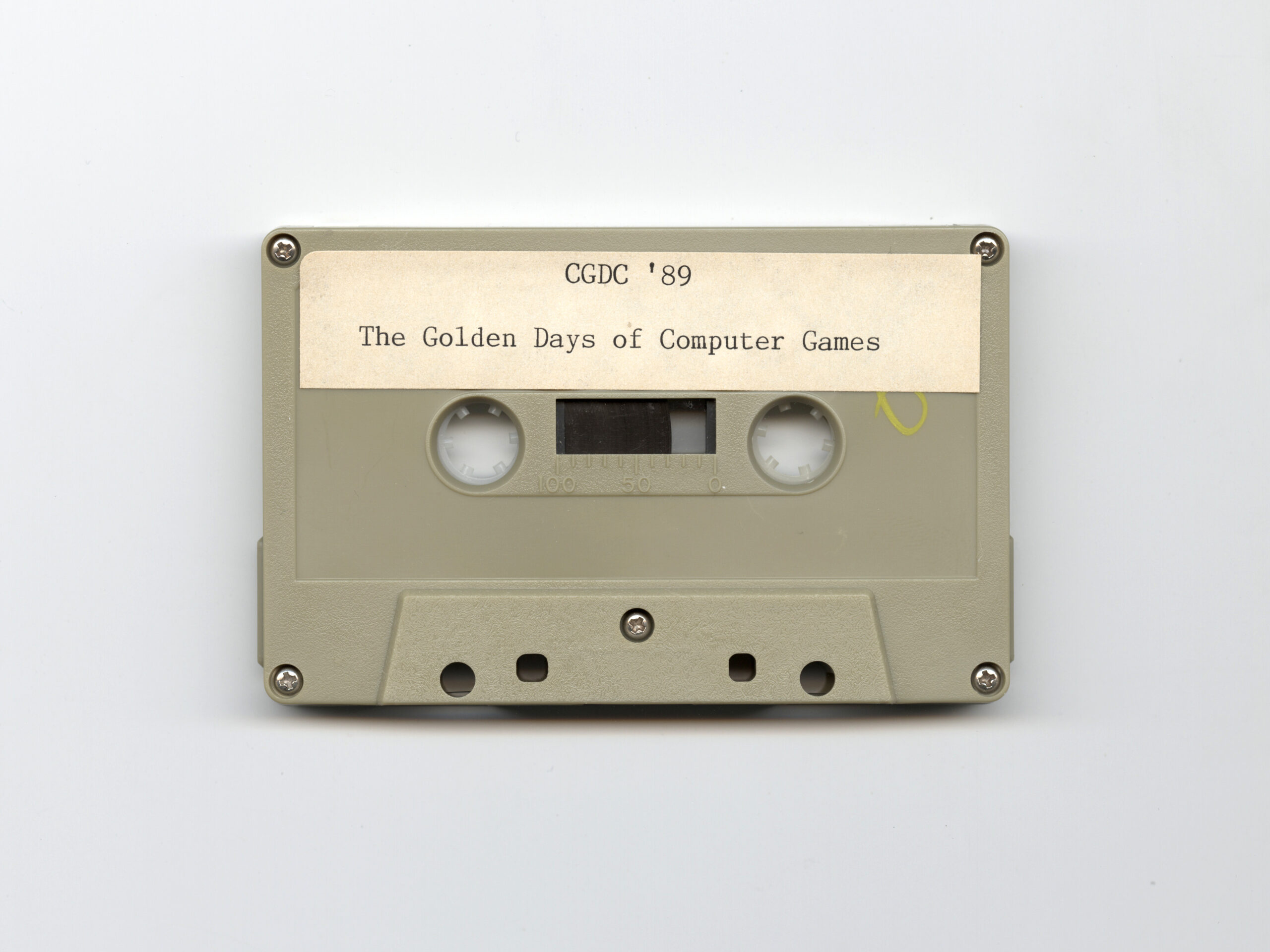
The digital archives of video game history have been significantly enriched with the recent release of digitized lecture recordings from the 1989 Computer Game Developers’ Conference (CGDC). This groundbreaking collection, unveiled shortly after the conclusion of the 2026 GDC, offers an unparalleled window into the nascent stages of the computer game industry. The conference, then in its third iteration, convened in May 1989 at the Sunnyvale Hilton Hotel, bringing together a relatively small but highly influential group of pioneers who would shape the future of interactive entertainment. The preservation and subsequent digitization of these audio recordings, many of which were meticulously dubbed by GDC co-founder Tim Brengle, represent a triumph of historical preservation, offering invaluable insights into the challenges, aspirations, and foundational ideas of early game development.
The Genesis of a Community: CGDC 1989 in Context
The landscape of computer game development in 1989 was vastly different from the global, multi-billion dollar industry it is today. The community was characterized by its intimate size and a palpable sense of shared endeavor. Estimates suggest that CGDC 1989 drew approximately 300 attendees, a stark contrast to the tens of thousands who now flock to the annual Game Developers Conference. This intimate setting fostered a collegial atmosphere, evidenced by the frequent instances within the recordings where speakers address audience members by their first names, underscoring the close-knit nature of the early development scene. Many of these individuals were not only peers but also collaborators and even competitors, forging relationships that would define the trajectory of the burgeoning field.
The significance of these recordings is amplified by the caliber of individuals who participated in the 1989 conference. The roster of speakers reads like a who’s who of early computer game luminaries, many of whom have since achieved legendary status. Among them are pioneers like Danielle Bunten Berry, Bing Gordon, Chris Crawford, Richard Garriott, and Steve Cartwright, whose contributions laid the groundwork for genres and design philosophies that continue to influence game development today. The availability of these recordings provides an unprecedented opportunity to hear directly from these foundational figures as they discussed their craft, their challenges, and their visions for the future of interactive entertainment.
A Sonic Time Capsule: Key Talks and Their Significance
The newly released collection features a curated selection of talks that offer diverse perspectives on the state of the industry in 1989. These recordings are not merely historical artifacts; they are vibrant discussions that reveal the thought processes and concerns of developers at a critical juncture.
"The Golden Days of Computer Games": Nostalgia for the Recent Past
One of the most striking sessions, "The Golden Days of Computer Games," showcases a panel of esteemed game developers engaging in a discussion that, even in 1989, looked back with a sense of nostalgia to the early 1980s. This highlights the rapid pace of evolution within the industry, where even a few years could represent a significant shift. The speakers, including Dani Bunten, Steve Cartwright, Chris Crawford, Jon Freeman, and Richard Garriott, reminisced about a time when developers often handled game packaging themselves, sometimes using simple Ziploc bags, and when the concept of video games as a major industry was far from assured. This talk provides a poignant reminder of the entrepreneurial spirit and the inherent uncertainty that characterized the early days of game creation. The discussion underscores a fundamental truth: innovation often breeds its own history, and even pioneers begin to look back as they push forward.
"Movies and Games: Living with a License": The Dawn of Transmedia Franchising
The panel titled "Movies and Games: Living with a License" delves into the complex relationship between the burgeoning computer game industry and the established world of film and television. Four game producers convened to discuss the inherent challenges and emerging opportunities presented by working with licensed intellectual properties. The session offers a fascinating glimpse into the production of games based on popular media, including a detailed discussion about the development of the Three Stooges computer game. Furthermore, the recording captures candid industry gossip concerning notoriously difficult licensed projects, such as the Barbie game for the Commodore 64, a testament to the often turbulent nature of adapting beloved characters and stories for interactive experiences. This discussion foreshadows the massive transmedia strategies that would become commonplace in later decades, revealing that the desire to leverage popular culture for games was present from the industry’s formative years.
"The Press and Games": Navigating Media Relations in a New Frontier
"The Press and Games" presents an insightful dialogue between Johnny Wilson, an editor at Computer Gaming World, and Charlotte Taylor-Skeel, the public relations manager for Accolade. Their conversation explores the symbiotic yet often challenging relationship between game publishers and the media. The fact that such a discussion was deemed necessary and significant at the 1989 CGDC underscores the growing awareness among developers and publishers of the crucial role the press played in shaping public perception and driving sales. In an era before the internet and ubiquitous social media, established print publications held immense sway, and understanding how to effectively communicate with them was a vital skill for any company aiming for success. This talk reveals a sophisticated understanding of public relations and marketing strategies emerging within the industry.
"Interactive Storytelling": Exploring Narrative in Early Games
Dave Albert’s presentation, "Interactive Storytelling," originating from Electronic Arts, begins as a lecture on narrative construction but quickly evolves into a dynamic, Socratic exchange with the audience. This format highlights the interactive nature of the conference itself and the desire among attendees to engage directly with the concepts being presented. The recording offers intriguing moments where Albert addresses individuals in the audience by name, prompting speculation about the identities of those present. The mention of "Brenda," who could potentially be Brenda Laurel or Brenda (Garno) Romero, underscores the close-knit and interconnected nature of the early game development community, where prominent figures were often familiar with one another. This talk speaks to the enduring quest to craft compelling narratives within the unique framework of interactive media.
"The Publishers’ Panel": Facing "The Slump" and Challenging Dominant Platforms
The concluding session, "The Publishers’ Panel," brings together leading executives from major American computer game companies to discuss the industry from their vantage point. A central theme of this panel is the perceived "slump" in the US computer game market, a testament to the cyclical nature of the industry even in its early stages. The recording captures a particularly fiery segment featuring Trip Hawkins, who vociferously criticizes Nintendo’s closed ecosystem practices for the Nintendo Entertainment System (NES). Hawkins’s assertion that the NES "is not gonna go on forever" is a remarkable piece of foresight, demonstrating an early understanding of market dynamics and the potential for platform diversification. This panel provides critical economic and strategic context for the period, revealing the anxieties and bold predictions of industry leaders grappling with market saturation and the dominance of console platforms.
A Glimpse Beyond the Recordings: Unanswered Questions and Ongoing Preservation Efforts
While the collection is remarkably comprehensive, it is believed to be missing two talks from CGDC 1989. The exact nature of these missing sessions and whether they were recorded at all remains a subject of ongoing investigation. Furthermore, the conference featured 22 roundtable discussions, including a notable session with counterculture icon Timothy Leary. The absence of recordings for these smaller, more informal gatherings means that a complete auditory experience of the 1989 event remains elusive. However, the current collection offers the closest possible approximation to being present at the Sunnyvale Hilton alongside those 300 game designers as they laid the groundwork for their craft.
The effort to catalog this invaluable collection was significantly aided by the Department of Special Collections at Stanford University Libraries. Their provision of a copy of the CGDC 1989 program from the Steve Meretzky papers served as a crucial reference point for identifying speakers and sessions. The Game Developers Conference has graciously permitted the sharing of these recordings, and the dedication of GDC co-founder Tim Brengle, who personally dubbed many of these tapes, is recognized with immense gratitude. The 37-year delay in making these recordings publicly accessible underscores the challenges inherent in preserving analog media, but the impact of this release is undeniable.
The Future of Digital Archives and Community Support
These historical recordings are now freely accessible as part of the growing digital library maintained by the Internet Archive, a vital resource for video game history research materials. Projects of this magnitude, which involve the acquisition, digitization, and cataloging of fragile historical media, are heavily reliant on public support. The investment in new audio digitization equipment for this project signifies a commitment to ongoing preservation efforts, ensuring that future generations will have access to the rich history of interactive entertainment. The continued support of enthusiasts and institutions alike is paramount to expanding these digital archives and safeguarding the legacy of game development. The release of the CGDC 1989 recordings is not just an archival achievement; it is an invitation to engage with the foundational moments of an industry that continues to shape our cultural landscape.