Cecilia Chamidah Nur
Kazuma Kujo, director of the seminal Metal Slug, once delivered a revelation that reverberates through the annals of gaming history: the game’s iconic soldiers, Marco and Tarma, were not part of its original vision. This bombshell unveils the existence of "Metal Slug Zero," a radically different initial iteration where the eponymous Metal Slug Super Vehicle 001 tanks were intended as the sole playable characters. This extraordinary genesis, a testament to creative conflict and arduous redesign, marks a pivotal chapter in the making of a beloved arcade masterpiece, now celebrating its 30th anniversary.
The Enigma of Creation: Unmasking the Developers
For nearly 12 years following its Neo Geo MVS release in April 1996, the true architects behind Metal Slug remained shrouded in mystery. The industry practice of using pseudonyms, with Kujo himself credited as "Kire-Nag" in the end credits, obscured the identities of the brilliant minds at Nazca Corporation. This veil of anonymity was characteristic of Japanese game development during that era, where companies often prohibited the disclosure of staff names, fostering an insular environment.
A significant breakthrough arrived in January 2008 when Time Extension contributor and mecha expert Ollie Barder, in an interview on the Insert Credit forums, noted Metal Slug in Kazuma Kujo’s portfolio while discussing R-Type Final. This subtle clue ignited a decade-long quest for recognition, culminating four years later in the first English-language email interview with Kujo for Retro Gamer magazine issue #98. The answers, though brief and translated by school friends, offered the first glimpse into the game’s true lineage.
Further illuminating the narrative, the author of this article embarked on an extensive three-month stay in Japan, interviewing over 80 developers for The Untold History of Japanese Game Developers trilogy. Meeting Kazuma Kujo in Tokyo became a paramount objective. The three-hour interview delved deep into his career, from joining Irem to co-founding Nazca, working with SNK and the Neo Geo, and his involvement in creating titles like In The Hunt, Metal Slug, Steambot Chronicles, multiple R-Type installments, and the Disaster Report series. Kujo’s extensive and varied portfolio underscores his profound impact on the industry.
Irem’s Legacy and the Birth of Nazca
Kujo’s journey began in 1989 at Irem, initially as a tester for R-Type II. He humorously recounts being selected for the role due to his self-proclaimed incompetence at shooting games, a stark irony given his later directorial role in In The Hunt, a magnificent shmup that cleverly subverts genre conventions. After R-Type II, Kujo contributed to Shisenshou: Match-Mania (GB, 1990), Air Duel (ARC, 1990, credited as "Tsumi-Nag"), and Superior Soldiers (ARC, 1993, "Oni-Nag") before directing In The Hunt (ARC, 1993, "Tobi-Nag").
The consistent use of "Nag" suffixes and changing nicknames, such as "Oni" (ogre/demon), "Kire" (anger/snapping), and "Tsumi" (sin/wrongdoings), reflected Kujo’s youthful frustrations and ambition during his twenties as a game developer. This candid insight into developer psychology adds a unique layer to understanding the creative pressures of the time.
The true crucible for Metal Slug was the dissolution of Irem’s gaming division. In a significant industry event, Irem’s decision to exit the gaming business left over 100 staff members seeking new opportunities at companies like Konami, Hudson, and Atlus. Amidst this upheaval, approximately 15 Irem veterans, including Kujo, received funding from SNK – ironically, one of their main rivals in Osaka – to establish Nazca Corporation.
Kujo recounted the challenging transition: "It was hard to comprehend we had to make games for a company that, until just a few days ago, were our rivals." This shift required a profound adjustment for developers accustomed to a sense of pride and rivalry against SNK, Capcom, and Namco. SNK, however, demonstrated remarkable foresight and respect, allowing Nazca to operate in a separate building. This deliberate distance preserved the team’s unique spirit and culture, preventing forced assimilation into SNK’s existing ethos – a crucial factor in fostering the creativity that would define Metal Slug.
The DNA of a Run-and-Gun Masterpiece
The nascent Nazca team, though newly formed, brought with them a rich heritage of arcade development. While superficial comparisons might link Metal Slug to other legendary run-and-gun series like Contra, its true lineage is deeply rooted in three specific Irem titles: Kujo’s In The Hunt, Meeher’s Undercover Cops, and Geo Storm (also known as Gun Force II), which featured contributions from Hiyamuta, Kurooka, Okui, and Meeher. Metal Slug inherited not just the aesthetics but also the spiritual design philosophy of these predecessors.
Kazuma Kujo and co-designer Meeher, who later took the reins of the Metal Slug series after Kujo’s departure from Nazca, adopted a unique collaborative approach to level design. Kujo, known for his side-scrolling shooters, favored continuously scrolling stages, while Meeher’s experience with Undercover Cops led him to design levels with distinct "scroll and stop" segments. This complementary division of labor, by alternating their respective stage designs, imbued Metal Slug with remarkable variety and dynamism.
Meeher elaborated on his design philosophy, emphasizing "novelty" over imitation. He highlighted the advantages of respawning mechanics in simultaneous multiplayer games, allowing players to progress further and retaining excitement, while acknowledging the potential for "rough edges" and exploits. His meticulous approach to enemy placement and difficulty, ensuring a dynamic and dramatic respawn experience, was crucial for Metal Slug‘s balanced chaos.
In The Hunt, Kujo’s underwater shooter, conceived during a park nap, was particularly influential. Its unique underwater physics affecting vertical weaponry, combined with enemies in air, surface, and sub-aquatic environments, presented a fresh take on the shmup genre in 1993, a period post-Gradius and R-Type but pre-danmaku. The highly animated mechanical designs and deliberate vehicular combat of In The Hunt laid the groundwork for Metal Slug‘s initial tank-only concept.
The Radical Redesign: From "Metal Slug Zero" to Icon
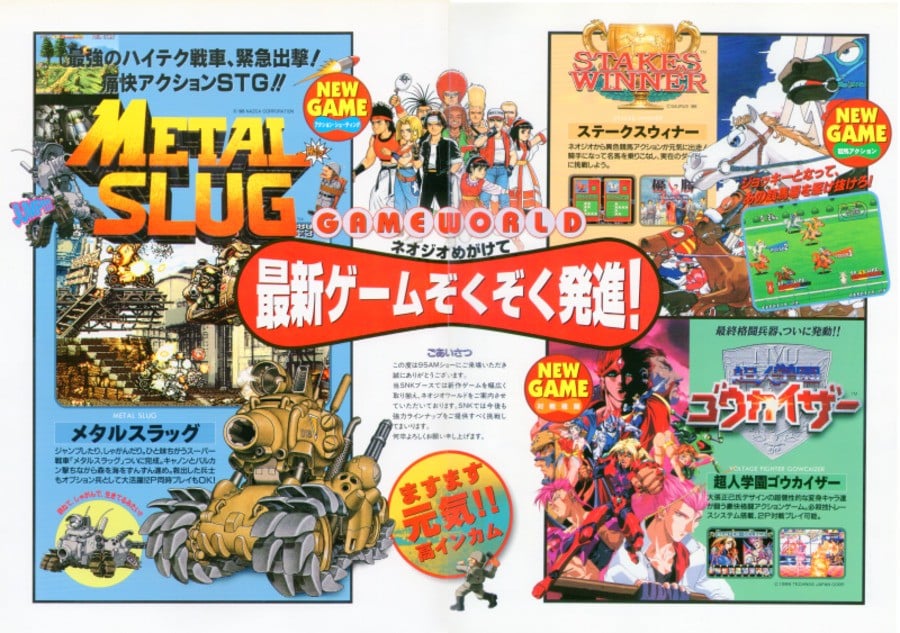
The original tank-centric "Metal Slug Zero" was a painstaking 18-month endeavor for Nazca. However, two discouraging location tests forced a drastic six-month redesign. Kujo revealed in a Retro Gamer interview that the most difficult aspect was "significantly changing the configuration of the player." The tank, while visually appealing, proved cumbersome for players, leading to poor reception.
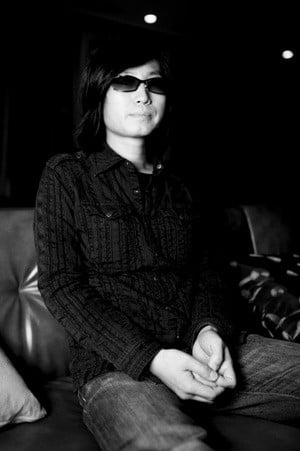
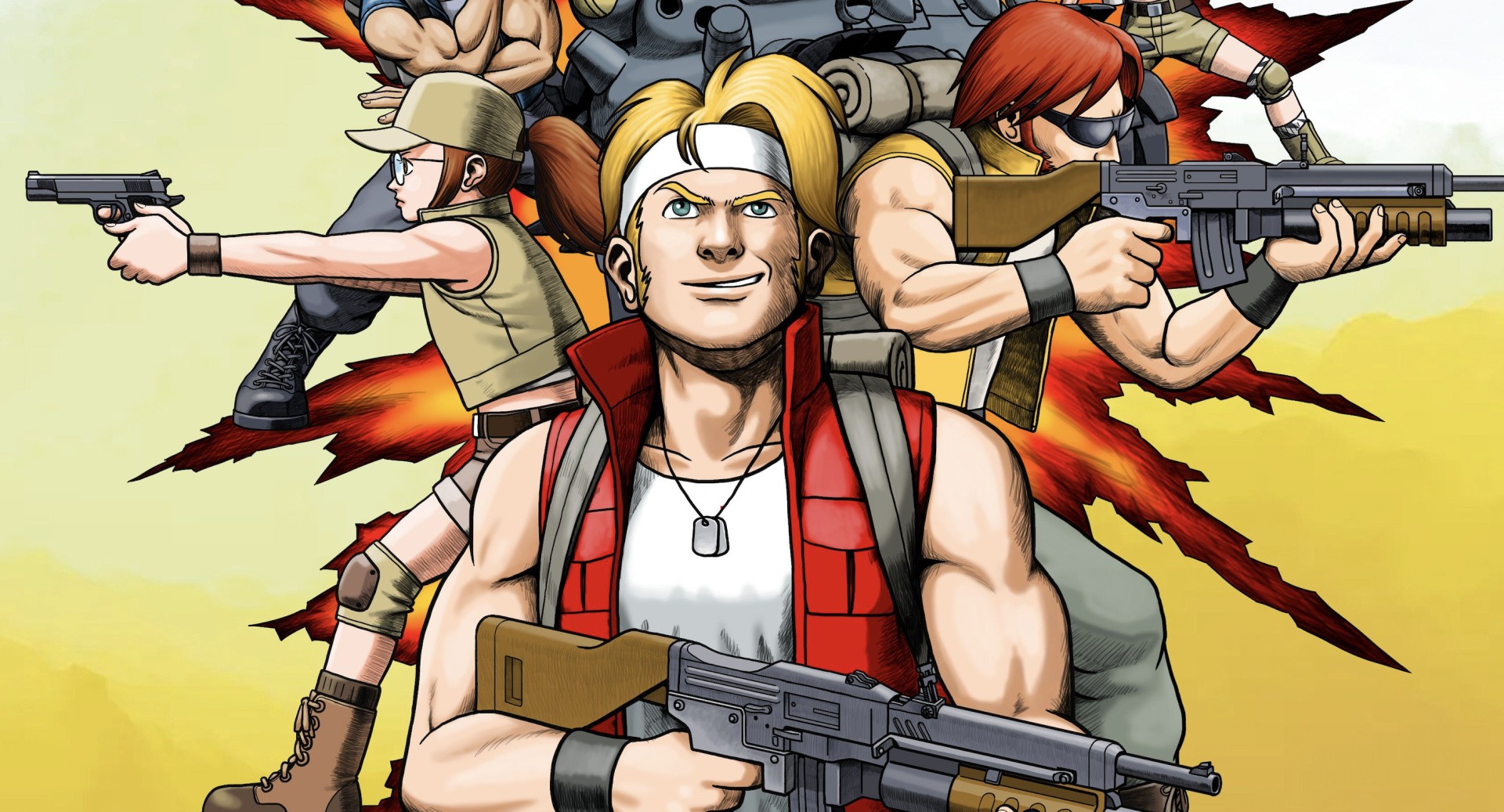
The debate within the team was intense. Management and some staff members, particularly Mr. Akio, were keen to retain the tank as the primary character. Kujo, however, championed the idea of human soldiers. His proposal in a meeting with SNK executive managers was met with silence, but the poor test results necessitated change. The boss, exasperated by the internal deadlock, eventually approved the switch to soldiers like Marco Rossi and Tarma Roving, albeit reluctantly. Kujo’s preference for soldiers with restricted horizontal and vertical firing, mirroring In The Hunt‘s mechanics, was a deliberate design choice, adding strategic depth by limiting diagonal aiming (aside from the heavy machine gun).
This pivot from a slow-moving tank to nimble human soldiers triggered a gruelling six months of crunch. Every aspect of the game had to be rebalanced: characters redrawn and reanimated, enemy positions adjusted, bullet trajectories reconfigured, and level designs overhauled. The opening stage was extended for faster movement, and the beginning of Stage 3 was completely redesigned from a horizontal snowy forest trek into a vertical mountain climb. Artist Takeshi Okui even famously discovered programmer Andoh Kenji passed out on a toilet floor due to exhaustion. Programmer Shinichi Hamada lamented the loss of the "great first half" of the pre-human Stage 3, where tanks navigated a snow-covered forest.
Kujo’s later interviews with Bitmap Books provided further nuance to this internal conflict. He acknowledged the team’s initial "uneasiness" and the lack of immediate "acknowledgement by the team that it was the right decision," despite the change opening up possibilities for humor, level design, and scenery. The shift transformed Metal Slug into something closer to Geo Storm, a phenomenal run-and-gun in its own right, known for its kinetic energy, dual-wielding weapons, diverse vehicles (including a miniature Gundam-style robot), and intense heavy-metal soundtrack. Geo Storm, though incomplete due to Irem’s closure, showcased innovations like aiming in any direction while clinging to surfaces, elements that informed Metal Slug‘s dynamic gameplay.
Visuals, Influences, and the 2D vs. 3D Era
Metal Slug‘s celebrated 2D pixel art and fluid animation emerged during a critical juncture in the gaming industry. The mid-1990s saw the launch of the Sony PlayStation and Sega Saturn, heralding the advent of 3D graphics. Despite this paradigm shift, Nazca, rooted in Irem’s arcade tradition, chose to develop for the 2D Neo Geo hardware. Kujo, while acknowledging his personal preference for console games and later venturing into 3D with R-Type Delta, affirmed that the choice of 2D for Metal Slug was dictated by the Neo Geo’s capabilities and their arcade heritage.
Visually, Kujo candidly cited Hayao Miyazaki’s Daydream Note (1992) as a significant influence. The book’s exquisite depictions of wartime vehicles with an adorable veneer – soldiers sharing breakfast through portholes, anthropomorphic pigs inhabiting tanks like small homes – undeniably shaped Metal Slug‘s unique aesthetic blend of gritty warfare and whimsical charm. However, Kujo initially demurred when asked about the resemblance between the Slug tank and Masamune Shirow’s Bonaparte tank from the Dominion manga, later admitting to Bitmap Books that it was a likely influence, as Mr. Akio was a fan.
An Unforeseen Legacy
As the Tokyo interview concluded, Kujo expressed his gratitude for the praise Metal Slug received. He revealed a surprising fact: "I was only involved in the first Metal Slug, and the reputation of the first game inside the company was not very good. So I never thought that it would have sequels, like Metal Slug 2 or Metal Slug 3." He admitted to not having played the sequels much, highlighting the initial internal skepticism.
This statement about the game’s poor initial reputation within SNK is crucial. While it was a hit in Europe, setting sales records for SNK Europe President Kazuhiro Takeshita, it took time for Metal Slug to garner full appreciation within its Japanese birthplace. Management eventually warmed to it, with Metal Slug 2 arriving roughly two years later in February 1998, followed by a robust series.
Today, Metal Slug stands as a darling of the Neo Geo library, with original AES cartridges fetching over $20,000, a testament to its enduring quality and collector status. Its existence, however, is a remarkable tale of resilience: born from the closure of the legendary Irem studio, a hundred layoffs, a complete developmental overhaul, and a directorial team grappling with internal dissent. Kujo himself resigned from Nazca after its launch, nearly leaving the industry entirely.
The rich backstory behind this majestic property, extensively documented in books like Metal Slug: The Ultimate History, underscores the profound struggle inherent in its creation. The next time a player inserts a credit to confront General Morden, they are not just engaging with a classic arcade game; they are participating in a legacy forged in the fires of creative tension, technical challenges, and unwavering dedication, making Metal Slug‘s continued existence a true triumph against the odds.