Ganda Hendra Perkasa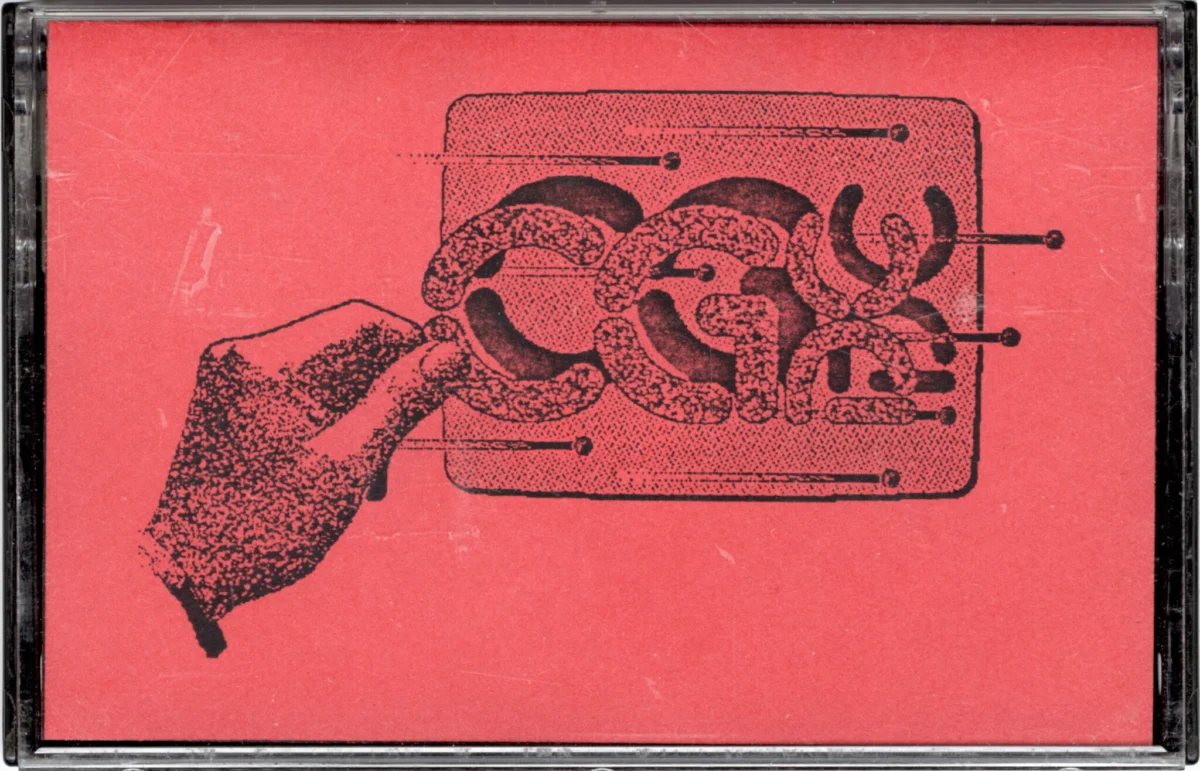
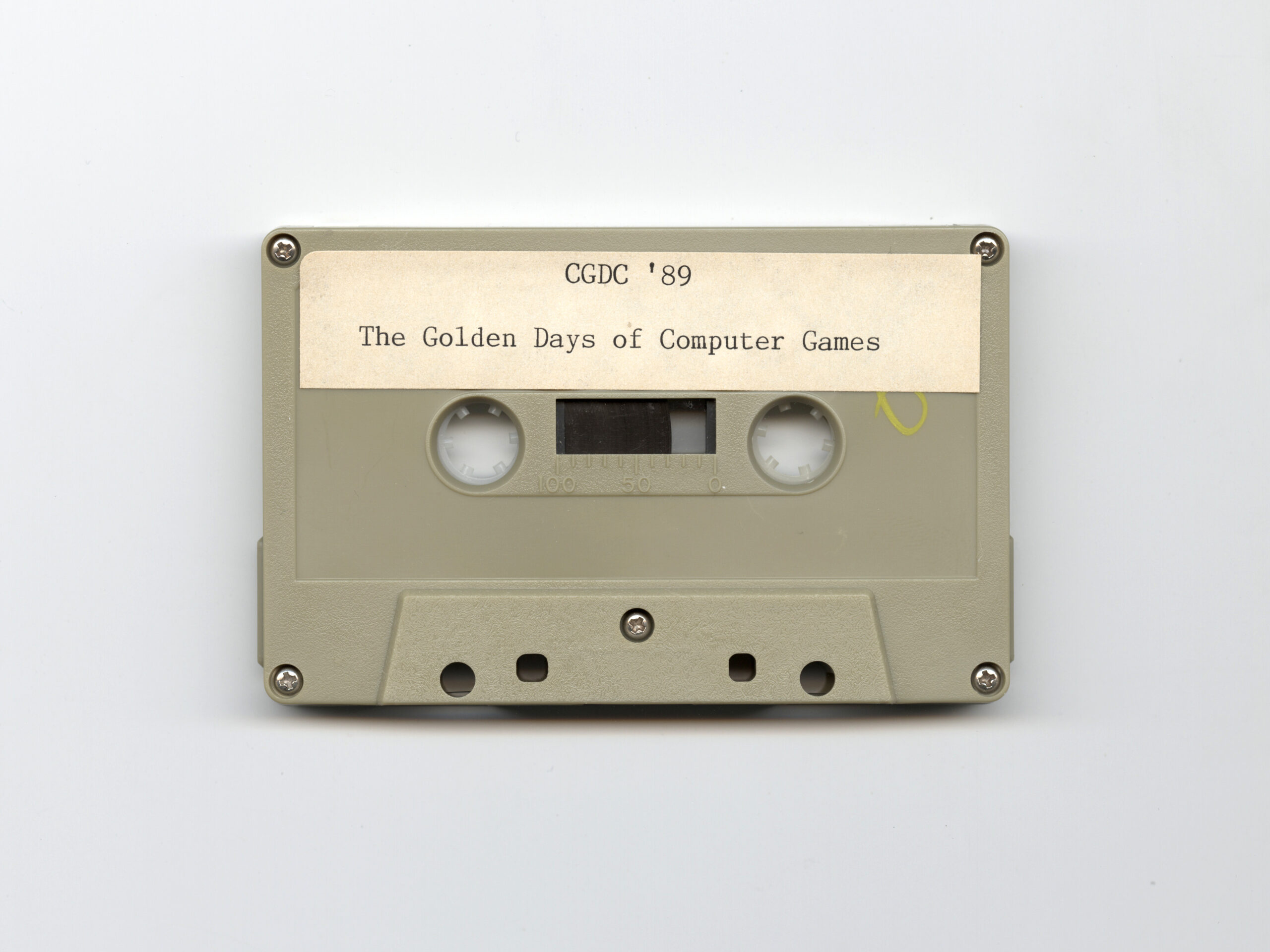
The digital archives of video game history have been significantly enriched with the recent release of digitized audio recordings from the 1989 Computer Game Developers’ Conference (CGDC). This monumental undertaking, announced shortly after the conclusion of the 2026 GDC, offers an unprecedented glimpse into the nascent stages of the computer game industry. The collection, meticulously digitized from original cassette tapes, captures nearly every lecture from the third-ever GDC event, which convened in May 1989 at the Sunnyvale Hilton Hotel. The survival and subsequent digitization of these historical artifacts are remarkable, providing invaluable insights into a period when the computer game industry was on the cusp of explosive growth, yet still operated within a close-knit community of pioneers.
A Glimpse into a Tightly-Knit Community
The 1989 CGDC was a far cry from the sprawling, international phenomenon the Game Developers Conference is today. Estimates suggest that attendance hovered around a mere 300 individuals, a stark contrast to the tens of thousands who now gather annually. This intimate setting fostered a unique collegiality, where speakers frequently addressed audience members by name, a testament to the deep personal connections within the early American computer game development scene. This level of familiarity is palpable in the recordings, offering a human element that underscores the collaborative spirit of the era.
The industry in 1989 was characterized by a pioneering spirit. Developers often worked with limited resources, a sentiment echoed in the archival recordings. The notion of computer games evolving into a major global industry was still a burgeoning concept, and many of the individuals present were laying the foundational stones for what would become a multi-billion dollar sector. The fact that these recordings have survived at all is a testament to the foresight of individuals like GDC co-founder Tim Brengle, who personally dubbed these cassette tapes, ensuring their preservation for future generations.
Luminaries of the Early Game Industry
The roster of speakers at CGDC 1989 reads like a who’s who of early computer game development luminaries. The newly released recordings feature talks from individuals who would go on to shape the trajectory of the industry. Among the prominent figures whose voices are preserved are:
- Danielle Bunten Berry: A trailblazing designer known for seminal titles like The Oregon Trail and M.U.L.E.
- Bing Gordon: Who would later become a pivotal figure at Electronic Arts and a driving force in the industry.
- Chris Crawford: A designer and theorist whose influential work includes Eastern Front (1941) and Balance of Power.
- Richard Garriott: The visionary behind the Ultima series, a franchise that defined the role-playing genre for decades.
- Steve Cartwright: A prolific game designer responsible for hits such as The Seven Cities of Gold and Shanghai.
The presence of these and other influential figures underscores the significance of CGDC 1989 as a crucial gathering point for the industry’s most innovative minds. Their discussions, preserved on these tapes, offer direct insights into their creative processes, business strategies, and their evolving understanding of the medium.
Key Talks Shedding Light on the Past
The collection includes several standout talks that provide a rich tapestry of the computer game landscape in 1989. These sessions not only offer historical context but also reveal the forward-thinking nature of the developers present.
The Golden Days of Computer Games
This panel is particularly noteworthy for its nostalgic perspective. The speakers, including Dani Bunten, Steve Cartwright, Chris Crawford, Jon Freeman, and Richard Garriott, reminisce about the "good old days"—referring to the early 1980s. This retrospective view, even from 1989, highlights how rapidly the industry was evolving and how quickly achievements of the recent past were becoming historical markers. The anecdote about developers packaging games in Ziploc bags vividly illustrates the entrepreneurial spirit and resourcefulness that characterized the early days. The discussions likely touched upon the shift from hobbyist development to a more professionalized industry, a transition that was gaining momentum throughout the decade.
Movies and Games: Living with a License
The complexities of intellectual property and licensing in game development were already a significant topic in 1989. This panel, featuring Steve Cartwright, Elaine Ditton, Noah Falstein, and Eric Goldberg, delves into the challenges and opportunities associated with creating games based on existing media properties. The mention of the Three Stooges computer game and industry gossip surrounding the Barbie game for the Commodore 64 provides concrete examples of these early licensing endeavors. This discussion is valuable for understanding the burgeoning multimedia landscape and the initial attempts to bridge the gap between film, television, and interactive entertainment. It also sheds light on the early stages of intellectual property valuation in the nascent gaming market.
The Press and Games
The relationship between game developers and the media was a critical component of industry growth. The conversation between Johnny Wilson, an editor at Computer Gaming World, and Charlotte Taylor-Skeel, the public relations manager for Accolade, addresses the symbiotic and sometimes contentious dynamic between publishers and the press. This panel highlights the awareness among developers in 1989 that public perception and media coverage played a vital role in their success. Understanding this relationship is key to comprehending how games gained visibility and traction in a market that lacked the widespread digital distribution channels of today. The strategic importance of press coverage in building brand recognition and consumer demand was clearly a recognized factor.
Interactive Storytelling
Dave Albert’s presentation from Electronic Arts explores the evolving concept of interactive storytelling. The talk transitions from a lecture to a Socratic dialogue with the audience, demonstrating an early emphasis on engaging with the player’s experience. The mention of Brenda Laurel, a pioneer in interactive narrative and virtual reality, as a potential participant in the audience suggests the caliber of individuals present and the depth of discourse. The possibility that the "Brenda" in question could also be Brenda Romero, another influential figure in game design, further underscores the interconnectedness of the community. This session likely delved into the fundamental principles of narrative design in interactive media, a field that continues to be a cornerstone of game development.
The Publishers’ Panel
As the concluding session of CGDC 1989, the Publishers’ Panel offered a high-level perspective on the state of the industry from the executives of major American computer game companies. The panel, including Gary Carlston, Bruce Davis, Peter Doctorow, Robert Garriott, Trip Hawkins, and Joe Miller, focused on what they termed "the slump" in the US computer game market. This discussion is particularly resonant given Trip Hawkins’s outspoken criticism of Nintendo’s closed ecosystem practices and his prediction that the NES would not endure indefinitely. This sentiment reflects a significant tension within the industry at the time, with some developers chafing under the restrictive policies of console manufacturers while others sought to navigate these constraints. The panel likely provided a candid look at the business challenges and strategic considerations facing publishers.
The Broader Context and Unanswered Questions
While the released collection is extensive, it is understood to be missing approximately two talks from CGDC 1989. The precise reasons for their omission, whether due to unrecorded sessions or lost tapes, remain unclear. Furthermore, there were 22 roundtable discussions held at the conference, including one famously featuring counterculture icon Timothy Leary. It is believed that none of these roundtable discussions were recorded, representing a lost opportunity to capture more intimate and informal exchanges among attendees.
The archival effort was significantly aided by the Department of Special Collections at Stanford University Libraries. Their provision of a copy of the CGDC 1989 program from the Steve Meretzky papers served as a vital reference for cataloging the available recordings. This collaboration highlights the importance of institutional partnerships in preserving cultural and historical artifacts.
The Game Developers Conference has granted permission for these recordings to be shared, a gesture that underscores their commitment to fostering historical understanding within the game development community. The personal dedication of GDC co-founder Tim Brengle, who manually dubbed these tapes, cannot be overstated. His efforts, though recognized 37 years after the event, are a crucial link to the past.
The Future of Game History Preservation
These newly accessible recordings are available free of charge through the growing digital library maintained by the organization responsible for their digitization. This initiative is part of a broader commitment to providing access to video game history research materials. Projects of this nature are sustained by public support, and the organization has invested in new audio digitization equipment, which will be instrumental in preserving future historical audio artifacts. The successful digitization of the CGDC 1989 tapes represents a significant milestone in this ongoing mission, ensuring that the foundational moments of the computer game industry are not lost to time. The availability of these primary source materials allows for a deeper, more nuanced understanding of the industry’s evolution, offering invaluable lessons for contemporary developers and historians alike.