Ganda Hendra Perkasa
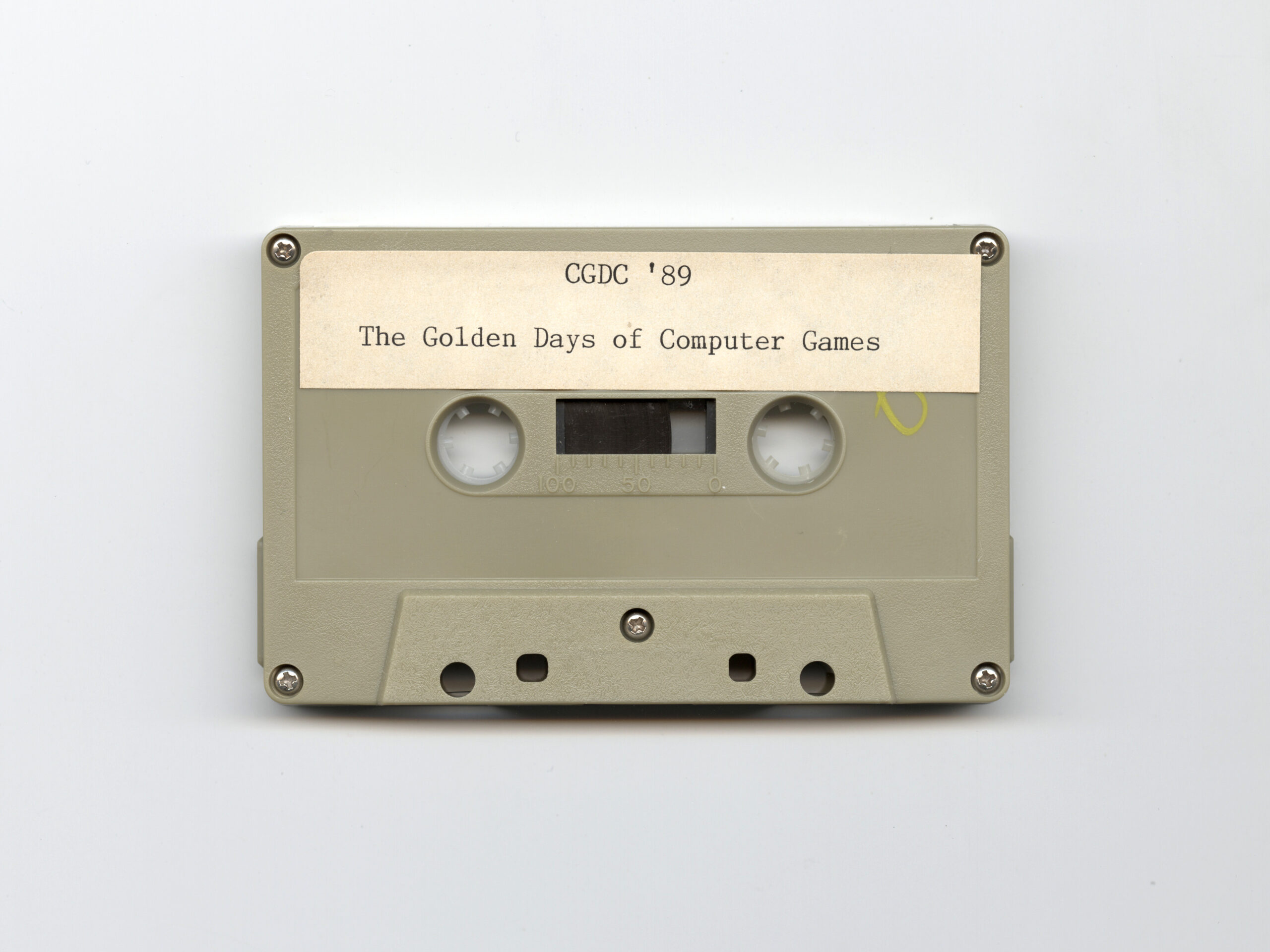
The echoes of GDC 2026 are still resonating, but the Computer History Museum has unveiled a remarkable discovery that harks back to the very foundations of the industry: a comprehensive collection of digitized lecture recordings from the 1989 Computer Game Developers’ Conference (CGDC). This unprecedented release offers a window into a pivotal moment when the American computer game development community was a nascent, tightly-knit fraternity, grappling with the challenges and burgeoning possibilities of a nascent digital frontier. The trove, meticulously digitized from original cassette tapes, captures nearly every session from the third-ever GDC, held in May 1989 at the Sunnyvale Hilton Hotel, providing invaluable historical context for the evolution of video game creation.
The Significance of Preserving 1989’s Digital Discourse
The survival of these audio recordings is, in itself, a testament to the dedication of early industry pioneers. In an era before widespread digital archiving, the preservation of such ephemeral content relied on manual efforts and the foresight of individuals. GDC co-founder Tim Brengle is credited with the painstaking process of manually dubbing these tapes, a labor of love that has now yielded a treasure trove for historians, developers, and enthusiasts alike. The context of 1989 is crucial; the computer game industry was a far cry from the multi-billion dollar global enterprise it is today. It was a community characterized by passion, innovation, and a palpable sense of shared discovery.
Estimates suggest that CGDC 1989 drew a modest attendance of around 300 individuals. This intimate setting fostered a unique dynamic, where speakers frequently addressed audience members by name, highlighting the personal connections and collaborative spirit that defined the early days of game development. The lectures themselves feature a constellation of individuals who would go on to become titans of the gaming world, offering insights into their early thinking, challenges, and aspirations. Names like Danielle Bunten Berry, Bing Gordon, Chris Crawford, Richard Garriott, and Steve Cartwright, among others, are prominently featured, lending significant historical weight to these recordings.
A Glimpse into the Minds of Gaming’s Forefathers
The newly released collection offers a diverse range of topics, reflecting the multifaceted nature of game development in its formative years. Several key sessions stand out for their historical import and the caliber of their participants:
"The Golden Days of Computer Games": Nostalgia in the Making
One of the most compelling presentations, "The Golden Days of Computer Games," features a panel of esteemed game developers reminiscing about the "good old days"—a period that, remarkably, refers to the year 1980. This reveals a striking early onset of nostalgia within the industry, even as it was still establishing its identity. Developers recalled the hands-on approach of that era, including the manual packaging of games in Ziploc bags, underscoring the entrepreneurial spirit and the uncertainty surrounding the industry’s future potential. The panel included luminaries such as Dani Bunten, Steve Cartwright, Chris Crawford, Jon Freeman, and Richard Garriott, whose collective memories provide a vivid picture of early game creation.
"Movies and Games: Living with a License": The Intersection of Media
The complex relationship between the burgeoning video game industry and established media franchises is explored in "Movies and Games: Living with a License." This panel delves into the challenges and opportunities inherent in adapting intellectual property from film and television into interactive experiences. A particularly intriguing anecdote from the discussion concerns the development of the Three Stooges computer game, offering a specific case study of licensed game production. The conversation also touches upon industry gossip surrounding notoriously difficult licensed projects, such as the Barbie game for the Commodore 64, indicating that the complexities of IP management were already a significant concern. Speakers on this panel included Steve Cartwright, Elaine Ditton, Noah Falstein, and Eric Goldberg.
"The Press and Games": Navigating Media Relations
The crucial interface between game developers and the media is examined in "The Press and Games." This session brings together Johnny Wilson, an editor from Computer Gaming World, and Charlotte Taylor-Skeel, the public relations manager for Accolade. Their dialogue sheds light on the evolving dynamics of publisher-press relationships in 1989, demonstrating that strategic communication and media perception were considered vital components of the industry’s growth even at this early stage. The inclusion of this topic highlights a sophisticated understanding of the market beyond just product creation.
"Interactive Storytelling": Pioneering Narrative Design
Dave Albert of Electronic Arts presents "Interactive Storytelling," a lecture that transitions into a dynamic, Socratic discussion with the audience. This session offers a glimpse into early explorations of narrative complexity in games. Albert’s engagement with attendees, including a direct address to "Brenda," prompts speculation about the identity of the audience member. Given the attendees, it is highly probable that "Brenda" refers to Brenda Laurel, a pioneering figure in interactive narrative, or potentially Brenda (Garno) Romero, another influential game designer. This interaction underscores the collaborative and experimental nature of game design discourse at the time.
"The Publishers’ Panel": Economic Realities and Future Outlook
Concluding CGDC 1989 was "The Publishers’ Panel," featuring executives from major American computer game companies. This session offered a candid discussion of the industry’s economic landscape, with a particular focus on what was then termed "the slump" in the US computer game market. A notable moment within this panel features Trip Hawkins, a pivotal figure in the industry, expressing his strong reservations about Nintendo’s closed ecosystem practices and predicting that the NES’s dominance would not last indefinitely. This sentiment reveals a foresight into market dynamics and competitive strategies that would shape the industry for years to come. The panel included Gary Carlston, Bruce Davis, Peter Doctorow, Robert Garriott, Trip Hawkins, and Joe Miller.
The Missing Pieces and the Collaborative Effort
While the collection is remarkably comprehensive, it is understood to be missing two talks from CGDC 1989. The recording status of these sessions remains unclear, adding an element of historical mystery. Furthermore, a significant number of roundtable discussions, including one reportedly featuring counterculture icon Timothy Leary, are believed not to have been recorded. These missing elements, however, do not diminish the immense value of the available recordings, which offer the closest possible experience to being present at the Sunnyvale Hilton, witnessing firsthand the groundbreaking work of approximately 300 game designers.
The meticulous cataloging of this collection was facilitated by the Department of Special Collections at Stanford University Libraries. Their provision of a copy of the CGDC 1989 program from the Steve Meretzky papers proved instrumental in cross-referencing and identifying the lectures. The Game Developers Conference has granted permission for these recordings to be shared, acknowledging the vital role of GDC co-founder Tim Brengle’s manual digitization efforts. The Computer History Museum expresses profound gratitude for his dedication, recognizing that this release, while arriving 37 years later, is a significant contribution to preserving the legacy of the industry.
Enabling Access to Digital Heritage
These historical recordings are now freely accessible as part of the Computer History Museum’s expanding digital library, a crucial resource for video game history research. The successful digitization of this collection was made possible through investments in new audio digitization equipment, which the museum plans to utilize for future preservation projects. Such initiatives are vital for ensuring that the foundational moments and transformative dialogues of digital entertainment are not lost to time, but are instead preserved and made available for generations to come. The availability of these recordings marks a significant step in understanding the genesis of an industry that has profoundly shaped global culture and technology.