Chalid Lutfie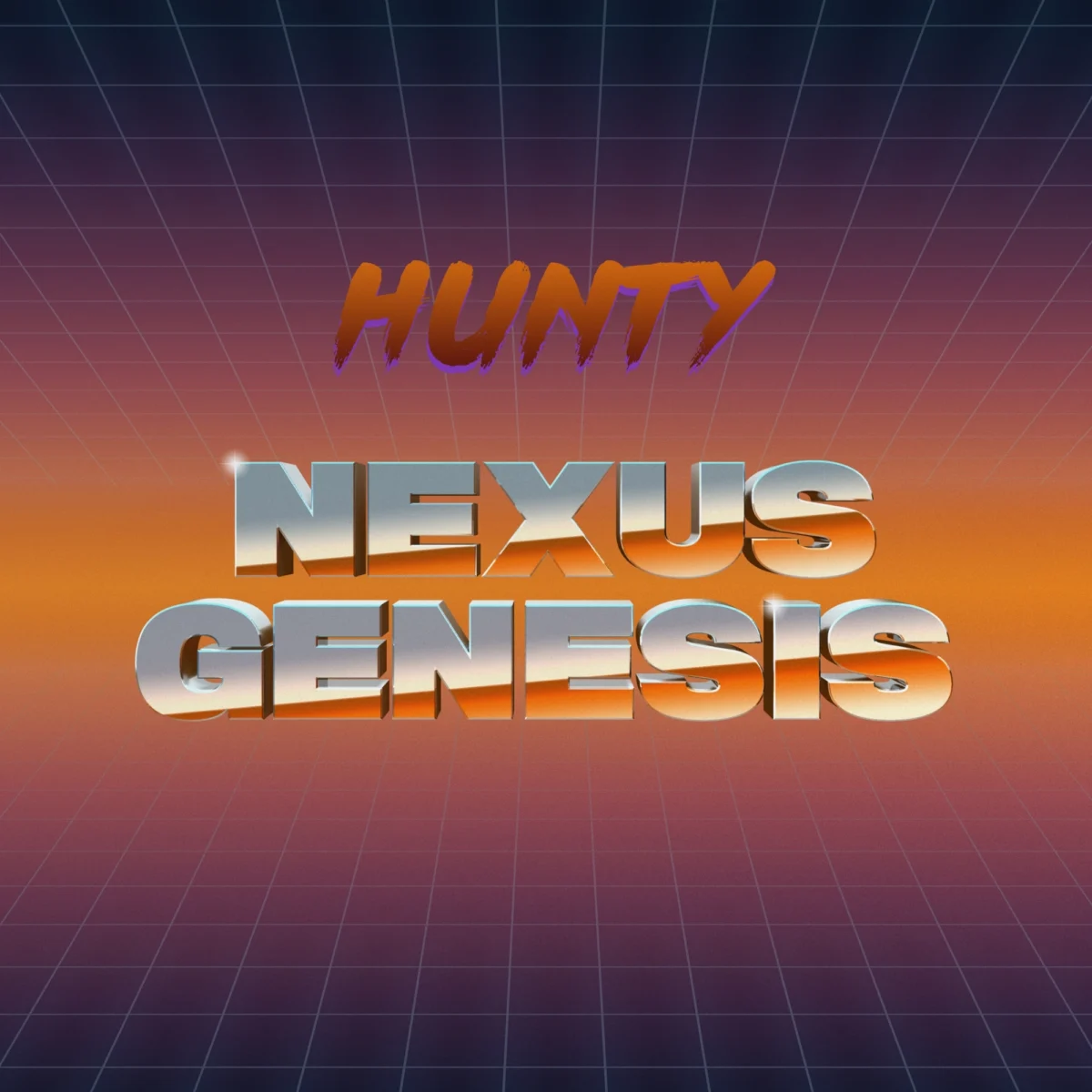
The independent music label Ubiktune has officially announced the addition of composer Hunter Bridges, known professionally as Hunty, to its artist roster following the debut of his highly anticipated album, Nexus Genesis. This release marks the culmination of a nearly decade-long journey that began within the vibrant community of Sonic the Hedgehog fan developers and ended with a professional tribute to the 16-bit era of video game music. Nexus Genesis serves as the official soundtrack for Sonic Nexus, a critically acclaimed but ultimately unreleased fan project that played a pivotal role in the career trajectories of several prominent figures in the modern gaming industry.
The Genesis of a Composer: Hunter Bridges and the 16-Bit Influence
The musical foundations of Hunter Bridges were established in Alabama, where he was raised in an environment saturated with live performance and technical experimentation. His father, a musician who hosted band rehearsals at the family home, provided the initial spark for Bridges’ interest in instrumentation. During his formative years, Bridges began exploring the mechanical intricacies of musical equipment, showing a particular affinity for the drum kit at the age of six. This early exposure to rhythm and structure was soon supplemented by formal lessons and a growing fascination with the digital soundscapes of the late 1980s and early 1990s.

Bridges’ aesthetic sensibilities were largely shaped by the seminal soundtracks of the Nintendo Entertainment System (NES), Sega Genesis, and Super Nintendo Entertainment System (SNES). He cites the compositions of Super Mario Bros. 3, Street Fighter II, and Gauntlet IV as primary influences. However, it was the soundtrack to Sonic the Hedgehog 3—a work renowned for its complex arrangements and sophisticated use of the Sega Genesis’s FM synthesis—that Bridges identifies as his most significant inspiration.
By the early 2000s, Bridges had transitioned from a listener to a creator, joining the online community VGMusic.com. During the era of dial-up internet, he contributed MIDI transcriptions of existing game themes, a process that honed his skills in arrangement and music theory. This period of amateur development provided the technical groundwork for his later involvement in high-profile fan projects.
The Rise and Evolution of Sonic Nexus
In the summer of 2006, Brad Flick, operating under the pseudonym Slingerland, initiated the development of Sonic Nexus. The project was conceived as a high-fidelity homage to the classic Sonic titles, utilizing the "Sonic Worlds" engine within the Multimedia Fusion development environment. The game quickly gained traction within the Sonic Amateur Games Expo (SAGE) and was lauded by technical blogs for its art direction and mechanical accuracy.

Hunter Bridges joined the Nexus Team in 2006, tasked with providing a full-resolution waveform soundtrack at a time when broadband internet was becoming more accessible, allowing fan games to move beyond the limitations of MIDI files. Bridges initially utilized Fruity Loops 4 before migrating to Cubase to achieve a more professional production standard.
The development timeline of Sonic Nexus was characterized by several major technical shifts:
- 2006: Project launch and initial demo releases.
- 2008: The team recognized technical limitations in the Multimedia Fusion engine and sought to migrate the project to the "Retro Engine," a proprietary framework created by Christian Whitehead (known as The Taxman).
- 2010: In an effort to consolidate resources within the fan community, Sonic Nexus merged with two other prominent projects, Retro Sonic and Sonic XG.
This merger represented a "super-group" of fan developers, but the momentum was soon interrupted by a significant industry shift involving the project’s lead programmer.

The Christian Whitehead Factor and the Termination of Development
The trajectory of Sonic Nexus was irrevocably altered in 2010 when Christian Whitehead successfully pitched a proof-of-concept for a mobile port of Sonic CD to SEGA. Whitehead had utilized his Retro Engine to reverse-engineer the physics and functionality of the original Sega CD title, demonstrating a level of polish that exceeded SEGA’s internal mobile efforts at the time.
Recognizing Whitehead’s talent, SEGA hired him to lead official remakes of Sonic CD, Sonic the Hedgehog, and Sonic the Hedgehog 2. This professional relationship created a conflict of interest for the Sonic Nexus team. To protect Whitehead’s standing with SEGA and to avoid potential intellectual property litigation, the team made the collective decision to cease development on Sonic Nexus. While the game was effectively cancelled, the move validated the quality of the work produced by the team, as members like Whitehead and Flick eventually transitioned into official roles within the gaming industry.
The cancellation left Bridges with a substantial library of unreleased music. Despite the project’s end, he remained committed to providing the compositions with a formal release that met his standards for 16-bit authenticity.

Technical Execution: Achieving the Authentic FM Synthesis Sound
A defining characteristic of Nexus Genesis is its commitment to the specific acoustic properties of the Yamaha YM2612 sound chip, the hardware responsible for the Sega Genesis’s distinct audio profile. Bridges spent years studying Frequency Modulation (FM) synthesis to move beyond mere imitation and achieve a level of authenticity that could stand alongside the original 1994 Sonic the Hedgehog 3 soundtrack.
During his senior year of college, Bridges focused his academic efforts on FM synthesis. He found traditional trackers and modern digital audio workstations (DAWs) often lacked the specific "crunch" and behavioral nuances of the Genesis hardware. This led to the 2013 release of the "Sonic 3 & Knuckles FM8 Patch Collection," a set of digital presets designed for the FM8 software synthesizer that accurately replicated the instruments used by Sega’s original sound team.
Nexus Genesis utilizes these technical breakthroughs to deliver a soundtrack that functions as a "lost" 16-bit classic. The album features 22 tracks that blend the upbeat, melodic traditions of the Sonic franchise with modern production techniques, fulfilling Bridges’ decade-old promise to the fan community.

Industry Implications and the Professionalization of Fan Talent
The story of Sonic Nexus and the subsequent release of Nexus Genesis highlights a broader trend in the video game industry: the professionalization of the "modding" and fan-game communities. SEGA’s decision to hire Whitehead—and eventually other fan creators for the development of the 2017 hit Sonic Mania—represents a paradigm shift in how corporations interact with their most dedicated fans.
Unlike other industry giants that often issue "Cease and Desist" orders to fan projects, SEGA’s approach to the Sonic Nexus team demonstrated a path for amateur developers to transition into the professional sphere. While Sonic Nexus was never completed, its "DNA" persisted through the Retro Engine and the musical evolution of Hunter Bridges.
The release of the album via Ubiktune further legitimizes the work as a standalone piece of art. Ubiktune, a label known for its focus on chiptune and video game-influenced music, provides a platform that bridges the gap between internet subcultures and the broader music industry.

Critical Reception and Legacy
Nexus Genesis has been met with enthusiasm from both the chiptune community and long-time followers of the Sonic fan-game scene. Critics have noted the album’s ability to evoke nostalgia without relying solely on established motifs, instead creating a new musical vocabulary that feels historically accurate to the mid-90s.
The album art, created by Daniel Warner Smith, further reinforces the project’s roots, mirroring the aesthetic of classic Sega Genesis box art. For Bridges, the release is more than a debut album; it is a "toast to friends" and a "love letter" to the composers who defined his childhood.
As of August 16, 2015, Nexus Genesis is available for digital distribution. It stands as a testament to the enduring influence of the 16-bit era and the creative resilience of a development team that, while unable to release their game, succeeded in leaving a permanent mark on the history of game development and music.
About the Composer and Collaborators
- Hunter Bridges (Hunty): An Alabama-based composer and multi-instrumentalist. Beyond his work in the Sonic community, Bridges is recognized for his technical contributions to FM synthesis research and digital music production.
- Brad Flick (Slingerland): The lead developer of Sonic Nexus and a frequent collaborator with Bridges. Flick’s art and design work helped set the standard for high-quality fan games in the mid-2000s.
- Christian Whitehead (The Taxman): The programmer behind the Retro Engine. His work on fan projects led to a successful career as a lead developer for official SEGA titles.
- Ubiktune: An independent record label founded in 2006, specializing in electronic music that utilizes or is inspired by vintage sound hardware.