 Retno Hari Mulyono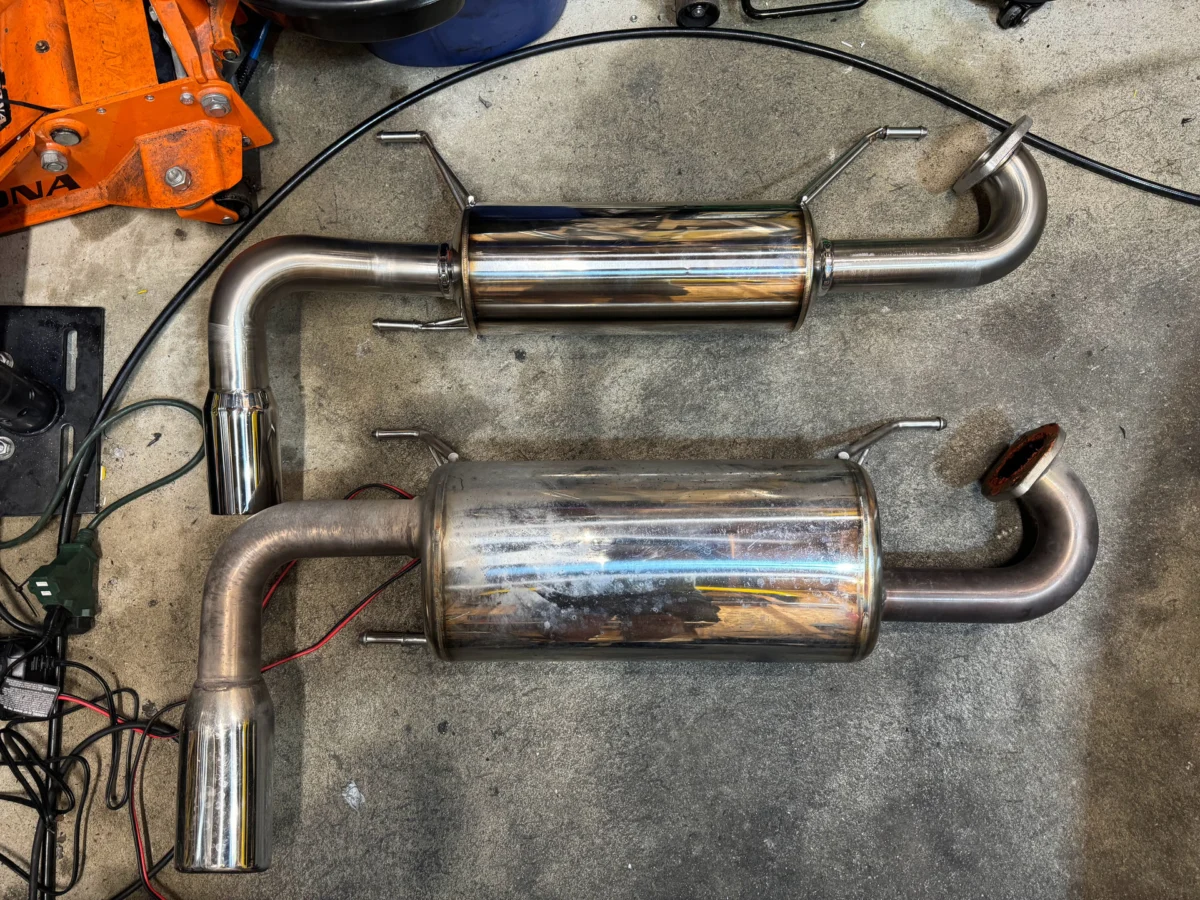
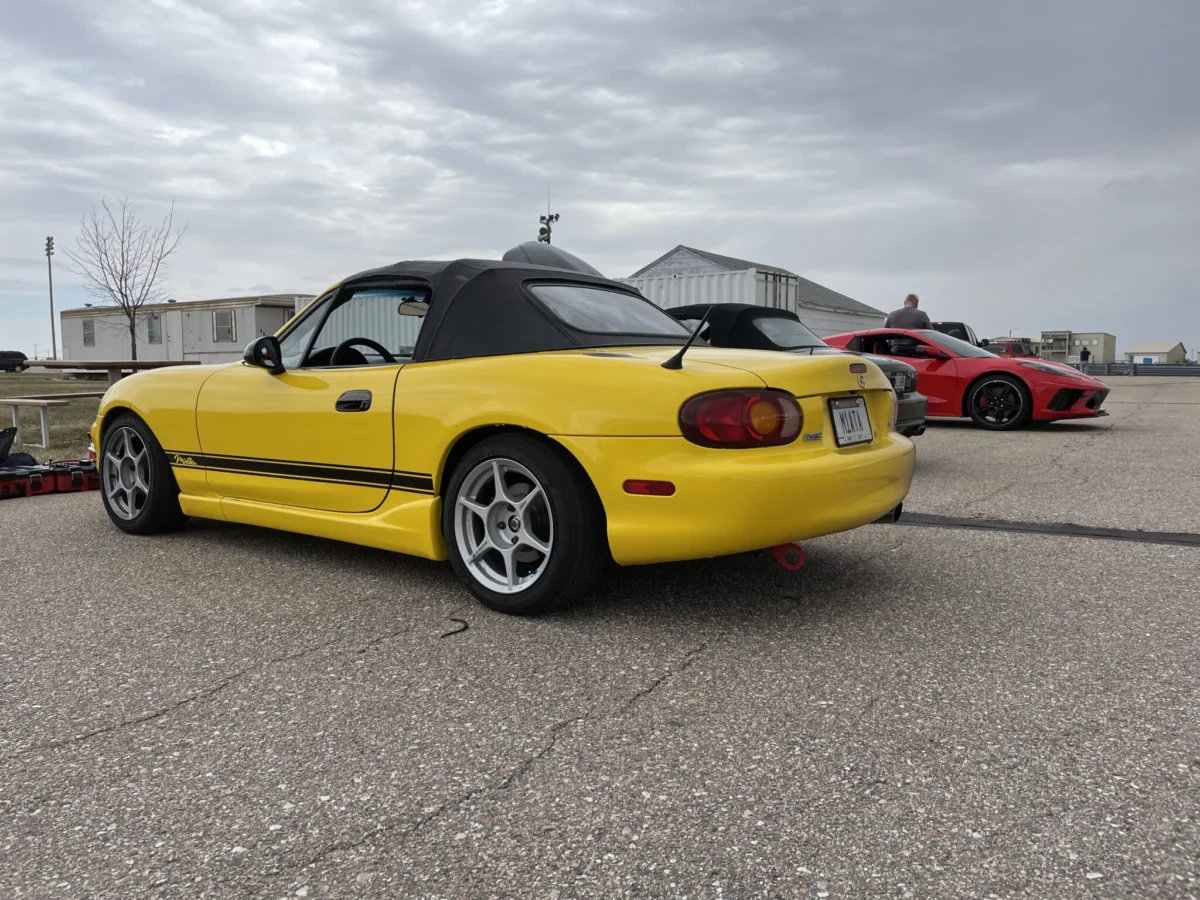
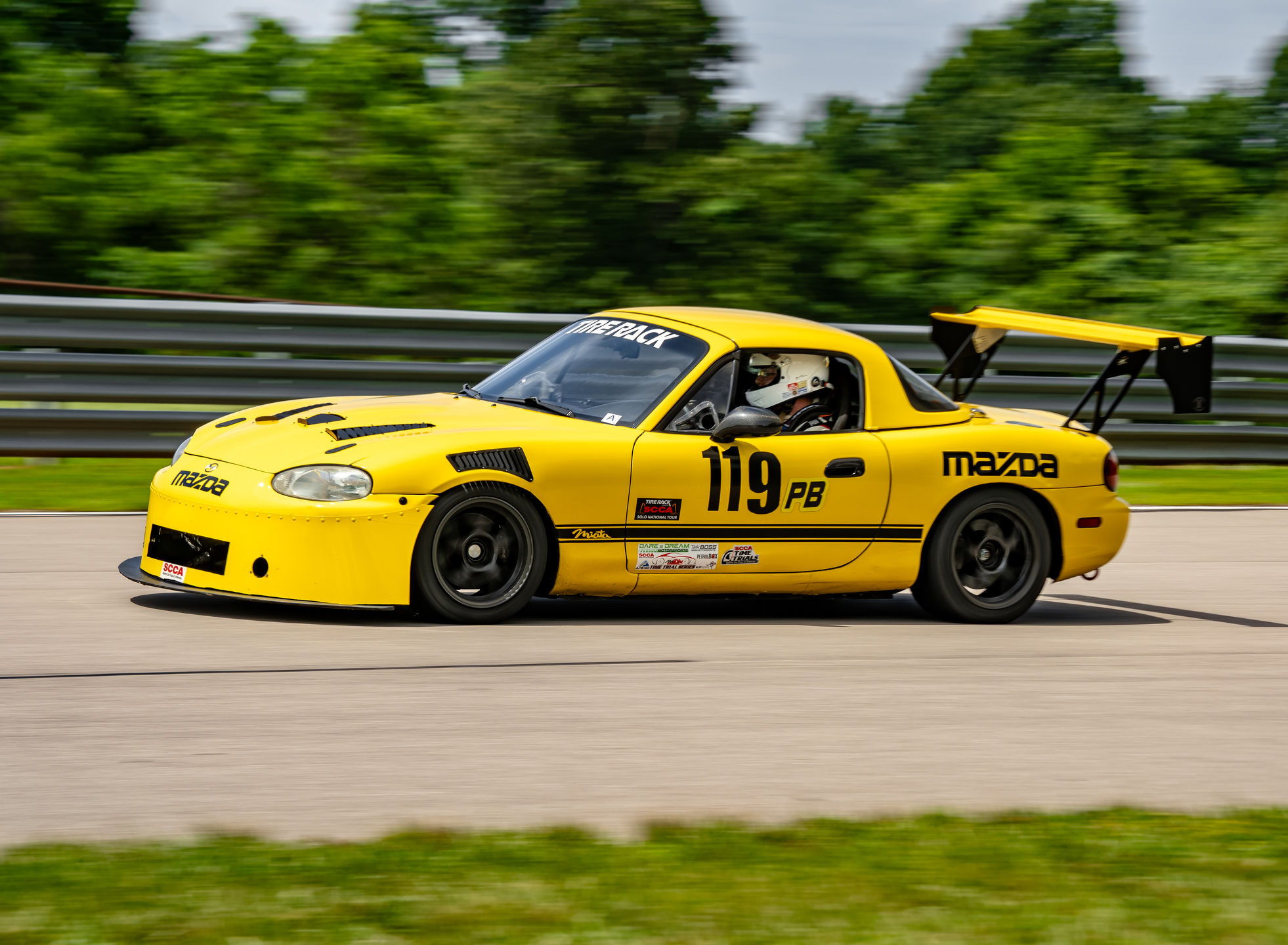
Marking four years of continuous automotive development, mechanical iteration, and rigorous track testing, the ongoing documentation of an NB-generation Mazda MX-5 Miata provides a compelling case study in grassroots motorsports engineering. Over the span from March 2024 through February 2025, the vehicle underwent a comprehensive transformation designed to optimize performance for high-speed time trials, competitive SCCA events, and multi-track endurance configurations. This twelve-month operational window was defined by ambitious powertrain modifications, towing logistics over thousands of miles, custom fabrication projects, and precise data collection through telemetry systems. The endeavor highlights the technical challenges, financial considerations, and logistical realities of maintaining a dedicated dual-purpose track and street vehicle in the modern amateur racing landscape.
Mechanical Overhauls and Powertrain Iterations
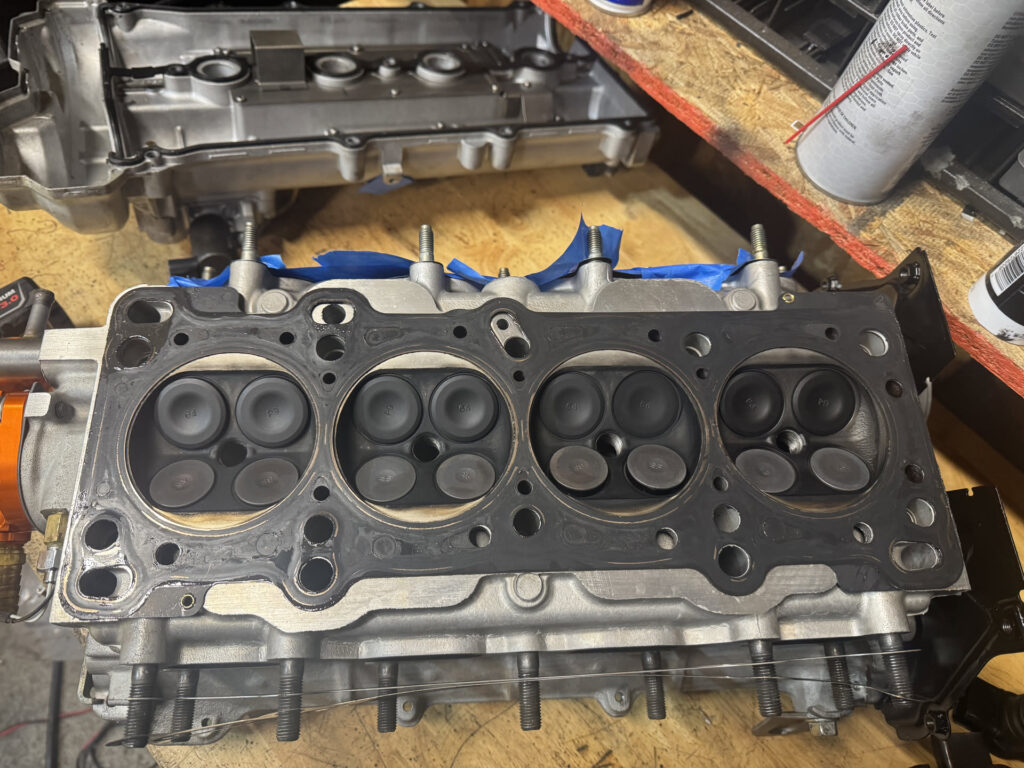
The period commenced in March 2024 with a major mechanical undertaking: replacing the car’s original BP4W engine with a thoroughly prepped BP6D variable valve timing (VVT) motor paired with a six-speed transmission. What was initially conceived as a straightforward drop-in procedure quickly expanded into a complex internal rebuild. Upon inspection, technicians identified sub-optimal valve sealing, necessitating a complete cylinder head rebuild. This work was supplemented by a do-it-yourself cylinder hone, installation of new original equipment manufacturer (OEM) piston rings, aftermarket pistons, and a comprehensive overhaul of supporting engine peripherals.
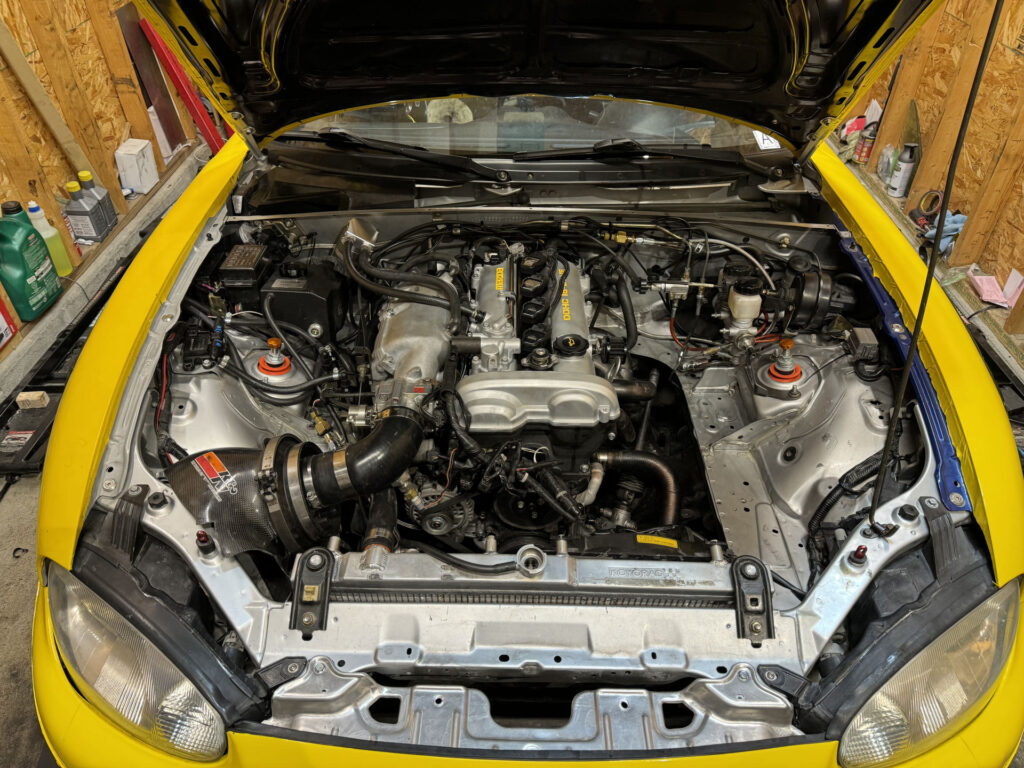
However, competitive motorsports rarely forgive minor assembly oversights. Less than a month after installation, during an intense autocross run characterized by sustained high-RPM operation, thermal and mechanical pressures within the cooling system resulted in a blown freeze plug. This failure induced a minor head gasket leak, forcing a tactical retreat back to the original BP4W engine for the remainder of the competitive season. Despite this setback, the newly installed six-speed transmission was retained, successfully upgrading the vehicle’s gear ratios and durability for endurance track applications.
By December 2024, post-mortem analysis of the removed VVT motor offered crucial insights into failure modes and engine longevity. Detailed inspection of the cylinder head revealed minor surface scratches, though integrity between the cooling passages and combustion chambers remained intact. Block-level inspections indicated wear along the thrust side of the cylinder walls, suggesting potential out-of-round tolerances or suboptimal piston-to-wall clearances under thermal stress. Rather than rushing a re-installation, the project pivoted toward utilizing a separate, professionally machined bare block, deferring further high-performance engine deployment until precise tolerances could be mathematically verified.
Chassis Dynamics, Thermal Management, and Aero Enhancements
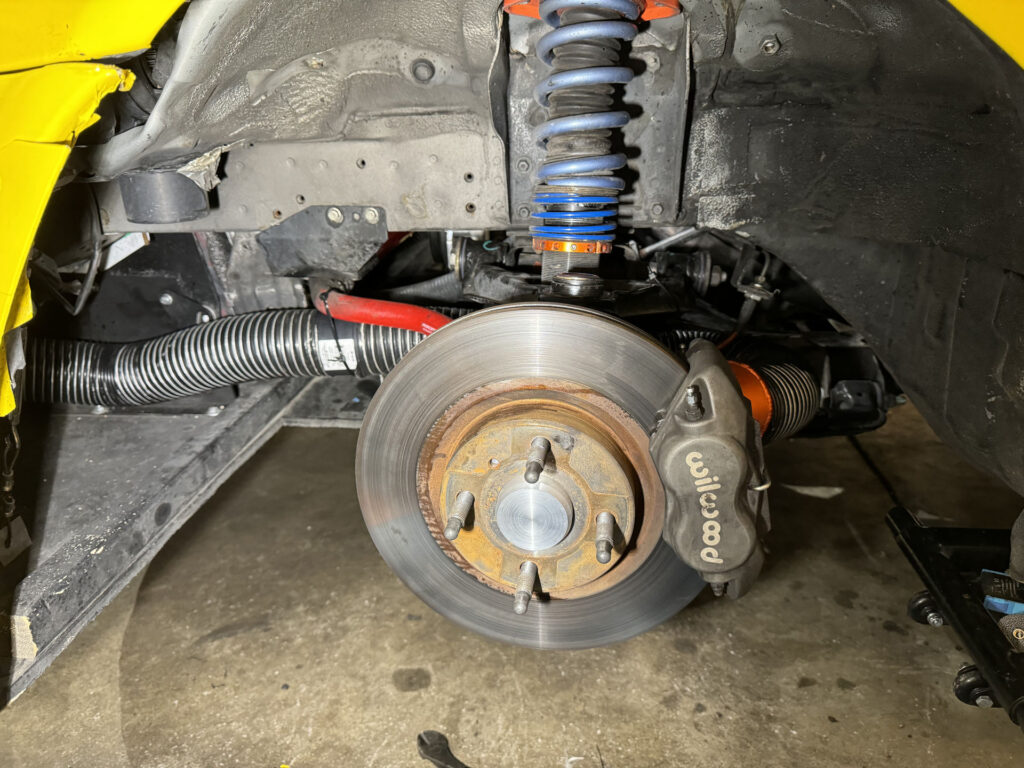
Addressing the rigorous demands of sustained track braking, April 2024 saw the integration of specialized brake cooling ducts paired with the vehicle’s existing Supermiata BX11 brake kit. While the BX11 system provides substantial initial stopping power, the inherent thinness of its brake pads previously resulted in accelerated wear cycles during high-temperature time trials. Rather than pursuing a larger brake kit—which would introduce compounding financial costs and wheel fitment constraints—the installation of dedicated cooling channels successfully doubled pad lifespan. The engineering approach prioritized modularity, utilizing a two-section hose design with a central coupler to ensure that localized damage required only fractional repairs rather than a complete system overhaul.
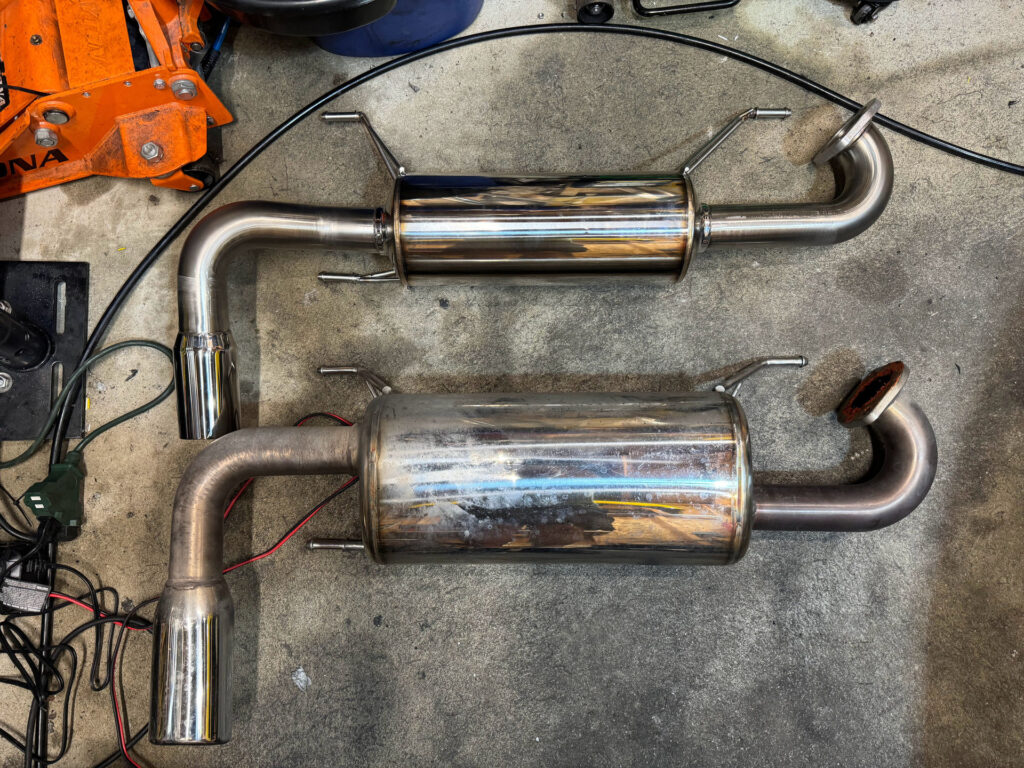
To shed unwanted pounds and achieve a more aggressive acoustic profile without violating strict local or track-specific noise regulations, May 2024 brought an exhaust system modification. The Racing Beat Power Pulse muffler was unbolted and replaced with a Racing Beat Race muffler. Operating in harmony with a Raceland header and a Racing Beat Race resonated midpipe, the new configuration achieved the dual objectives of weight reduction and sound enhancement, striking a delicate balance between auditory engagement and regulatory compliance.
Aerodynamic and induction fine-tuning rounded out the vehicle’s modifications in early 2025. January marked the installation of a Skunk2 intake manifold, replacing a previously reliable Squaretop intake. Designed to mitigate power falloff beyond the 7,000-RPM threshold, the manifold targets marginal gains of one to four wheel horsepower at the apex of the power curve. This modification reflects the vehicle’s primary operational envelope: sustained high-RPM operation on road courses where top-end breathability supersedes low-end torque delivery.
Logistical Evolution: Trailering, Mobile Camping, and Radio Communications
As the competitive schedule expanded across regional tracks, the logistical paradigm shifted away from driving the vehicle to events on a tire trailer. In June 2024, the acquisition of a towing vehicle facilitated safe, reliable transport over extended distances. By July, the setup was tested during a 900-mile round trip to High Plains Raceway utilizing a rented U-Haul trailer. Despite minor mechanical hurdles—such as oil-fouled spark plugs and thermal interference near the exhaust—the truck proved invaluable in preserving driver energy and vehicle mechanical health over long-distance transit.
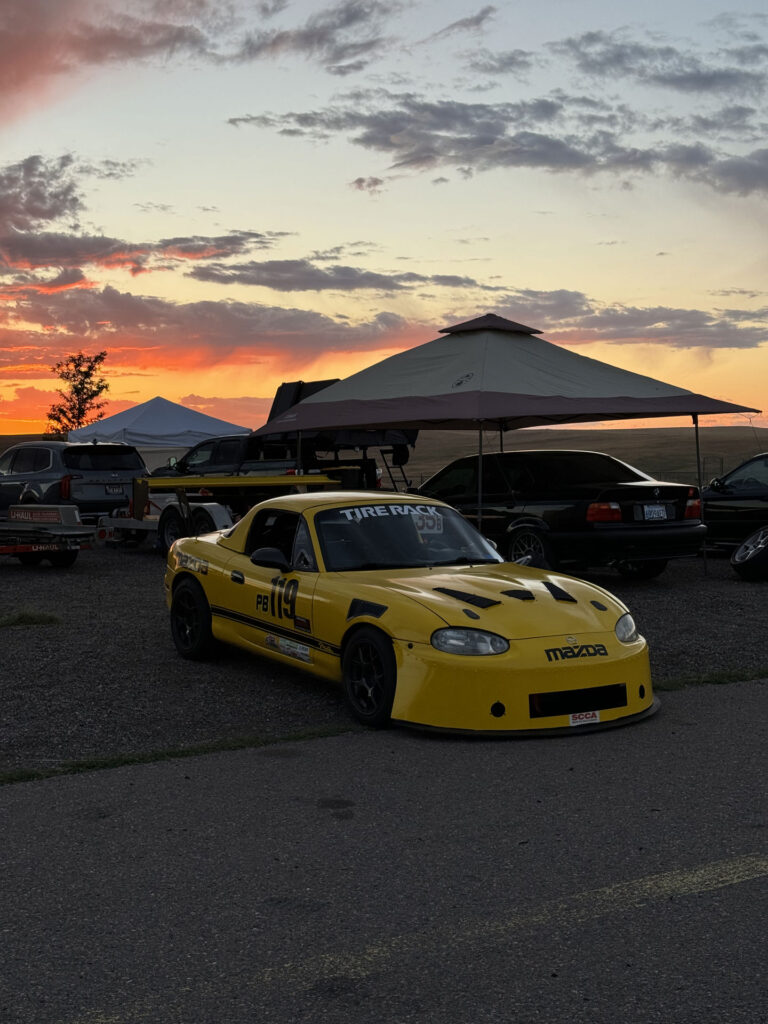
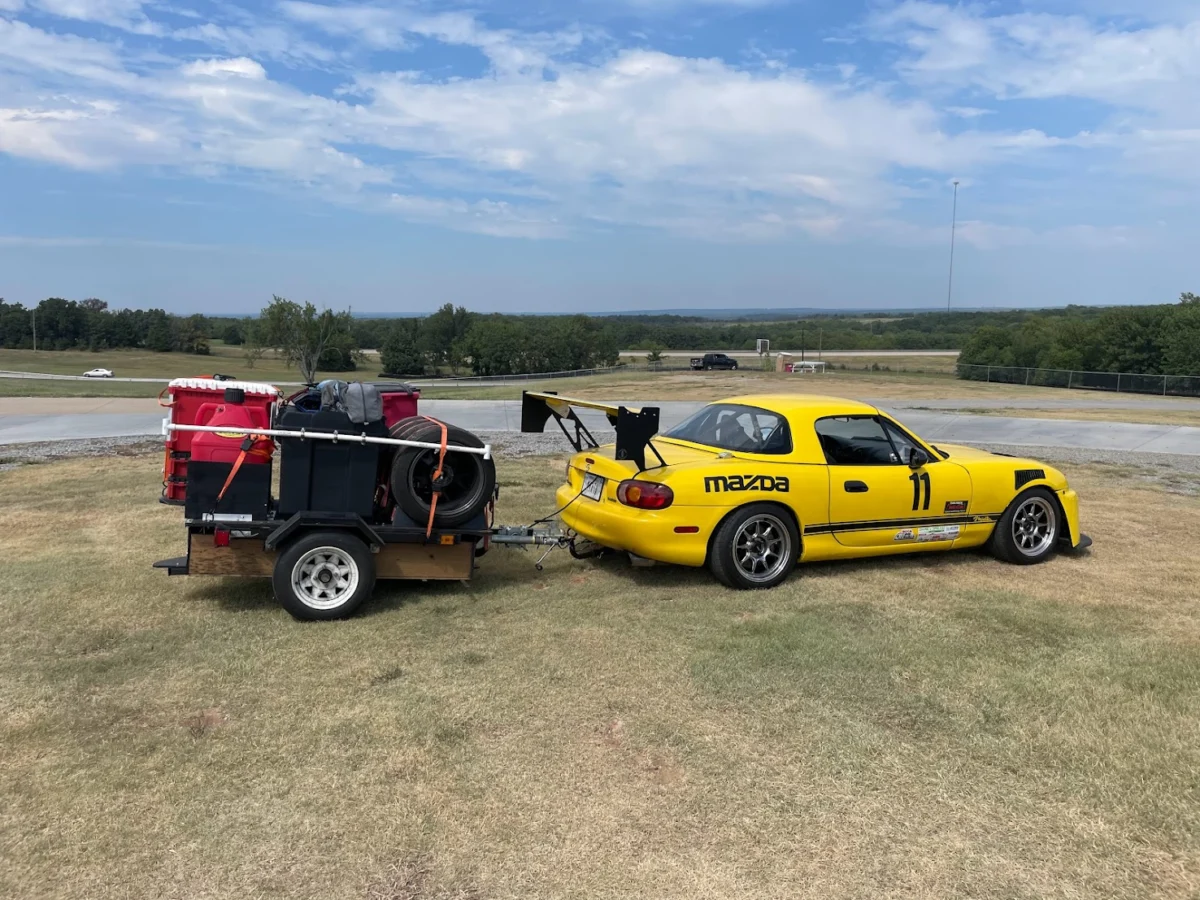
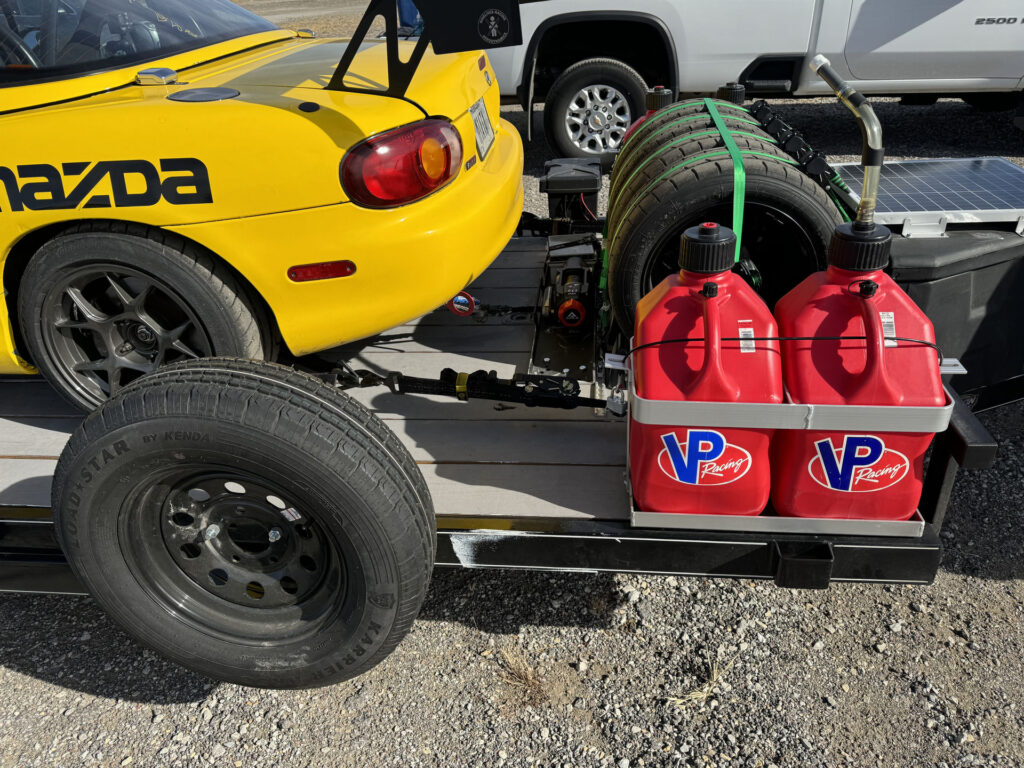
This logistical evolution continued in October 2024 with the completion of a custom open car hauler. Following the purchase of an 18-foot trailer featuring a 16-foot deck and a 2-foot dovetail, extensive modifications were executed, including the installation of a winch, a tongue box, spare tire mounts, and custom storage racks. While the trailer vastly improved transit efficiency, practical geometry presented a distinct engineering challenge: the fixed angle of the dovetail proved incompatible with the vehicle’s lowered ride height and front splitter. The operational workaround required the temporary removal of the aerodynamic splitter and the strategic placement of wooden ramps during loading operations.
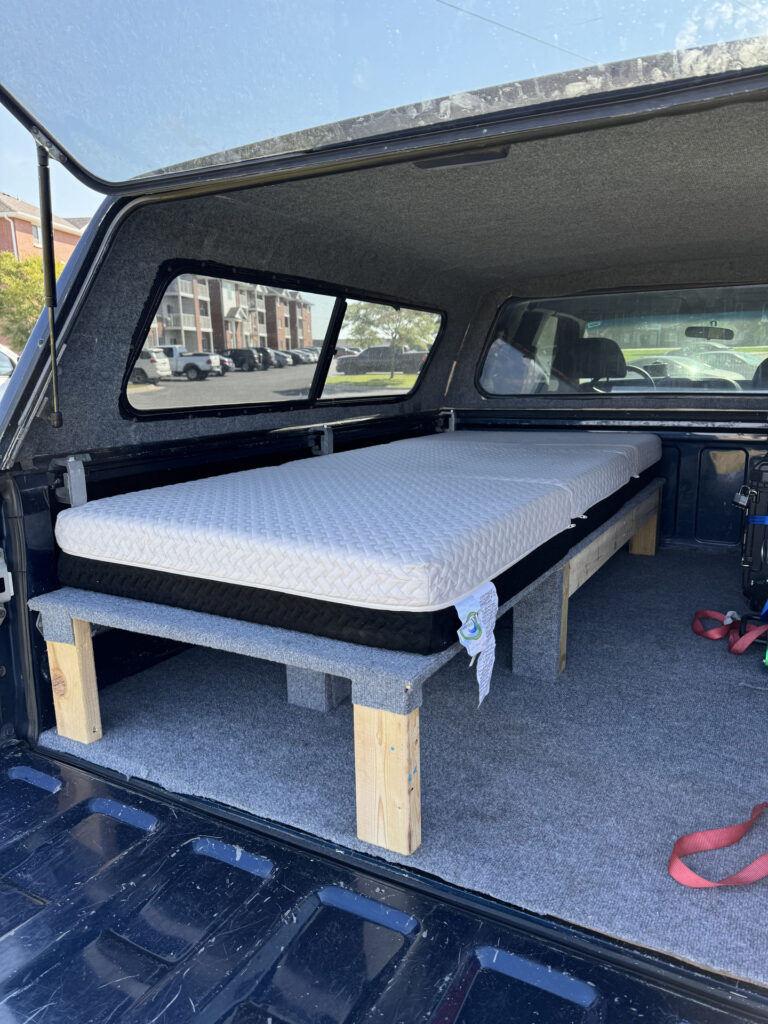
Concurrently, multi-day track events necessitated a reevaluation of trackside lodging. Traditional tent camping, while economical, proved burdensome during inclement weather and required excessive setup and teardown labor. In response, a comprehensive truck-bed camping conversion was engineered. A color-matched camper shell was outfitted with a raised platform supporting a tri-fold memory foam mattress, providing integrated storage beneath. For environmental control and electrical autonomy, a roof-mounted MaxxFan Deluxe ventilation system was integrated alongside solar panels and an auxiliary battery bank, creating a fully self-contained mobile paddock workstation.
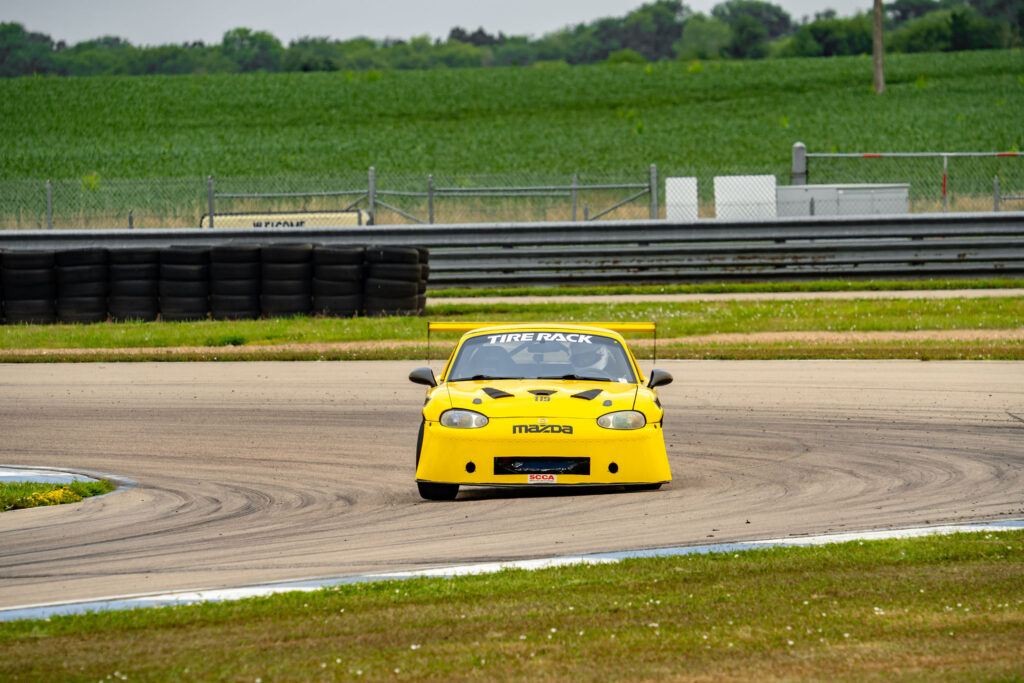
To bridge the communication gap between driver and pit crew during high-stakes SCCA Time Trials, February 2025 saw the integration of a GMRS radio network. Utilizing cost-effective Baofeng hardware paired with an FCC group license, the setup incorporated a permanently wired in-car unit connected via an IMSA-compatible helmet harness. Pit crews were equipped with dual-band transceivers, ensuring real-time telemetry updates and tactical lap-time intelligence that previously remained inaccessible until returning to the paddock.
Competitive Circuit Performance and Quantitative Metrics
The 2024 track season served as a rigorous proving ground across multiple technical road courses in the central United States. The chronological progression of events underscored the correlation between accumulated seat time, chassis setup, and declining lap times.
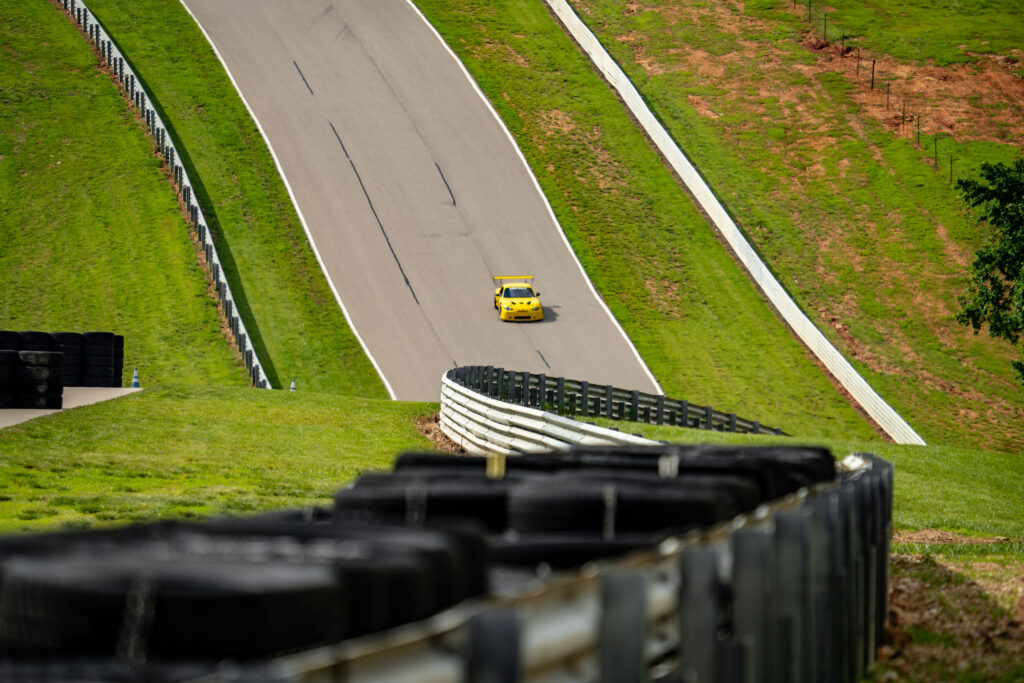
At Ozarks International Raceway in June 2024, the circuit’s severe elevation changes and technical layout challenged both driver and machine. Marked improvements in execution yielded significantly faster lap times compared to the previous year, reinforcing the track’s status as a premier regional venue for technical driving precision.
August 2024 brought a return to Motorsports Park Hastings for the SCCA Time Trials. Competing on a familiar circuit where the vehicle holds a dense historical telemetry record, the Miata dominated its class and outperformed numerous entries from higher performance tiers. Registering a fastest lap of 1:39.19—representing a 3.59-second improvement over prior baseline data—the vehicle eclipsed established track records for NASA Spec Miata (1:40.415) and NASA Time Trials 6 (1:39.625), while slotting comfortably into the performance window bridging TT6 and TT5 classifications.
The competitive calendar concluded in November 2024 at the Hallett Motor Racing Circuit, featuring a unique SCCA format requiring drivers to navigate the circuit in both directions within a single day. Despite the cognitive adjustments required by mid-day directional reversals, the vehicle secured class-leading session finishes. The event did, however, highlight the mechanical limits of consumable components; heavily worn tires induced rear wheel lockups, resulting in compounding tread flat spots as the day progressed.
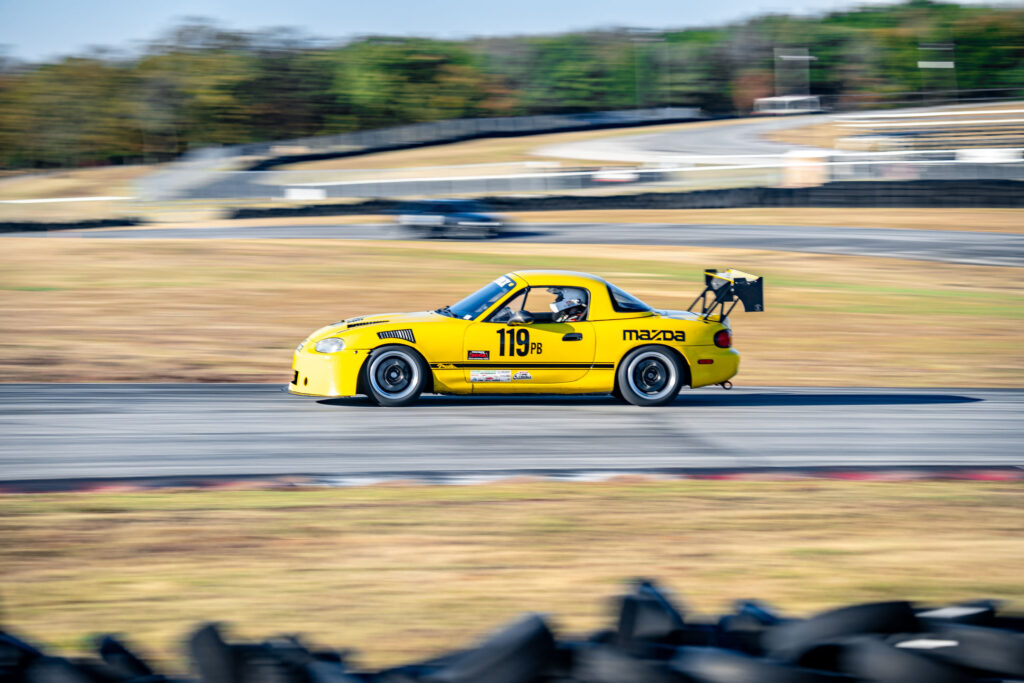
Quantitative analysis of the four-year engineering project reveals a high utilization rate. During the 2024 operational year alone, the vehicle completed 392 laps across 16 track days, accumulating 12.1 hours of active on-track data. Cumulative telemetry collected via Garmin Catalyst systems throughout the vehicle’s lifespan totals 1,023 laps and 34.6 hours of track driving, excluding unrecorded sessions and telemetry interruptions. Conversely, participation in autocross events was intentionally curtailed to three early-season appearances; the high administrative and staging time investment relative to actual driving duration proved misaligned with the vehicle’s heavily track-oriented development path.
Broader Implications and Technical Outlook
The four-year progression of this NB Mazda MX-5 Miata exemplifies the iterative nature of amateur motorsports development. Each mechanical modification—from engine swaps and thermal management systems to custom towing and pit infrastructure—illustrates the intricate balance between reliability, cost-efficiency, and competitive performance. As the vehicle enters its fifth operational year equipped with refined induction systems, advanced telemetry, and optimized chassis tuning, the project stands as a definitive reference for amateur endurance racing preparation and vehicle optimization.