Cecilia Chamidah Nur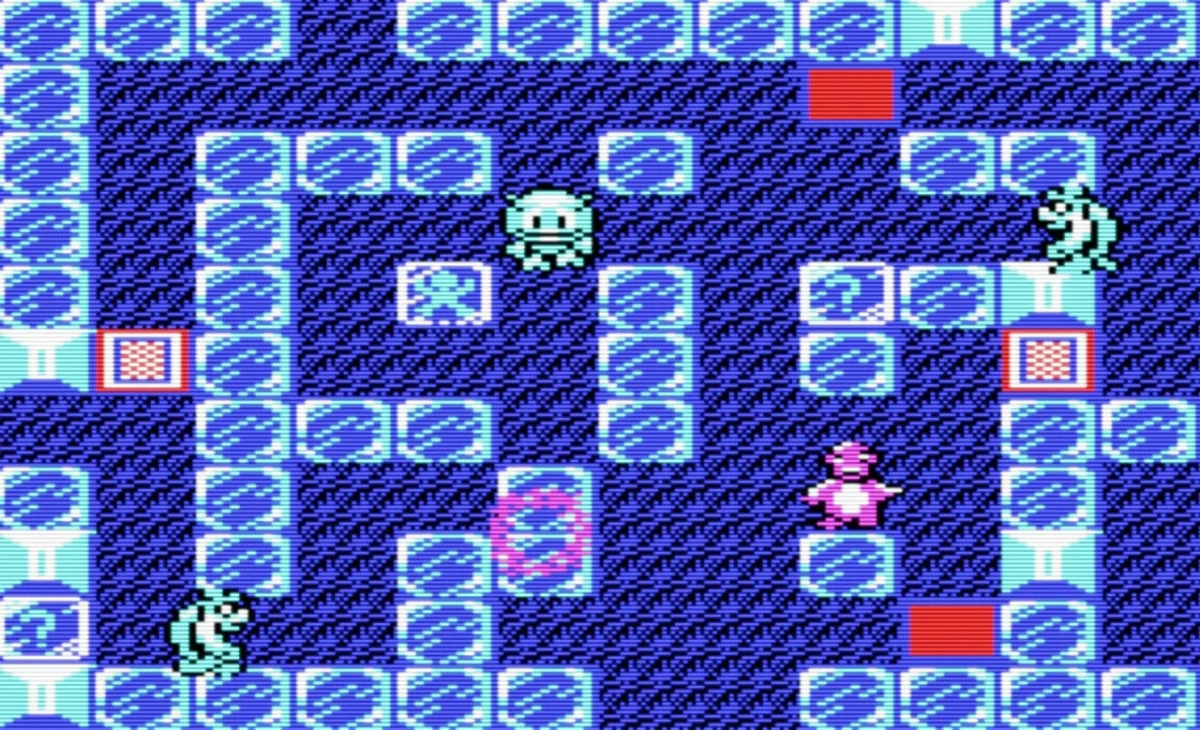
A new Commodore 64 game, "Thin Ice," launched on Thursday, July 22nd, marking a significant event for the retro gaming community and showcasing the enduring creativity of seasoned industry veterans. Developed by Christian Shrigley and Terry Lloyd, both renowned for their work at the iconic Gremlin Graphics and later Core Design, the creators behind the groundbreaking Tomb Raider series, "Thin Ice" offers a fresh arcade action experience for the legendary 8-bit platform. The game, published by Thalamus Digital, arrived initially as a D64 file, compatible with a range of modern C64 emulation software and hardware devices, including the C64 Ultimate and C64 Mini, with a physical edition featuring cover art by industry stalwart Simon Phipps slated for future release.
The Enduring Legacy of the Commodore 64
The launch of "Thin Ice" is more than just another game release; it is a testament to the persistent vitality of the Commodore 64 platform and its dedicated community. Introduced by Commodore International in 1982, the C64 swiftly became the best-selling single computer model of all time, selling an estimated 17 to 22 million units worldwide. Its affordable price point, advanced graphics capabilities for its era (courtesy of the VIC-II chip), and revolutionary SID sound chip captivated a generation, making it a cornerstone of early home computing and gaming. For many, the C64 was their first introduction to video games, fostering a deep sense of nostalgia that continues to fuel its vibrant modern-day scene.
Decades after its commercial discontinuation, the C64 maintains a robust ecosystem of enthusiasts, programmers, and artists. This "retro revival" isn’t merely about reliving past glories; it’s an active, creative space where new games, demos, and hardware enhancements are continuously developed. Projects like "Thin Ice" demonstrate that the platform is not just a relic of the past but a canvas for contemporary creativity, challenging developers to work within its technical constraints while delivering engaging experiences. The community’s dedication to preserving the C64’s legacy and pushing its boundaries ensures that new titles are often met with enthusiastic anticipation, particularly when they come from figures with such a distinguished history in game development. This continued interest in creating new content for an almost 40-year-old system underscores a broader trend in retro gaming: a desire for new experiences built upon familiar foundations, often with modern design sensibilities.
From Gremlin Graphics to Core Design: A Rich Pedigree
The development of "Thin Ice" is particularly noteworthy given the esteemed backgrounds of its creators, Christian Shrigley and Terry Lloyd. Their careers trace a significant lineage through some of the most influential periods and companies in British video game development. Both developers honed their craft at Gremlin Graphics, a Sheffield-based company that rose to prominence in the 1980s and 90s, becoming synonymous with quality titles across various 8-bit and 16-bit platforms.
Gremlin Graphics was a powerhouse during the golden age of British gaming, known for its diverse portfolio and innovative approach. Shrigley and Lloyd were integral to this success, contributing to beloved C64 titles such as "Bounder," a unique platformer involving a bouncing ball protagonist; its sequel "Re-Bounder"; "Bulldog," a character-driven action game; "Future Knight," an imaginative sci-fi adventure; and "Skate Crazy," a pioneering skateboarding simulation. These games not only entertained but also pushed the technical and creative boundaries of the C64, establishing Gremlin Graphics as a leader in the industry. The company was celebrated for its distinctive art style, engaging gameplay mechanics, and often humorous undertones, characteristics that left a lasting impression on players and fellow developers alike. Gremlin Graphics’ influence extended well into the 16-bit era with hits like Zool before its eventual acquisition by Infogrames in 1999.
Following their tenure at Gremlin, Shrigley and Lloyd transitioned to Core Design, another pivotal British studio. Core Design, established in Derby, England, would go on to achieve global recognition for creating one of the most iconic franchises in video game history: Tomb Raider. Launched in 1996, Tomb Raider and its intrepid protagonist, Lara Croft, redefined 3D action-adventure gaming. The series was a technological marvel for its time, showcasing complex environments, fluid character animation, and a compelling narrative that captured the imagination of millions worldwide. Lara Croft quickly transcended the gaming world to become a cultural icon, symbolizing strength and adventure. The involvement of Shrigley and Lloyd in a company that produced such a landmark title speaks volumes about their expertise and adaptability, demonstrating their ability to contribute to projects that spanned from the humble 8-bit era to the cutting edge of 3D console gaming. Their return to the C64 with "Thin Ice" can be seen as a full-circle moment, bringing their extensive experience back to the platform where many of their early successes were forged.
"Thin Ice": A Fresh Take on Classic Arcade Action
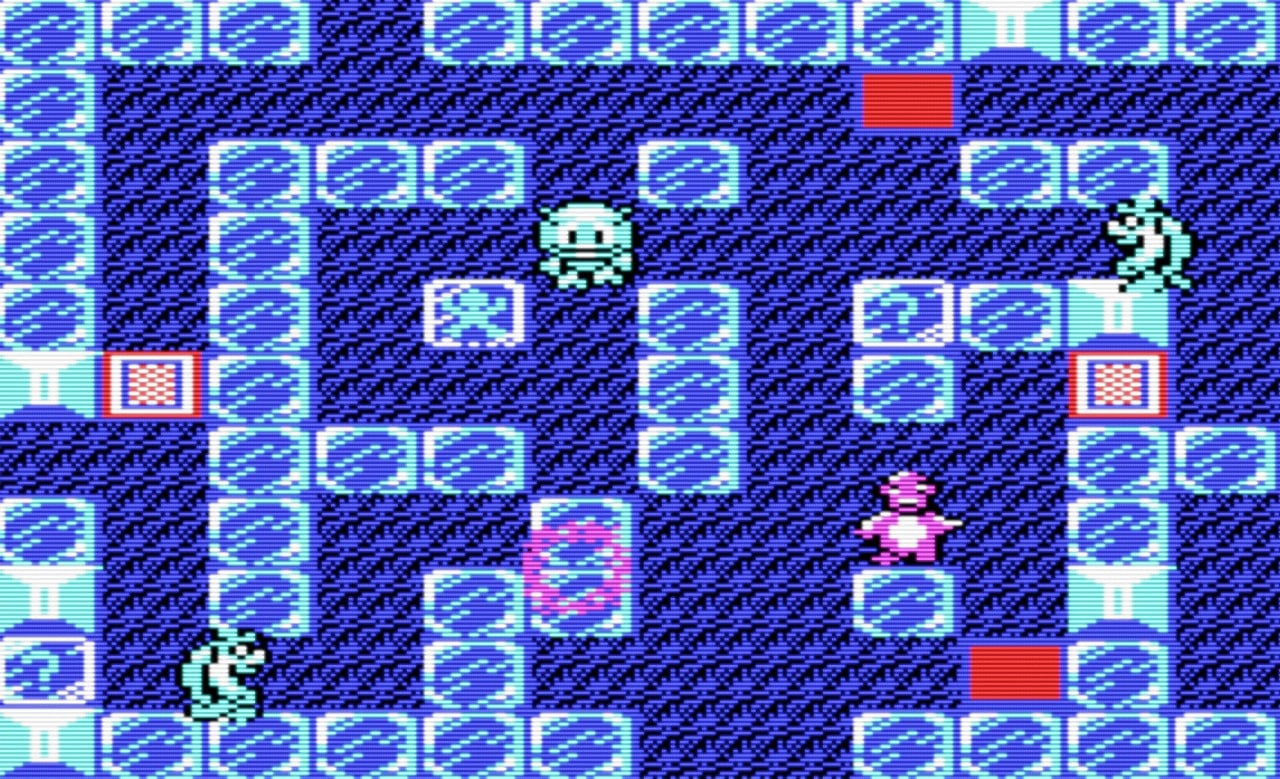
"Thin Ice" is described by its publisher, Thalamus Digital, as "a fun new arcade action experience for the Commodore 64." The game plunges players into an engaging narrative centered around an Ice Dragon named Binky, whose tranquil arctic dwelling is suddenly overrun by "all manner of nasties." As Binky, players embark on a quest to eliminate these invaders and restore peace to their home.
The core gameplay loop of "Thin Ice" draws inspiration from classic arcade puzzle-action titles, presenting a seemingly simple premise with layers of strategic depth. Players guide Binky through various ice caverns, the primary mechanic revolving around pushing ice blocks strategically across the stage. These blocks serve as Binky’s primary weapon, used to crush the encroaching "nasties." Beyond mere elimination, the game encourages tactical thinking, as players must navigate the environment, manipulate blocks, and anticipate enemy movements within a time limit to clear each stage and reach the exit.
Adding further complexity and replayability, "Thin Ice" introduces a bonus system tied to collecting letters scattered throughout the levels. Gathering these letters activates Binky’s fire breath ability, providing a powerful, temporary offensive option that can turn the tide in challenging situations. This element introduces a risk-reward dynamic, as players must weigh the immediate goal of clearing enemies against the strategic advantage of acquiring the fire breath.
The game’s longevity is further enhanced by the diverse behaviors exhibited by the "nasties." Not all enemies are created equal; some relentlessly pursue Binky, demanding quick reflexes and precise evasive maneuvers, while others wander aimlessly, providing more predictable targets. A particularly dangerous variant explodes upon close proximity, forcing players to maintain distance and plan their block pushes carefully. Mastering these distinct enemy patterns is crucial for success and is directly rewarded: players who learn to exploit these behaviors and react accordingly will achieve higher scores. This nuanced enemy design transforms "Thin Ice" from a straightforward arcade game into a strategic challenge, reminiscent of classic titles that rewarded observation and pattern recognition. The combination of environmental puzzles, varied enemy AI, and time-sensitive objectives positions "Thin Ice" as a robust entry into the C64’s contemporary library, appealing to both seasoned retro gamers and newcomers curious about the platform’s capabilities.
Thalamus Digital: A Beacon for Retro Revival
The publication of "Thin Ice" by Thalamus Digital underscores their significant role in the modern retro gaming landscape. Thalamus Digital is the contemporary iteration of the legendary British software house Thalamus, which was highly respected in the 1980s for publishing high-quality games, particularly for the Commodore 64 and Amiga. The modern entity, Thalamus Digital, continues this legacy, focusing on distributing and often reviving classic and new retro titles for various platforms.
Their commitment to the retro scene is evident in their previous releases, which include critically acclaimed Amiga games such as "Roguecraft," a dungeon-crawling adventure; "Return To Blacktooth," a spiritual successor to classic isometric adventures; and "Cecconoid," a vibrant twin-stick shooter. By supporting both new productions like "Thin Ice" and re-releasing beloved classics, Thalamus Digital acts as a crucial bridge between the past and present of retro gaming. They understand the intricacies of the retro market, from the technical requirements of distributing D64 files for C64 emulators and hardware to the nostalgic appeal of physical editions.
The choice to release "Thin Ice" as a D64 file ensures broad accessibility for the C64 community. A D64 file is a disk image format, essentially a digital replica of a floppy disk, making it natively compatible with virtually all Commodore 64 emulators available on modern computers, as well as hardware devices like the C64 Ultimate, which allows real C64 hardware to load disk images from an SD card, and the C64 Mini, a popular plug-and-play console that emulates the original system. This multifaceted approach to distribution maximizes the game’s reach, catering to players using authentic hardware, modern FPGA-based recreations, or software emulation on PCs.
Simon Phipps: A Visual Storyteller of Gaming Eras
Adding another layer of retro authenticity and artistic merit to "Thin Ice" is the involvement of Simon Phipps, the esteemed artist responsible for the game’s cover art. Phipps is another industry veteran whose name resonates deeply within the gaming community, particularly among fans of both Gremlin Graphics and Core Design – the very studios where Shrigley and Lloyd made their mark. His distinctive artistic style has graced countless game covers and in-game visuals, helping to define the aesthetic of numerous classic titles.
In the era of physical media, particularly during the 8-bit and 16-bit generations, cover art played an absolutely critical role in a game’s market success. Without widespread internet access or detailed reviews readily available, the artwork on a game box was often the primary, if not sole, factor in attracting a buyer’s attention on a store shelf. A captivating, evocative, or action-packed cover could make or break a title, turning it into a must-have or consigning it to obscurity. Phipps’s ability to create compelling visual narratives that captured the essence of a game made him a highly sought-after artist. His work is characterized by a blend of dynamic composition, vibrant color palettes, and often a touch of the fantastical, perfectly suited to the imaginative worlds of video games.
His contribution to "Thin Ice" is therefore not merely aesthetic; it is a vital connection to the golden age of gaming, promising a visual identity that aligns with the game’s retro spirit and the developers’ own illustrious past. The forthcoming physical edition, complete with Phipps’s artwork, will undoubtedly become a collector’s item, celebrating the convergence of these influential talents on a new C64 title. This collaboration reinforces the idea that the creation of "Thin Ice" is a project deeply rooted in the history and traditions of classic game development, brought to life by individuals who helped shape that history.
Broader Impact and Implications
The release of "Thin Ice" by a team of such distinguished veterans holds several implications for the broader retro gaming scene and the industry as a whole. Firstly, it reaffirms the commercial viability and creative appeal of developing new games for legacy platforms. While niche, the market for C64 games is passionate and willing to support high-quality new content, especially when it comes from known talents. This success can encourage other experienced developers to revisit their roots or inspire new generations of creators to explore the unique challenges and opportunities presented by older hardware.
Secondly, "Thin Ice" contributes to the ongoing preservation of gaming history. By creating new content, developers and publishers like Thalamus Digital keep the C64 relevant and active, preventing it from becoming merely a static archive. New games demonstrate the continuing potential of the hardware and software, offering fresh perspectives on what can be achieved within its constraints. This active engagement fosters a living history rather than a passive one.
Furthermore, the game serves as a bridge between generations of gamers. Older players, who grew up with the C64, are drawn in by nostalgia and the promise of a new experience from familiar names. Younger players, who may have discovered retro gaming through emulation or modern consoles like the C64 Mini, gain access to a quality title that exemplifies the charm and challenge of the 8-bit era. This cross-generational appeal is vital for the sustained health of the retro gaming community.
The collaboration between Christian Shrigley, Terry Lloyd, Simon Phipps, and Thalamus Digital is a powerful statement about the enduring passion for video games and the creative spirit that transcends technological advancements. "Thin Ice" is more than just a game; it is a celebration of gaming heritage, a testament to enduring talent, and a vibrant addition to the ever-expanding library of the venerable Commodore 64. The game’s store page is available at thalamusdigital.itch.io/thin-ice-c64, though a price has not been publicly revealed. Its launch is a clear signal that for the Commodore 64, the game is far from over.