Cecilia Chamidah Nur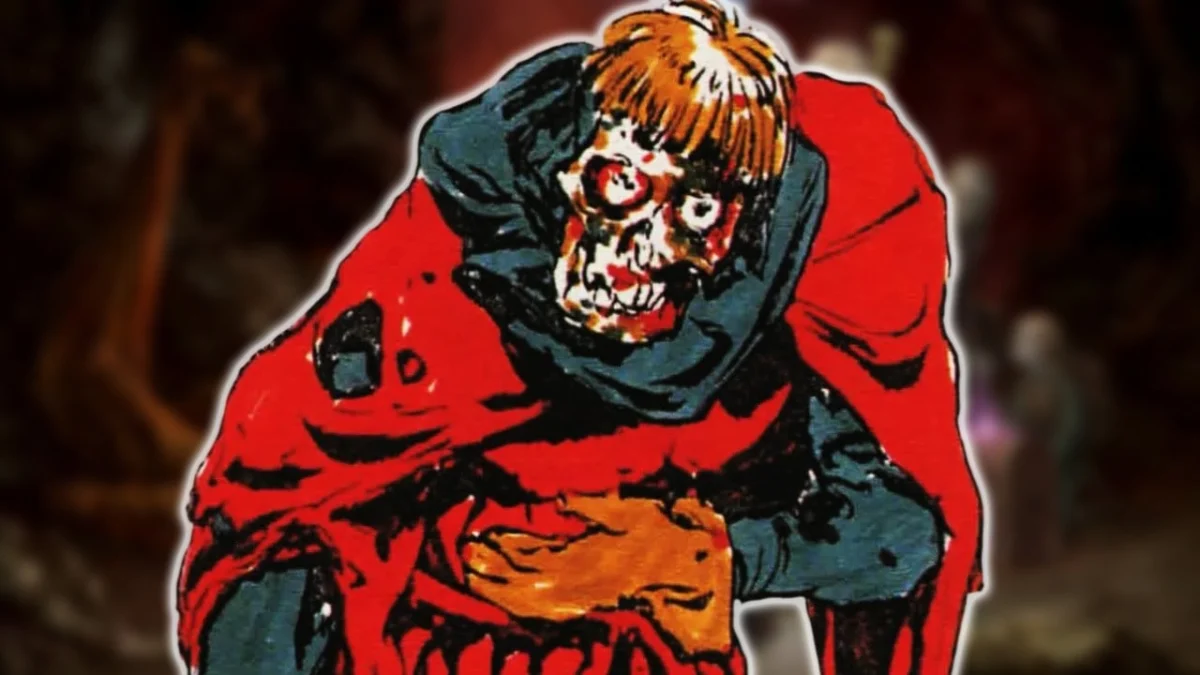
In the realm of video game history, uncovering previously unknown facts can be a formidable challenge, with most significant details seemingly documented across a myriad of publications, websites, and video retrospectives. Yet, the pursuit of unexplored facets of gaming’s past continues to yield surprising insights, offering fresh perspectives and information that has, against all odds, remained buried for decades despite extensive research and fervent fan investigations. This commitment to historical discovery recently led to a significant breakthrough concerning one of the earliest and most recognizable adversaries in the seminal role-playing game Wizardry: Murphy’s Ghost.
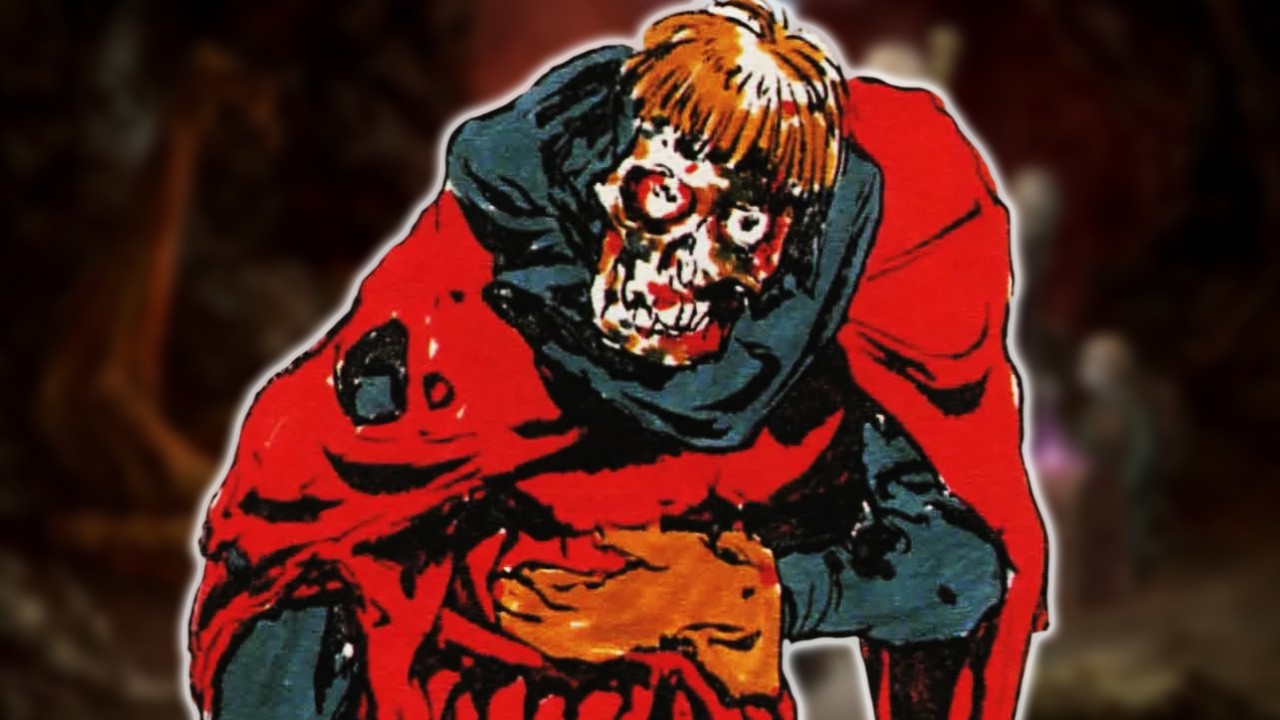
For players of the original Wizardry, whether the foundational Apple II version or the contemporary Digital Eclipse remake, Murphy’s Ghost holds a unique place in gaming lore. Initially encountered in a hidden alcove on the first dungeon level beneath Trebor’s castle, this spectral entity is summoned through interaction with a mysterious altar. Its defeat grants a substantial amount of experience points, making it a highly sought-after target for players looking to rapidly level their party. This strategic exploitation of Murphy’s Ghost has led some historians and players to suggest it might be "the first enemy in any videogame that players actively sought out for the sole purpose of grinding/farming," effectively predating iconic grinding targets like the Metal Slimes in Dragon Quest. The technique’s enduring fame is underscored by its reference decades later in games such as Star Ocean: Till the End of Time, where a character named Puffy humorously rejects the name Murphy, stating she is "not some law or ‘some pesky ghost for racking up experience points."
The Cornell Connection: Tracing the Origins
The journey to identify the real-world inspiration for Murphy’s Ghost began with an earlier interview with Robert Woodhead, one of Wizardry‘s co-creators. Woodhead had confirmed a long-standing fan theory: the ghost was named after Paul and Helen Murphy, friends and early testers for his collaborator, Andrew Greenberg. This revelation sparked a new quest: to ascertain if Paul and Helen were still alive, if they were aware of their unexpected legacy in gaming history, and what memories they might hold from Wizardry‘s formative years.
The task of locating individuals with a common surname like Murphy presented an immediate hurdle. Initial social media searches yielded an overwhelming number of potential candidates, making verification without extensive, targeted outreach impractical. A shift in strategy was necessary, focusing on specific details Woodhead had shared about the Murphys that could help narrow the search. Woodhead recalled: "Andy lived at a special dorm at Cornell called Risley. And Risley was focused on the performing arts. It was this really old building, and so everybody at Cornell who was into performing arts really wanted to stay at Risley. So he lived at Risley, and all of his roommates and floor friends knew he had a computer. And that was kind of a rare thing, so he was a popular guy. And because people like to play games, when he started writing this game, it was only natural that his friends would test it and play it and tell him how good — or bad — it was. I think the nickname for them was WARG — the Wizardry Advanced Research Group."
This critical information — that both Paul and Helen had attended Cornell University and resided in Risley Hall, a dormitory dedicated to the fine and performing arts — provided a vital filter. The search pivoted to identifying individuals with performing arts backgrounds who had attended Cornell and potentially lived in Risley. This revised approach regrettably led to the discovery of an obituary for a Helen Murphy who matched the description: a Cornell graduate, painter, sculptor, and amateur musician, who passed away in 2005. This finding initially raised concerns that the opportunity to connect with the Murphys might have been lost. However, the obituary also contained a crucial clue: the state and township where the Murphys had lived.
Locating Paul Murphy: A Modern Quest
Armed with this geographical detail, the search continued, eventually leading to a New Jersey improv group called The Lunatic Fringe. The group’s cast list featured a performer named Paul Murphy, whose bio included the poignant phrase "For Helen." Believing this to be the correct individual, an email and a message via The Lunatic Fringe’s group page were dispatched. The wait was brief, and the reply confirmed the success of the pursuit: "Yes, I am that Paul Murphy, amazingly. What would you like to know?"
The excitement of this discovery was palpable. A flurry of questions followed, eager to unearth the hidden history behind Wizardry‘s iconic ghost. Paul Murphy graciously responded, offering unparalleled insights into his connection with Andrew Greenberg and the nascent stages of Wizardry‘s development.
"I met both Andy and my future wife Helen at Risley, a dorm for the fine and performing arts," Murphy confirmed, validating Woodhead’s account. He acknowledged familiarity with existing Wizardry articles, noting the differing recollections of the Siroteks and Robert Woodhead. Murphy revealed that he maintains contact with other early playtesters, individuals involved in the original programming and later games, and even Andrew Greenberg’s widow. This network underscored the close-knit community that fostered Wizardry‘s birth.
Crucially, Murphy clarified a long-standing misconception: "As much as I love and miss my wife, she did not play-test, and when Andy was working on the game, her name was not Murphy then (although I suppose it was obvious it would be), so Murphy’s Ghost was named after me." This definitively established Paul Murphy as the sole inspiration for the iconic monster. He also unveiled further hidden naming conventions, revealing that a monster named Bleeb was named after his friend Bill Bensburg, and the original tavern, "Gigamesh’s" (intentionally without an ‘L’), was named after another friend, Jerry. These details paint a vivid picture of early game development as a collaborative, personal endeavor, deeply interwoven with the creators’ social circles.
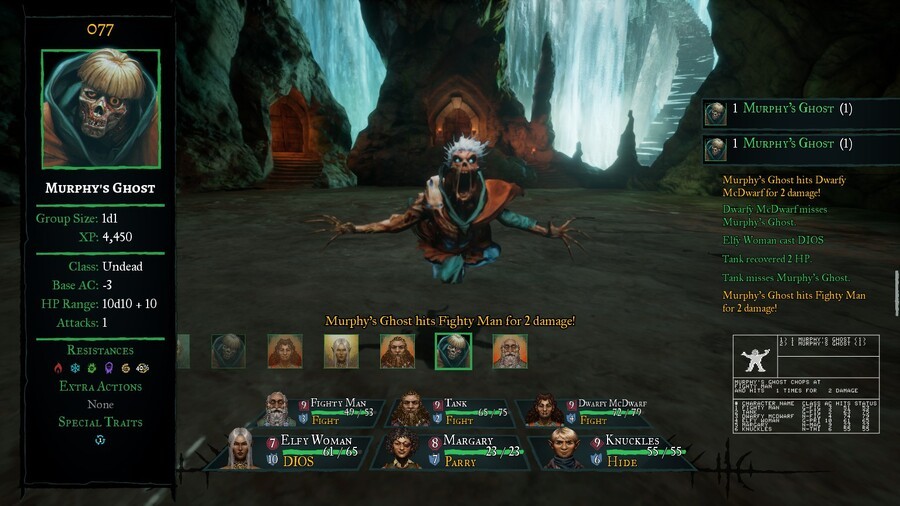
Murphy recounted his friendship with Greenberg: "Andy was one of my best friends; we had played Adventure together on the school’s computers, and occasionally Oubliette on the Plato, so it seemed only natural that he would ask me to test his game." He described the very first iteration of Wizardry as a "one-character version" that included whimsical magical items like an "Oreo Cookie" and a "hot Ham and Cheese sub." Greenberg, without consulting Murphy, integrated "the (as you say, very useful) Murphy’s Ghost," a gesture that "very flattered" him. Murphy expressed awareness of Wizardry‘s enduring legacy, particularly its popularity in Japan and its online remakes, but noted, "you are the first one to seek me out."
A Conversation with a Living Legend
To delve deeper, a more formal interview was arranged with Paul Murphy. He elaborated on his initial meeting with Andrew Greenberg, placing it in his sophomore year at Cornell, around 1976. Risley Hall, as a hub for performing arts, naturally brought them together. Greenberg, a musician, even conducted an orchestra for a dorm theatrical production of A Funny Thing Happened on the Way to the Forum. Their friendship solidified over shared activities like bridge and poker, and their participation in events such as "the Primal Scream contest," a traditional Cornell stress-relief event.
Murphy shed light on Greenberg’s pre-Wizardry ventures into computer gaming. While not recalling a specific D&D game for Apple II before Woodhead, he confirmed their engagement with text-based games like Adventure on Cornell’s mainframe and Oubliette on the PLATO system, alongside actual tabletop Dungeons & Dragons. Greenberg, possessing the rare dittoed purple-and-white D&D rulebooks by Gary Gygax, decided to translate the experience to his Apple II.

The early computing landscape at Cornell was nascent. "Everyone was kind of interested in the computers, but they were very new. So, not many people had them. Andy had one of the first ones," Murphy explained. This placed Greenberg at the forefront, leveraging his intellect for computer programming. Robert Woodhead’s arrival marked a significant shift, transforming Greenberg’s slower, BASIC-coded, single-player prototype into the more efficient, party-based game that would become Wizardry. Murphy vividly recalled the early testing phase: "He had this very basic one-player game and wanted people to test it. So a lot of us came into his room, often when he wasn’t there or when he was asleep, and sat there for hours and hours playing on this one character game." This intimate, almost informal development environment was crucial. His friend Bill Bensburg even contributed to the mathematics for the game’s innovative 3D dungeon view.
Murphy emphasized that the core gameplay loop of the single-character version—exploring, fighting monsters, and gaining experience—was fundamentally similar to the final product. The most significant evolution was the introduction of a party system, replacing the whimsical "Oreo Cookie" and "hot ham-and-cheese sub" with more fantastical, D&D-inspired magical items.
The discussion also touched upon other key figures. Will McLean, a dormmate and artist who later illustrated early Wizardry manuals, was recalled as an armourer for the Society for Creative Anachronism (SCA), a historical re-enactment group popular at Risley. McLean’s skill in crafting durable armour for SCA fights, contrasting sharply with the fragility of football helmets, highlighted his practical artistic talent. Lee Drake, another Risley resident and early tester, also remained in Murphy’s orbit. The "Wizardry Advanced Research Group" (WARG) was indeed a close-knit circle comprising Murphy, Bill Bensburg (Bleeb), Jerry (Gigamesh), and a few others.
Unveiling Hidden Histories: Bleeb, Gigamesh, and the Dungeons of Despair
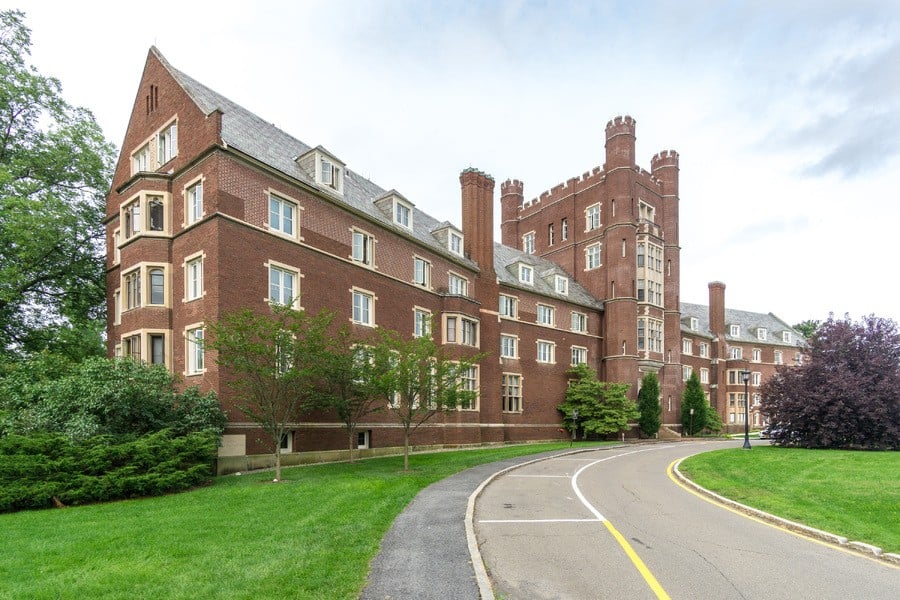
Murphy provided critical clarification on the "Gigamesh" spelling: "It was intentional because Jerry, for whatever reason, was called Gigamesh. But his being called Gigamesh was due to a misprint. At some point, he was trying to do Gilgamesh and left out the L. So he became Gigamesh. So, Gigamesh is intentional in the game." This revelation directly contradicts common corrections made in later versions and fan projects, underscoring the importance of primary source interviews in preserving accurate historical details.
Regarding Helen Murphy’s involvement, Paul reiterated, "She was certainly around. I mean, we were all a close group of friends… But I don’t remember her coming in and testing it." He speculated that her name might have been associated with later Wizardry titles, which he also playtested after acquiring his own Apple II in New York City.
The discovery of Murphy’s Ghost within the game was, for Paul, a natural part of exploration. He didn’t recall Greenberg explicitly directing him to it, suggesting he stumbled upon its hidden alcove. He recognized its utility immediately: "it took a while to just hack at it, but you’re not gonna get hurt that much, and you get a lot of experience points afterwards." This anecdotal evidence reinforces the ghost’s legendary status as an early grinding opportunity.
The evolution of Murphy’s Ghost’s visual representation was also discussed. The original Apple II sprite was a simple, Casper-like white form. Later Japanese iterations, particularly those illustrated by Jun Suemi, depicted a more detailed, knight-like spectral figure. Murphy expressed surprise at this transformation: "It surprises no one more than me that there’s a whole new look for the character. I knew how popular it was in Japan, but the length of time and the idea that there are people out there who still know what a Murphy’s Ghost looks like — I mean, it was never based on what I looked like."
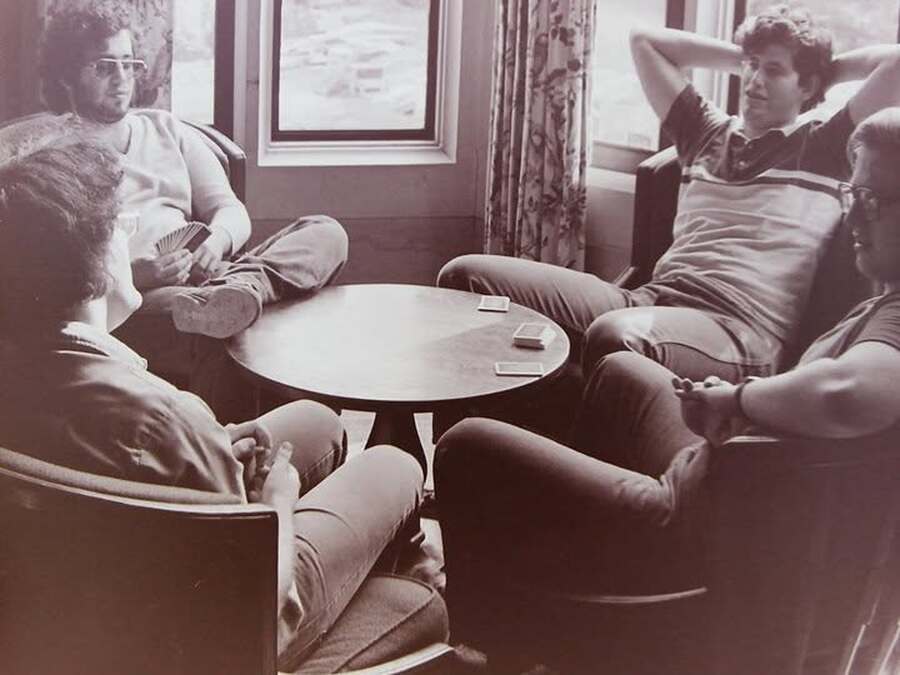
Paul Murphy believes he was likely among the very first to complete the original Wizardry, recalling the specific strategy of using the powerful "tiltowait" spell twice to defeat the final boss. This personal achievement highlights the deep engagement of the early testers.
A particularly intriguing aspect of the conversation revolved around the "Dungeons of Despair," an unbalanced, early version of Wizardry demonstrated at the 1981 Boston Apple Fest, which allowed players to encounter powerful enemies like the devil on the first floor. This version is considered a "Holy Grail" item among game historians, with no known surviving copies. Murphy acknowledged the possibility of possessing a copy among his old computer effects, a testament to Greenberg’s practice of distributing test discs. This potential discovery underscores the ongoing challenges and profound significance of video game preservation.
Andrew Greenberg’s Legacy and Paul Murphy’s Enduring Artistry
Andrew Greenberg’s reaction to Wizardry‘s unexpected success was pragmatic. The game’s rapid popularity led to a series of sequels. Greenberg invested in a "very nice car" and, for a period, indulged his passion for bridge, even hiring a grandmaster for lessons. He later founded Masterplay, a company that released the ambitious board game Star Saga: One – Beyond the Boundary. This sci-fi game, co-written with his wife Sheila, was technologically ahead of its time, attempting to integrate complex narrative elements that strained the computing power of the era. Though Star Saga did not achieve commercial success, its eventual acquisition provided Greenberg with a financial return.
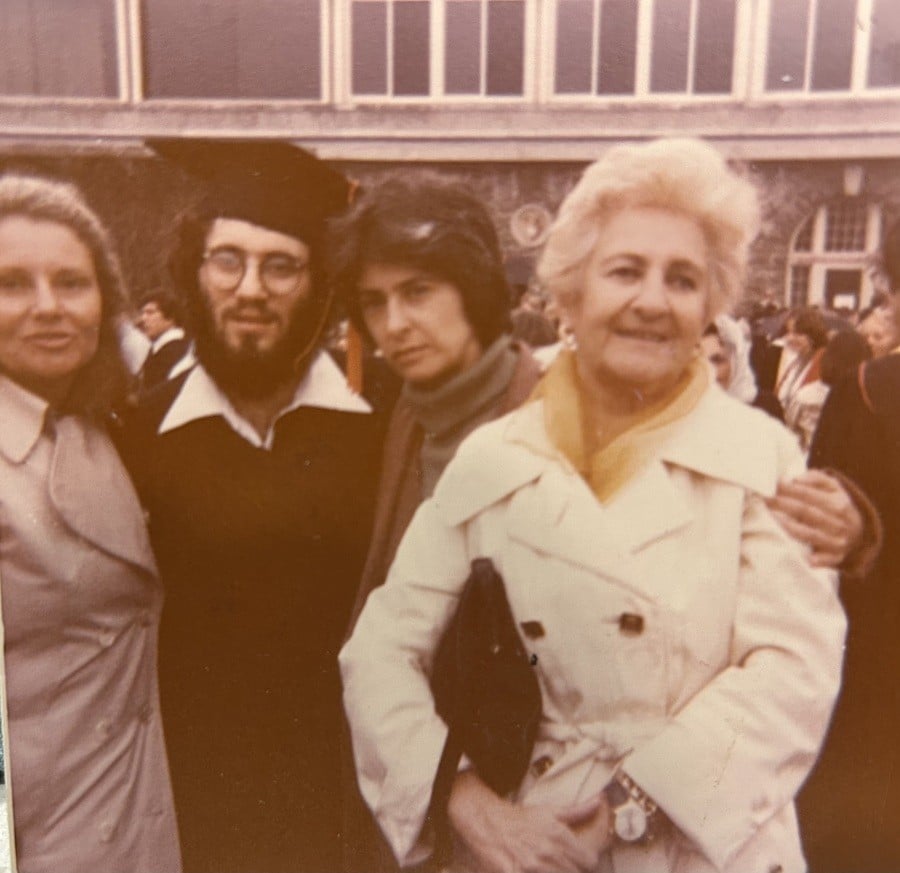
Greenberg’s later career pivoted significantly towards law, influenced by his father, who was his first lawyer in the protracted Wizardry lawsuit. "You can’t tell me he didn’t become an intellectual property lawyer because of that lawsuit," Murphy observed. Greenberg’s legal career was distinguished, leading to a partnership at a Florida law firm and citations by the Supreme Court. Sheila Greenberg noted his goal-oriented nature, suggesting he may have felt a sense of completion after achieving his legal aspirations.
Paul Murphy continued to playtest later Wizardry titles, at least up to Wizardry V, sending him discs to test from his New York City apartment. While he held a "soft spot" for the first game, he recognized that subsequent entries, while offering new adventures and monsters, largely retained the core gaming system. "It was like some book series; you have the main character in a new situation, though it’s not necessarily that different," he mused.
Beyond his historical role in gaming, Paul Murphy’s life has been defined by a continuous engagement with the performing arts. His involvement in The Lunatic Fringe, an improv group celebrating nearly 30 years in New Jersey, and his lifelong acting career, highlight a profound dedication to creative expression. Recently, he participated in a theatrical production titled This World of Tomorrow, co-written and starring Tom Hanks, a surreal experience that may lead to his Broadway debut at the age of 70. This remarkable trajectory from pioneering game tester to seasoned stage actor underscores the diverse paths individuals from Wizardry‘s origins have taken.
The tracking down of Paul Murphy represents a significant addition to the historical record of Wizardry and early computer role-playing games. It humanizes the development process, revealing the personal connections, inside jokes, and passionate dedication that fueled these groundbreaking titles. His recollections offer invaluable primary source material, clarifying long-held assumptions and enriching our understanding of one of gaming’s most influential franchises. The story of Murphy’s Ghost, from a casual nickname among friends to a legendary grinding target and an enduring cultural touchstone, serves as a powerful reminder of the deep, often overlooked, human element at the heart of digital creation.