Chalid Lutfie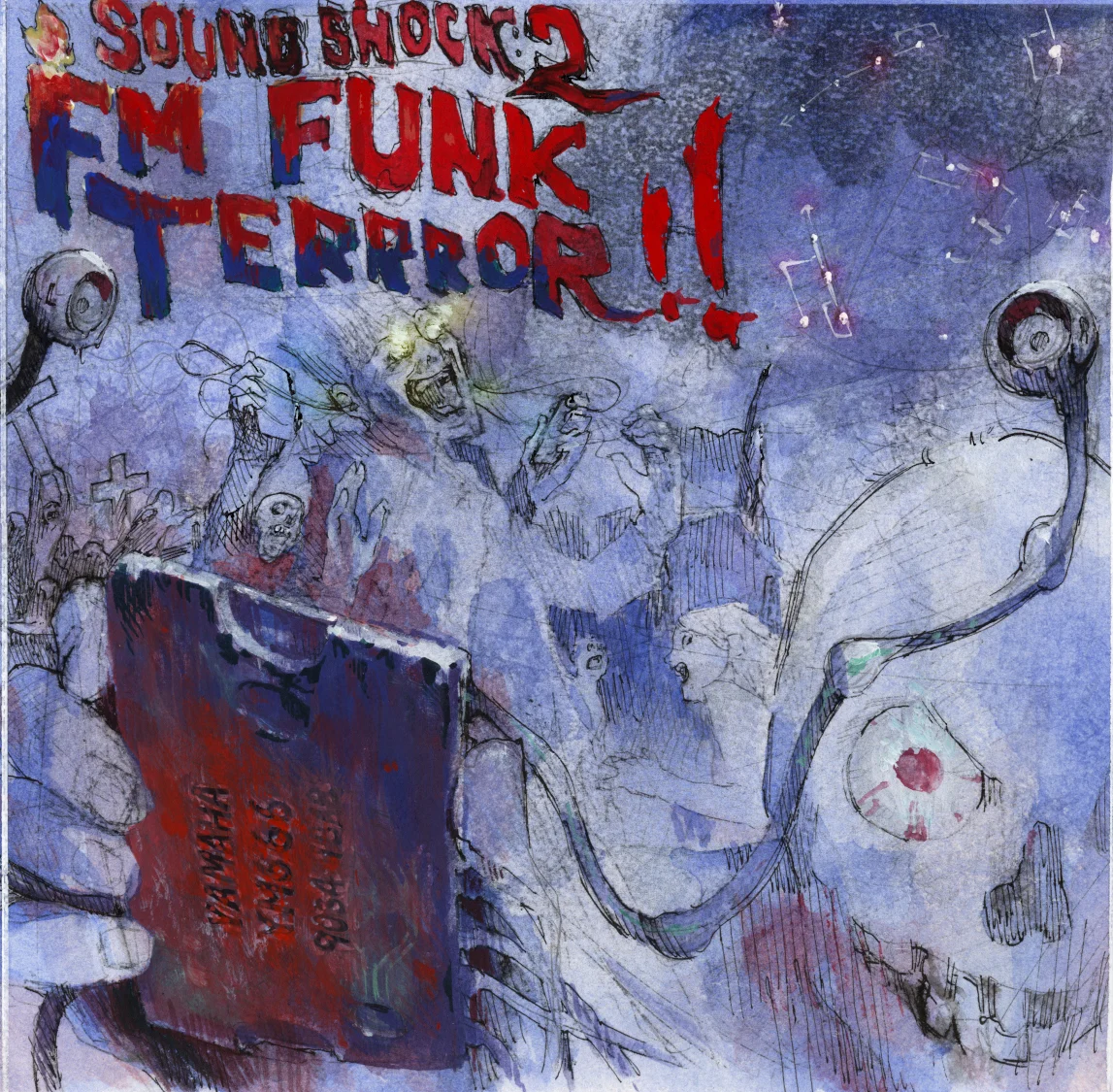
On April 15, 2017, the organizers of the SOUNDSHOCK music series released an extensive retrospective detailing the visual history and creative philosophy behind the trilogy’s iconic hand-painted album covers. This retrospective, curated by the project’s lead organizer, known as zinger, serves as a final tribute to the collaborative efforts between the label and professional artist Tsuyoshi Shimokura. The report offers a rare glimpse into the intersection of Frequency Modulation (FM) synthesis—a cornerstone of 1980s and 1990s video game audio—and the traditional hand-painted aesthetic of Japanese manga and arcade flyers.
The SOUNDSHOCK series has long been recognized within the electronic music and chiptune communities for its dedicated focus on FM sound, primarily utilizing the architecture of Yamaha’s legacy synthesis chips. However, the visual component of the series, spearheaded by Shimokura, has played an equally vital role in defining the project’s identity. Shimokura, an artist with a background in manga and a profound technical appreciation for computer hardware, was initially recruited by zinger after a recommendation from the artist hex125. What began as an invitation to contribute a musical track for the first volume, FM FUNK MADDNESS!!, evolved into a comprehensive artistic partnership that defined the visual language of the entire trilogy.
The Chronological Development of the SOUNDSHOCK Visual Identity
The creative journey of the SOUNDSHOCK covers followed a trajectory that mirrored the thematic escalation of the music itself. According to archival records and the recent retrospective, the collaboration spanned several years, beginning with the series’ inception and concluding with the release of the third and final volume.
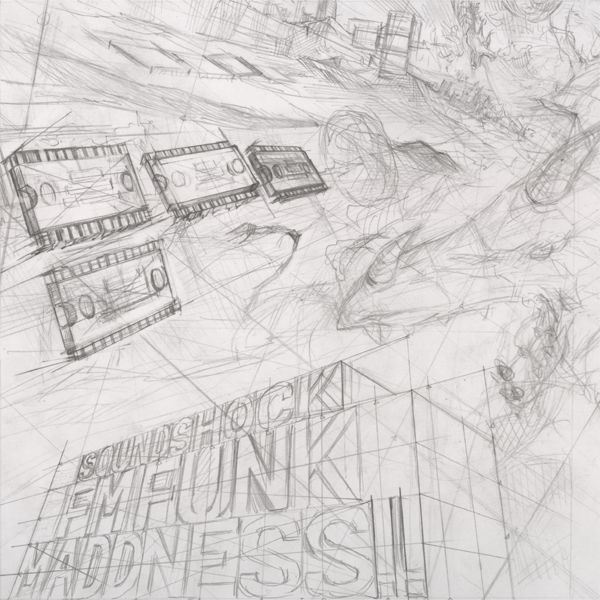
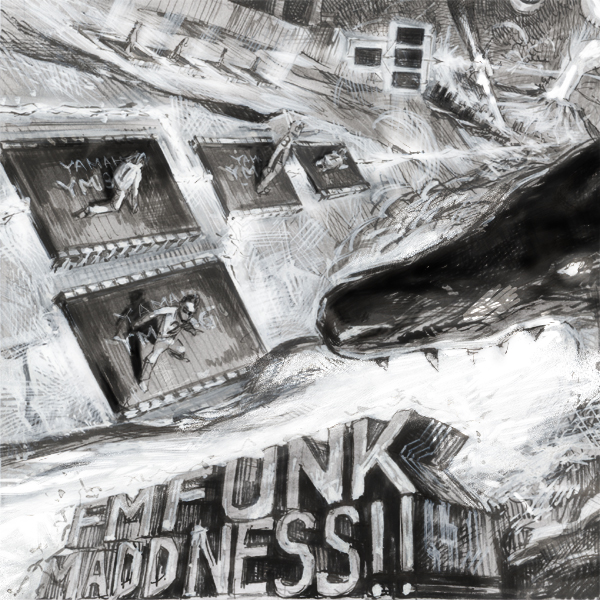
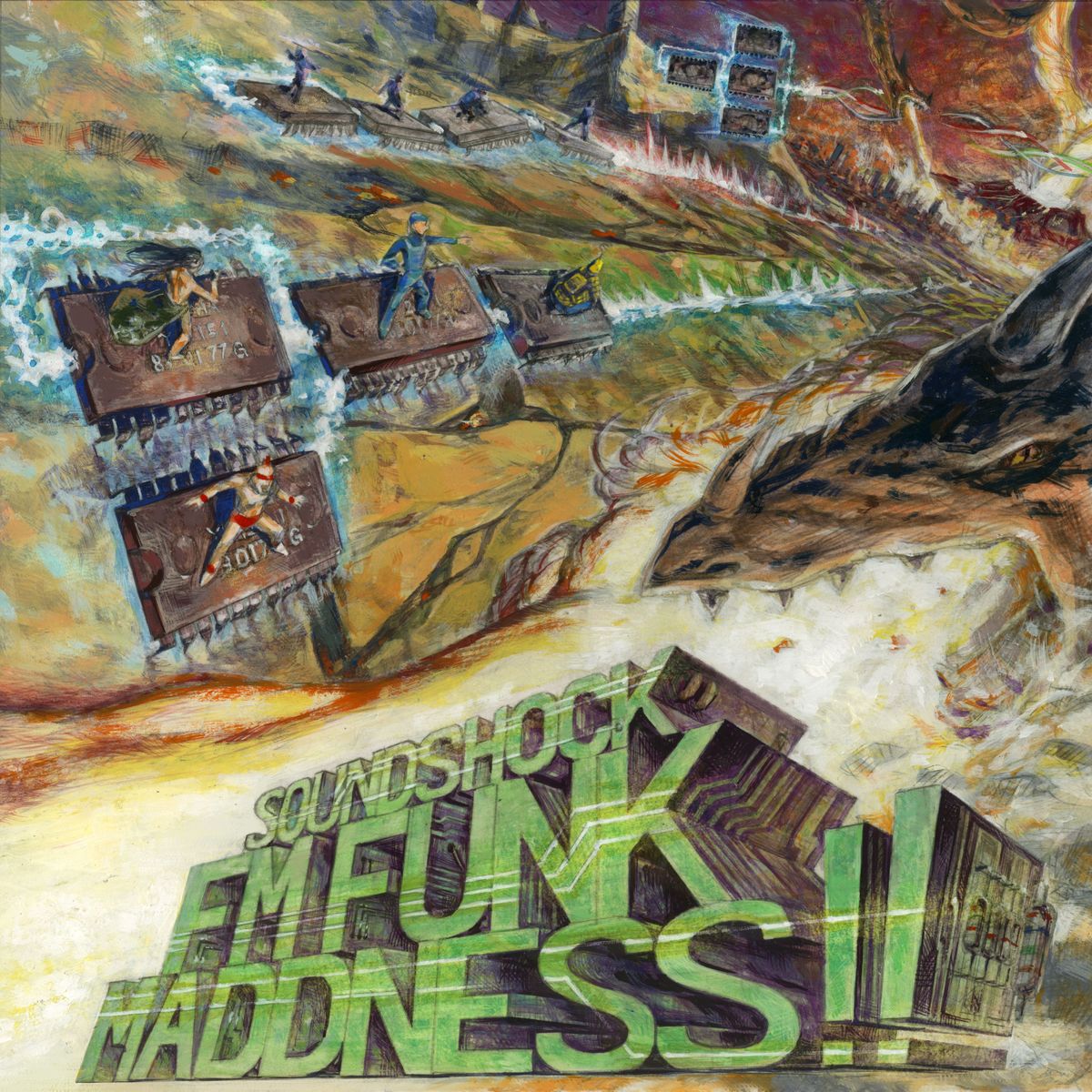
The first installment, FM FUNK MADDNESS!!, established the groundwork for the series’ aesthetic. The project’s organizer noted that the initial inspiration for the cover art was drawn from the high-energy, often chaotic visual style of 1990s Japanese arcade flyers, specifically citing titles such as Metal Black and Darius II. Shimokura’s approach to this volume was characterized by a narrative-driven composition. His concept art depicted a group of heroes—metaphorical representations of the contributing musicians—utilizing the "power of FM sound" to repel monstrous entities.
Technical details in the artwork for Volume 1 were not merely decorative; they were deeply rooted in the mechanics of synthesis. Shimokura incorporated FM algorithm charts into the background and designed the FM chips themselves as sentient, mobile creatures with legs resembling caterpillars. This anthropomorphization of hardware served to bridge the gap between the cold, technical reality of integrated circuits and the vibrant, imaginative world of the music.
Transitioning to Horror: FM FUNK TERRROR!!
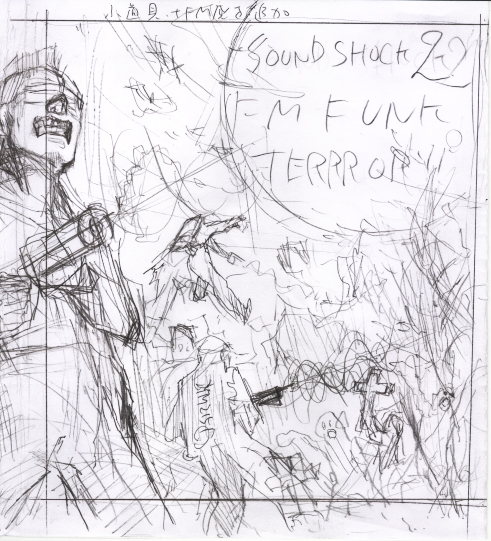
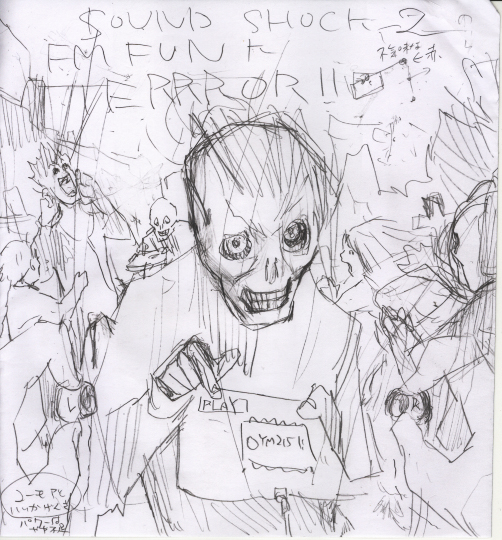
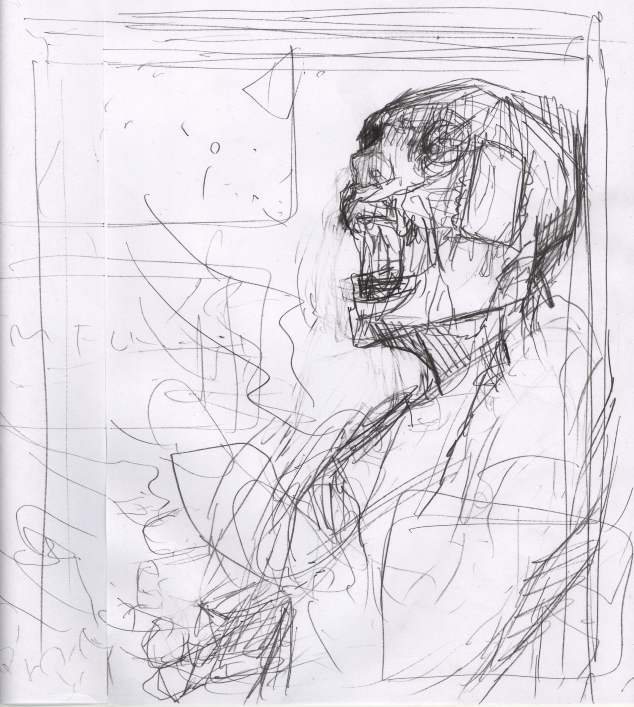
As the series progressed to its second volume, FM FUNK TERRROR!!, the creative direction shifted toward the horror genre. The collaboration during this phase involved a rigorous exchange of cultural references. Zinger provided Shimokura with a variety of 1980s horror movie posters and game flyers, including materials from A Nightmare on Elm Street, The Evil Dead, and the Splatterhouse series.
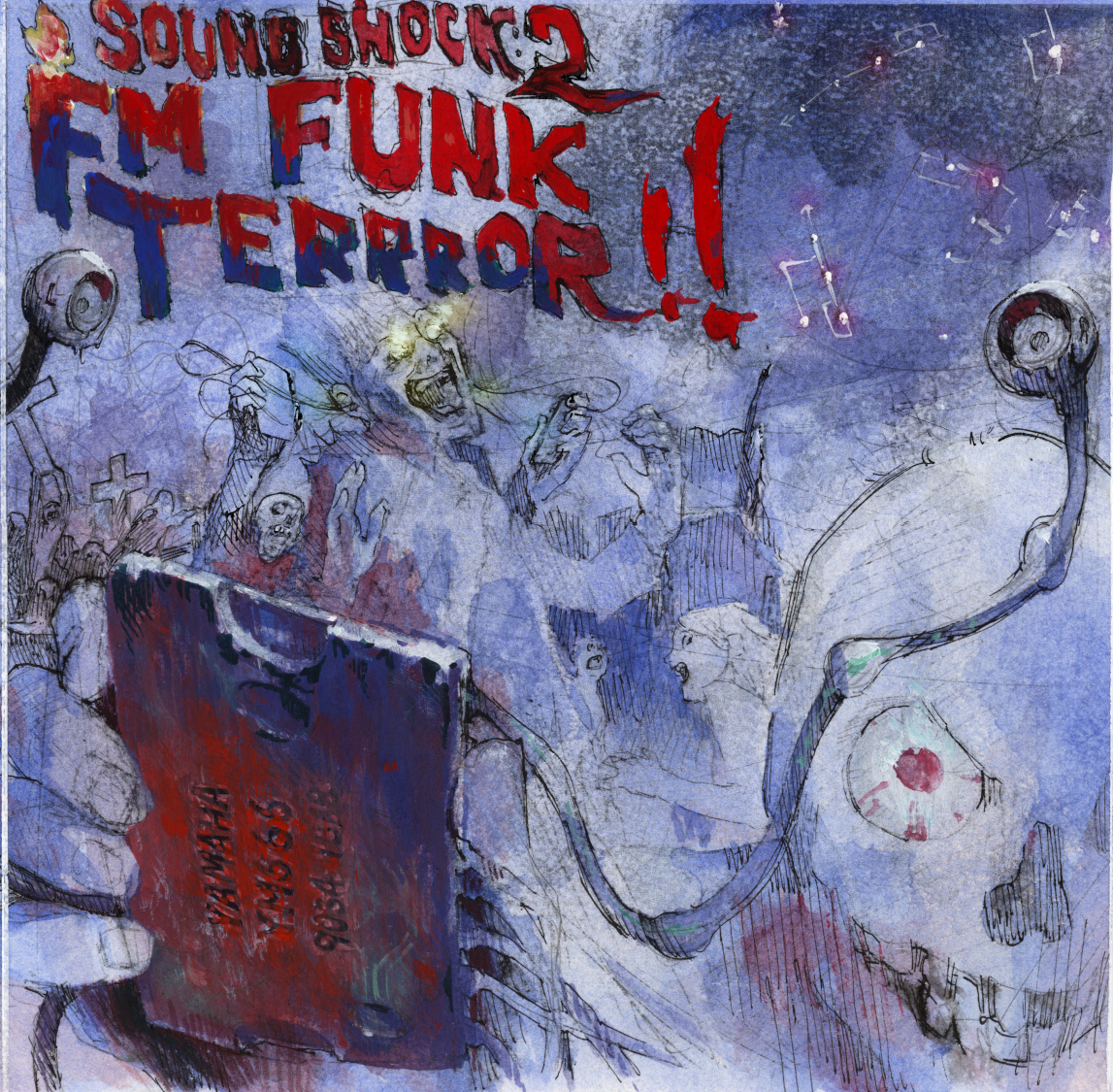
The resulting artwork for Volume 2 was a dense, detail-oriented homage to the "slasher" and "creature feature" tropes of the late 20th century. One of the most notable features of this cover is a ghoul wielding a device styled after a gravestone, labeled "YM666"—a play on the nomenclature of Yamaha’s FM chip series (such as the YM2612 found in the Sega Genesis).
Shimokura’s narrative for this volume suggested a supernatural invasion occurring on April 5, synchronized with the alignment of "Algorithm constellations." In this lore, the FM sound is depicted as a magical force capable of both terrifying and awakening the souls of the listeners. The inclusion of FM algorithm charts as constellations in the sky further reinforced the series’ commitment to hardware-centric imagery, blending celestial mythology with digital engineering.
The Spiritual Conclusion: FM FUNK NIRVANA!!
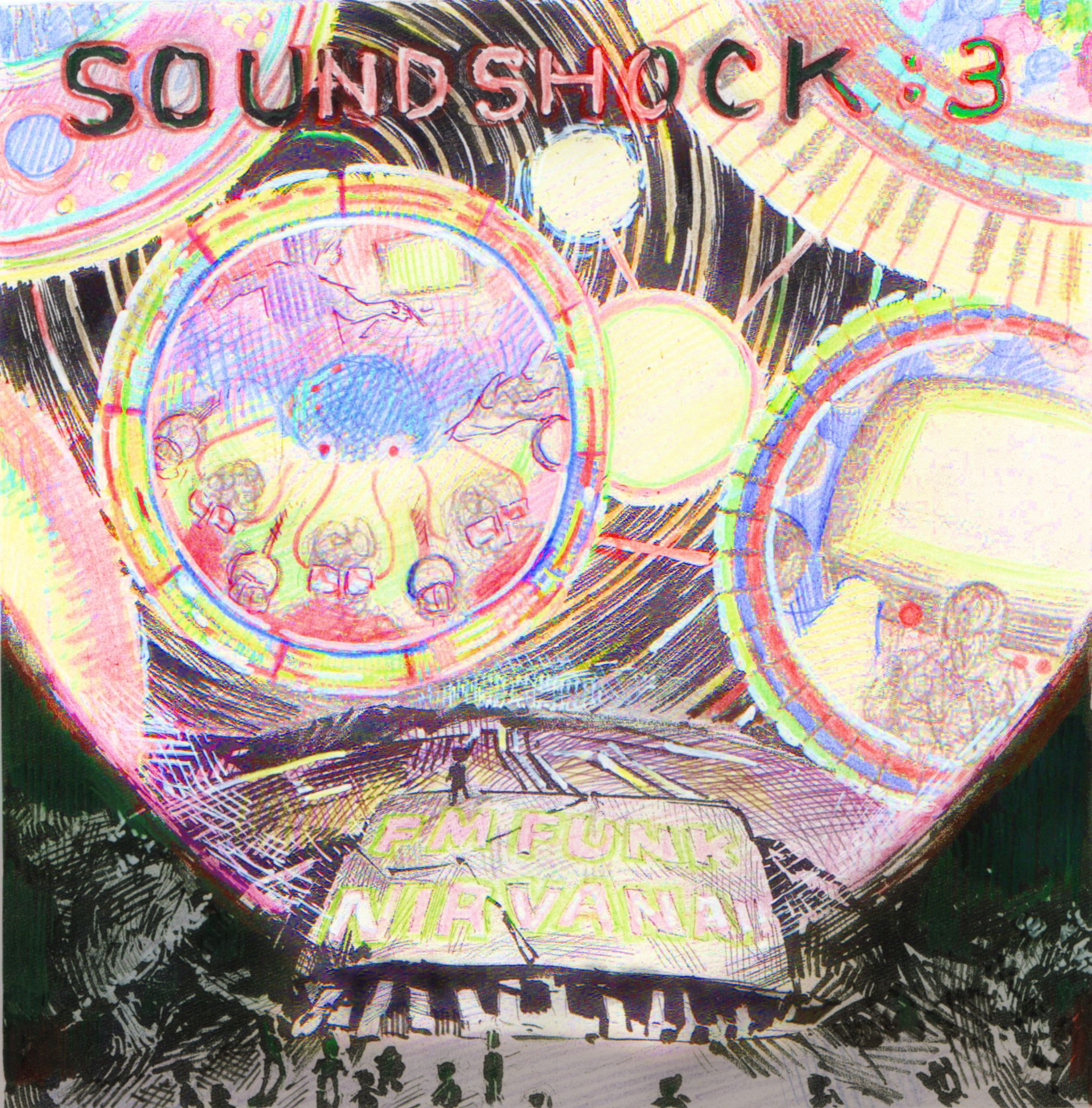
The final chapter of the trilogy, FM FUNK NIRVANA!!, represented a significant departure from the action and horror themes of its predecessors. The title itself was inspired by a fan comment following the release of the second volume, suggesting a progression toward a state of "ultimate" or "perfected" sound.
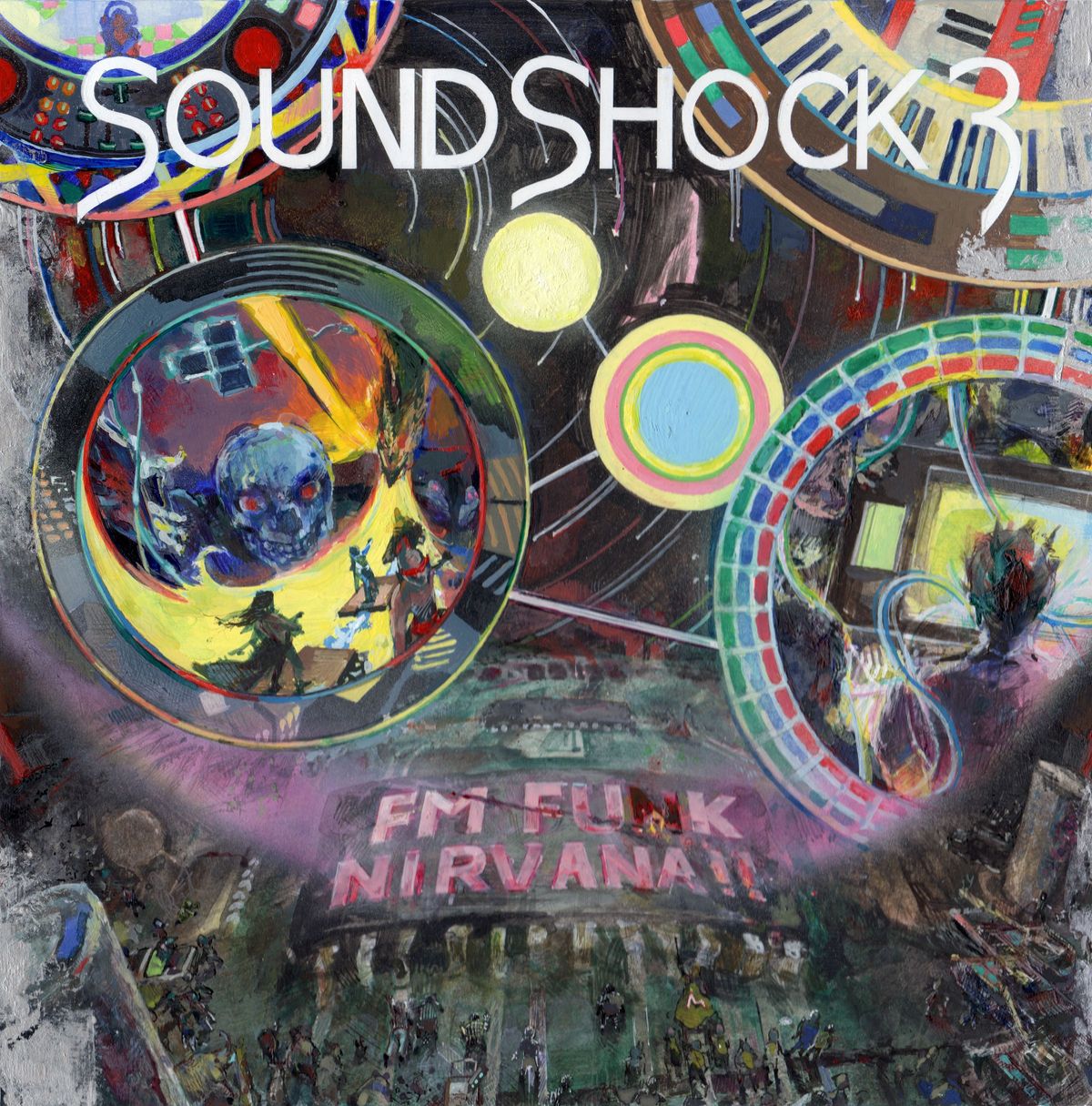
The artistic process for Volume 3 was more intuitive. Zinger reported that he provided Shimokura with Buddhist imagery and references to the soundtrack art of Darius Gaiden. Shimokura interpreted these themes through the lens of a "mandala"—a spiritual and ritual symbol in Indian religions representing the universe. In various spiritual traditions, mandalas are utilized as tools for focusing attention and establishing sacred spaces.
The cover for FM FUNK NIRVANA!! features a large congregation of individuals approaching a massive FM chip mounted on a circuit board, treated as an object of divine worship. Above them, a pattern of spheres containing various elemental visions forms a cosmic map. This imagery serves as a metaphor for the FM synthesis community: a group of dedicated "believers" united by their reverence for a specific era of sound technology.
Technical Background: The Significance of FM Synthesis
To understand the weight of the SOUNDSHOCK series, it is necessary to consider the technical context of FM synthesis. Developed by John Chowning at Stanford University and later commercialized by Yamaha, Frequency Modulation synthesis became the dominant sound technology for arcade machines and home consoles in the late 1980s.
Unlike contemporary sampling techniques, which play back recorded sounds, FM synthesis generates complex timbres by modulating the frequency of one waveform with another. This requires a deep understanding of "algorithms"—the specific configurations of operators (oscillators) that determine the final sound. The SOUNDSHOCK series’ frequent visual references to these algorithm charts are a tribute to the technical mastery required to program these chips, such as the YM2151 or the YM2612.
The resurgence of interest in these sounds in the 2010s, documented by the release of the SOUNDSHOCK trilogy, highlights a broader cultural movement toward "hardware-honest" music production. By focusing on the visual representation of the chips and their internal logic, Shimokura and zinger positioned the SOUNDSHOCK series not just as a collection of songs, but as a preservation project for a specific digital heritage.
Official Responses and Artist Philosophy
In his concluding message to the SOUNDSHOCK fans, Tsuyoshi Shimokura expressed a philosophical view of the series’ end. He suggested that the conclusion of the project is not a cause for sorrow but rather a "seeding" event. He posited that if the series struck a chord with its listeners, it would act as a catalyst for future artists—"future stars"—to carry the legacy of FM sound forward.
"These new stars, we regard as our spiritual offshoots," Shimokura stated. "Just as we are the progeny of our forerunners. For us, believers in FM sound, we are all one and the same."
This sentiment reflects a common theme in the independent music scene: the idea of a "spiritual lineage" where current creators acknowledge their debt to the pioneers of the 1980s while paving the way for the next generation. The professional respect between the artist and the curator was also evident in zinger’s final remarks, where he thanked Shimokura for his talent and for providing a tour of Osaka’s boutique game centers—establishments that remain the heart of Japan’s arcade culture.
Broader Impact and Implications for the Independent Music Industry
The retrospective of the SOUNDSHOCK series underscores the importance of cohesive visual branding in the independent music market. In an era where digital streaming often reduces album art to a small thumbnail, the SOUNDSHOCK project’s commitment to elaborate, hand-painted, narrative-driven covers is an anomaly that has garnered significant respect.
The series serves as a case study in how niche communities—in this case, FM synthesis enthusiasts—can create high-value cultural artifacts by blending technical expertise with professional-grade artistry. The project’s success is attributed to its authenticity; it does not merely use "retro" aesthetics for the sake of nostalgia but deeply integrates the history and mechanics of the technology into its very fabric.
As the music industry continues to grapple with the ephemeral nature of digital releases, the SOUNDSHOCK trilogy stands as a testament to the enduring power of the physical and visual experience. The "seeds" mentioned by Shimokura are already beginning to sprout, as a new generation of composers and artists look back to the FM era not just as a relic of the past, but as a sophisticated toolset for the future of electronic composition.
The legacy of the SOUNDSHOCK series remains a pivotal point in the chiptune timeline, bridging the gap between the functional game audio of the 20th century and the avant-garde electronic music of the 21st. With the final retrospective now public, the series enters the annals of music history, leaving behind a roadmap for how to honor technology through art.