
 Hartono Sudibyo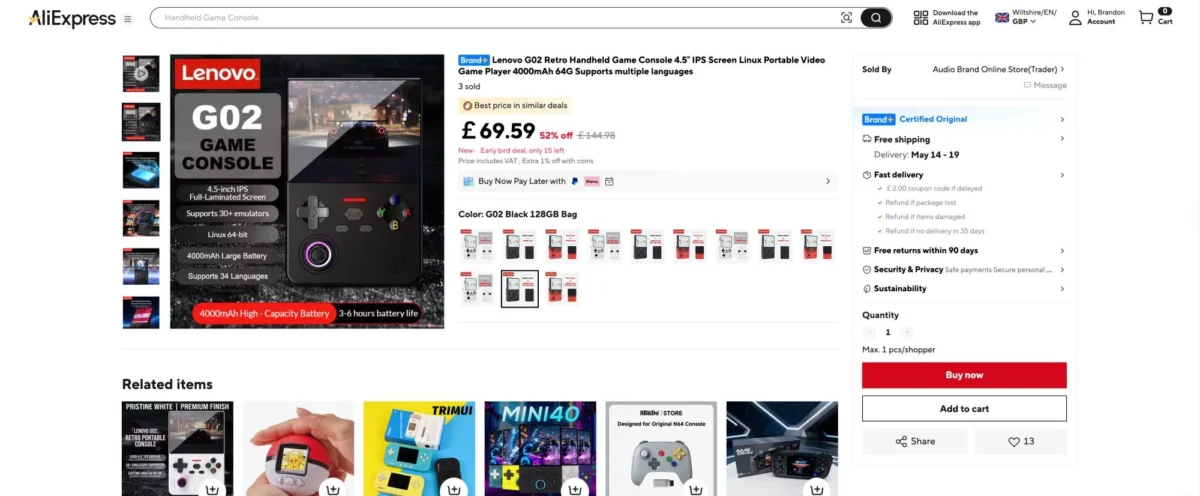
For years, the landscape of retro handheld gaming and emulation has been a domain largely untouched by major technology corporations. This reluctance is often attributed to the niche nature of the market and the complex, legally ambiguous territory surrounding emulation software. However, recent whispers and online listings have suggested a surprising entrant into this space: Lenovo, a venerable tech giant with a 40-year history in computing and gaming peripherals. The device in question, tentatively branded as the "Lenovo G02," has sparked significant curiosity and, critically, considerable doubt regarding its authenticity and official standing.
The initial intrigue surrounding the "Lenovo G02" stemmed from its appearance on e-commerce platforms, most notably AliExpress. For industry observers who have closely followed the evolution of retro handhelds, the G02’s presentation immediately evoked familiar patterns of white-labeling, a practice where a generic product is rebranded with a different company’s name to leverage their market recognition, often without explicit authorization. This phenomenon has historically populated online marketplaces with devices that, while appearing novel, are essentially rehashes of existing hardware, lacking genuine innovation or official backing.
A detailed examination of the available information surrounding the "Lenovo G02" raises immediate red flags. The device is described as a Linux-based handheld gaming console, featuring a 4.5-inch IPS display and a vertical form factor. Its control layout includes action buttons positioned below the screen and shoulder buttons on the rear. On the surface, these specifications are not groundbreaking and align with many budget-friendly retro handhelds that have been prevalent in the market for several years. The question then becomes: is this a genuine Lenovo product, or a deliberate misrepresentation intended to capitalize on the Lenovo brand?
Further investigation into Lenovo’s official communications has yielded little to substantiate the existence of the G02 as an authorized product. The only mention found to date is a brief, text-based reference on Lenovo’s Chinese website, dated March. Crucially, this mention does not appear to be accompanied by any product imagery, detailed specifications, or direct links to sales channels, nor does it convey any sense of endorsement or familiarity with the device being marketed elsewhere. This discrepancy between a purported official mention and the public availability of the device through unofficial channels significantly deepens the suspicion of its legitimacy.
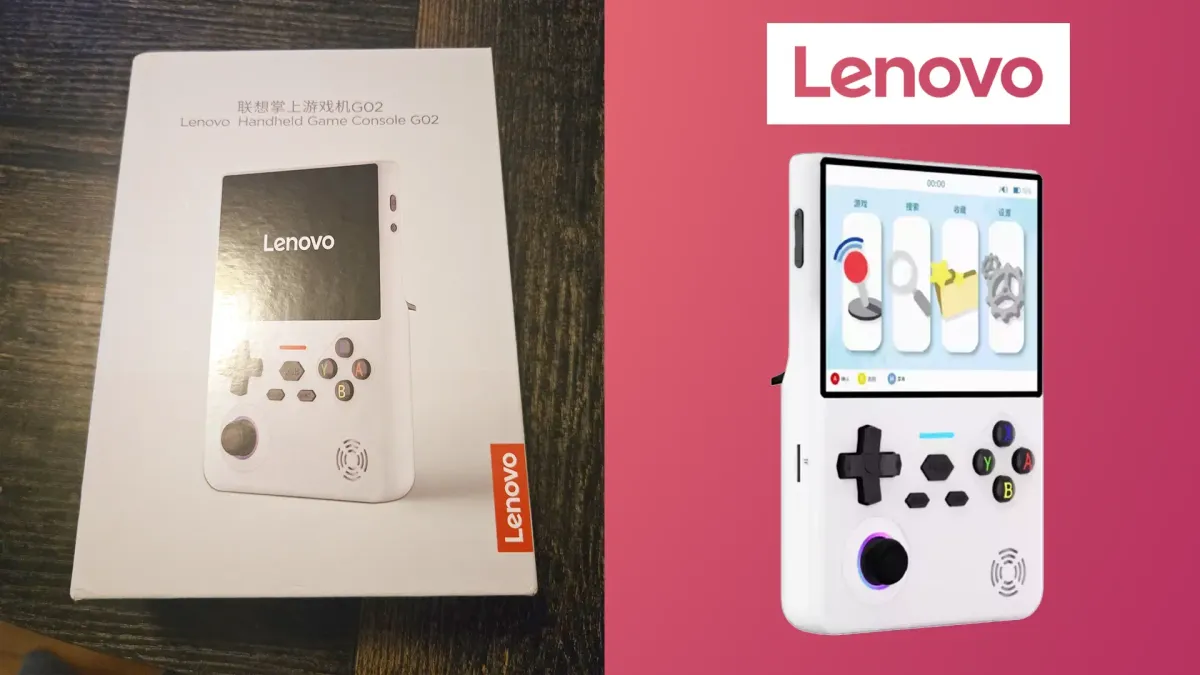
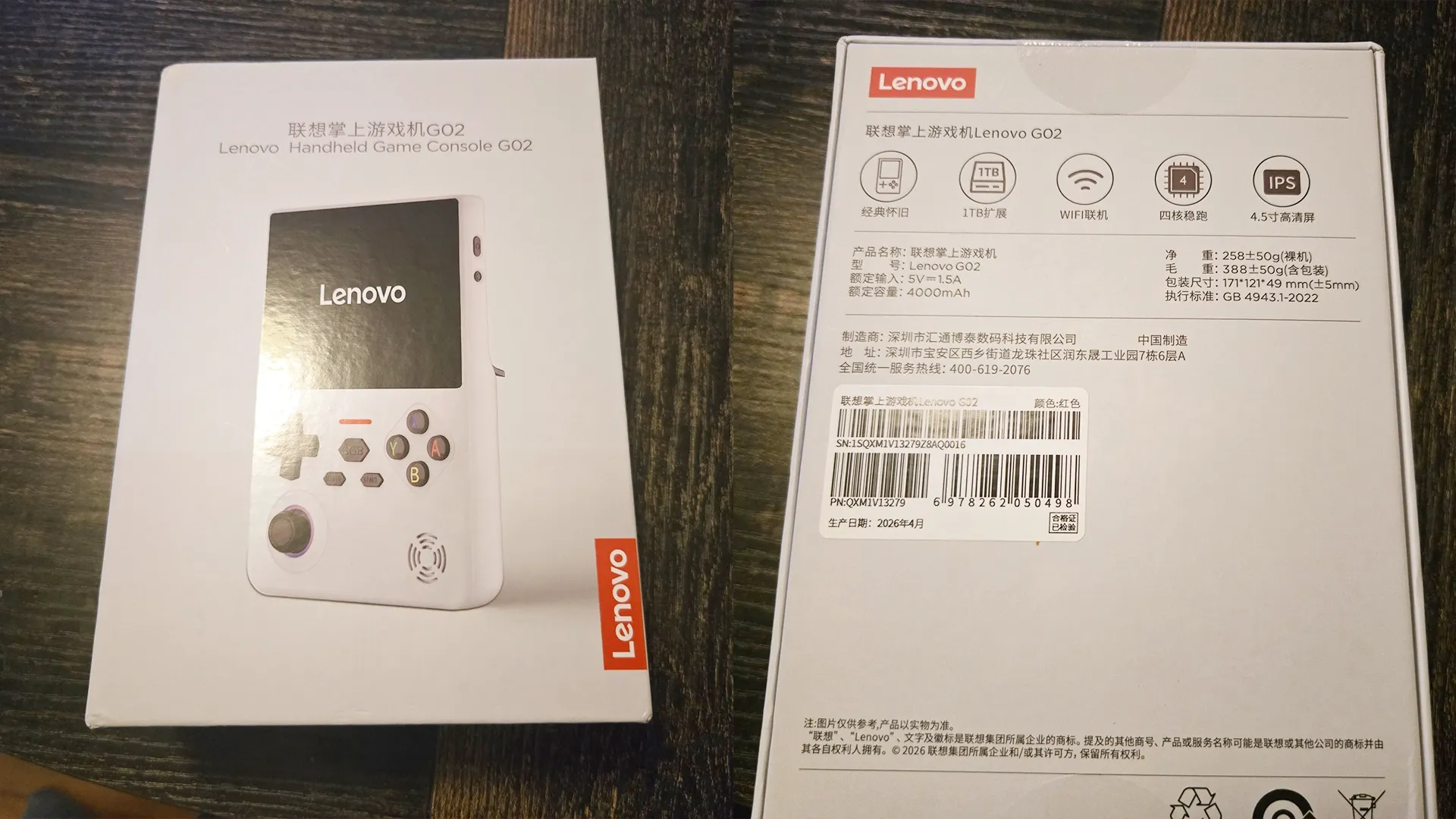
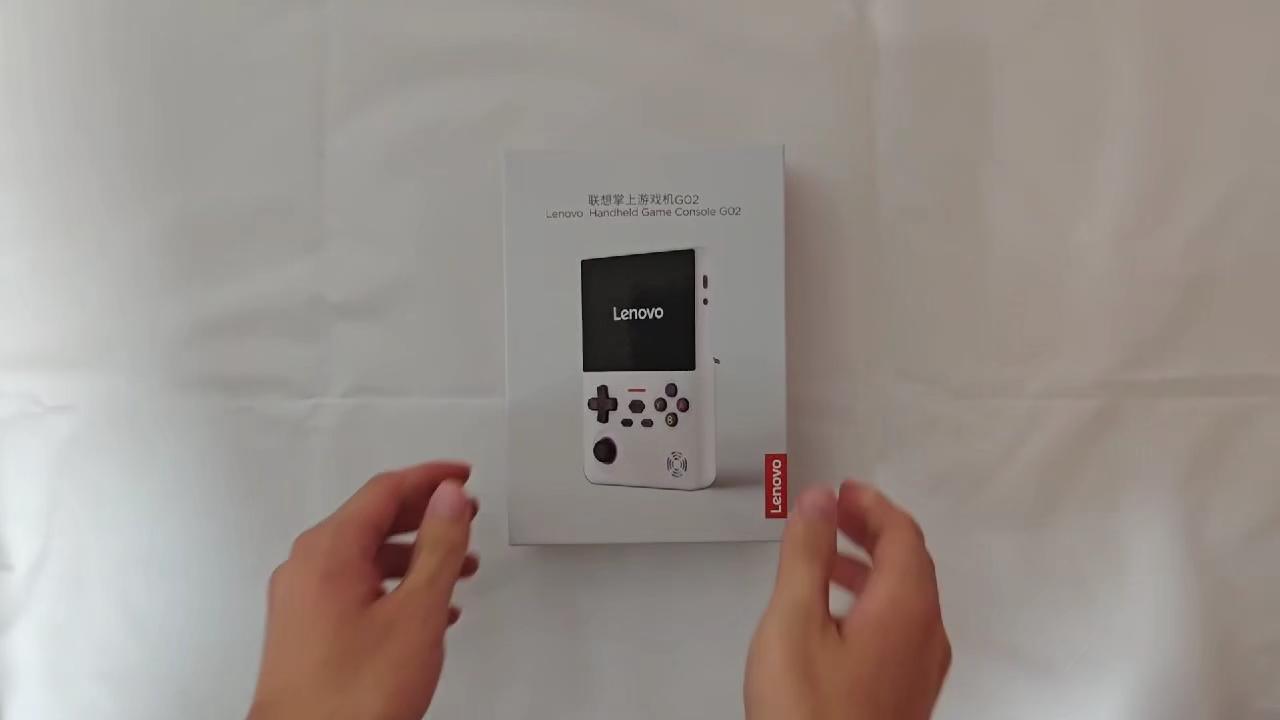
The visual presentation of the "Lenovo G02" further fuels skepticism. Images and promotional videos circulating online depict packaging bearing Lenovo branding, alongside on-screen boot-up sequences that also display the company’s logo. However, these elements can be easily replicated, particularly in a context where the intent may be to create a counterfeit product. The overall aesthetic of the device itself, as presented in various listings, appears to be constructed from low-cost materials, a stark contrast to the robust build quality and premium design typically associated with Lenovo’s established gaming hardware, such as their Legion line of gaming PCs and laptops. The marketing of the device by third-party sellers on AliExpress, such as "Audio Brand Online Store," further muddies the waters, suggesting a distributed and potentially unauthorized sales effort.
The "Lenovo G02": A Closer Look at Specifications and Pricing
The "Lenovo G02" is reportedly available for purchase on AliExpress at a price point of approximately £64 (or $87 USD). The immediate availability upon purchase, coupled with the relatively low cost, contributes to the growing apprehension about its authenticity. While promotional materials, including a video showcasing the device and its packaging, do feature Lenovo branding, the ease with which such branding can be incorporated into counterfeit goods cannot be overstated. The video, in particular, offers glimpses of the device’s interface, which appears to be running a Linux-based operating system.
The technical specifications, as far as they can be discerned from online listings, are modest. The device is expected to be capable of emulating games from systems up to the PlayStation 1 and Nintendo 64 era, with potential for some Nintendo DS and possibly early PSP titles. This level of performance is consistent with many entry-level retro handhelds that have been on the market for some time. The use of a Linux operating system also suggests that the device likely relies on third-party emulators and front-end software developed by the retro gaming community. This reliance on community-driven software further distances the G02 from what one might expect from a product officially sanctioned and developed by a major technology firm like Lenovo, which typically exercises stringent control over its software ecosystem.
The lack of significant hardware or software innovation in the G02, combined with its budget pricing and reliance on common emulation platforms, leads to a strong inference that, if it is indeed a Lenovo-associated product, it represents a departure from the company’s usual standard of development and quality. It is plausible that Lenovo may have outsourced the entire production and development of this device to a third-party manufacturer specializing in low-cost handhelds. Such a strategy, while potentially aimed at tapping into the retro gaming market, risks alienating existing consumers who associate Lenovo with higher-tier products and could lead to brand dilution.
Historical Context: The Retro Handheld Market and Corporate Hesitation
The retro handheld market has experienced a significant resurgence in recent years, driven by nostalgia and a growing demand for accessible gaming experiences. This segment has been predominantly populated by independent manufacturers and small-scale developers, offering a diverse range of devices, from highly customizable DIY kits to pre-built consoles. The legal complexities surrounding game emulation have historically served as a significant deterrent for major tech corporations. The distribution and use of emulators and ROMs (Read-Only Memories, or game files) often exist in a legal grey area, with copyright laws playing a crucial role. Companies like Sony, Nintendo, and Microsoft, who own vast libraries of classic game titles, have been notably cautious about officially endorsing or producing hardware that could facilitate widespread emulation of their intellectual property without proper licensing agreements.
Lenovo, while a powerhouse in the PC and laptop market, has also made inroads into gaming with its Legion brand, known for its high-performance gaming laptops and accessories. The company has also ventured into the portable computing space with its ThinkPad line. However, its participation in the dedicated retro handheld market, particularly at the budget end, would represent a novel strategic direction. The potential for a misstep in this legally sensitive and niche market could carry significant repercussions for a company of Lenovo’s stature.
The Unfolding Narrative: From AliExpress to Official Inquiry
The initial appearance of the "Lenovo G02" on AliExpress presented a confusing picture. Online communities dedicated to retro gaming and handheld devices quickly began dissecting the available information, noting the stylistic similarities to other unbranded or white-labeled devices frequently found on similar platforms. The lack of official press releases, product pages on Lenovo’s global websites, or announcements from Lenovo’s marketing departments created a vacuum of credible information.
Promotional videos, while featuring Lenovo branding, were scrutinized for their authenticity. The ease with which logos and boot screens can be digitally manipulated or physically applied to generic hardware means that such evidence, on its own, is insufficient to confirm official endorsement. The device’s pricing, placement on a platform known for a wide spectrum of product quality, and the absence of a clear roadmap for release or support all contributed to the prevailing sentiment of doubt.
In response to the growing uncertainty and the potential for brand infringement, this publication has reached out to Lenovo for official clarification regarding the "Lenovo G02." The aim is to ascertain whether the device is a genuine Lenovo product, a licensed third-party offering, or a case of unauthorized branding. Should the device prove to be a legitimate, albeit perhaps low-tier, Lenovo offering, further investigation into its performance and market positioning would be warranted. Conversely, if it is found to be a counterfeit product, the implications for consumer protection and brand integrity would be significant. The possibility of obtaining a sample unit for hands-on review is also being explored, which would allow for a direct assessment of its build quality, software, and emulation capabilities.
Broader Implications and the Future of Official Retro Handhelds
The "Lenovo G02" situation, regardless of its ultimate authenticity, highlights several key trends and challenges within the retro gaming hardware market. Firstly, it underscores the continued demand for affordable and accessible retro gaming devices. Secondly, it points to the ongoing prevalence of white-labeling and potential brand misrepresentation on e-commerce platforms. For consumers, this raises the critical need for due diligence and skepticism when encountering seemingly official products from major brands appearing on unofficial sales channels.
If the "Lenovo G02" is indeed an officially sanctioned product, it could signal a new direction for major tech companies looking to capitalize on the retro gaming craze without directly competing with their core product lines. However, the current presentation of the G02 suggests that such an endeavor, if it is legitimate, has been executed with a notable lack of transparency and adherence to typical product launch protocols. This could be interpreted as a conservative approach to entering a market fraught with legal and reputational risks, or conversely, a poorly managed and executed product release.
The legal landscape surrounding emulation remains a critical factor. For any major corporation to officially enter this space, they would need to navigate copyright law meticulously, potentially through partnerships with game publishers or by focusing on open-source or independently developed games. The current situation with the "Lenovo G02" does not appear to have addressed these complexities in a clear or official manner.
The outcome of Lenovo’s response, or lack thereof, will be crucial in determining the future of this particular device and potentially shaping how other tech giants approach the retro handheld market. Transparency, clear communication, and adherence to quality standards are paramount for building consumer trust, especially when venturing into established niche markets. The retro gaming community, while often forgiving of hardware limitations, values authenticity and genuine support. The "Lenovo G02" case serves as a compelling reminder of the challenges and opportunities that lie at the intersection of mainstream technology and the enduring appeal of classic gaming. Continued monitoring of Lenovo’s official channels and any further developments regarding the "Lenovo G02" is essential for a comprehensive understanding of this unfolding narrative.








