
 Jia Lissa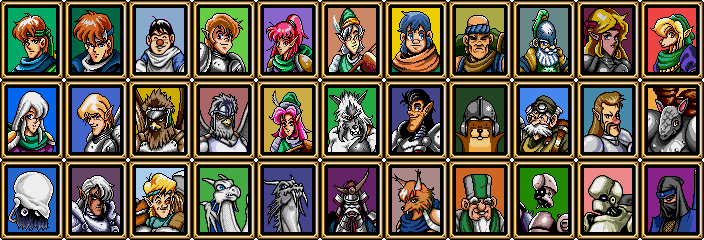
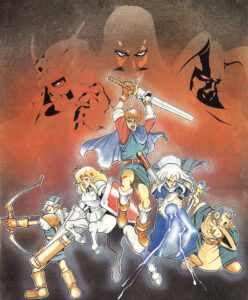
Following the commercial success of Shining in the Darkness in March 1991, the Japanese development studio Climax proved itself a vital asset to Sega’s burgeoning software portfolio. The title not only launched a multi-decade franchise but also signaled a shift in Sega’s approach to the role-playing game (RPG) market. While fans anticipated a direct sequel, Climax instead pivoted toward a more ambitious project: Shining Force. This title would expand the lore of its predecessor while fundamentally altering the gameplay mechanics from a first-person dungeon crawler to a tactical strategy RPG. The development of Shining Force was marked by significant technical innovation, internal studio divisions, and an increasingly strained relationship between Climax and Sega management, ultimately shaping the trajectory of one of the 16-bit era’s most revered series.
Strategic Realignment and the Formation of Sonic Co., Ltd.
By the early 1990s, Sega recognized that RPGs were becoming a critical battleground for console supremacy, particularly in North America where the genre was steadily gaining traction. Titles such as Phantasy Star III and Shining in the Darkness demonstrated that there was a viable audience for deep, narrative-driven experiences on the Mega Drive and Genesis. To capitalize on this, Sega of Japan sought to professionalize and scale its RPG production.
In June 1991, a joint venture was established between Sega and Hiroyuki Takahashi, the founder of Climax. This new entity, Sonic Co., Ltd., was created to oversee the planning, market research, and marketing of software for Sega’s 16-bit and handheld platforms. Sega provided the lion’s share of the investment, holding an 85 percent stake, while Climax and Takahashi held the remainder. The company was named after Sega’s new mascot, Sonic the Hedgehog, following a trend set by Nintendo’s character-themed affiliates like Ape Inc. and Mario Inc.
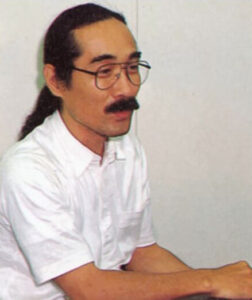
Sonic Co., Ltd. was designed to streamline the production of large-scale RPGs. Historically, game designers were burdened with every facet of development, from coding to character writing. Under the leadership of Director Kenji Orimo, Sonic Co. utilized specialists from various fields, including the manga and editorial industries. This allowed for a more sophisticated approach to world-building and narrative structure, ensuring that future titles would possess the narrative depth required to compete with industry leaders like Enix’s Dragon Quest.
Conceptual Origins: A Rejection of Conventional Strategy
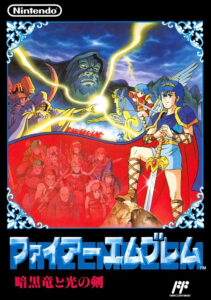
The vision for Shining Force did not originate from a desire to follow established strategy game tropes. Hiroyuki Takahashi was famously critical of the contemporary strategy genre, which he found slow and unengaging. Despite instructions from Enix earlier in his career to develop a strategy title, Takahashi remained unimpressed by popular games of the time, such as Famicom Wars and even Nintendo’s Fire Emblem. He criticized the latter for its sluggish tempo, stating that it had "zero influence" on the design of Shining Force.
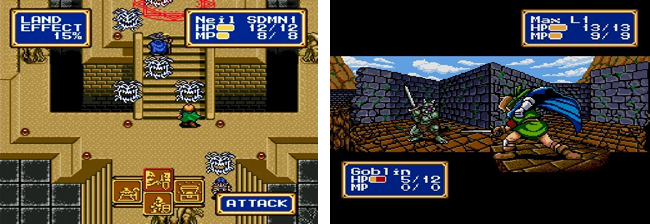
Takahashi sought to combine the tactical depth of simulation combat with the robust storytelling of traditional RPGs. His perspective shifted after playing the PC88 title Silver Ghost, which emphasized managing multiple characters in real-time. He became preoccupied with the concept of "distance" in combat. In traditional turn-based systems, players and enemies faced each other directly, limiting tactical options to simple actions. By introducing movement, formations, and advantageous positioning on a grid, Takahashi believed he could revolutionize the RPG experience.
Initially, the project was conceived as a smaller-scale title for the Game Gear. However, as the scope expanded to include complex battle animations and a large cast of characters, it became clear that the project required the power of the Mega Drive. Takahashi pushed for a 12-megabit cartridge—the largest ever for the console at the time—to accommodate his vision, despite initial pushback from team members who preferred a more traditional RPG focus.
Technical Innovation: The 12Mb Frontier
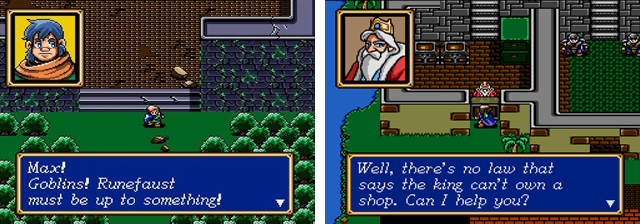
The development of Shining Force pushed the Mega Drive’s hardware to its absolute limits. The team faced a primary challenge: how to include dozens of animated characters and complex battle scenes within the memory constraints of a cartridge. The project eventually ballooned to a size that would have required 40 megabits of data if left uncompressed.
To solve this, Climax developed sophisticated compression routines. While standard compression usually achieved a 50 percent reduction, the team refined their tools to compress files down to 22 percent of their original size. This allowed for the inclusion of 29 unique battle maps and a vast array of character animations. Unlike other RPGs of the era that used static sprites or recycled animations, every character in Shining Force was drawn from multiple angles to ensure that combat felt cinematic and fluid.
The artificial intelligence (AI) also saw a significant overhaul. Takahashi wanted a "mixed" battle system where turn order was determined by individual character agility rather than fixed phases. This required enemies to make complex calculations—determining movement, action, and target—in less than one second. The result was a combat system that felt dynamic and challenging, with enemies actively targeting weaker party members or focusing their efforts on the protagonist, Max.
Art, Lore, and the "Reading Girl"
Yoshitaka Tamaki, the artist responsible for the visual identity of the series, shifted the aesthetic from the "Disney-like" Western fantasy of Shining in the Darkness to a more realistic, albeit still stylized, manga-influenced look for Shining Force. This change reflected the game’s darker narrative, which moved away from fairy-tale tropes toward a story of continental war, political betrayal, and ancient legacies.
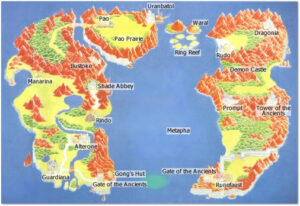
Shining Force was designed as a prequel to the first game, set on the continents of East and West Rune. The plot involved the Kingdom of Guardiana defending the "Gate of the Ancients" against the forces of Runefaust, led by the sorcerer Darksol. While the connection between the games was subtle, Takahashi created an extensive backstory for the world, much of which was only hinted at in the final script. This world-building included the "Reading Girl" (later known by fans as Simone), a character existing outside of time who serves as the player’s gateway into the story.
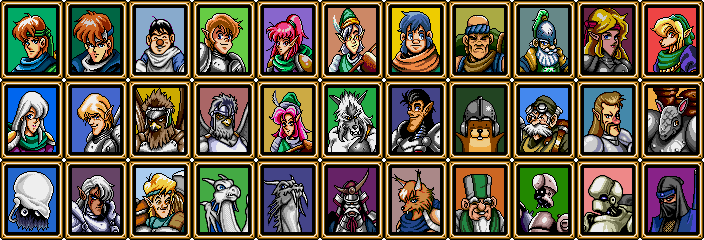
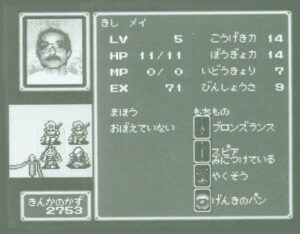
The game’s cast was equally ambitious, featuring over 30 recruitable characters across 10 different races, including centaurs, wolflings, and dragons. One of the most famous inclusions was "Jogurt," a hamster-like creature that began as a graphics test and internal joke. Despite having no utility in battle, Jogurt became a fan favorite and a recurring mascot for the studio.
The Crunch and the Fracture with Sega
The final months of development were characterized by intense "crunch" periods. To meet the deadline for the 1992 Winter Consumer Electronics Show (CES), Takahashi declared a state of emergency. Staff members worked through the night, some even moving their residences closer to the office to avoid commuting. Director Yasuhiro Taguchi described the period as "hell," noting that he frequently worked past 1:00 AM for months on end.
While the game received critical acclaim, the relationship between Climax and Sega began to deteriorate. Following a change in Sega’s management, Takahashi felt that Climax was being treated as an "unruly subsidiary" rather than a valued partner. Despite the commercial success of their titles, budgets remained tight, and royalties were often insufficient to cover the rising costs of development. This friction eventually led to Climax moving away from Sega’s main line of business, with the Dreamcast notably becoming the only Sega console (excluding the 32X) to never receive a Shining Force installment.

Market Reception and Long-term Impact
Shining Force was released in Japan on March 27, 1992, and arrived in Western markets a year later. While exact sales figures from the era are difficult to verify, later reports from producers suggested the game sold approximately 200,000 units worldwide in its initial run. While this was lower than the sales of Shining in the Darkness, the game’s critical reputation far outstripped its initial commercial performance.
The title is now regarded as a seminal work in the tactical RPG genre. It demonstrated that complex strategy could be made accessible to a console audience without sacrificing narrative depth. The success of the "Force" formula led to direct sequels on the Game Gear, Sega CD, and the Saturn, eventually eclipsing the original dungeon-crawling format of the series.
Chronology of Development and Release
- April 1990: Climax is founded by Hiroyuki Takahashi and Kan Naitō.
- March 1991: Shining in the Darkness is released to critical and commercial success.
- June 1991: Sega and Climax form Sonic Co., Ltd. to specialize in RPG production.
- August 1991: Sega officially announces the development of Shining Force at a press conference.
- September 1991: Climax moves to a larger office to accommodate the expanding team and simultaneous development of Landstalker.
- January 1992: Shining Force is showcased at the Winter CES in Las Vegas.
- February 1992: Famitsu hosts the "Shining Force First Party" preview events in Tokyo and Osaka.
- March 27, 1992: Shining Force launches in Japan on the Mega Drive.
- July 1993: The game is released in North America and Europe.
Legacy and Implications
The legacy of Shining Force lies in its ability to bridge the gap between two disparate genres. By injecting high-stakes drama and character-driven storytelling into a grid-based combat system, Climax created a blueprint that would be followed by numerous other franchises. However, the internal strife between the developer and publisher serves as a cautionary tale of the growing pains experienced by the industry during the 16-bit era.
Today, Shining Force remains a cornerstone of Sega’s retro library, frequently appearing in "Greatest of All Time" lists and various classic collections. It transformed the "Shining" name from a single hit into a sprawling multi-generational epic, proving that with enough technical ingenuity and a clear creative vision, the limitations of hardware could be overcome to create a timeless masterpiece.








