Cecilia Chamidah Nur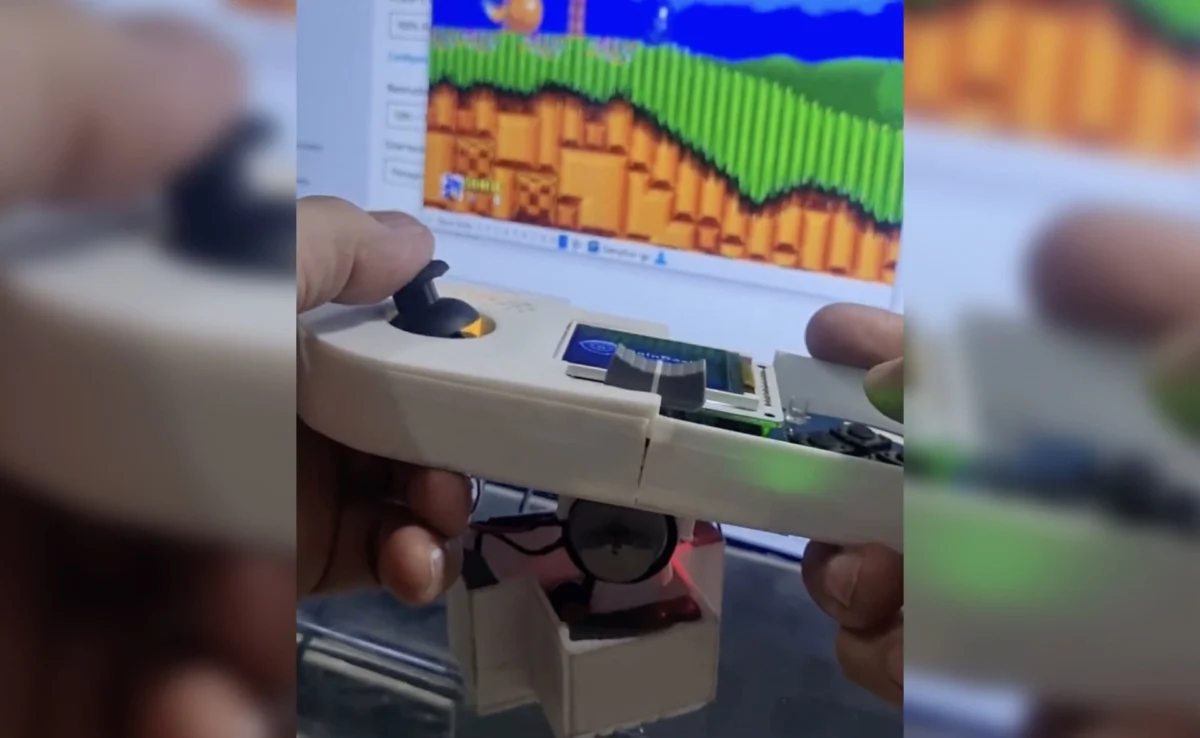
A groundbreaking fan-made prototype controller has emerged, specifically designed to enhance the iconic Spin Dash mechanic in Sonic the Hedgehog 2 through sophisticated force feedback, signaling a new frontier in retro gaming immersion. This innovative peripheral, developed by an individual known as Dr_BrownBR and initially showcased on Reddit, subsequently gained wider attention after being highlighted by gaming news outlets such as Sonic City, illustrating the power of community-driven innovation in the gaming world.
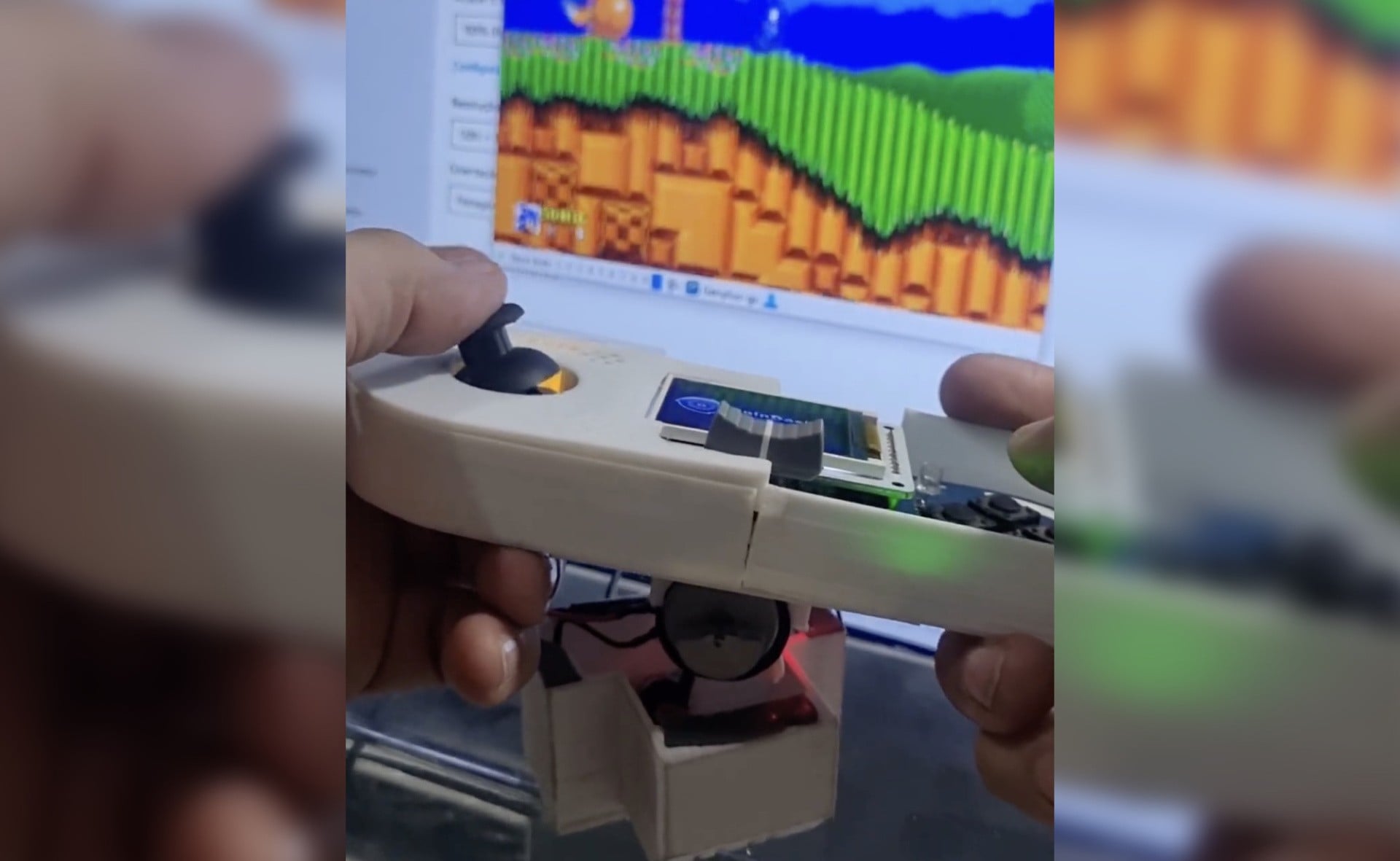
The core of this unique controller lies in its ability to translate in-game actions into tangible physical sensations. When a player charges Sonic’s signature Spin Dash, a dedicated motor within the controller rumbles into life, intensifying as the charge builds. This haptic feedback aims to provide a deeper, more visceral connection to the gameplay, allowing players to "feel" the energy accumulating before Sonic bursts forward. Beyond the primary Spin Dash functionality, the prototype integrates additional features, including a small, embedded screen that visually indicates when the dash is fully charged. This dual sensory feedback mechanism—tactile and visual—marks a significant departure from standard retro controllers, which typically offer only basic input and no direct feedback on in-game states.
The Genesis of an Idea: Dr_BrownBR’s Vision and the Modding Spirit
The creation of this controller underscores the fervent dedication and technical ingenuity prevalent within the global gaming modding community. Dr_BrownBR’s project is a testament to the desire among enthusiasts to not merely play classic games but to reimagine and enhance their foundational experiences. While specific biographical details about Dr_BrownBR remain limited, the meticulous craftsmanship and thoughtful design evident in the prototype suggest a background in electronics, programming, or a deep-seated passion for hardware modification. The iterative nature of the development, moving from a basic concept to a more feature-rich device, reflects the typical trajectory of ambitious fan projects.
In its initial unveiled state, the controller presented itself as a clear prototype, with elements like exposed face button microswitches and an externally mounted rumble motor. These characteristics are common in early-stage hardware development, prioritizing functional proof-of-concept over polished aesthetics or robust casing. The exposed components allowed for easy access for adjustments and debugging, a practical approach for a single developer pushing the boundaries of what’s possible with retro hardware. This transparency in its development phase invited both admiration for its innovative spirit and practical discussions about its future refinement. The initial focus solely on the Spin Dash indicated a targeted approach to address a specific, highly recognizable mechanic within Sonic the Hedgehog 2, a strategic choice to maximize impact with a proof-of-concept.
Revolutionizing Retro: The Mechanics of Immersive Feedback
The innovative design goes beyond simple vibration. The haptic feedback for the Spin Dash is engineered to provide a graduated response, where the intensity and frequency of the rumble dynamically increase in proportion to how long the player holds the charge. This nuanced feedback allows players to instinctively gauge the optimal release point without solely relying on visual cues, potentially improving reaction times and precision. For a game like Sonic the Hedgehog 2, where split-second decisions and precise movement are paramount to achieving high scores and fast clear times, such a tactile advantage could significantly alter the gameplay experience.
Furthermore, Dr_BrownBR’s commitment to enhancing immersion extended beyond the Spin Dash. A subsequent update to the controller introduced additional haptic responses for other critical gameplay events. Players would experience distinct vibrations upon losing rings, a common occurrence when Sonic takes damage, and upon successfully landing a hit on a boss character. These expanded haptic cues provide more comprehensive feedback, making players more acutely aware of their in-game status and the impact of their actions.
The integrated screen, initially displaying only the Spin Dash charge status, also received an upgrade. Post-update, it was programmed to show a boss’s health bar and even highlight its weak spot. This intelligent use of a small, integrated display transforms the controller from a mere input device into a secondary heads-up display, offering crucial tactical information directly in the player’s hands. This feature is particularly noteworthy, as it offloads vital information from the main game screen, potentially allowing players to focus more intently on the action unfolding before them. Such an integration of visual data directly onto the peripheral is a sophisticated design choice, reminiscent of more modern gaming accessories and further solidifying the prototype’s innovative standing.
A Historical Context: Haptic Feedback in Gaming
The concept of haptic feedback in gaming is not new, but its application in this fan-made retro controller highlights a compelling evolution. Early forays into tactile feedback can be traced back to accessories like the Nintendo 64’s Rumble Pak, released in 1997, which provided rudimentary vibrations for in-game events. This was followed by the widespread adoption of rumble technology in controllers for the PlayStation, Xbox, and subsequent generations, becoming a standard feature that added a layer of immersion through generalized vibrations.

However, modern haptic technology, exemplified by Sony’s DualSense controller for the PlayStation 5, has significantly advanced, offering highly nuanced and directional vibrations that can simulate textures, weapon recoil, and environmental sensations. Dr_BrownBR’s controller, while operating within the constraints of a fan project, bridges this gap by bringing a more targeted and context-sensitive form of haptic feedback to a retro title. By focusing on a specific, iconic mechanic like the Spin Dash and expanding to other critical events, it moves beyond generic rumble to provide meaningful, gameplay-relevant tactile information, pushing the boundaries of what was traditionally possible with a Sega Genesis/Mega Drive controller. This project effectively demonstrates how contemporary haptic design principles can be retrofitted and applied to classic gaming experiences, offering a fresh perspective on beloved titles.
The Enduring Legacy of Sonic the Hedgehog 2 and its Iconic Spin Dash
Sonic the Hedgehog 2, released in 1992, stands as a monumental achievement in video game history, widely regarded as one of the most influential and beloved titles on the Sega Genesis/Mega Drive. Its vibrant graphics, blistering speed, and expertly crafted level design cemented Sonic’s status as a formidable rival to Nintendo’s Mario. A pivotal innovation introduced in Sonic the Hedgehog 2 was the Spin Dash, a move that allowed players to charge up a burst of speed from a standstill. This mechanic revolutionized gameplay, enabling faster level traversal, more dynamic boss encounters, and new strategies for platforming. The Spin Dash quickly became an iconic element of the Sonic franchise, synonymous with speed and power.
Given its enduring popularity and the critical role of the Spin Dash, Sonic the Hedgehog 2 serves as an ideal canvas for Dr_BrownBR’s haptic experiment. The game’s fast-paced nature and the frequent use of the Spin Dash mean that the controller’s primary feedback mechanism would be almost constantly engaged, providing continuous opportunities for enhanced immersion. The choice of Sonic 2 not only taps into a vast pool of nostalgic players but also selects a game whose core mechanics are perfectly suited for tactile augmentation, demonstrating the potential for such innovations to breathe new life into classic experiences.
Design Choices and Community Dialogue: The Analog Stick Debate
One aspect of Dr_BrownBR’s prototype that sparked considerable discussion within the Reddit community was the inclusion of an analog stick instead of the traditional D-pad, which is standard for most 2D platformers, especially on retro consoles. The debate between analog sticks and D-pads is a long-standing one in gaming, particularly when it comes to precision in 2D movement. Many purists and seasoned retro gamers argue that a D-pad offers superior accuracy and tactile feedback for navigating pixel-perfect platforms and executing precise maneuvers in games like Sonic. Analog sticks, while excellent for 3D environments and variable movement speeds, can sometimes feel less precise for binary directional inputs required by 2D titles.
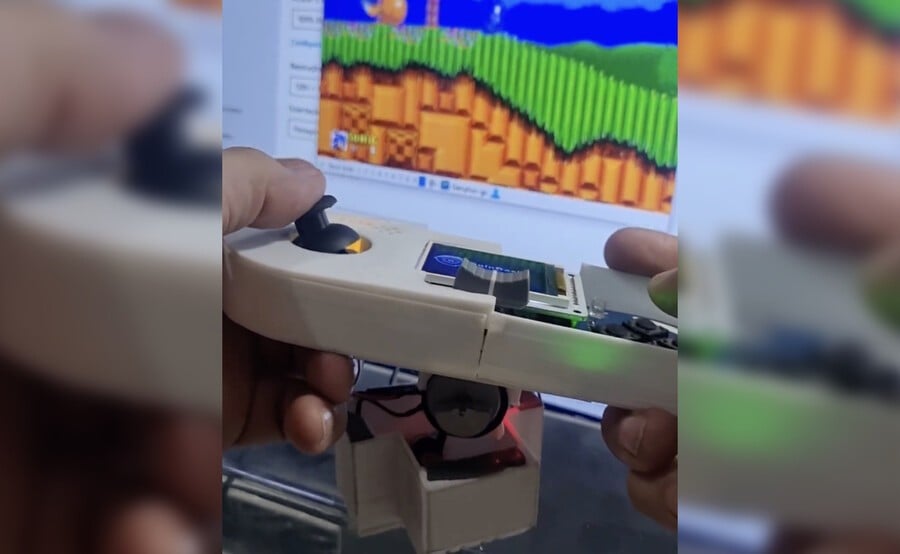
Dr_BrownBR, however, addressed these concerns directly, stating that the choice of an analog stick was "a matter of taste" and that the word "madness" often defined his experimental approach. This response highlights a fundamental tension between established conventions and creative freedom in hardware design. While some community members expressed reservations about the analog stick potentially impacting the authentic retro feel or precision, others lauded the creator’s willingness to experiment and challenge norms. This dialogue underscores the diverse preferences within the gaming community and the subjective nature of controller ergonomics. It also reinforces the idea that fan projects often prioritize innovation and personal vision over strict adherence to historical authenticity, pushing the boundaries of what a gaming peripheral can be.
Technical Roadblocks and Pathways to Future Compatibility
Despite its innovative features, the fan-made controller faces significant technical hurdles regarding compatibility with original Sega Genesis/Mega Drive hardware. The primary challenge lies in power supply. The original Sega Genesis/Mega Drive controller port, designed in the late 1980s, is a relatively simple interface primarily intended for digital input signals. It lacks the capability to supply sufficient power to operate complex components like rumble motors, microcontrollers, and integrated screens, which are essential for Dr_BrownBR’s design. This fundamental limitation means that a direct plug-and-play experience with vintage consoles is largely impractical without external power sources or significant adapter hardware, which would complicate the setup.
However, the future for such a controller is not without pathways. One of the most promising avenues for adaptation is through modern emulation platforms. Emulators running on PCs, Raspberry Pis, or other microcomputers can easily interface with custom USB controllers. By developing appropriate drivers, Dr_BrownBR’s controller could be seamlessly integrated into an emulation setup, allowing players to experience the enhanced haptics with Sonic the Hedgehog 2 and potentially other retro titles. This approach bypasses the power limitations of original hardware and leverages the flexibility of modern computing.
Another potential route, as noted by Sonic City, involves adapting the controller for use with modern re-releases or fan-made games that emulate the retro aesthetic, such as Sonic Mania. Titles like Sonic Mania, available on contemporary platforms like the Nintendo Switch, PC, PlayStation, and Xbox, are designed with modern controller standards in mind and often support advanced haptic feedback. While direct integration would still require a custom interface or driver, the underlying platforms are far more amenable to sophisticated peripherals than the original Sega Genesis. Such an adaptation would allow a broader audience to experience the innovative feedback in a context that is both retro-inspired and technologically advanced. Further possibilities include the development of an intermediary adapter that could sit between the original console and the custom controller, perhaps drawing power from an external source, though this adds complexity to the user experience.
The Broader Impact: Fan Innovation and the Future of Gaming Peripherals

Dr_BrownBR’s Sonic the Hedgehog 2 controller stands as a powerful testament to the impact of fan innovation in the gaming industry. Projects like this demonstrate that creativity and engineering prowess are not confined to large development studios but flourish within dedicated communities of enthusiasts. These grassroots efforts often serve as incubators for ideas that can eventually influence mainstream product development. While this specific prototype may not see mass production, its conceptual breakthroughs—particularly in bringing sophisticated haptic feedback and integrated displays to retro gaming—could inspire future official accessories or third-party peripherals.
Beyond direct inspiration, such projects play a crucial role in enhancing the longevity and appeal of retro gaming. By introducing novel sensory experiences, they encourage both veteran players to revisit classic titles with fresh perspectives and new generations to discover the charm of older games in a more engaging manner. The continuous evolution of fan-made hardware and software ensures that the rich history of video games remains vibrant and accessible, transcending the limitations of original technology.
Ultimately, this innovative controller contributes to the ongoing conversation about the future of sensory immersion in gaming. As technology advances, the potential for haptic feedback to go beyond simple rumble and create truly nuanced, realistic sensations grows. Dr_BrownBR’s work with Sonic the Hedgehog 2 offers a glimpse into a future where gaming peripherals are not just input devices but integral components of a deeply immersive, multi-sensory experience, proving that even the most cherished classics can be re-envisioned through the lens of modern innovation and passionate craftsmanship. It exemplifies how the spirit of open-source development and shared passion can continually push the boundaries of what is possible in interactive entertainment.