Chalid Lutfie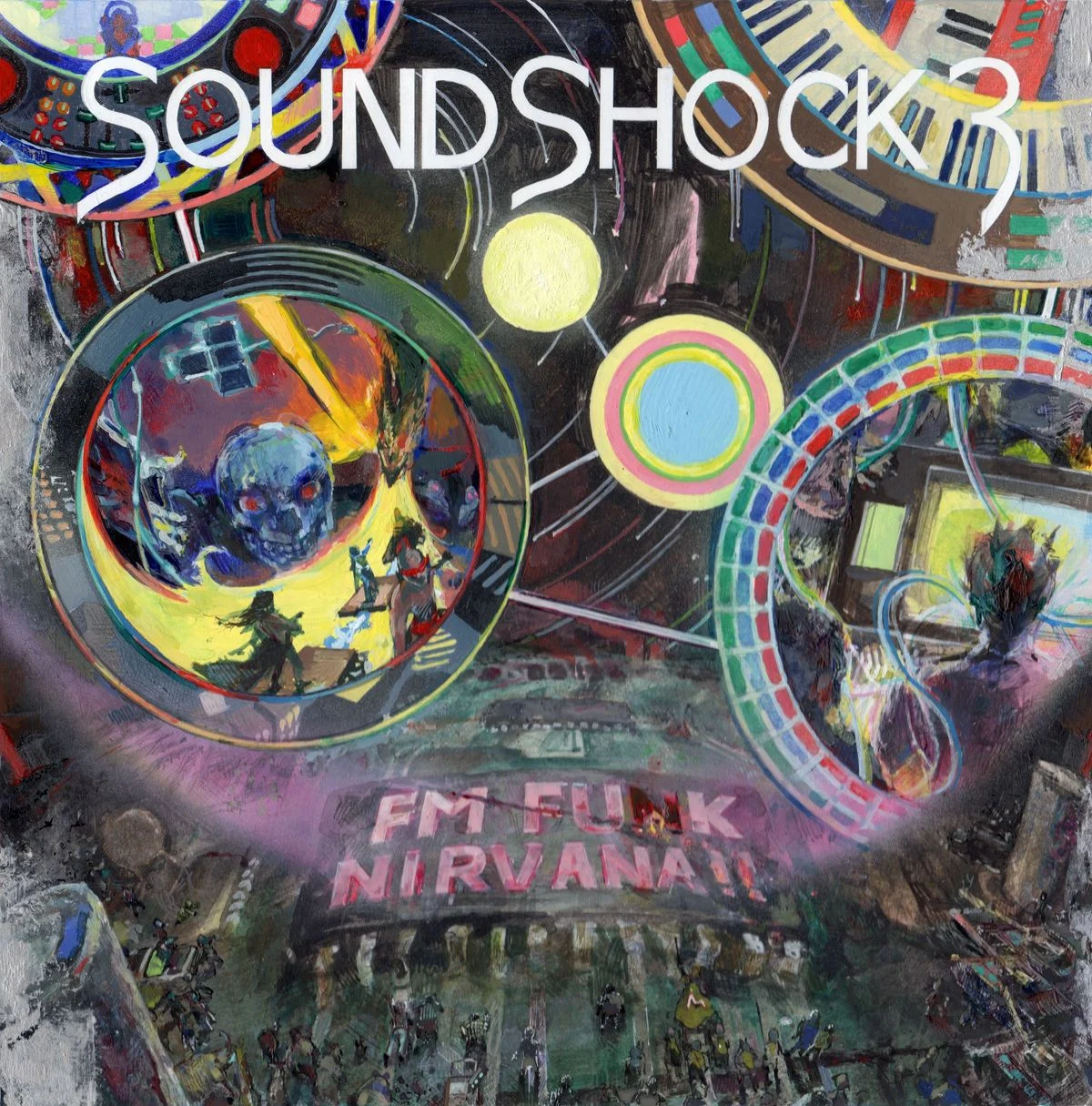
The SOUNDSHOCK compilation series represents a significant milestone in the preservation and modernization of frequency modulation (FM) synthesis, a digital sound synthesis technique that defined the auditory landscape of 1980s and 1990s video gaming. Originally conceived in 2010 through a collaboration between the creative producer known as zinger and the independent music label Ubiktune, the series has evolved from a niche conceptual project into a definitive anthology of contemporary FM music. The release of the third installment, titled SOUNDSHOCK 3: FM FUNK NIRVANA!!, marks the culmination of a multi-year effort to bridge the cultural and technical gap between Western demoscene aesthetics and the legendary Japanese computer music traditions of the late 20th century.
The Genesis of a Movement: From Solo Concept to Global Collaboration
The origins of the SOUNDSHOCK series can be traced back to a 2010 proposal by C-jeff, the founder of the Ubiktune label, who initially approached the artist zinger regarding the production of a solo album. However, the project shifted focus when zinger proposed a more ambitious endeavor: a compilation that would celebrate the specific timbres and rhythmic complexities of FM synthesis. This pivot was rooted in a lifelong fascination with the hardware limitations and unique sonic signatures of 16-bit consoles and Japanese microcomputers.
The creative direction of the series was heavily influenced by the Sega Mega Drive (known as the Genesis in North America), specifically the soundtracks of titles such as Golden Axe II and Sonic the Hedgehog. These games utilized the Yamaha YM2612 sound chip, a six-channel FM synthesizer that became synonymous with the "gritty" and "metallic" basslines of the era. For the organizers, the goal was not merely to replicate nostalgic sounds but to explore the "depths of those worlds" using modern production techniques while respecting the historical hardware that birthed the genre.
A Chronology of the SOUNDSHOCK Series
The development of the series followed a trajectory of increasing complexity and international scope. In 2010, the first volume established the proof of concept, demonstrating that there was a viable audience for high-fidelity FM synthesis compositions outside of traditional video game soundtracks. Following the success of the debut, the second volume expanded the roster of artists, drawing more heavily from the global demoscene—a computer art subculture focused on pushing the technical limits of hardware.
By the time development began on SOUNDSHOCK 3: FM FUNK NIRVANA!!, the project had transformed into a cross-continental cultural exchange. The timeline of the third volume’s production involved years of networking within the Japanese chiptune community, facilitated by key figures such as the historian and composer hally (Haruhisa Tanaka). This period of growth was marked by the acquisition of obscure Japanese hardware, including arcade cabinets and FM synthesizers from the NEC and Sharp computer lines, which provided the authentic textural foundation for the music.
Bridging the Cultural Divide: The Demoscene and Japanese VGM
One of the most significant achievements of the SOUNDSHOCK series is its successful integration of two historically distinct musical cultures: the Western tracker/demoscene and the Japanese Video Game Music (VGM) scene. Historically, these two groups operated in parallel with little direct interaction. The Western scene was largely defined by "trackers" (software used to sequence samples and synthesized sounds on hardware like the Commodore Amiga or Atari ST), while the Japanese scene centered on the sophisticated FM synthesis of the PC-8801 and PC-9801 computer architectures.
The organizers noted that early interactions between these communities were often hindered by language barriers. However, a shared vocabulary of "name-dropping composers and titles" allowed for the establishment of a common ground. The series eventually facilitated collaborations between legendary Japanese figures such as Keishi Yonao—known for his work on titles like Asuka 120% and various Sharp X68000 games—and Western artists like zabutom and Metal. This synthesis of styles created a new subgenre that combined the complex, jazz-fusion-influenced melodies of Japanese computer music with the aggressive, rhythm-heavy structures of the European demoscene.
Technical Foundation and the Role of FM Synthesis
FM synthesis, the core technological theme of SOUNDSHOCK, relies on the modulation of the frequency of one waveform (the carrier) by another (the modulator). This method, pioneered commercially by Yamaha, allowed for the creation of complex, harmonically rich sounds that were far more versatile than the simple square and pulse waves of earlier 8-bit systems.
The SOUNDSHOCK series specifically highlights the versatility of chips such as the YM2151 (used in many arcade boards and the Sharp X68000) and the YM2612. The "FM Funk" subtitle of the third volume refers to a specific aesthetic characterized by "slap" bass textures, bright brass stabs, and intricate percussion—sounds that were difficult to achieve with analog synthesis but flourished under the precision of digital FM operators. By bringing together artists who specialize in these specific chips, Ubiktune has created a curated showcase of digital synthesis that functions as both a historical retrospective and a forward-looking artistic statement.
Supporting Data: The Ubiktune Ecosystem
The success of SOUNDSHOCK is inextricably linked to the rise of Ubiktune as a premier label in the chiptune and progressive electronic music space. Founded by C-jeff, the label has distinguished itself through high production standards and a focus on "high-tech" chiptune—music that utilizes the constraints of old hardware but applies modern mixing and mastering techniques.
Data regarding the label’s output suggests a growing global interest in FM synthesis. Since 2010, the label has released dozens of albums that frequently top charts on platforms like Bandcamp within the "chiptune" and "video game music" tags. The SOUNDSHOCK series remains one of their most popular offerings, often serving as an entry point for listeners who are familiar with 16-bit gaming but unaware of the contemporary "FM revival" movement.
Statements and Perspectives from the Creative Team
While the project was spearheaded by zinger, its realization required a massive collective effort. In communications regarding the project, zinger expressed profound gratitude toward the contributing composers, noting that their work "far exceeded any expectations." The sentiment within the production team suggests that SOUNDSHOCK was viewed not just as a product, but as a "means of exploring, expanding and cultivating" a specific aesthetic realm.
C-jeff’s role as both a contributor and a label head was also highlighted as instrumental. His support allowed the project to maintain its uncompromising focus on niche FM sounds, which might have been deemed too specialized for more mainstream electronic music labels. Furthermore, the involvement of hally provided the necessary bridge to the Japanese community, ensuring that the series remained authentic to the roots of the genre while introducing it to a Western audience.
Broader Impact and Implications for Digital Music
The implications of the SOUNDSHOCK series extend beyond the immediate chiptune community. By documenting and revitalizing FM synthesis, the project contributes to the broader field of digital archaeology and media preservation. As the original hardware from the 1980s and 90s begins to fail due to age, the music created for the SOUNDSHOCK series ensures that the unique "voice" of these machines continues to evolve in a modern context.
Furthermore, the series has influenced a new generation of electronic musicians. The "FM Funk" aesthetic has seen a resurgence in mainstream synthwave and "future funk" genres, where the bright, metallic textures of the 1990s are increasingly used to evoke a specific retro-futuristic atmosphere. The collaboration between Japanese legends and Western newcomers has also set a precedent for international cooperation in independent music, proving that niche interests can foster robust, global communities.
Conclusion: The Legacy of FM Funk Nirvana
SOUNDSHOCK 3: FM FUNK NIRVANA!! stands as a testament to the enduring appeal of frequency modulation and the power of community-driven art projects. What began as a childhood obsession with Mega Drive cartridges has culminated in a professional series that unites some of the most talented digital composers in the world. As the series continues to influence the electronic music landscape, it reinforces the idea that the limitations of the past can serve as the primary catalysts for the innovations of the future. Through the combined efforts of zinger, C-jeff, hally, and a roster of international talent, the SOUNDSHOCK series has successfully transitioned from a tribute to a definitive chapter in the history of digital sound.