Retno Hari Mulyono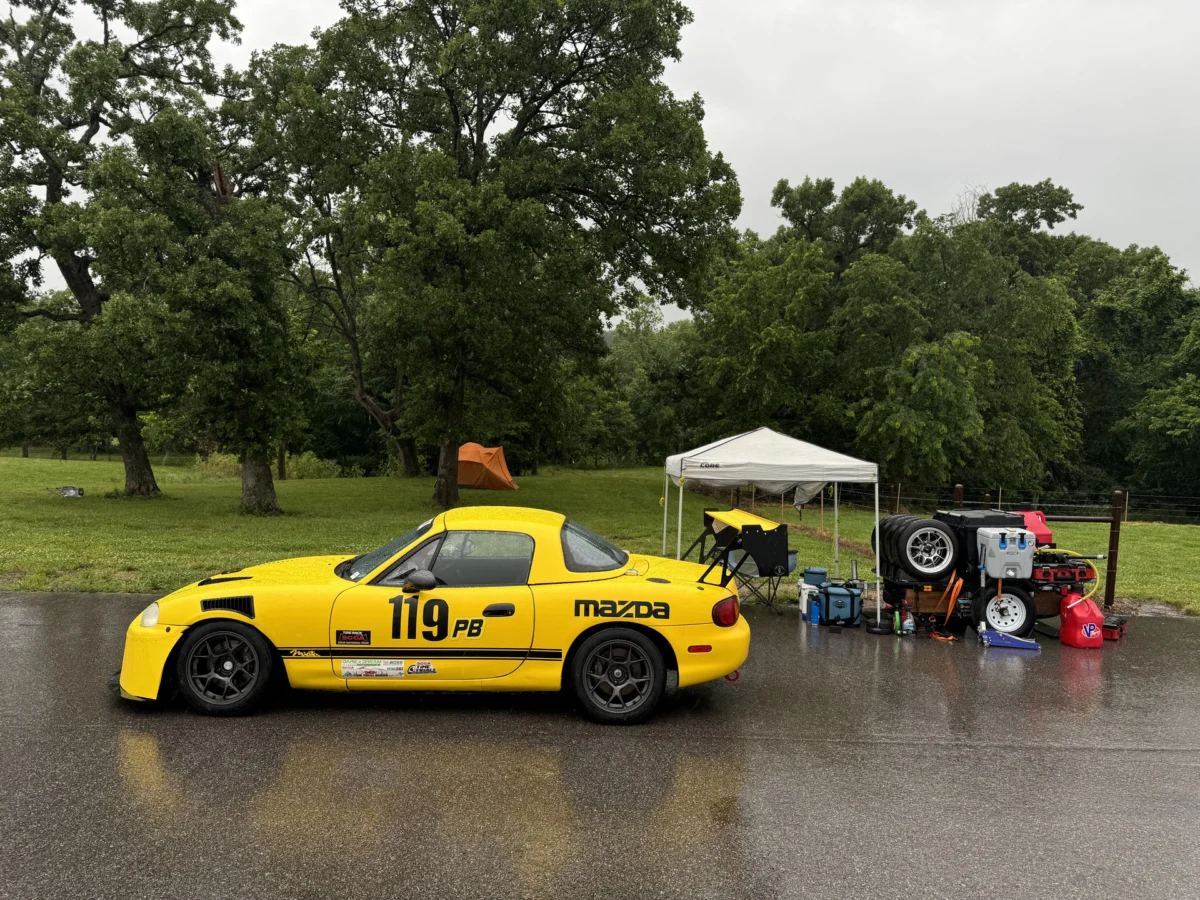
The evolution of amateur motorsports and High-Performance Driving Events (HPDE) has necessitated innovative logistical solutions for participants who operate small-displacement, compact sports cars. As enthusiasts transition from casual street driving to dedicated track sessions or autocross competitions, the limitations of standard street tires become a primary bottleneck for performance. This shift typically leads to the adoption of high-grip, 200-treadwear (200TW) tires or dedicated racing slicks. However, the specialized nature of these tires creates a significant logistical hurdle: they are often unsuitable for extended highway use due to rapid wear, heat cycle degradation, and safety risks in adverse weather conditions. For drivers of vehicles with limited cargo capacity, such as the Mazda Miata, the tire trailer has emerged as a vital engineering solution to bridge the gap between street drivability and track performance.
The Technical Conflict: High-Performance Rubber vs. Public Infrastructure
The primary motivation for utilizing a tire trailer stems from the inherent design of track-oriented tires. While many 200TW tires, such as the Hankook Ventus RS4 or the Bridgestone Potenza RE-71RS, are technically Department of Transportation (DOT) compliant and street-legal, their chemical composition is optimized for a narrow operating temperature window.
The performance of these tires is often measured in "heat cycles." Each time the tire is brought up to operating temperature on a track and subsequently cooled, the rubber undergoes a chemical change, eventually becoming harder and less "sticky" over time. Using these tires for mundane highway transit consumes these finite cycles and reduces the tire’s effective lifespan before it ever reaches the starting line. Furthermore, the shallow tread patterns and specialized compounds of track tires offer significantly reduced hydroplaning resistance. In heavy rain or cold temperatures—conditions where the rubber may drop below its glass transition temperature—these tires can lose grip entirely, posing a severe safety risk on public roads.
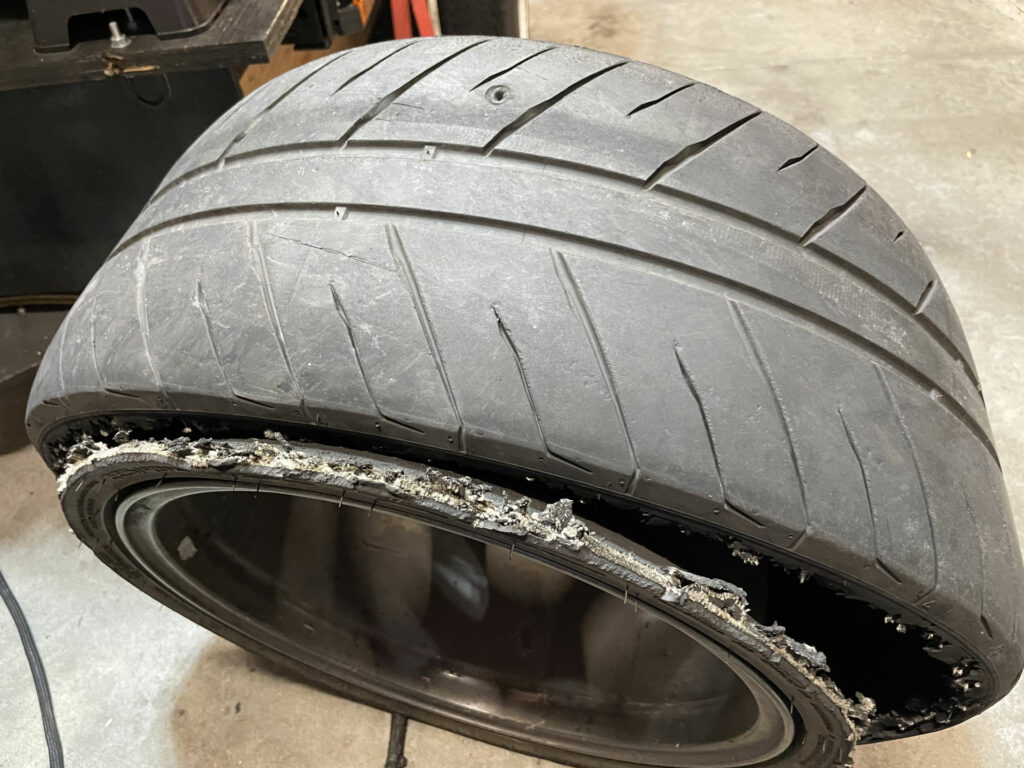
Economic factors also play a role. A set of high-performance tires can cost upwards of $800 to $1,500, with a lifespan often measured in hours of track time rather than thousands of miles. Subjecting such expensive components to the abrasive surface of interstate highways and the risk of road debris punctures is increasingly viewed by the racing community as an inefficient use of resources.
Design and Assembly: The Utility Trailer Framework
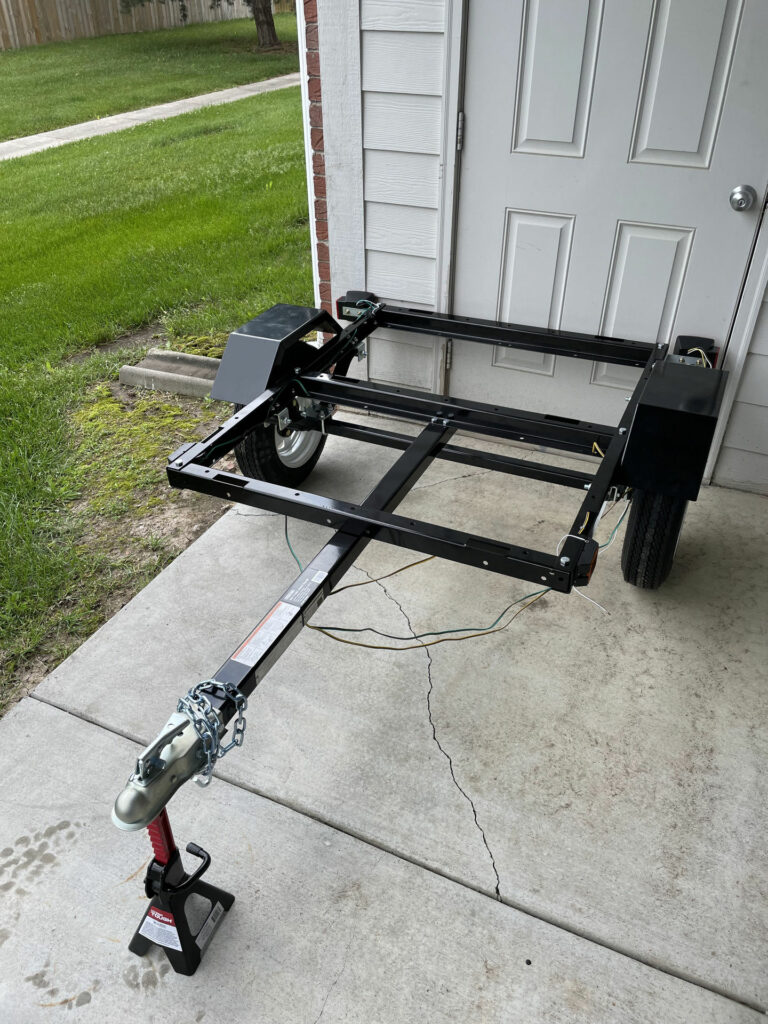
For owners of compact sports cars, the lack of interior volume precludes the traditional "four wheels in the back" approach used by drivers of larger sedans or hatchbacks. The solution involves the adaptation of small utility trailers, specifically those with a footprint of approximately 40"x48".
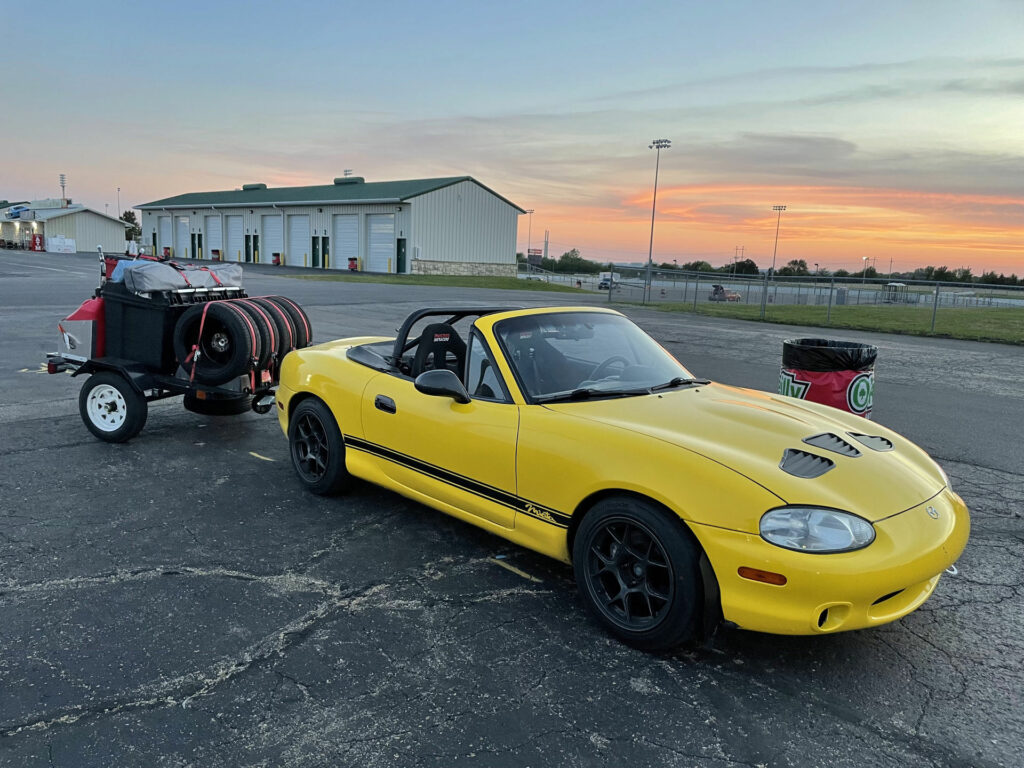
The most common entry point for this project is a kit-based steel frame, such as those manufactured by Northern Tool or Harbor Freight. These frames are typically delivered in a knocked-down state, requiring the owner to perform the final assembly, including the bolting of the chassis, the installation of the axle and leaf spring suspension, and the wiring of the lighting system. While these budget-friendly frames are the industry standard for DIY builds, premium alternatives exist. Companies like Leroy Engineering produce specialized "Paddock" trailers that feature independent suspensions, high-speed bearings, and larger wheels, though at a significantly higher price point than the $500 to $700 cost of a self-assembled utility kit.
Structural Configuration and Weight Distribution
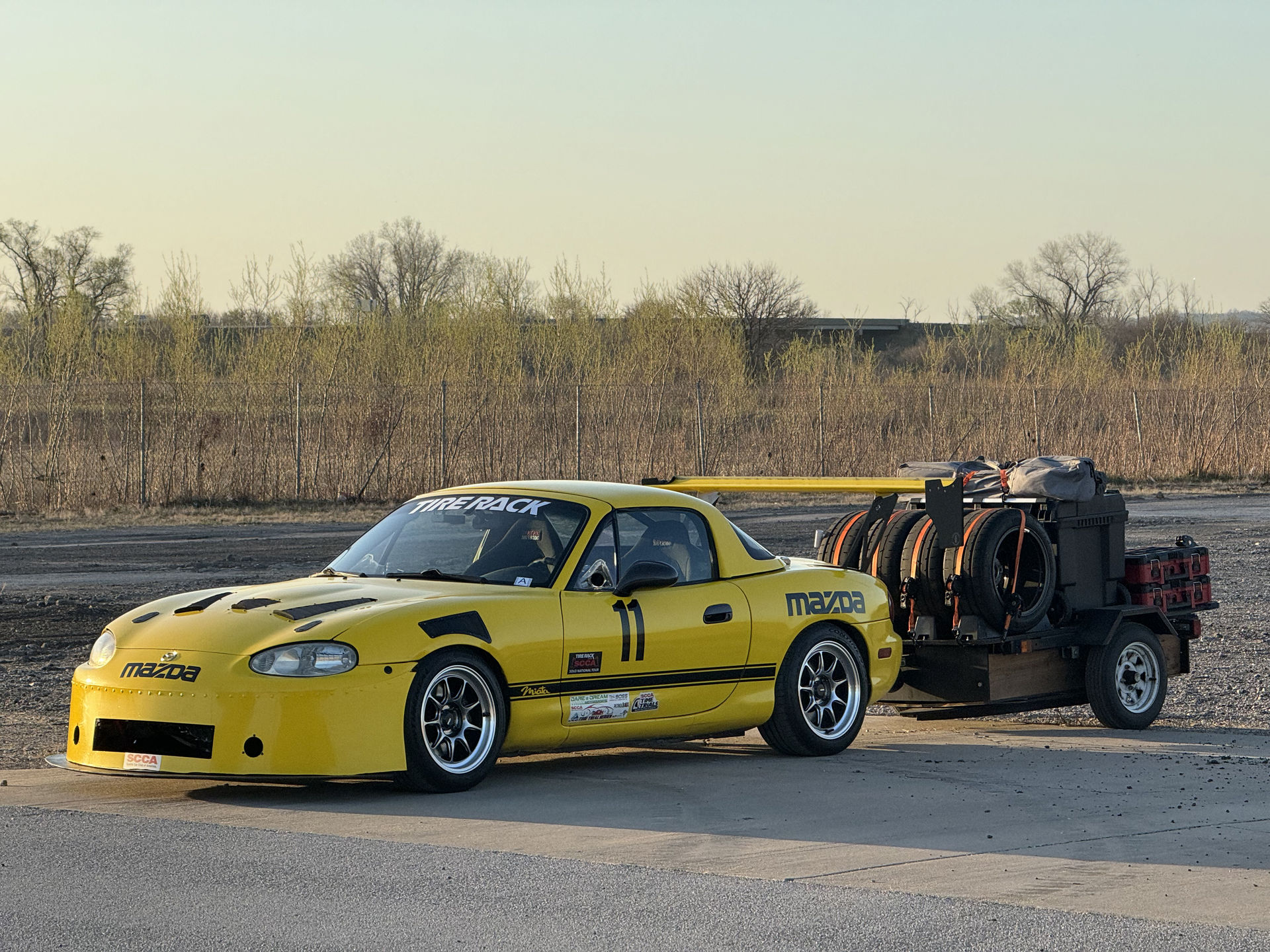
A successful tire trailer build requires careful consideration of the center of gravity and tongue weight. To ensure stable towing characteristics—particularly when being pulled by a lightweight vehicle like a Mazda Miata—the heaviest components must be positioned strategically.
Decking and Tool Management
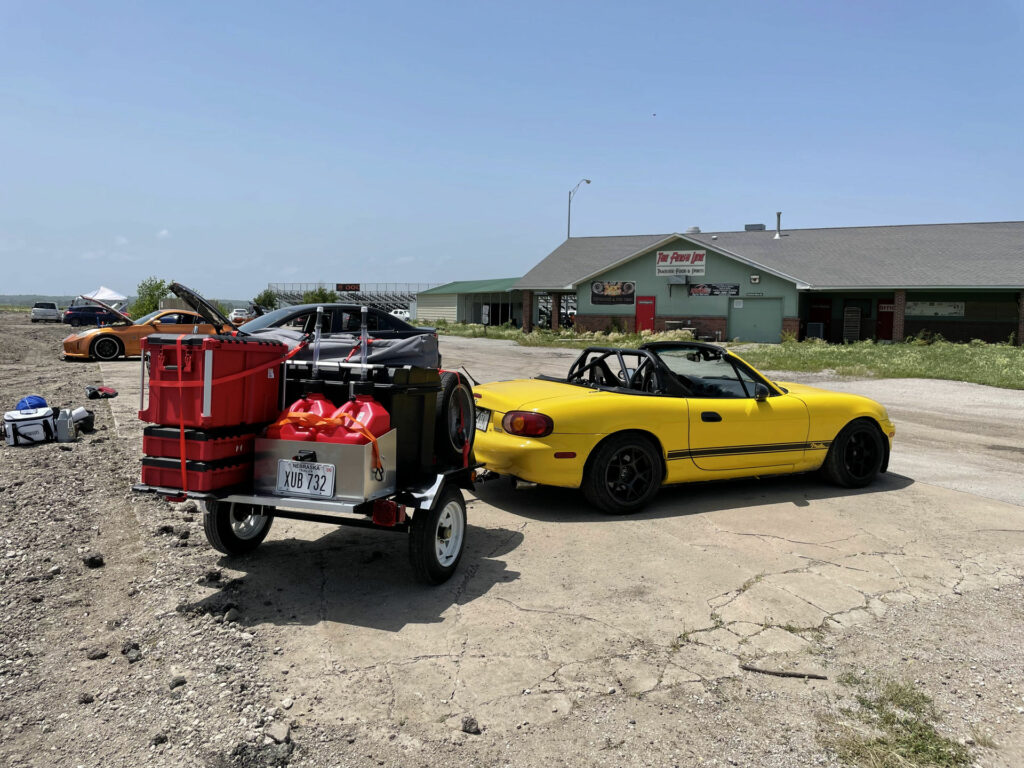
The foundation of a custom tire trailer is typically a 3/4-inch plywood deck. For a standard 40"x48" frame, an oversized deck (e.g., 62.25" x 40") can be utilized to provide additional surface area for gear. The use of recessed carriage bolts ensures a flush mounting surface, preventing damage to items stored on the deck.
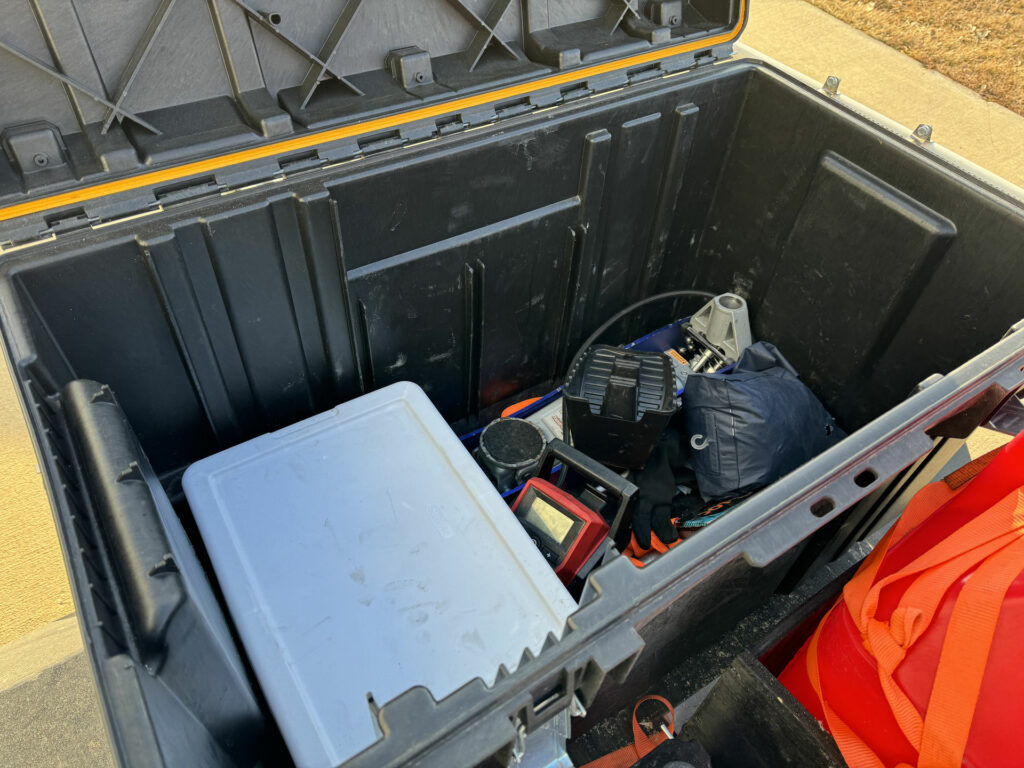
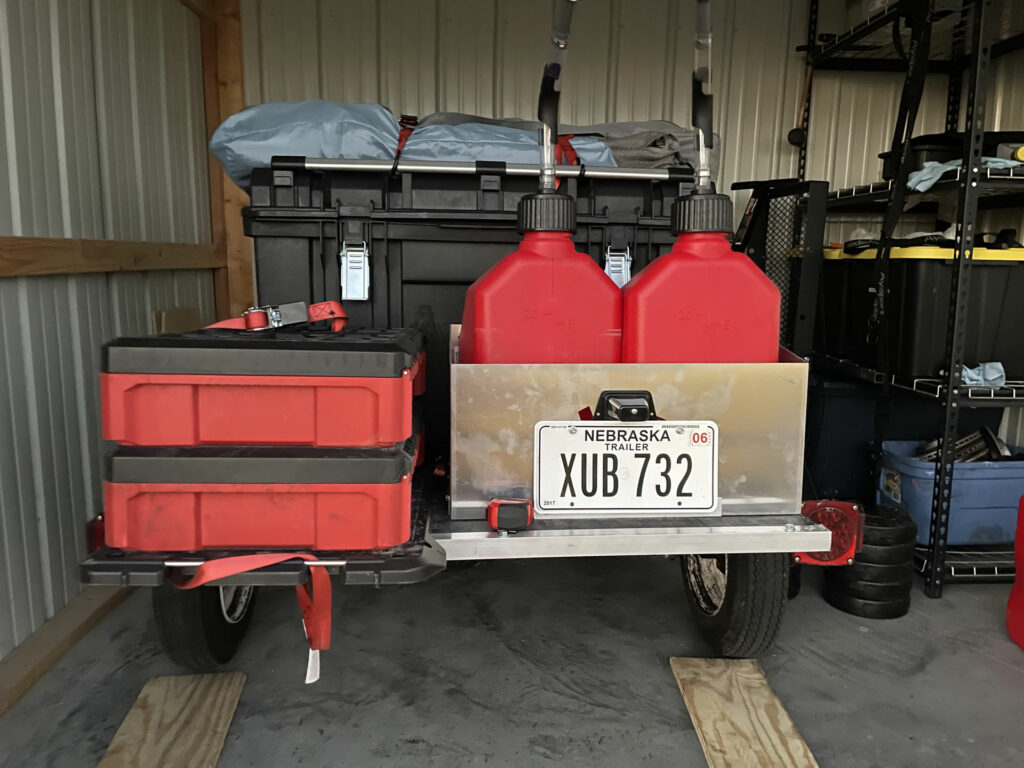
Central to the utility of the trailer is a weather-sealed toolbox. Models such as the DeWalt DWST38000 are frequently selected due to their integrated aluminum rails, which allow for the secondary strapping of items like folding canopies and chairs. This central storage unit typically houses essential track-side support equipment, including:
- Mechanical tools (wrenches, sockets, torque wrenches).
- Safety equipment (fire extinguishers, first aid kits).
- Maintenance fluids (engine oil, brake fluid).
- Spare parts (sensors, fuses, brake pads).
- Operational gear (air compressors, tire pressure gauges).
Tire Storage Engineering
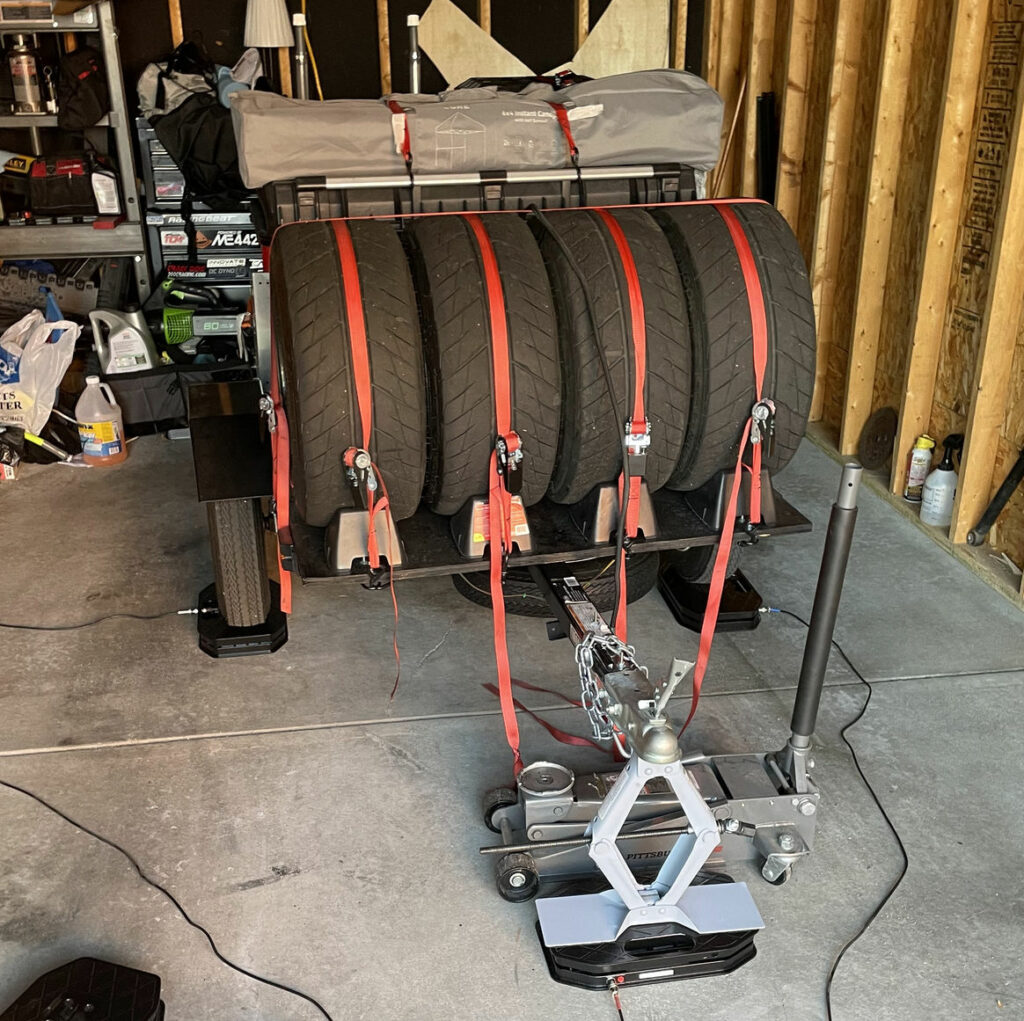
The primary cargo—the tire set—is most effectively mounted at the front of the trailer. This placement ensures that a significant portion of the weight is distributed toward the hitch, maintaining the necessary 10% to 15% tongue weight required for high-speed stability. Standard mounting solutions involve a vertical or horizontal PVC-sleeved threaded rod system, which allows the wheels to be stacked and secured with a combination of lock nuts and heavy-duty ratchet straps. This triple-redundant securing method is critical for preventing load shifts during aggressive braking or cornering.
Advanced Logistics: Fuel and Specialized Support
As drivers progress in their track capabilities, the need for specialized fuel management becomes apparent, especially for those running E85 ethanol blends or high-octane racing fuels that may not be available at rural track locations.
Initial builds often utilize standard 5-gallon VP Racing fuel jugs secured with dedicated mounts and ratchet straps. However, for multi-day events, enthusiasts have begun integrating larger systems, such as 15-gallon Flo-Fast containers. These larger reservoirs require reinforced mounting brackets and often utilize hand-crank pumps to facilitate the transfer of fuel into the vehicle.
Furthermore, the integration of modular tool systems, such as the Milwaukee Packout, has allowed for a highly organized "plug-and-play" approach. These systems enable drivers to quickly swap tool configurations based on the specific requirements of the event, whether it be a single-day autocross or a three-day endurance trial.
Evolutionary Upgrades: The Lower Deck and Radial Tires
Field testing often reveals areas for improvement in the basic tire trailer design. Two of the most significant upgrades identified by the community involve the addition of a "sub-deck" and the transition to radial tires.
The Lower Deck Configuration
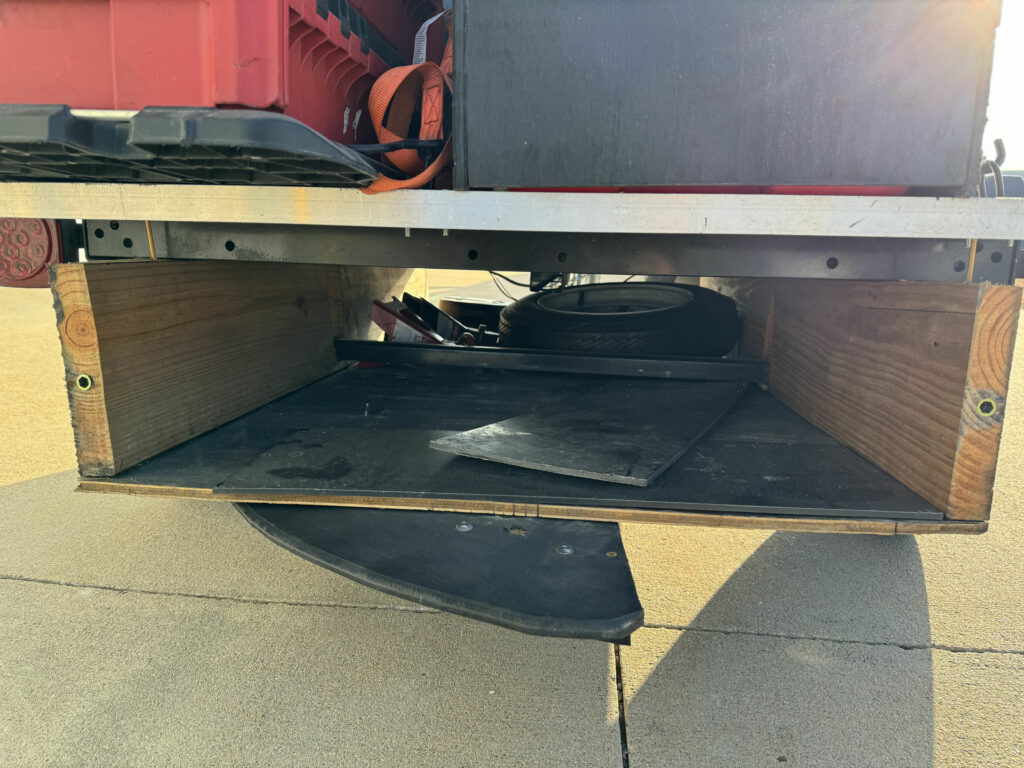
To maximize the vertical space provided by the trailer’s ground clearance, builders have successfully implemented lower storage decks situated beneath the main axle. Constructed from 1/2-inch plywood and supported by 2×10 structural members, this space is ideal for heavy, low-profile items such as jack stands, canopy weights, and spare trailer tires. This modification lowers the overall center of gravity and frees up the primary deck for more frequently accessed items. In some advanced configurations, this space is even used to transport spare aerodynamic components, such as front splitters, which are prone to damage during track excursions.
Transitioning to Radial Tires
Most budget trailer kits are supplied with 12-inch bias-ply tires. While functional, these tires are prone to overheating and rapid wear when subjected to sustained highway speeds of 70-75 mph. The move to 145R12 radial tires represents a significant safety and reliability upgrade. Radial tires offer better heat dissipation, a more stable contact patch, and a higher speed rating. Observations from the field indicate that radial tires result in lower hub and bearing temperatures, reducing the risk of catastrophic axle failure during long-distance transits.
Industry Implications and Economic Analysis
The rise of the tire trailer reflects a broader trend in the amateur racing community: the professionalization of the "grassroots" enthusiast. While the ultimate goal for many is a dedicated tow vehicle and a flatbed trailer, the current economic climate has made the "tow-with-what-you-have" philosophy increasingly attractive.
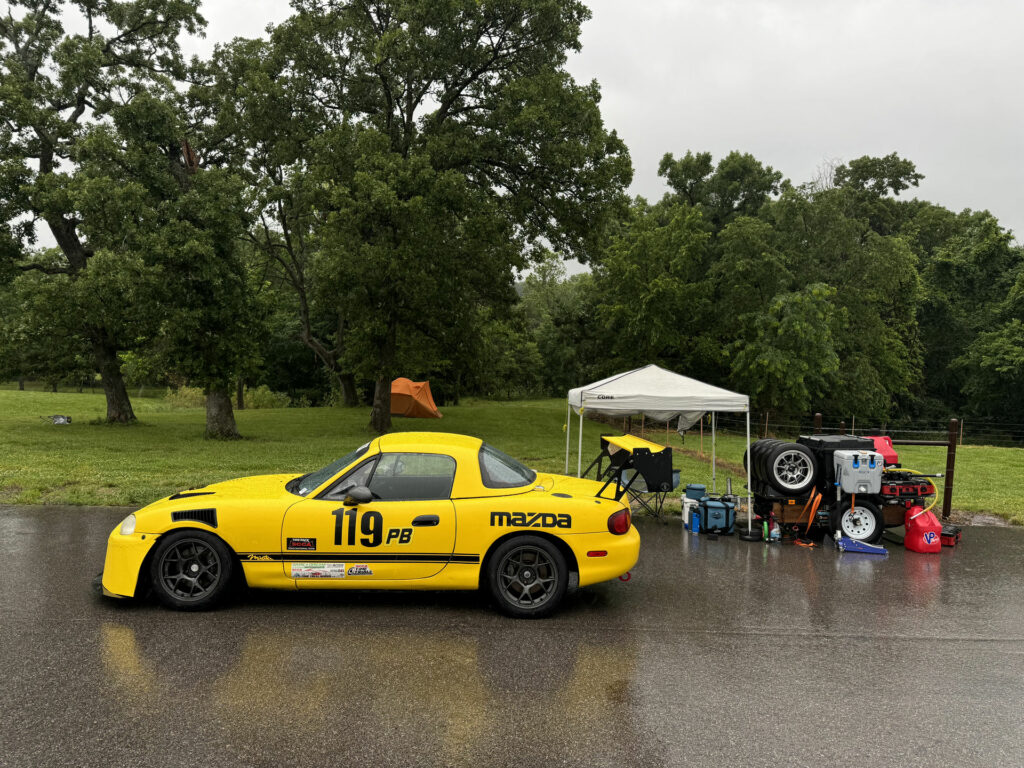
The cost-benefit analysis of a tire trailer is compelling. A dedicated truck and trailer setup can easily exceed $40,000 in capital costs, not including the increased insurance, maintenance, and fuel consumption associated with heavy-duty towing. In contrast, a fully outfitted tire trailer can be built for under $1,500. For a driver of a fuel-efficient sports car, the trailer allows for a 25-30 mpg transit to the track, compared to the 10-12 mpg typically seen with a full-size pickup towing a car hauler.
However, track organizations and safety experts remind participants that towing with a small vehicle requires heightened awareness. Mazda, for instance, does not officially provide a tow rating for the Miata in the North American market, though European counterparts are often rated for light loads. Enthusiasts must ensure that their hitch hardware is high-quality and that they remain well within the structural limits of the vehicle’s unibody.
Conclusion: The Future of Self-Supported Racing
The tire trailer represents a masterclass in compromise and engineering efficiency. It allows the owner of a small-platform vehicle to remain self-sufficient, carrying all necessary tools, tires, and fuel for a competitive weekend without the need for a secondary support vehicle. As tire technology continues to advance and the gap between street and track performance widens, the reliance on these compact logistical solutions is expected to grow.
For many, the tire trailer is more than a utility; it is a rite of passage that marks the transition from a casual observer to a dedicated participant in the world of motorsports. While the eventual move to a full truck and trailer may be inevitable for those who transition to dedicated wheel-to-wheel racing, the tire trailer remains the definitive solution for the HPDE enthusiast seeking to maximize their time on the track while maintaining the purity of the small-car experience.