Cecilia Chamidah Nur
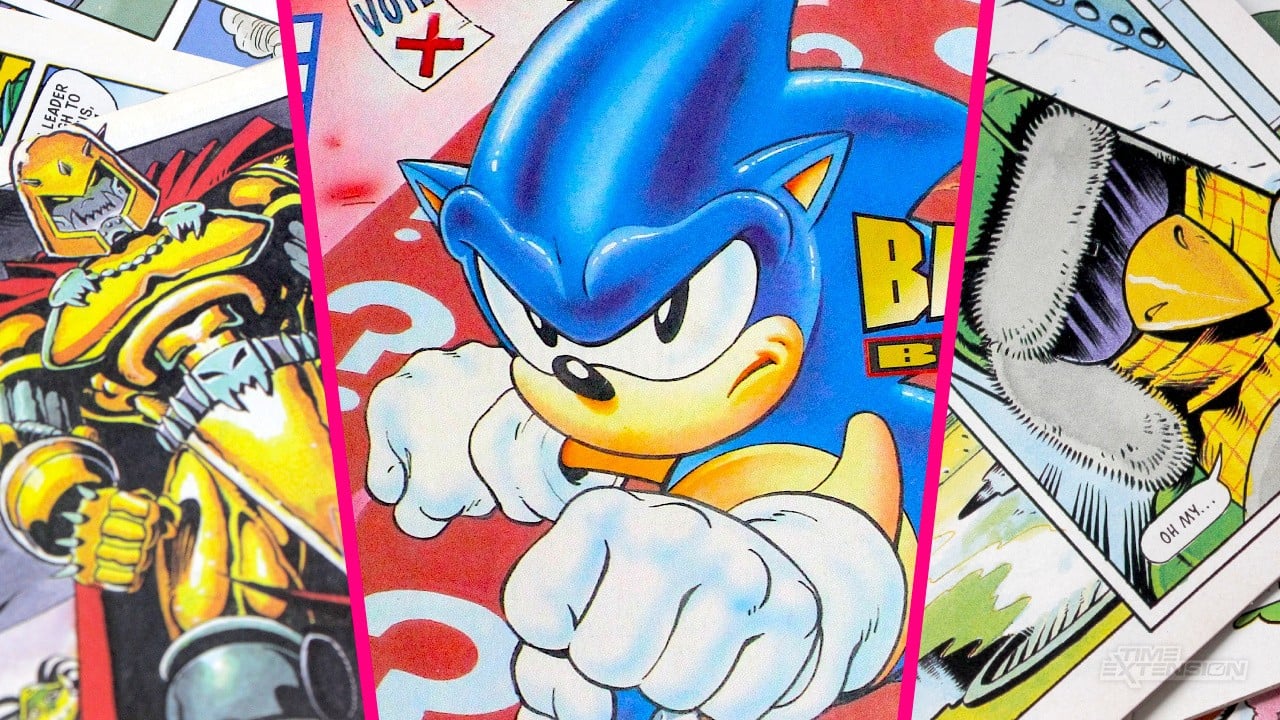
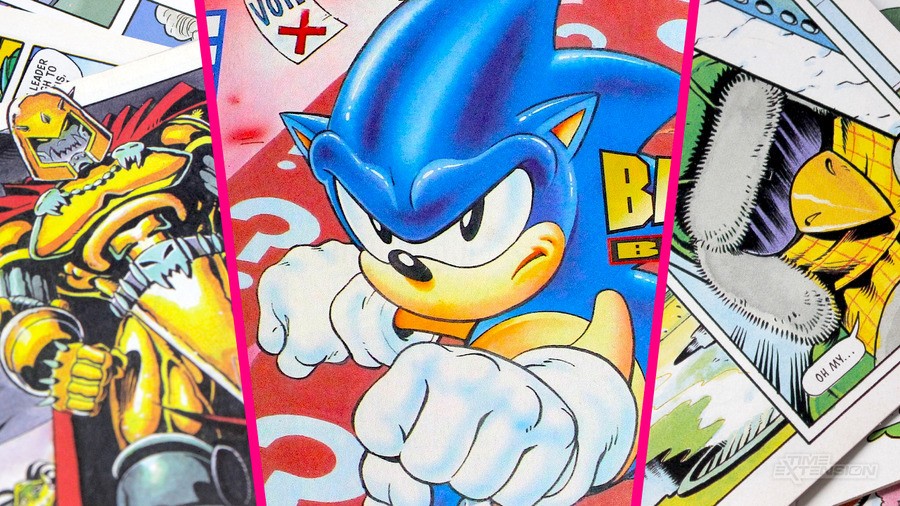
Fleetway Editions’ Sonic the Comic (STC) remains a landmark publication in the history of British periodical media, occupying a unique space in the 1990s comics landscape. Published between 1993 and 2002, the comic served as the official print companion to Sega’s flagship gaming franchise, evolving from a standard promotional tie-in into a sophisticated narrative universe. While the publication eventually ceased production following a decade of market shifts, recent retrospectives have highlighted the significant role played by key contributors, including veteran writer Lew Stringer, whose work during the mid-1990s helped define the tone and character dynamics of the series.
A Historical Overview of the Sonic the Comic Era
The launch of Sonic the Comic in 1993 occurred at the peak of the "console wars" between Sega and Nintendo. Fleetway, an imprint of IPC Magazines, was tasked by Sega to translate the high-speed energy of the Mega Drive mascot into a serialized format. Under the editorial guidance of Richard Burton, the publication sought to capture a demographic of primary-aged readers while maintaining enough narrative depth to retain a loyal following.
The comic’s chronology can be broadly divided into distinct creative phases. The initial period focused on establishing the core conflict between Sonic and Dr. Robotnik. By the mid-1990s, the publication entered its most acclaimed era, marked by the work of writer Nigel Kitching and illustrator Richard Elson. Following Kitching’s departure after issue 157, the editorial direction shifted, with Lew Stringer assuming the role of primary writer from issue 158 through 174. This transition period is now recognized for its focus on character expansion and the introduction of nuanced, semi-autonomous story arcs.
The Professional Evolution of Lew Stringer
Lew Stringer’s entry into the professional comics industry dates back to the late 1970s, establishing a career defined by versatility and a command of both satirical and traditional adventure tropes. His early work on self-published fanzines—most notably the Batman-inspired parody Brickman—caught the attention of industry peers, including Alan Moore. This recognition facilitated a transition into the mainstream, with Stringer securing a freelance position at Marvel UK in 1983.
At Marvel UK, Stringer contributed to high-profile titles such as The Daredevils and The Transformers, where he developed a reputation for blending humor with narrative substance. His subsequent work on Fleetway’s Oink! demonstrated an ability to navigate the anarchic, often transgressive tone common in late 20th-century British children’s comics. By the time Stringer began his tenure on Sonic the Comic, his portfolio already included extensive experience in character design and gag-based storytelling, skills he would leverage to diversify the Sonic narrative.
Narrative Contributions and Character Development
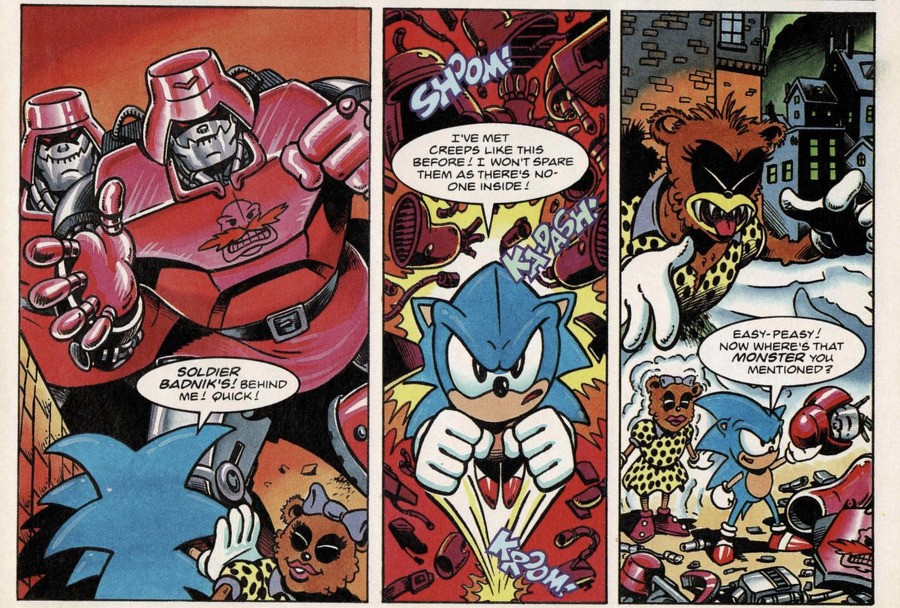
Stringer’s impact on the Sonic canon is best represented by his creation of original characters and complex antagonist arcs. His debut contribution, the "Metamorphia" story in issue 30, introduced a shape-shifting antagonist who would become a recurring threat. Perhaps his most significant narrative achievement was the "Project Brutus" arc (issues 63-65), which introduced a high-functioning super-soldier designed to replace Dr. Robotnik.
From a creative standpoint, Stringer’s approach was rooted in the philosophy that juvenile audiences possess an inherent capacity for narrative complexity. During his tenure, he expanded the roles of secondary characters, specifically through the "Amy’s Adventures" segment. By pairing the character Amy Rose with Tekno the Canary, Stringer moved these figures beyond their traditional roles as supporting cast members, granting them independent agency. This shift provided a necessary counterbalance to the primary Sonic strips, offering readers a broader perspective of the comic’s internal world.
Editorial Strategy and the Mechanics of Production
The production of Sonic the Comic required a close working relationship between the editorial team and Sega. Stringer has noted that the process was highly structured; writers were provided with official style guides and, in many cases, hardware to familiarize themselves with the source material.
When asked about the editorial intent behind bringing in different writing styles, Stringer clarified that the goal was to achieve a tonal equilibrium. While Kitching’s work provided the foundation for the series’ overarching drama, Stringer was brought in to inject a distinct comedic sensibility. This collaborative dynamic allowed the comic to fluctuate between high-stakes action and lighthearted vignettes, a variety that proved essential for sustaining weekly interest over nine years.
Analysis of Audience Engagement and Comic Literacy
A retrospective analysis of Stringer’s work reveals a recurring interest in socio-political themes presented through allegory. Stories such as "Vote for Me" and "The Big Con" utilized the Sonic universe to explore concepts of crowd psychology, political corruption, and public discourse. Stringer maintains that this approach was never intended to "dumb down" the content for a younger audience. Instead, it drew inspiration from the mid-20th-century tradition of British comics like TV21 and Wham!, which treated readers as intelligent observers of the world.
This creative decision has had a lasting impact on the audience’s memory of the series. By avoiding reductive storytelling, the editorial team fostered a sense of intellectual investment among readers. This phenomenon—where creators trust their audience to grasp complex themes—is often cited by modern cultural critics as a primary reason for the enduring "cult" status of the Fleetway series.

The Decline of the Print Medium and Legacy
The eventual conclusion of Sonic the Comic in 2002 was not the result of a sudden loss of interest, but rather a reflection of the broader economic decline of the UK weekly comic market. As publishers faced rising production costs and shifts in media consumption, many titles—including Buster and eventually Sonic—were transitioned into hybrid formats featuring a high percentage of reprinted content.
Stringer and other industry observers have categorized this "reprint strategy" as a short-term fiscal measure that ultimately accelerated the loss of readership. By reducing the volume of original creative content, publishers effectively devalued the brand, leading to a decline in subscription rates and shelf presence.
Despite the commercial realities of its final years, the legacy of Sonic the Comic remains robust. In the decades following its cancellation, the series has benefited from digital preservation projects and a dedicated fan community that continues to analyze and archive its history. For contributors like Stringer, the realization that his work continues to resonate with readers years later serves as a testament to the quality of the collaborative effort involved.
Broader Implications for the Comics Industry
The story of Sonic the Comic provides a case study in how licensed properties can be elevated through creative autonomy. By allowing writers to experiment with character development, political allegory, and tonal variety, Fleetway transformed a commercial mandate into a piece of media that defined a generation of British youth.
The professional transition of figures like Lew Stringer from independent fanzines to established publishing houses highlights the importance of institutional support for creative talent. The success of the STC project underscores a fundamental principle in children’s media: when creators treat their audience with respect, the longevity and cultural footprint of the resulting work are significantly enhanced. Today, the comic stands not merely as a marketing tool for Sega, but as a significant, well-regarded chapter in the history of the British comic book industry.