Ganda Hendra Perkasa
The digital preservation of video game history has taken a significant leap forward this week with the announcement of substantial updates to two pivotal collections within the digital library: the Mark Flitman papers and the Andrew Nelson papers. These enhancements are not merely additions of new, disparate items but rather crucial expansions and quality improvements to existing, meticulously curated archives. The organization behind this initiative, dedicated to safeguarding the artifacts of interactive entertainment, has received a fresh influx of materials from both Flitman and Nelson, comprising previously uncatalogued items and essential rescans conducted at higher resolutions to ensure maximum fidelity for researchers and enthusiasts alike.
Genesis of the Updates: A Continuing Commitment to Archival Integrity
The digital library’s mission is to continuously enrich its holdings, but the opportunity to deepen existing collections represents a particularly valuable form of growth. This philosophy acknowledges that the most impactful archives are not static repositories but dynamic entities that evolve with new discoveries and improved preservation techniques. The recent updates stem from the proactive engagement of Mark Flitman and Andrew Nelson, who have provided additional materials that were either overlooked during initial cataloging or have surfaced through subsequent organizational efforts. This collaborative approach underscores the importance of donor participation in building a comprehensive and accurate historical record.
The digital library, which has been steadily accumulating a vast array of development assets, recognizes that the journey of game creation is often a complex and iterative process. Materials that might seem peripheral at first glance can later reveal critical insights into design choices, technical challenges, and artistic evolution. The inclusion of these newly acquired documents and the enhancement of existing digital assets are testament to this understanding, promising to offer a more granular and nuanced perspective on the projects they represent.
Deep Dive into the Mark Flitman Papers: Expanding Creative Frontiers
The Mark Flitman papers have been significantly augmented with new materials that shed further light on his substantial contributions to various game development projects. While the original announcement provided a general overview, a closer examination of the nature of these additions reveals their potential to illuminate specific stages of creative and technical development.
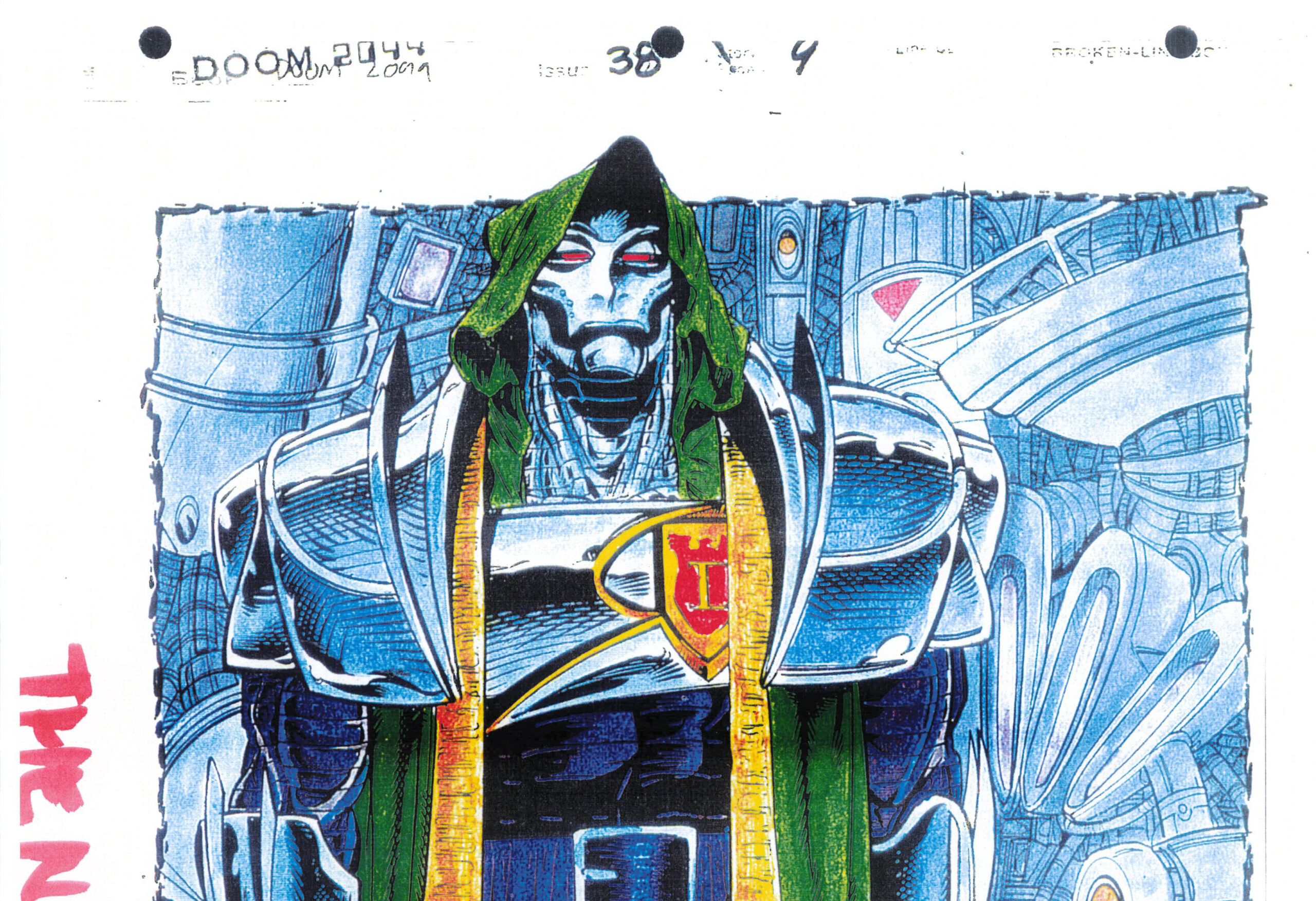
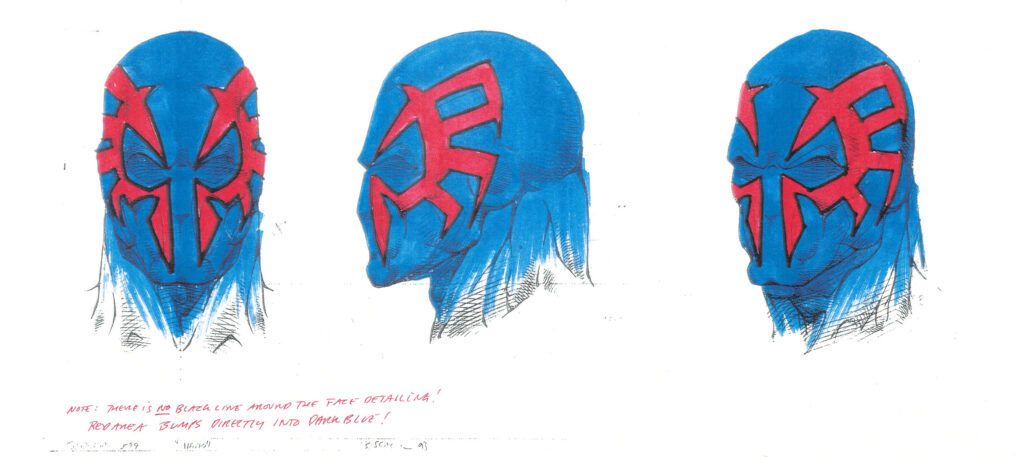
One notable aspect of the new acquisitions from Mark Flitman pertains to his work on projects that pushed the boundaries of visual design and character conceptualization. The inclusion of more detailed turnaround reference art, such as the previously highlighted example of Miguel O’Hara from Marvel 2099, offers an invaluable resource for understanding character design pipelines. These detailed illustrations serve as blueprints for animators and modelers, providing consistent visual information from multiple angles. The availability of such specific assets allows for a deeper appreciation of the meticulous planning involved in bringing a character from concept to interactive reality.
Further enriching the Flitman collection are materials that delve into the intricacies of visual asset creation. The addition of new assets, including, but not limited to, detailed texture maps, UI element designs, and concept sketches for environmental elements, provides a more comprehensive view of the visual language of the games he worked on. These elements, often taken for granted by players, are foundational to the immersive experience of a video game. The newly digitized assets allow for a granular analysis of how visual styles were conceived, iterated upon, and ultimately implemented, offering insights into the collaborative efforts between artists, designers, and programmers.
The library’s commitment to high-fidelity digitization is particularly evident in the rescanned materials. This process involves capturing original documents and assets at resolutions that exceed previous standards, ensuring that fine details, subtle color variations, and intricate linework are preserved with exceptional clarity. For researchers studying artistic techniques or the evolution of graphic design within the industry, these higher-resolution scans are invaluable. They enable close examination of brushstrokes, pixel-level details, and the underlying structure of digital art, providing a level of scrutiny previously unattainable.
Andrew Nelson Papers: Unveiling the Architecture of Game Design
The Andrew Nelson papers have also seen a substantial expansion, with a particular emphasis on design documents that offer a unique window into the architectural underpinnings of game development. The newly received materials are described as a “whole bunch of new design documents,” suggesting a broad scope of information that covers various aspects of game conception and implementation.
Among the highlighted additions are elements that reveal the narrative and structural planning of games. For instance, storyboard excerpts, such as the example titled "Letter Sequence w/ Flashback," which depicts a lost treasure superimposed with a handwritten letter graphic, illustrate the visual storytelling techniques employed. These storyboards are not merely sequential images but are often accompanied by annotations and notes that detail camera angles, character actions, and thematic intentions. Their inclusion allows for an understanding of how narrative arcs were visualized and translated into playable sequences, offering insights into the collaborative process between narrative designers, writers, and visual artists.
Beyond narrative elements, the new design documents from Andrew Nelson likely encompass a wider range of planning materials. This could include detailed level design breakdowns, character progression charts, system design specifications, and early iterations of game mechanics. These documents are crucial for understanding the systemic complexity of game development. They reveal the intricate web of rules, interactions, and player feedback loops that define a game’s playability and emergent properties. The availability of such detailed specifications provides a valuable resource for academics studying game design theory, as well as for aspiring developers seeking to understand the foundational principles of their craft.
The process of receiving and integrating these materials involves meticulous cataloging and metadata creation. Each document is assessed for its content, context, and significance, and then assigned descriptive tags and keywords. This ensures that future researchers can efficiently locate and access the information they need. The digital library’s rigorous approach to organization transforms raw data into accessible historical knowledge, making these newly acquired design documents invaluable for a wide range of scholarly and creative pursuits.
The Impact of Enhanced Digital Archives: A Boon for Research and Preservation
The ongoing expansion and refinement of digital archives like those of Mark Flitman and Andrew Nelson have profound implications for the field of game history and preservation. These collections serve as primary source materials for a diverse range of individuals and institutions.
For academics, these newly accessible documents provide rich data for research into game design methodologies, the evolution of artistic styles, the business practices of the industry, and the socio-cultural impact of video games. The ability to analyze original concept art, design documents, and production notes offers an unparalleled level of insight that cannot be replicated through secondary sources alone. This can lead to new scholarly articles, books, and educational curricula that deepen our understanding of this influential medium.
For game developers, both aspiring and established, these archives are invaluable learning tools. They offer case studies in problem-solving, creative innovation, and the practical application of design principles. By examining the work of pioneers like Flitman and Nelson, current developers can gain inspiration, learn from past successes and challenges, and contribute to the ongoing advancement of game design.
For the general public and enthusiasts, these collections democratize access to the history of video games. They allow for a more intimate connection with the creative process, fostering a greater appreciation for the artistry, technical ingenuity, and collaborative efforts that go into making the games they love. The higher-fidelity scans, in particular, ensure that the visual and aesthetic qualities of these historical artifacts are preserved and experienced in their intended form.
A Look Ahead: The Future of Digital Game History
The success of initiatives like the enrichment of the Mark Flitman and Andrew Nelson papers highlights the critical importance of ongoing support for digital preservation efforts. The digital library’s reliance on donor support, as stated in their announcement, underscores the collaborative nature of this endeavor. Without the generosity and foresight of individuals who have contributed to the creation of video games, the preservation of this cultural heritage would be significantly hampered.
The continued growth of these collections suggests a promising future for the study and appreciation of video game history. As more materials are digitized, cataloged, and made accessible, the narrative of video game development will become increasingly detailed and nuanced. The organization’s commitment to not only acquiring new content but also to enhancing the quality and depth of existing archives sets a high standard for the field. This dedication ensures that the legacy of video game creation will be preserved for generations to come, offering a rich and ever-expanding resource for understanding one of the most significant cultural and technological forces of our time. The ongoing commitment to these collections is not just about preserving old files; it is about safeguarding the very fabric of interactive entertainment’s past, present, and future.