Vera Clarissa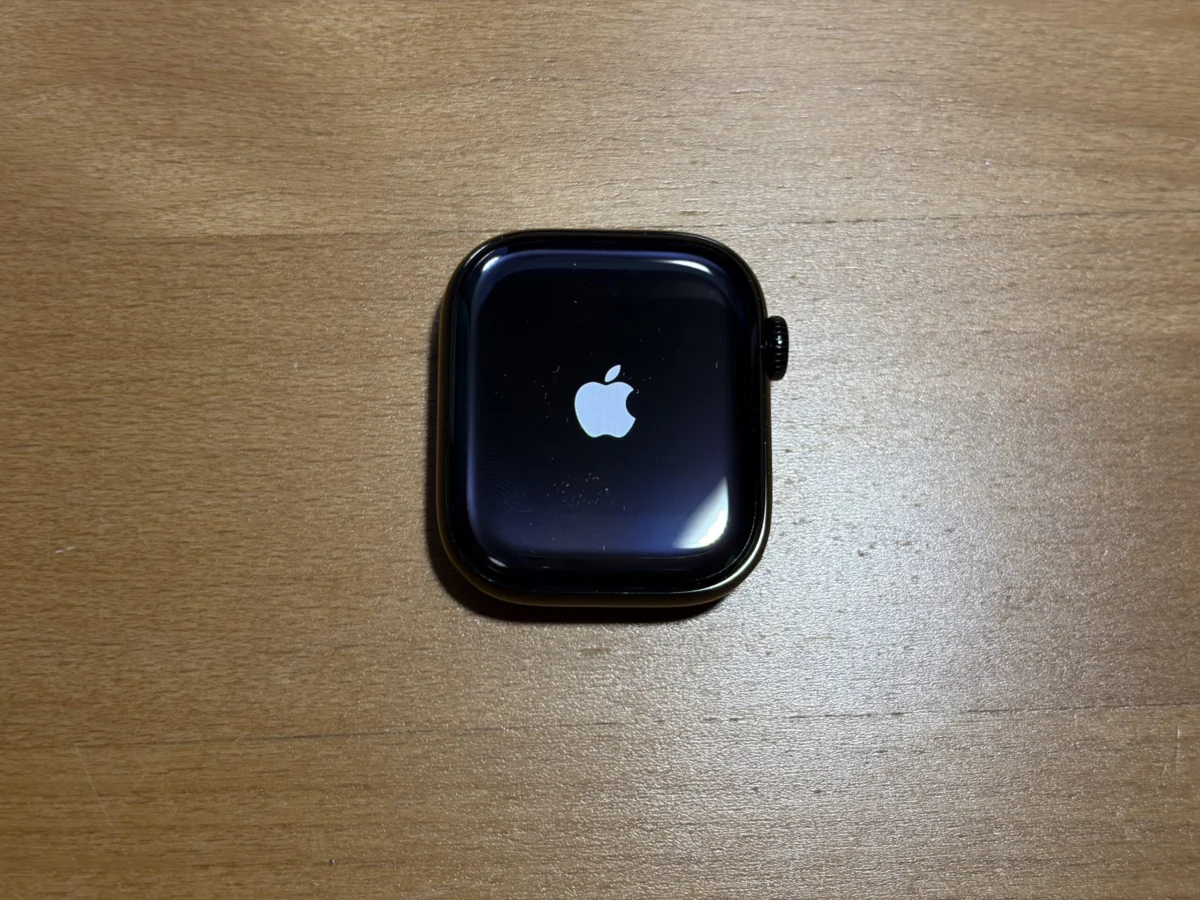
The personal technology landscape is a constant ebb and flow of innovation, with devices evolving at a rapid pace. For many, the Apple Watch has become an indispensable accessory, bridging the gap between a smartphone and wearable technology. A recent development involving a carrier-exclusive offer from T-Mobile for the new Apple Watch Series 11 has prompted an upgrade for a user who had been relying on an aging Apple Watch Series 3 since 2017. This upgrade marks a significant technological leap, moving from a device showing clear signs of obsolescence to the latest iteration of Apple’s popular smartwatch.
A Tale of Two Watches: From Series 3 to Series 11
The journey to the Apple Watch Series 11 began with the user’s experience with their Apple Watch Series 3, purchased in 2017. This device, which accompanied them through multiple iPhone upgrades, had begun to exhibit the tell-tale signs of aging. By 2023, the battery life was notably diminished, performance was hampered by stuttery animations, and its utility had largely devolved to basic functions like timekeeping and receiving notifications. Despite this limited engagement, the user had worn the device for approximately six years, underscoring a long-standing relationship with the Apple Watch ecosystem.
This experience contrasts with the user’s initial expectations for smartwatch technology. As a self-proclaimed technology enthusiast, they had envisioned a future where smartwatches played a more integrated and dynamic role in daily life, particularly during the mid-2010s when the category was generating significant hype. However, current perceptions have shifted, with the modern smartwatch increasingly viewed as a sophisticated companion device to the primary smartphone.

The impetus for an upgrade was further solidified by a recent acquisition of a 38mm Series 2 Apple Watch in Space Gray in mid-January. This device, obtained with the intention of serving as a temporary replacement, also presented its own set of challenges, notably a dying battery and a slightly damaged display incurred during a battery replacement attempt. While functional, the experience with the Series 2, coupled with observing a partner’s acquisition of a Series 8 (41mm in Starlight), ignited a desire for a more contemporary model. The decision to upgrade was contingent on a favorable price point, which materialized with a T-Mobile carrier offer for the new Series 11.
Unboxing the Latest Generation: A First Look at the Series 11
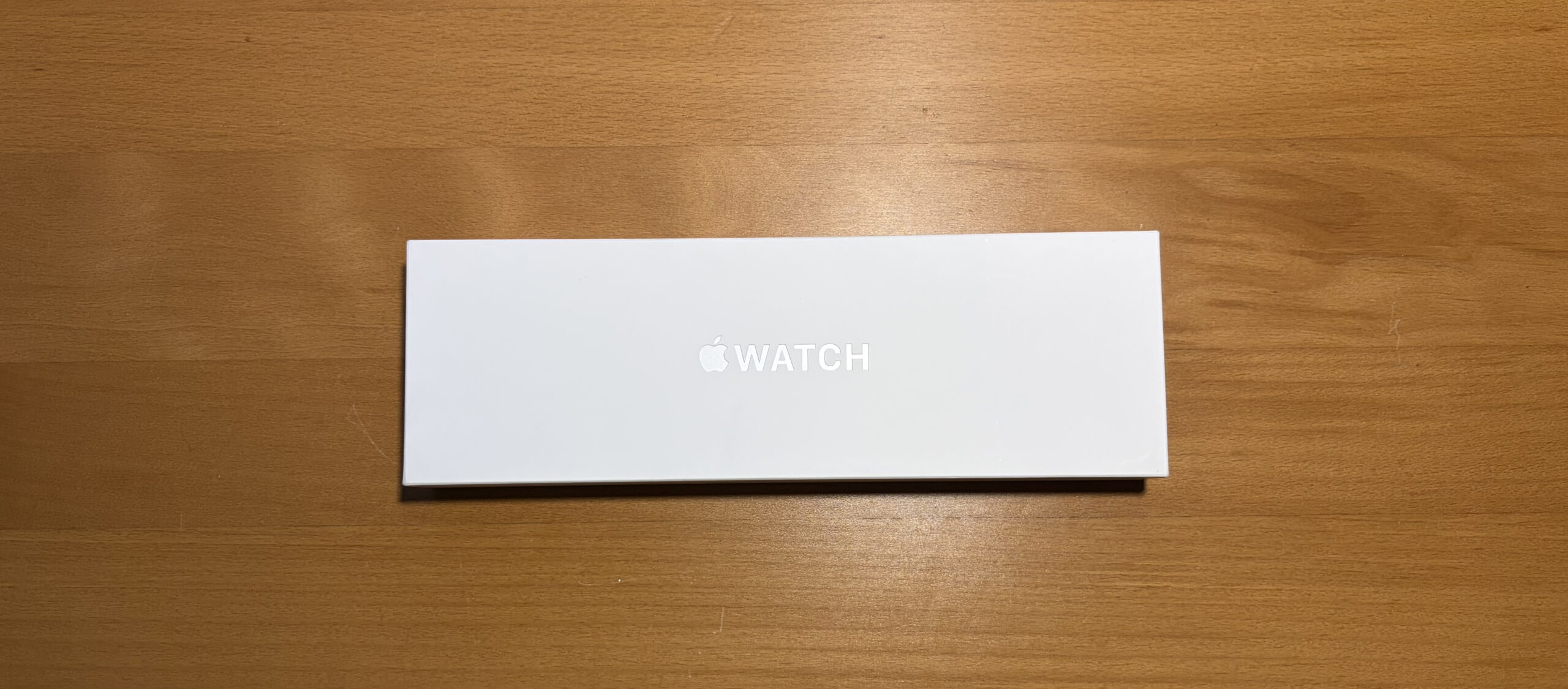
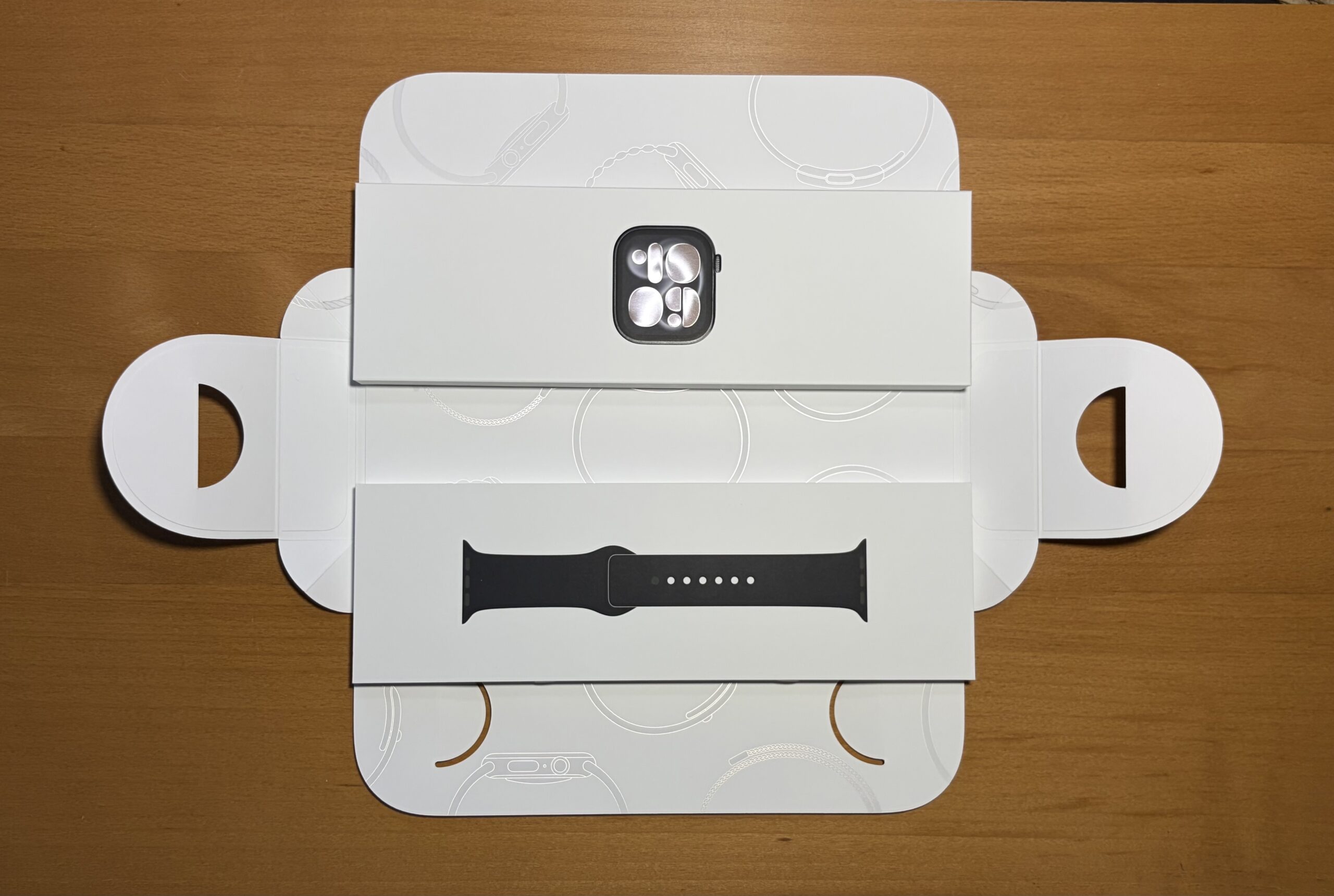
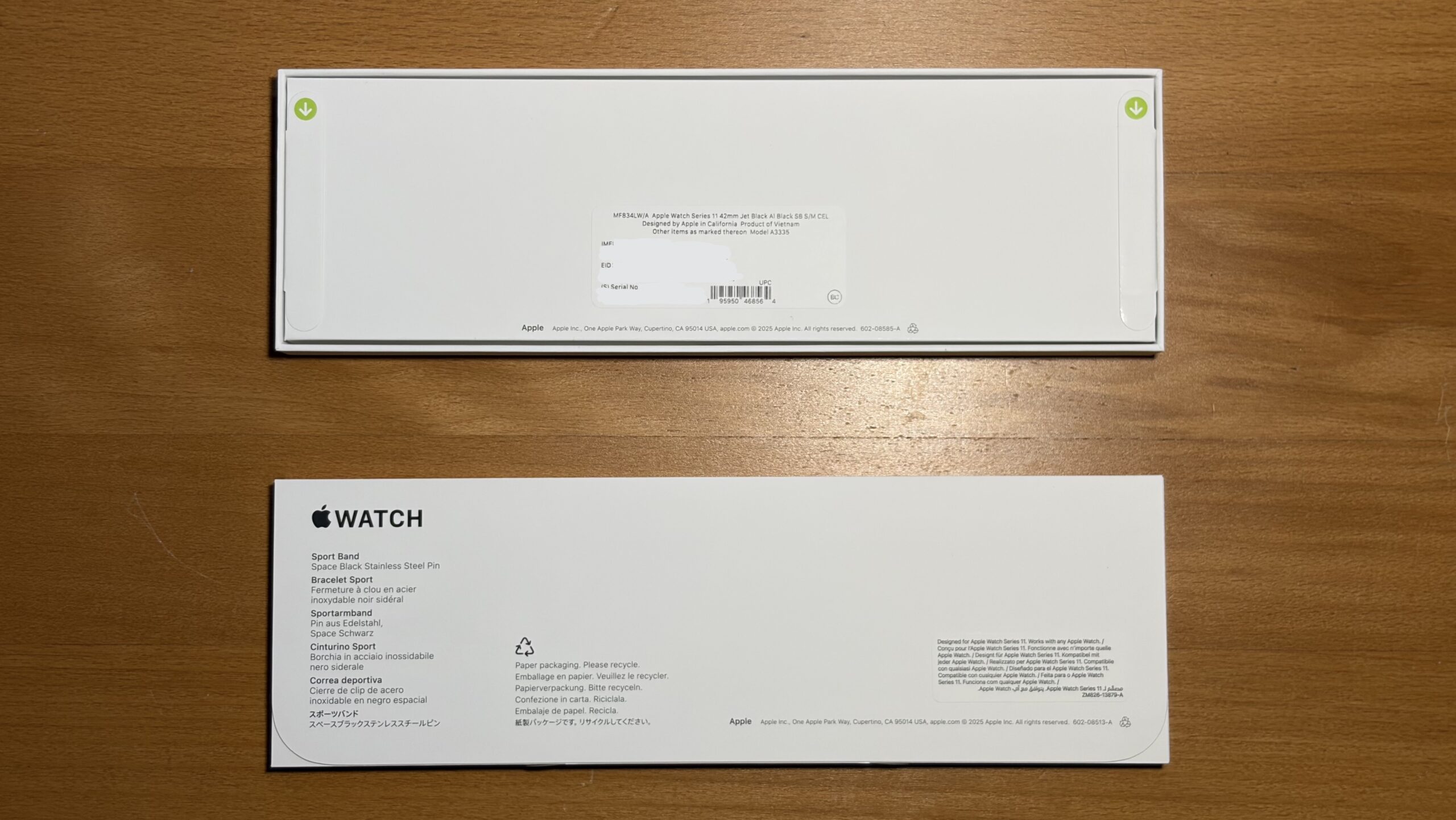
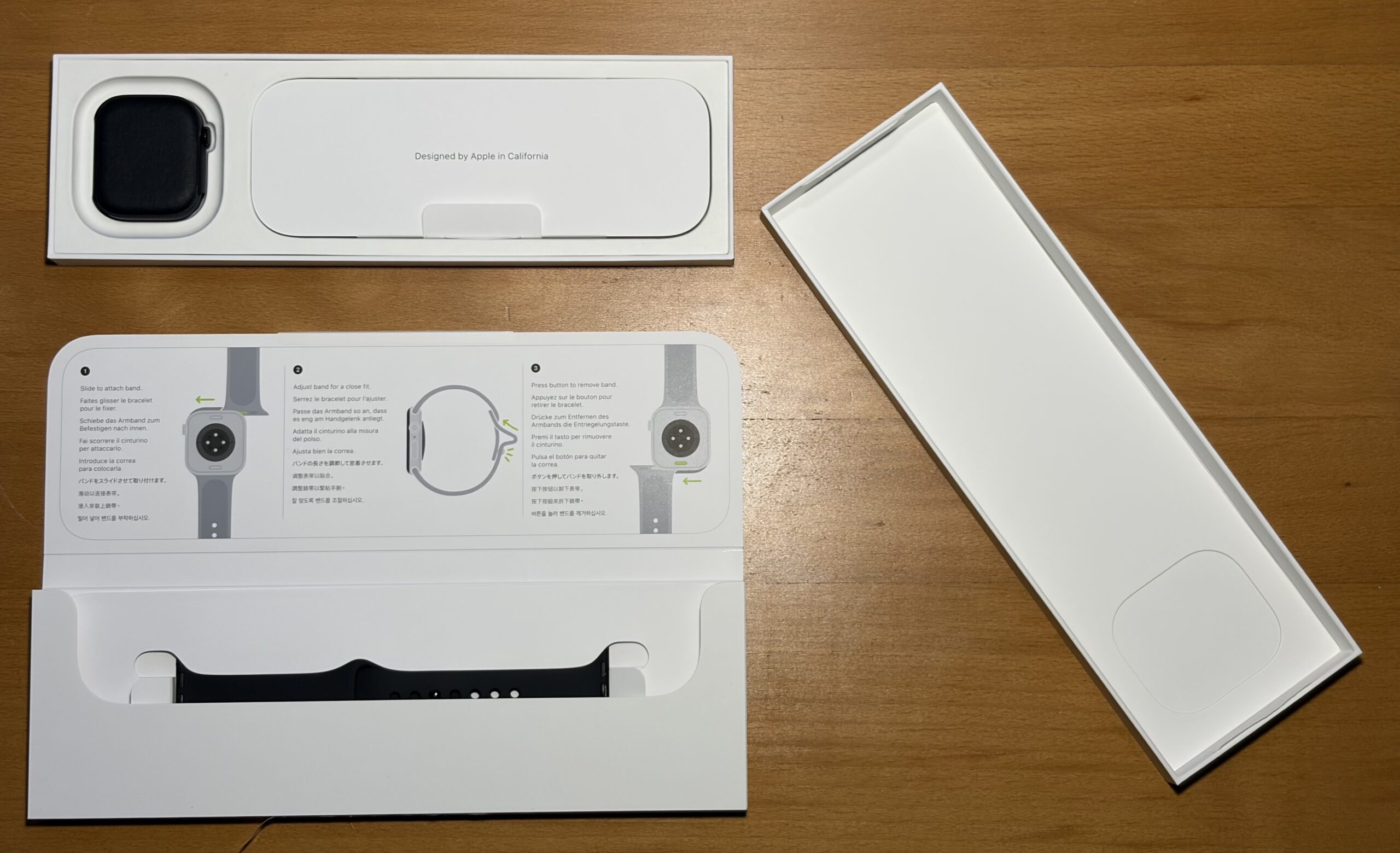
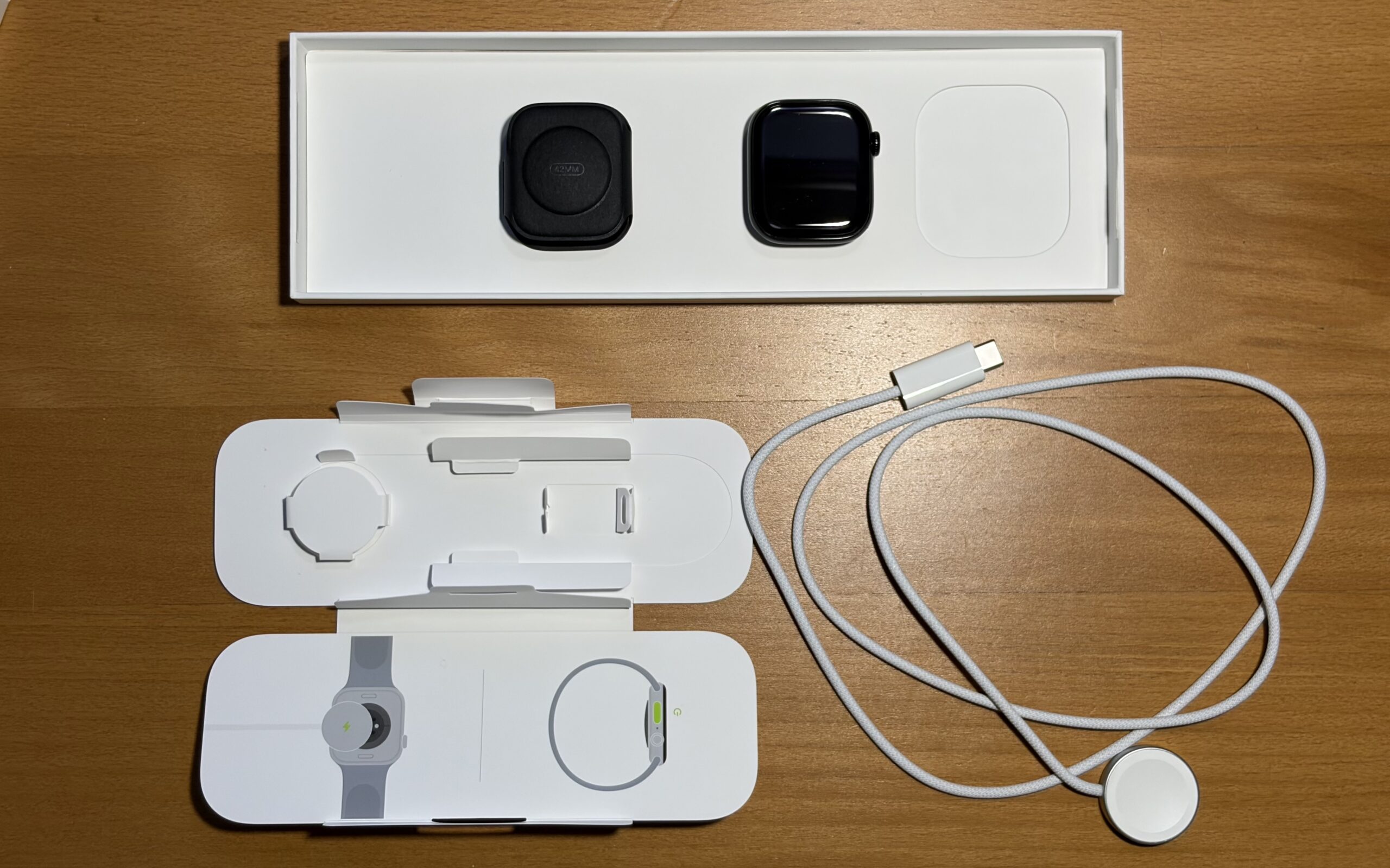
The arrival of the Apple Watch Series 11 was met with anticipation, marking a significant advancement from the user’s previous devices. The unboxing process revealed the characteristic Apple packaging, designed for both protection and presentation. Inside, the new Series 11 watch was presented, a stark contrast to the performance limitations of the Series 3.
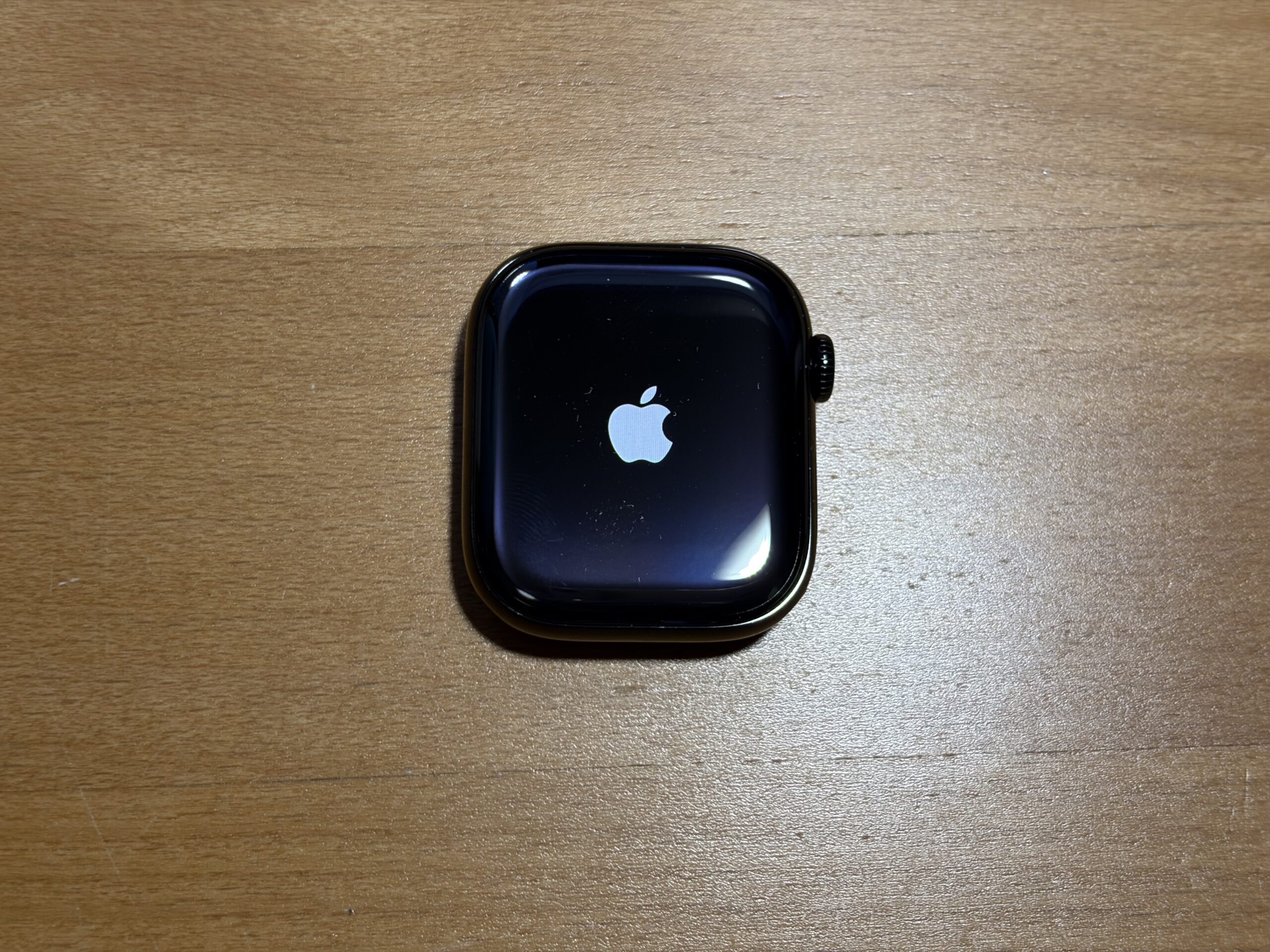
The initial impressions focused on the aesthetic and build quality of the new device. While the exact model and color specifications of the Series 11 are not explicitly detailed in the initial information beyond the user’s choice of "Jet Black," the imagery suggests a sleek and modern design. The user’s preference for Jet Black was driven by a desire for a subtle yet aesthetically pleasing appearance, drawing a comparison to the sleek and shiny finish of the iPhone 7 in Jet Black. This choice highlights a design sensibility that values both form and function. The watch’s finish is described as "sleek and shiny all-around," evoking the appearance of "shiny obsidian glass stone," a characteristic that led to the informal naming of the watch as "Obsidian."
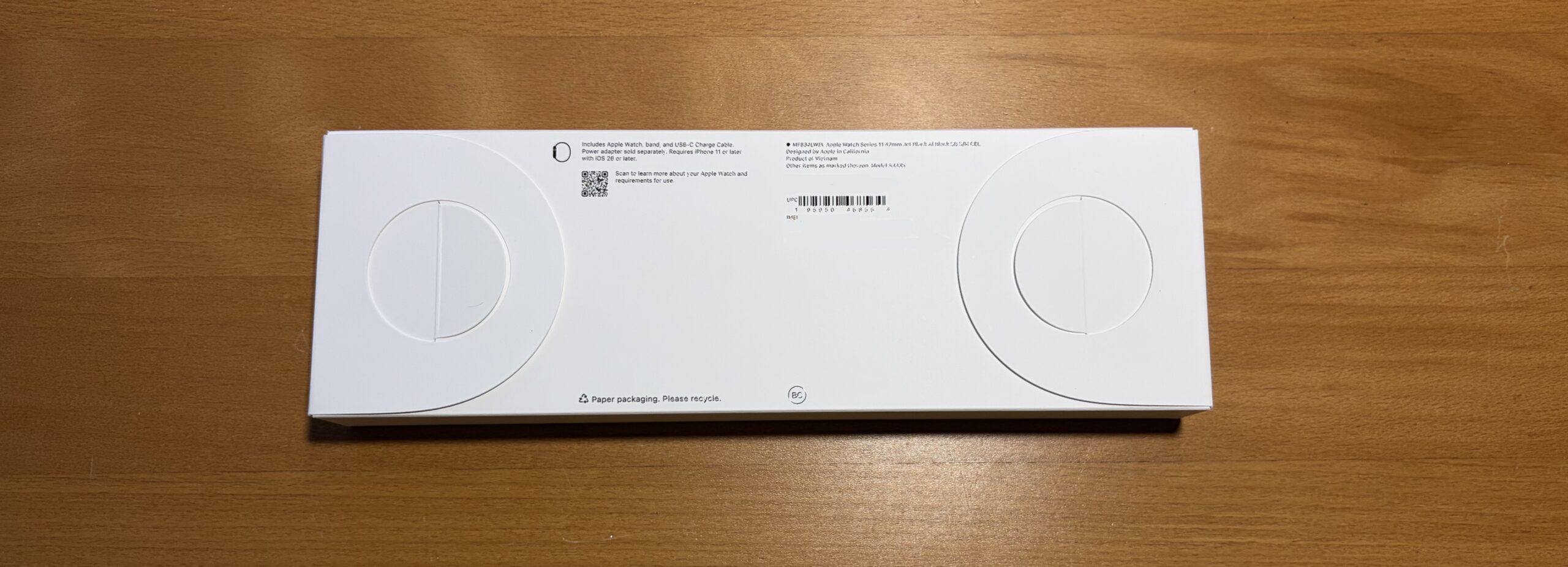
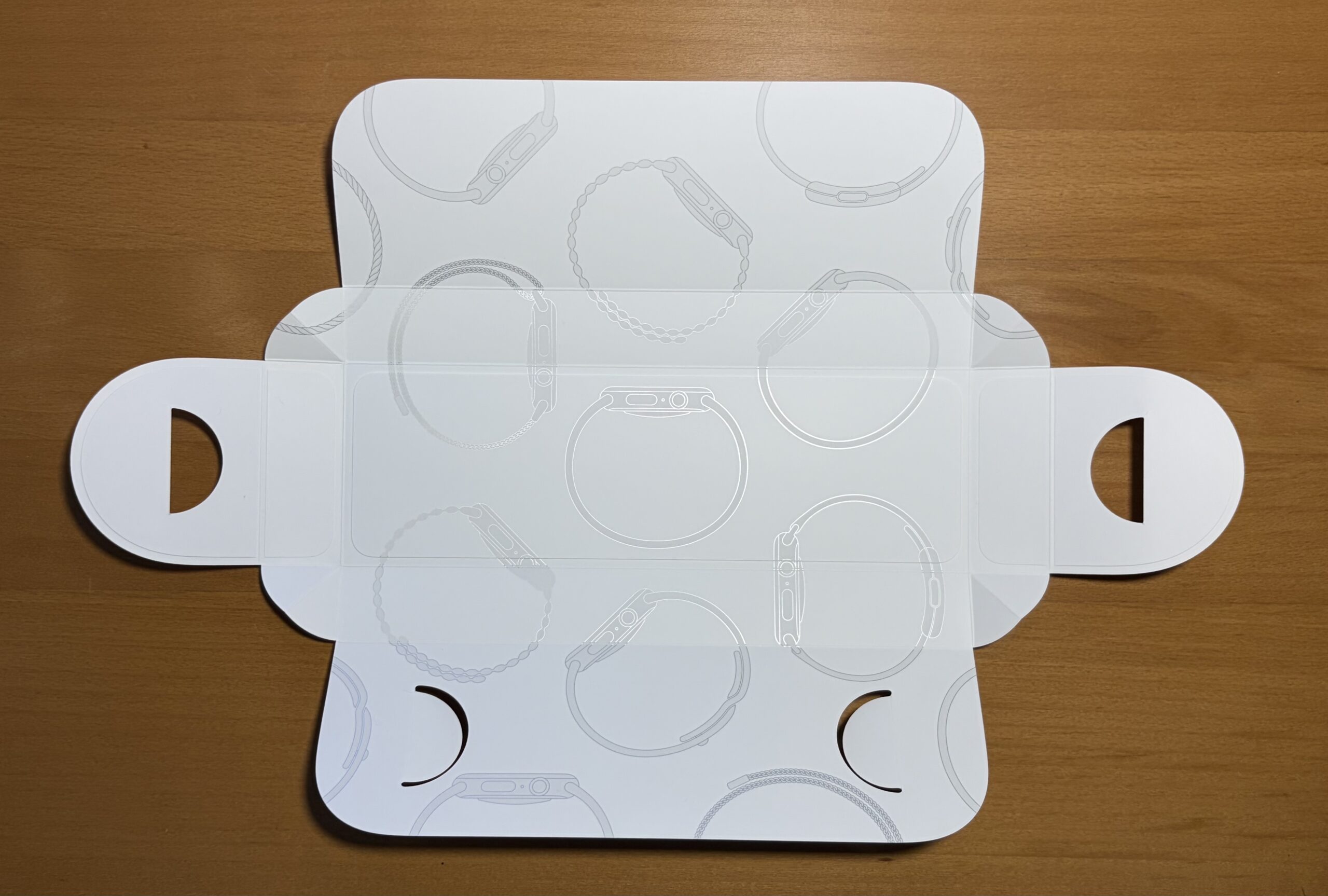
The unboxing also included detailed photographs of the watch’s packaging and contents. Notably, images revealed the interior of the watch box featuring printed Apple Watch designs, a common element in Apple’s product presentation that reinforces brand identity. The accompanying imagery captures various angles of the watch and its accessories, showcasing the attention to detail in Apple’s product design and packaging.
Band Compatibility and Aesthetic Choices: A Blend of New and Old
A significant aspect of the user’s experience with previous Apple Watch models has been their preference for Milanese loop bands. These bands are favored for their ease of adjustment, removal, and wearability. The user indicated that they have never personally used a sport band, even the one originally included with their 2017 Series 3, which remains in its original packaging.
Interestingly, a "knockoff silver colored Metal watch band" that was previously used with the Series 2 Apple Watch was found to be compatible with the new Series 11. While not a perfect aesthetic match for the Jet Black watch, the band "snaps in, stays in place, and feels secure enough to use." This demonstrates a degree of cross-generational compatibility within Apple’s watch band ecosystem, a positive point for users with existing accessory collections. However, the user acknowledges the desire to acquire a band that more closely complements the Jet Black finish of the new Series 11 in the future. The provided images showcase the silver band attached to the new watch, illustrating the functional, if not entirely cohesive, pairing.
The T-Mobile Offer: A Catalyst for Upgrade
The decision to upgrade was directly influenced by a promotional offer from T-Mobile, the user’s mobile carrier. While the specific details of the offer are not fully enumerated in the provided text, it is presented as a "reasonable" opportunity to acquire the new Series 11. Carrier promotions often play a crucial role in driving consumer adoption of new technology, making premium devices more accessible through bundled deals, trade-in incentives, or installment plans.
Such offers can significantly lower the upfront cost of a device, making it more palatable for consumers who might otherwise defer an upgrade due to the retail price. For T-Mobile, offering the latest Apple Watch can enhance customer loyalty and potentially increase service attach rates, as users may opt for cellular connectivity for their smartwatches. The inclusion of Apple Watch in carrier plans often involves a monthly fee for cellular service, creating a recurring revenue stream for the carrier.
A Return to Content Creation: Resuming the Low End Mac Chronicle
This article also signals a personal milestone for the author, marking a return to regular content creation for Low End Mac after a nearly two-month hiatus. The author explains that publishing was temporarily paused to focus on personal matters but emphasizes their continued commitment to the website. The resumption of activity indicates a desire to re-engage with the Low End Mac community and cover recent developments in the technology sector.
The author expresses a commitment to catching up on recent technological advancements and news, specifically mentioning the "MacBook Neo" and other new developments at Apple. This suggests an intention to provide comprehensive coverage and analysis of these upcoming or recently released products. The concluding remarks express gratitude to the website’s visitors and promise more articles in the near future, signaling a revitalized editorial calendar for Low End Mac.
Analysis of the Apple Watch Market and User Behavior
The user’s narrative offers a micro-level perspective on broader trends in the smartwatch market. The Apple Watch, since its introduction in 2015, has consistently led the global smartwatch market share. Data from various market research firms, such as Counterpoint Research and IDC, consistently place Apple at the forefront, often accounting for over 30% of the global market. The Series 3, launched in 2017, was a particularly long-lived model, remaining in Apple’s lineup for an extended period due to its affordability and foundational feature set. Its eventual decline in performance, as experienced by the user, is a natural consequence of software updates and the increasing demands of newer applications.
The user’s shift from a purely functional smartwatch to one that is still primarily a "smartphone companion" reflects a common user adoption pattern. While early adopters might have envisioned a more independent device, the majority of users find the greatest value in the seamless integration with their iPhone for notifications, health tracking, communication, and app usage. The Series 11, with its advanced sensors, faster processor, and improved battery life, aims to enhance this companion experience further, offering more sophisticated health monitoring capabilities, improved performance for apps, and a more robust cellular connection.
The prevalence of carrier offers for smartwatches is a strategic move by mobile operators to capitalize on the growing wearable market. These offers not only drive device sales but also encourage users to subscribe to additional data plans for their wearables, thus increasing the average revenue per user (ARPU). The success of such promotions is evident in the user’s decision to upgrade, indicating that price and carrier incentives are significant factors in consumer purchasing decisions for wearable technology.
The continued compatibility of older accessories, such as watch bands, with newer models is a testament to Apple’s design consistency and a user-friendly approach to ecosystem management. While third-party accessory manufacturers play a significant role, Apple’s adherence to standard connectors and sizes ensures that many existing bands remain usable, reducing the perceived cost of upgrading for consumers who have invested in accessories.
The author’s commitment to Low End Mac, a website focusing on older and more affordable Apple products, adds an interesting dimension. By covering the latest Apple Watch, they are bridging the gap between their site’s traditional focus and the current market trends. This approach can attract a wider audience, including those who may be considering a more budget-friendly Apple Watch model or are simply interested in the evolution of Apple’s product lines. The promise of future articles on new tech specs and products suggests a broadening scope for the publication.
Conclusion: An Evolving Relationship with Technology
The upgrade from an Apple Watch Series 3 to the Series 11, catalyzed by a carrier promotion, exemplifies the dynamic nature of personal technology adoption. It highlights how aging devices, combined with the allure of new features and competitive pricing, can drive consumers to embrace the latest innovations. The user’s experience underscores the evolving perception of smartwatches as sophisticated companions to smartphones and the continued influence of carrier partnerships in shaping consumer choices. Furthermore, the author’s return to publishing signifies a dedication to chronicling these technological shifts, offering insights and analysis to a dedicated readership. The journey from a six-year-old Series 3 to a state-of-the-art Series 11 is not just a hardware upgrade; it represents an ongoing evolution in how individuals interact with and utilize technology in their daily lives.