Hartono Sudibyo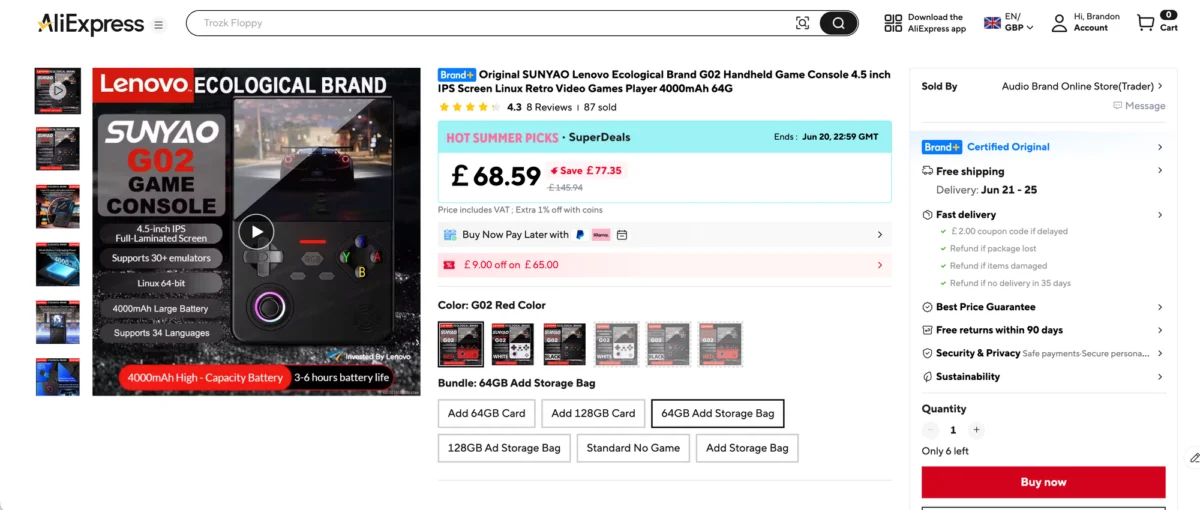
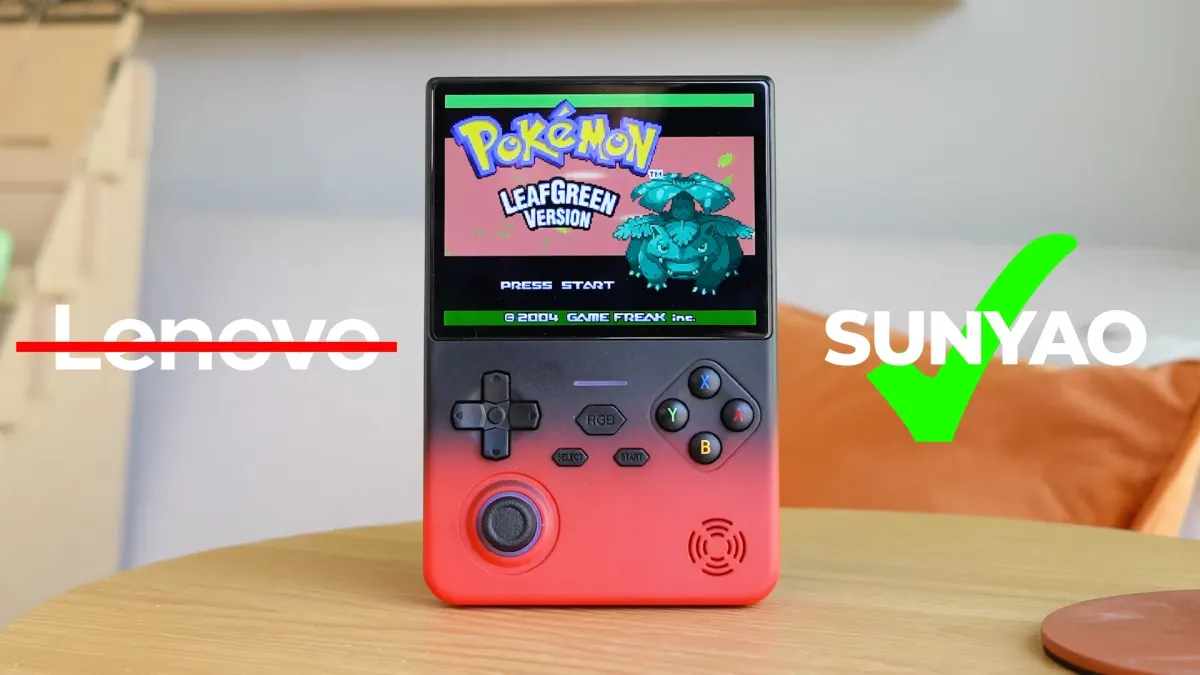
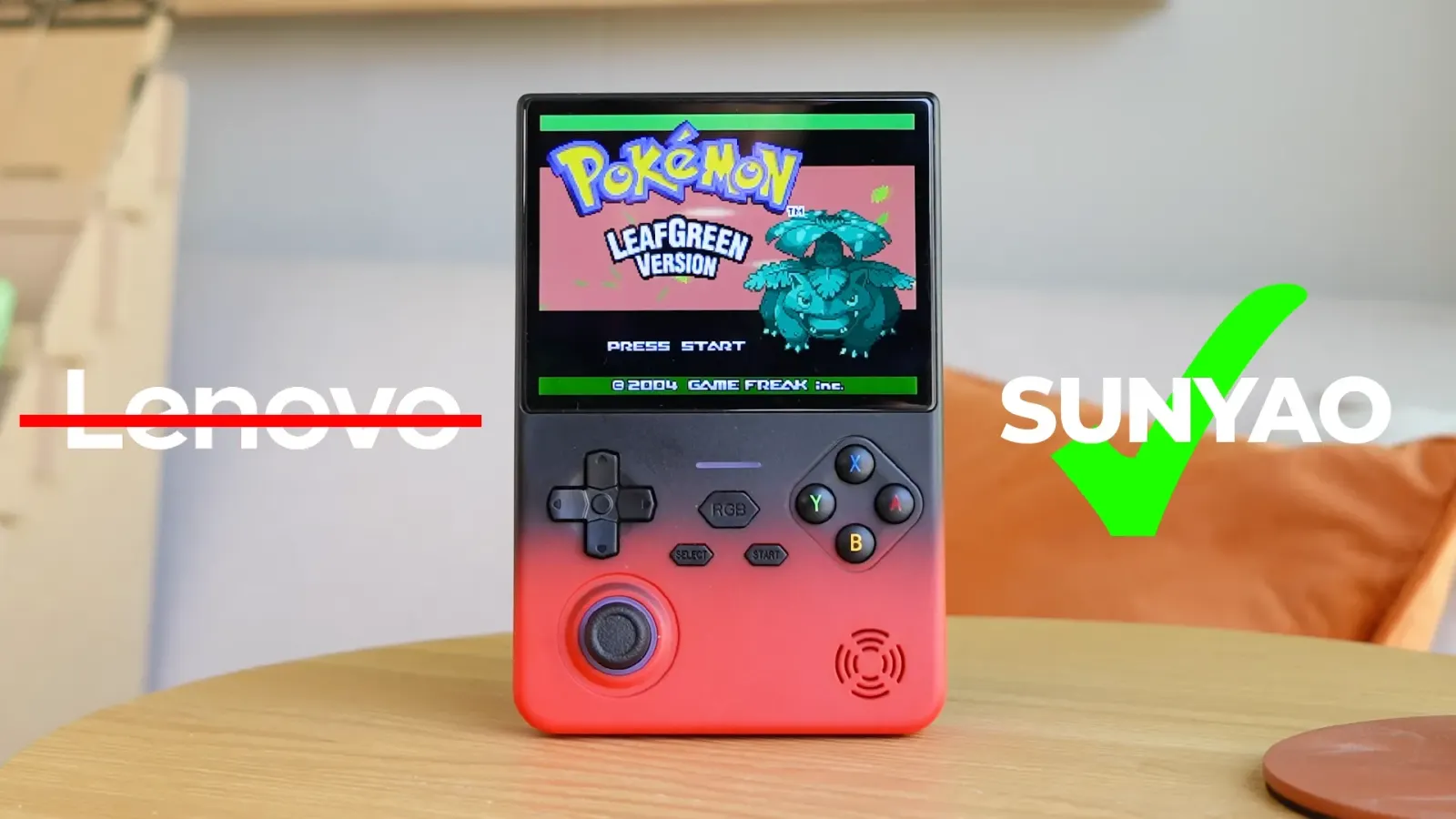
Weeks after its controversial removal from global e-commerce platforms due to allegations of pre-loaded Nintendo intellectual property, Lenovo’s "G02" handheld gaming device has resurfaced on AliExpress. Now marketed under the brand "SUNYAO G02 Handheld," the device is openly associated with Lenovo, described as being from a "Lenovo Ecological Brand," which the reporting outlet clarifies is a mistranslation of "a Lenovo-invested company." This rebranding raises significant questions about Lenovo’s strategy in continuing to offer the device globally while attempting to distance itself from potential legal repercussions.
The initial controversy erupted when reports surfaced detailing the G02 handheld being pre-loaded with a substantial library of Nintendo intellectual property, including classic games and copyrighted material, without proper licensing. This discovery prompted swift action, leading to the device’s removal from AliExpress, suggesting Lenovo was aware of the legal and reputational risks involved. However, the recent reappearance indicates a calculated maneuver to maintain sales while potentially mitigating direct liability.
A Timeline of the Lenovo G02 Handheld Controversy
The saga of the Lenovo G02 handheld can be traced through a series of events that highlight a complex interplay between market ambition, intellectual property rights, and corporate strategy:
- Early 2026: Reports emerge detailing the Lenovo G02 handheld gaming device. Initial impressions suggest a budget-friendly retro gaming handheld.
- Mid-2026 (Pre-Removal): Investigations reveal that the G02 is pre-loaded with a significant number of Nintendo intellectual property, including ROMs of classic games, without authorization. This raises immediate concerns about copyright infringement.
- Mid-2026 (Removal): Following the widespread reporting of the IP issue, the Lenovo G02 is abruptly removed from major online marketplaces, including AliExpress. This action is widely interpreted as a response to the growing controversy and potential legal pressure from intellectual property holders.
- Late 2026 (Re-emergence): The handheld reappears on AliExpress, rebranded as the "SUNYAO G02 Handheld." The device is presented as originating from a "Lenovo Ecological Brand," a designation that sources indicate signifies a Lenovo-invested company. This marks a significant shift in how the device is being marketed and positioned.
Strategic Maneuvering and Potential Liability Shield
The rebranding of the G02 under the SUNYAO banner appears to be a deliberate strategy by Lenovo to create a buffer against potential legal challenges. By operating through an "invested company," Lenovo can argue that it is not directly responsible for the product’s contents or any infringing activities. This tactic is not uncommon in global manufacturing and distribution, where complex ownership structures and subsidiary brands are utilized to manage risk and regulatory scrutiny.
The term "Lenovo Ecological Brand" is understood to translate to a company that receives investment from Lenovo, rather than being a direct subsidiary in the traditional sense. This distinction is crucial in legal contexts. It allows Lenovo to maintain an indirect connection and potential profit from the device’s sales without bearing the full brunt of any legal action that might be initiated by rights holders like Nintendo or SEGA. This approach aims to protect Lenovo’s core brand reputation and financial stability from the fallout of a product that has been deemed problematic.
The decision to continue selling the device, even under a new name, suggests a significant revenue interest. The G02 is positioned as an affordable retro gaming device, likely targeting a price point of around $80 USD. For a company of Lenovo’s scale, even the sales from a niche product like this could represent a notable income stream, especially if manufactured at a low cost.
The Question of Pre-Loaded Content
A critical question remains whether the SUNYAO G02 Handheld, like its predecessor, comes pre-loaded with unlicensed retro games and intellectual property. While explicit confirmation is pending, the circumstances of its reappearance, coupled with the original G02’s problematic history, make this a strong possibility. The reporting outlet notes that while they have not personally verified the contents of the newly branded device, the device’s resurrection itself is indicative of a desire to continue its sales trajectory.

If the SUNYAO G02 is indeed pre-loaded with pirated content, it would represent a continuation of the practices that led to the original device’s withdrawal. This would further underscore Lenovo’s strategy of using an intermediary brand to navigate the legal landscape. The accessibility of the device through global platforms like AliExpress means that consumers outside of China can still potentially purchase it, albeit with the added layer of complexity introduced by the SUNYAO branding.
Analysis of Market Implications and Consumer Confusion
The reappearance of the G02 under a new guise is likely to cause significant confusion among retro gaming enthusiasts and even existing Lenovo customers. The association with Lenovo, even if indirect, can create a false sense of trust or legitimacy for consumers who may not be aware of the underlying issues. This can lead to purchases based on brand recognition rather than a full understanding of the product’s origins and potential legal entanglements.
For retro gamers, the availability of an affordable handheld that promises access to classic titles is appealing. However, the ethical and legal implications of supporting devices that potentially infringe on intellectual property rights are significant. The low quality of the device, as previously noted by reviewers, further complicates the value proposition. Reports have described the build quality and performance as disappointing, especially considering Lenovo’s track record with other successful gaming hardware, such as the premium Legion Go.
Broader Industry Impact and Ethical Considerations
The situation with the Lenovo G02 and its SUNYAO reincarnation highlights ongoing challenges in the portable retro gaming market. While there is a legitimate demand for accessible retro gaming experiences, the market is also susceptible to the distribution of unlicensed content. Companies that engage in such practices, even indirectly, risk damaging their reputation and facing legal consequences.
The actions of Lenovo, or rather the companies they have invested in, raise ethical questions about corporate responsibility. While innovation and market expansion are vital, they should ideally be pursued within legal and ethical boundaries. The use of subsidiary brands to shield against liability, while a recognized business practice, can be perceived as a way to circumvent accountability for problematic product offerings.
The continued availability of such devices on global e-commerce platforms also presents a challenge for regulators and intellectual property holders. The ease with which products can be listed and sold across borders makes enforcement difficult. This creates an uneven playing field for legitimate distributors and developers who invest in licensed content and adhere to intellectual property laws.
Conclusion
The reappearance of the Lenovo G02, now branded as the SUNYAO G02 Handheld, is a development that warrants close observation. It signifies a continued effort by Lenovo-affiliated entities to offer this controversial device to the market, albeit through a more convoluted structure. The strategy appears to be centered on creating a liability shield to protect Lenovo from potential legal action, while still capitalizing on the demand for affordable retro gaming hardware.
Consumers interested in retro gaming are advised to exercise caution and conduct thorough research before purchasing any device, particularly those with a history of intellectual property concerns. The allure of low-cost gaming should be weighed against the ethical implications and potential legal risks associated with unlicensed content. The long-term implications for Lenovo’s brand reputation and its relationships with intellectual property holders remain to be seen as this situation continues to unfold. The pursuit of revenue should ideally be balanced with a commitment to legal compliance and ethical business practices, a balance that this particular handheld device has demonstrably struggled to achieve.