Cecilia Chamidah Nur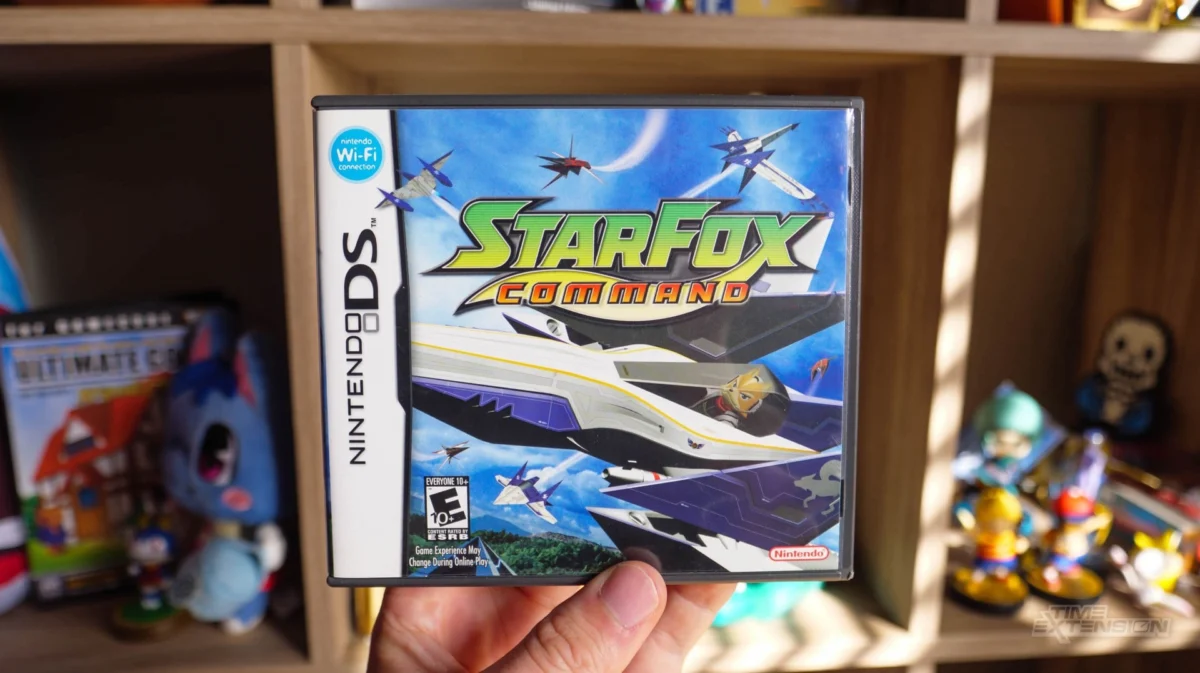
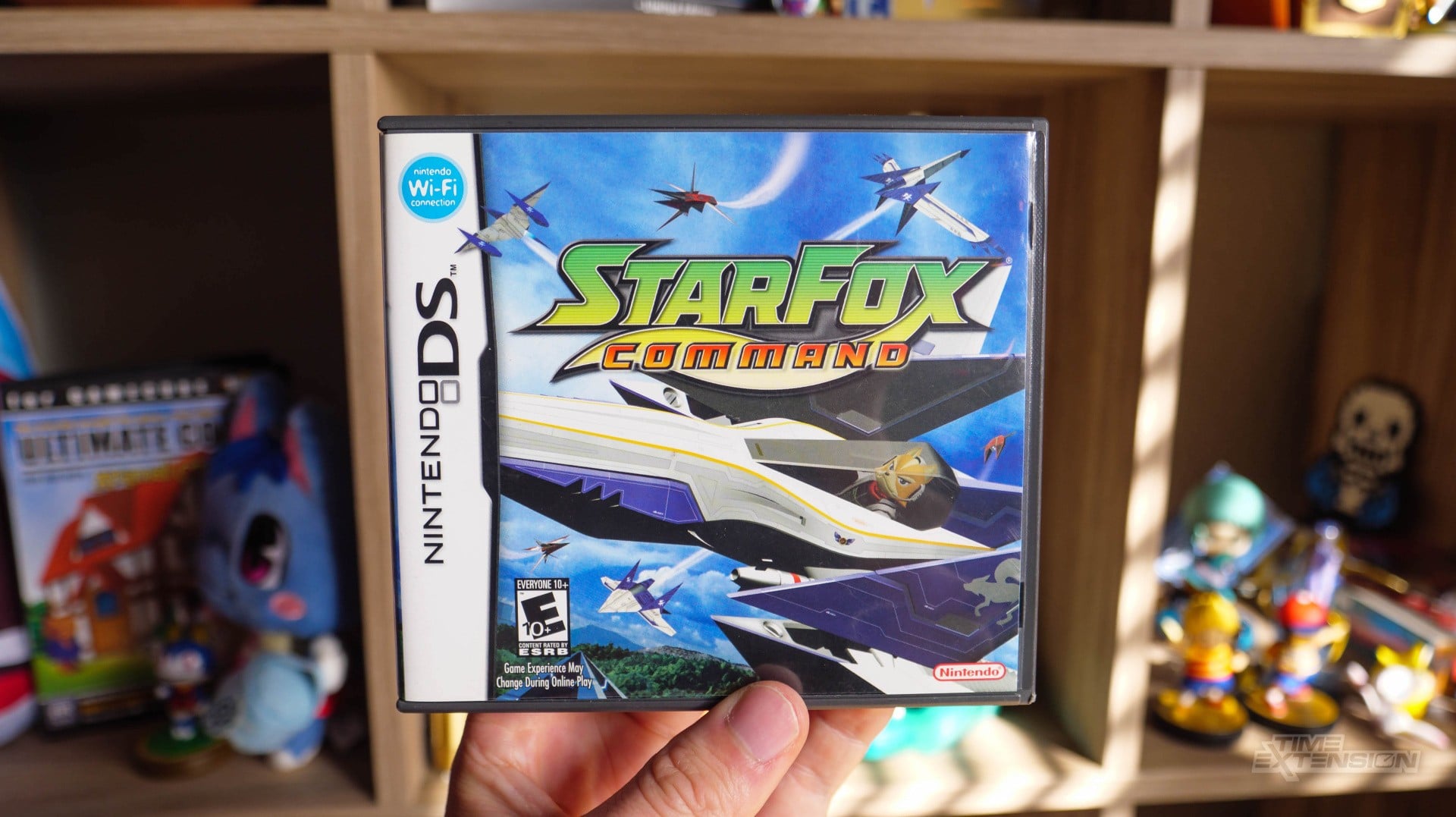
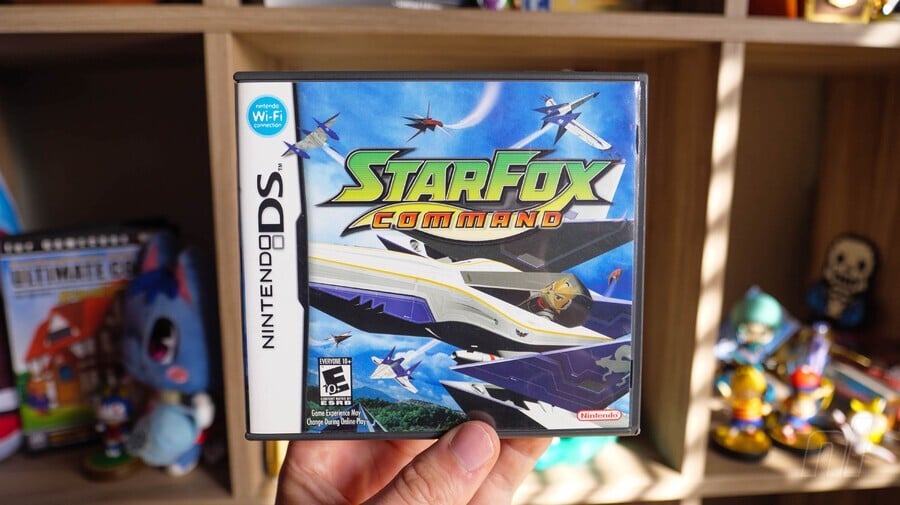
The recent surprise announcement of a new Star Fox installment, slated for release in June 2026 exclusively on the Nintendo Switch 2, has reignited enthusiasm for one of Nintendo’s most storied, yet often understated, franchises. This exciting development prompts a retrospective look at pivotal moments in the series’ history, particularly focusing on Star Fox Command, a Nintendo DS title that, at 14 years old, represents a significant, albeit often debated, chapter in the saga of Fox McCloud and his intrepid team. Command‘s release in 2006 marked a critical juncture for the franchise, arriving after a period of mixed reception for its predecessors and attempting to leverage the revolutionary capabilities of Nintendo’s then-dominant handheld console.
The Trajectory of a Star: A Series Defined by Innovation and Shifting Directions
The Star Fox series has always been synonymous with technological innovation, particularly in its early days. The original Star Fox (known as Starwing in PAL regions) on the Super Nintendo Entertainment System (SNES) in 1993 was a groundbreaking title, showcasing real-time 3D polygonal graphics previously thought impossible on the 16-bit console. This feat was achieved through the Super FX chip, a co-processor embedded within the game cartridge, developed in collaboration with British developer Argonaut Games. It was a technical marvel that gave the SNES a distinct advantage in the burgeoning 3D space, selling over 4 million copies worldwide and cementing Star Fox as a pioneer in 3D gaming.
Its successor, Star Fox 64 (or Lylat Wars in PAL regions), released in 1997, built upon this legacy, becoming a benchmark for cinematic storytelling and rail-shooter gameplay on the Nintendo 64. Without requiring additional hardware, it pushed the console’s graphical capabilities, arguably surpassing visuals seen on competitors like the PlayStation and Sega Saturn at the time. Star Fox 64 also famously introduced the Rumble Pak, revolutionizing haptic feedback in gaming. Critically acclaimed and commercially successful with over 4 million units sold in the U.S. alone, it remains a high point for many fans and established the "on-rails" format as the series’ perceived core identity.
However, the path forward for the franchise proved less clear. The GameCube era saw two entries that diverged significantly from this established formula. Star Fox Adventures (2002), developed by Rare, began life as an unrelated project titled Dinosaur Planet before Nintendo mandated the integration of the Star Fox IP. This resulted in an action-adventure game with strong Zelda-like elements, which, while visually impressive, alienated some fans expecting a pure rail-shooter experience. Its Metascore of 75 indicated a mixed critical reception, and sales of approximately 1.87 million worldwide were respectable but not outstanding for a Nintendo IP.
Following this, Star Fox: Assault (2005), developed by Namco, attempted to blend traditional rail-shooter segments with on-foot and all-range mode combat missions. While its opening levels were praised, the extensive focus on ground-based combat and multiplayer was often cited as a departure that diluted the core Star Fox appeal. It garnered a Metascore of 67, signaling further uncertainty about the series’ direction. The subsequent Star Fox Zero (2016) on the Wii U, a title that was technically a remake/reimagining of Star Fox 64 with unique Wii U GamePad controls, also struggled to find its audience, receiving a Metascore of 69 and failing to revitalize the franchise significantly, alongside the tower defense spin-off Star Fox Guard. This tumultuous history set a formidable stage for Star Fox Command.
The Nintendo DS Revolution and the Weight of Expectation
Star Fox Command launched in August 2006 (Japan, North America) and September 2006 (Europe) onto a Nintendo DS ecosystem that was rapidly redefining the handheld gaming landscape. The DS, released in late 2004, was a phenomenon, confounding industry expectations with its innovative dual screens, resistive touchscreen, microphone input, and built-in Wi-Fi capabilities. It was a console that prioritized novel gameplay experiences over raw graphical power, attracting millions of new players and becoming Nintendo’s best-selling console of all time, with over 154 million units sold worldwide.
Against this backdrop, Star Fox Command carried immense pressure. It was not only tasked with restoring faith in a franchise that had, in the eyes of some fans, strayed from its roots, but also had to fully embrace the DS’s unique features. The challenge was to innovate while retaining the essence of Star Fox—a tightrope walk that Nintendo entrusted to a familiar, yet independent, creative force.
A Return to Roots: Q-Games and Dylan Cuthbert’s Involvement
Fears among the fanbase regarding Nintendo outsourcing the development of Star Fox titles were considerably allayed with the announcement that Kyoto-based Q-Games would be at the helm of Star Fox Command. Q-Games, founded in 2001 by Dylan Cuthbert, brought a crucial historical connection to the project. Cuthbert was a key member of the original Argonaut team that developed the SNES Star Fox and its unreleased sequel, Star Fox 2.
Cuthbert’s journey post-Star Fox 2‘s cancellation in 1995 saw him join Sony America, where he worked on titles like Blasto for the PlayStation, and later contributed to projects like Ape Escape 2001 after developing the iconic "Duck in a Bath" tech demo for the PlayStation 2. His return to Kyoto to establish Q-Games positioned him uniquely to rekindle his relationship with Nintendo.
Q-Games had already established a working relationship with Nintendo, developing titles like Digidrive / Intersect and engaging in various experimental projects, including some utilizing the Game Boy’s gyro sensor that ultimately didn’t see release. It was during this period that Shigeru Miyamoto, the legendary creator of Star Fox, approached Cuthbert with the idea of a Star Fox concept demo for the upcoming DS.
Cuthbert recalls developing an "interesting ‘space elevator’ demo that felt just like the original Star Fox" over several months. This early concept even involved a revamped visual direction for the Star Fox characters, though this was ultimately dropped when Takaya Imamura, a veteran Nintendo producer with credits on F-Zero, The Legend of Zelda: Majora’s Mask, and the original Star Fox, was assigned to produce the title.
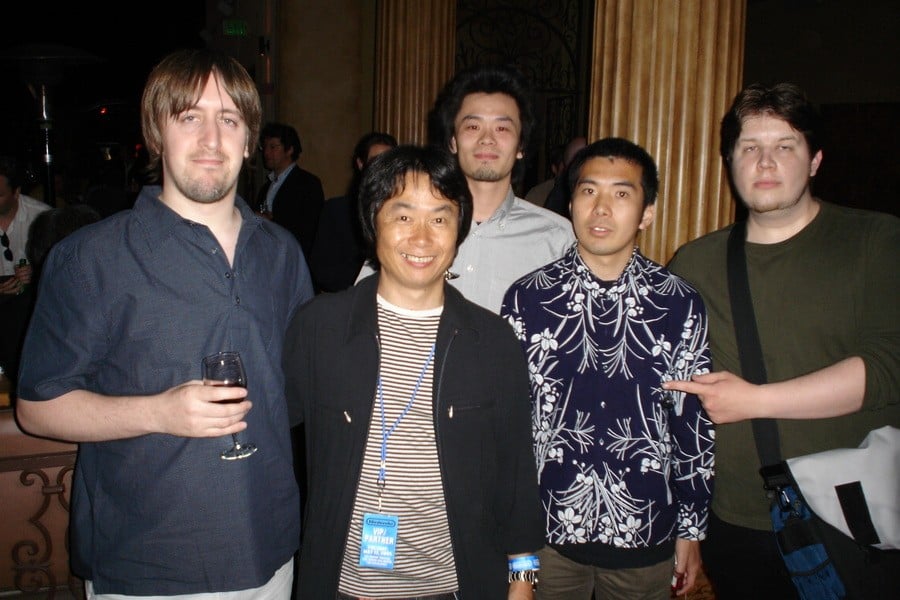
Miyamoto’s specific interest in involving Cuthbert stemmed directly from their shared history with Star Fox 2. He explicitly desired to explore the unfulfilled ideas from that canceled SNES sequel, knowing Cuthbert’s intimate familiarity with them. As Cuthbert explains, "Not many other people knew anything about Star Fox 2 at that point in time! Even Imamura-san hadn’t been involved directly on Star Fox 2." This deep connection to the series’ foundational, albeit unreleased, innovations provided a unique springboard for Star Fox Command.
Innovation on Two Screens: Crafting Gameplay for the DS
Miyamoto’s philosophy for the Star Fox franchise was clear: it was not about rehashing the same game but serving as a "vehicle for exploring ideas in 3D gaming." This ethos, evident in how Star Fox 2‘s 3D platforming experiments influenced Super Mario 64, was to be applied to the Nintendo DS. The DS, with its dual screens and touch capabilities, offered a fertile ground for new gameplay concepts.
The development team at Q-Games, including fresh university graduate Takahashi Akito and former Lionhead Studios developer Rhodri Broadbent, found the process "liberating." The absence of established paradigms for 3D action games on a dual-screen, touch-controlled device fostered an "anything goes" atmosphere during prototyping. Early experiments explored numerous control schemes and camera angles, many of which were ultimately discarded but informed the final design. Broadbent, responsible for programming the Arwing controls, particularly enjoyed a discarded mode where the stylus could lock the camera onto an enemy, allowing the Arwing to autopilot around it for strategic attacks—an idea he noted was partially incorporated into Star Fox Zero years later.
The core gameplay of Star Fox Command diverged significantly from the traditional on-rails format. It combined strategic map-based movement on the lower screen with free-roaming aerial combat on the upper screen. Players would draw flight paths for their Arwings on the touchscreen, dictating movement between enemy encounters and objectives. During combat, the stylus allowed for direct, intuitive control of the Arwing, enabling players to steer, perform barrel rolls with quick swipes, and target enemies. Cuthbert also highlighted the use of the DS Rumble Pak for haptic feedback during map navigation, such as flying through meteor fields. A practical limitation, the restricted cartridge space, meant traditional voice acting was replaced with a technical compromise: using cut-up player voices or sounds for character dialogue.
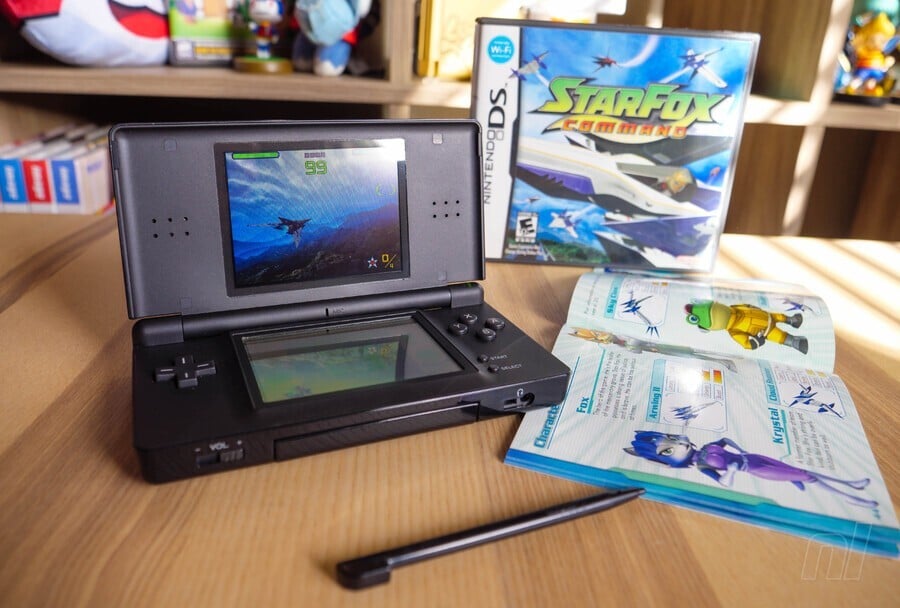
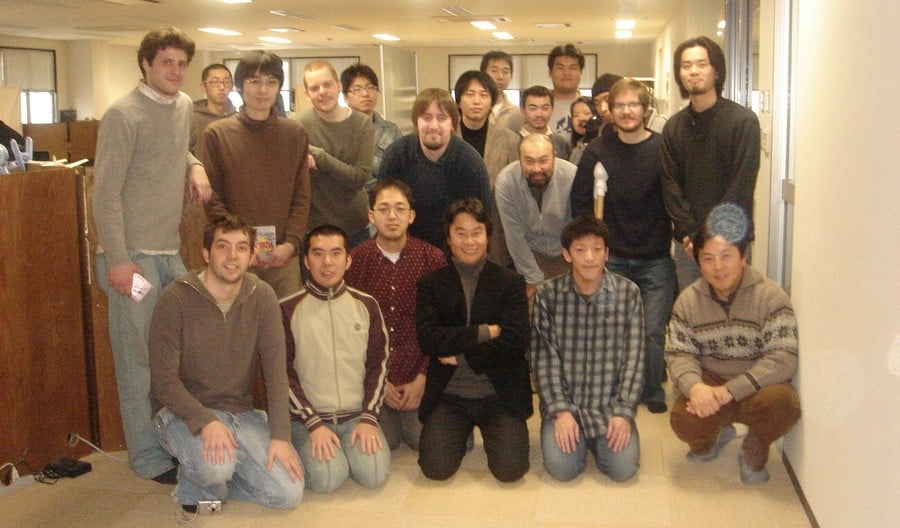
The collaboration between Q-Games and Nintendo EAD was notably close. Takaya Imamura was a constant presence at the Q-Games offices, working daily with the team on all aspects, from enemy design to narrative arcs. Miyamoto and Katsuya Eguchi also made regular visits, offering feedback and guiding the project’s overall direction. While Q-Games handled the bulk of development, Nintendo provided the music, with Hajime Wakai composing the score, and the audio engine. This tight integration ensured that Nintendo’s vision for the franchise and the DS hardware was realized effectively.
A lighthearted anecdote from this period involves Cuthbert’s pet French Bulldog, Pooh-chan, who, in a moment of canine mischief, urinated on Imamura’s new suede shoes. Despite the embarrassment, Imamura reportedly took it in stride, a testament to the convivial atmosphere that often characterizes Nintendo-adjacent development. Team members like Kazushi Maeta and Yutaka Kurahashi expressed their profound respect and enjoyment of working alongside industry veterans like Imamura and Cuthbert, cherishing both their professional guidance and personal interactions.
The Dawn of Online Dogfights and Branching Narratives
Star Fox Command was also a pioneer for the series by introducing online multiplayer battles, leveraging the Nintendo DS’s nascent Wi-Fi capabilities. This was uncharted territory for the team, aiming to deliver the excitement of aerial dogfights to players across the globe. Cuthbert acknowledges the significant technical challenges involved, exacerbated by rudimentary online development infrastructure and even a broken air conditioning system during a Kyoto summer.
Rhodri Broadbent echoed these sentiments, noting that "the online development infrastructure wasn’t as advanced as it is today, so adding multiplayer arena battles to Star Fox Command was pretty ambitious." Syncing issues caused sleepless nights for the network coding team. However, the game’s unique design, particularly the strategic map on the DS’s lower screen, helped mitigate common problems in flight combat games, allowing players to plan wider approaches, track opponents, and strategically grab power-ups, adding a layer of depth beyond simple search-and-destroy.
Perhaps one of Star Fox Command‘s most enduring legacies is its innovative approach to storytelling: multiple endings. Inspired by "Choose Your Own Adventure" books like the Fighting Fantasy series, Cuthbert suggested this framework to Imamura, who enthusiastically embraced the concept. This allowed for branching narratives and different outcomes, offering greater character development and replayability than a fixed storyline. Imamura found immense pleasure in crafting these diverse narratives, with Maeta recalling him saying that "maybe the sequel could really be one of these ending episodes."
One particular ending, "Curse of Pigma," saw Fox McCloud abandoning his piloting career for racing after a personal loss. This storyline fueled rumors years later about a potential Star Fox racing title, sometimes dubbed Star Fox Grand Prix. Cuthbert noted the natural crossover given Imamura’s deep involvement in both Star Fox and the F-Zero series, seeing it as a "really cool" blending of Nintendo universes. Broadbent affirmed that the racing career was a "natural outcome" when considering alternate timelines for the characters, given Imamura’s dual franchise history.
Critical Reception, Lingering "What Ifs," and a Glimmer of Hope
Upon its release, Star Fox Command received generally favorable reviews, achieving a Metascore of 76 based on 57 critic reviews. Critics praised its innovative use of the DS’s features, particularly the touch controls and the strategic map, as well as the addition of online multiplayer and the replayability offered by multiple endings. However, some criticisms included the repetitive nature of some missions and the deviation from the traditional rail-shooter format that many fans had come to expect. Commercially, it performed reasonably well, selling approximately 20,000 copies on its launch day in Japan and going on to sell around 2.1 million copies worldwide. While not a blockbuster on the scale of Star Fox 64, it represented a solid performance for a handheld entry in a challenging period for the franchise.
Despite its innovative aspects, developers look back with a few "what ifs." Cuthbert expressed a desire to have included "standard" forward-scrolling Star Fox levels, but Miyamoto’s insistence on exploring new free-range modes for the DS ultimately guided the design. He also wished to expand the mothership sequences, perhaps integrating on-rails segments. Maeta revealed that the Arwing transformation mechanic from Star Fox 2 (later resurrected in Star Fox Zero) was considered for Command, which would have undoubtedly added more gameplay variety. Broadbent suggested a deeper integration between the strategy map decisions and mission outcomes, enhancing depth and replayability, even musing about the potential for a Star Fox RTS.
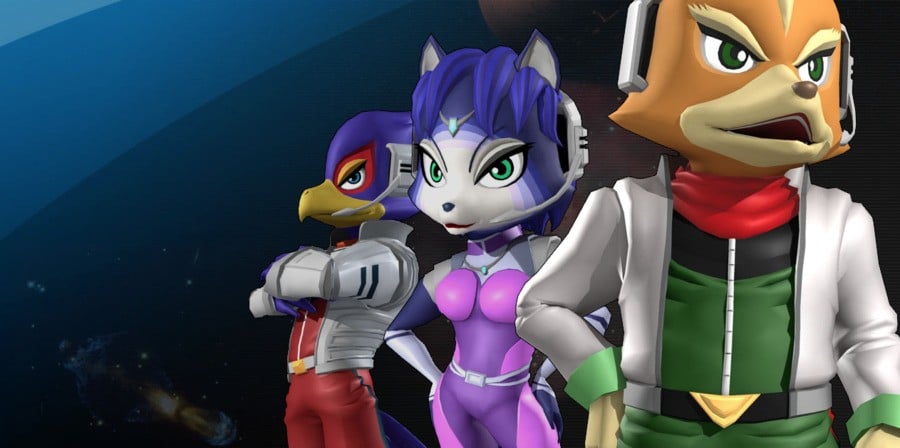
In the wake of the new Star Fox announcement, the question of Star Fox Command‘s future relevance, particularly regarding a potential remake or sequel, naturally arises. Cuthbert remains somewhat pessimistic about a remake, stating, "I think the chances of a remake are pretty low, although the chances of Star Fox 2 getting a release were pretty low, too!" However, he enthusiastically added, "However, I would love to make a Star Fox Command 2 for Switch."
Star Fox Command stands as a testament to Nintendo’s willingness to experiment and the creative vision of its partners. While it may not have universally satisfied every Star Fox fan, it undeniably pushed boundaries on the Nintendo DS, exploring new gameplay mechanics, online connectivity, and narrative structures. Its legacy is one of ambitious innovation, a brave attempt to redefine a beloved franchise for a new generation and a new console. As the Star Fox series embarks on its next chapter, the lessons and innovations of Command remain a fascinating and integral part of its rich, evolving history.