Hartono Sudibyo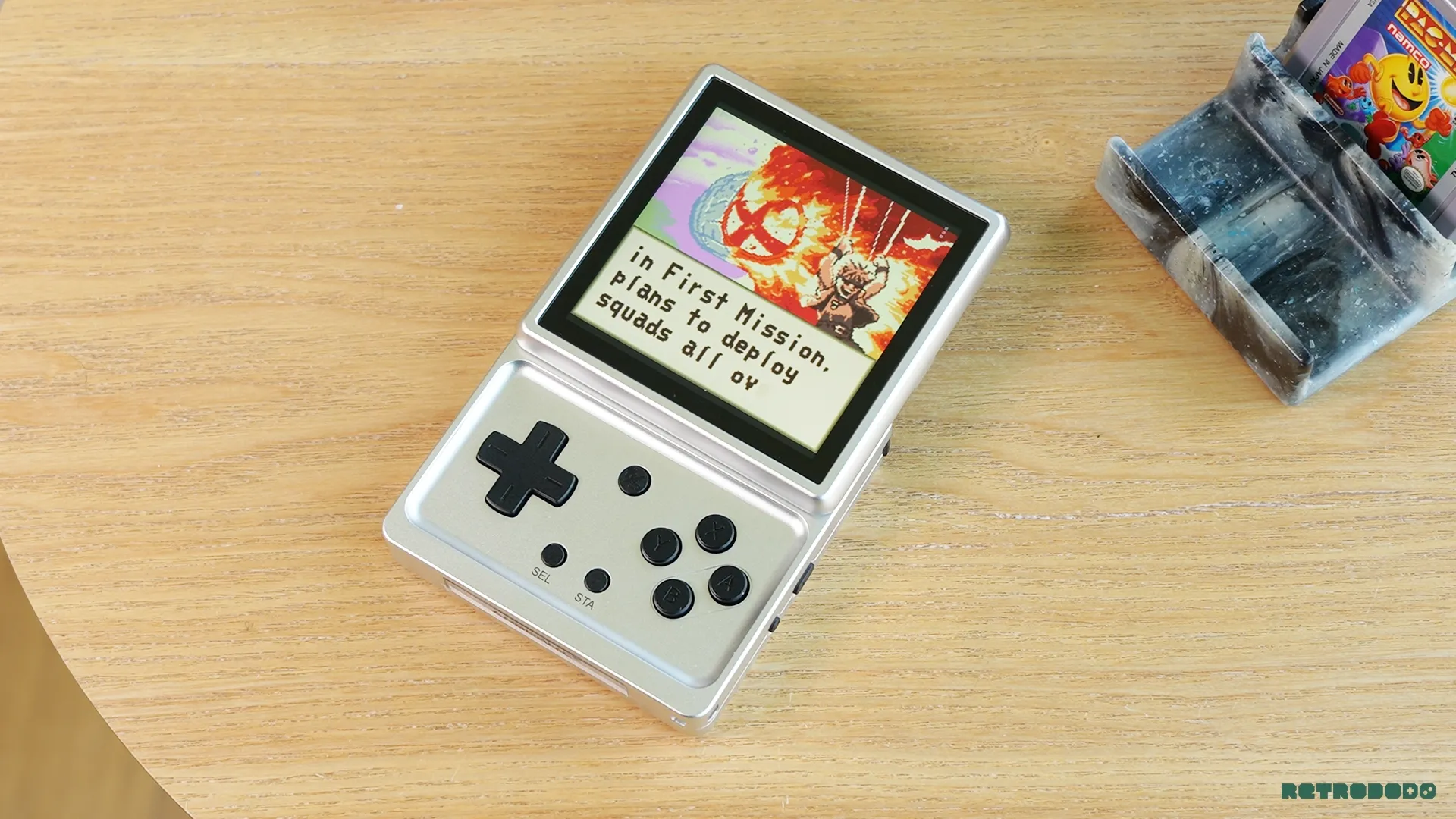
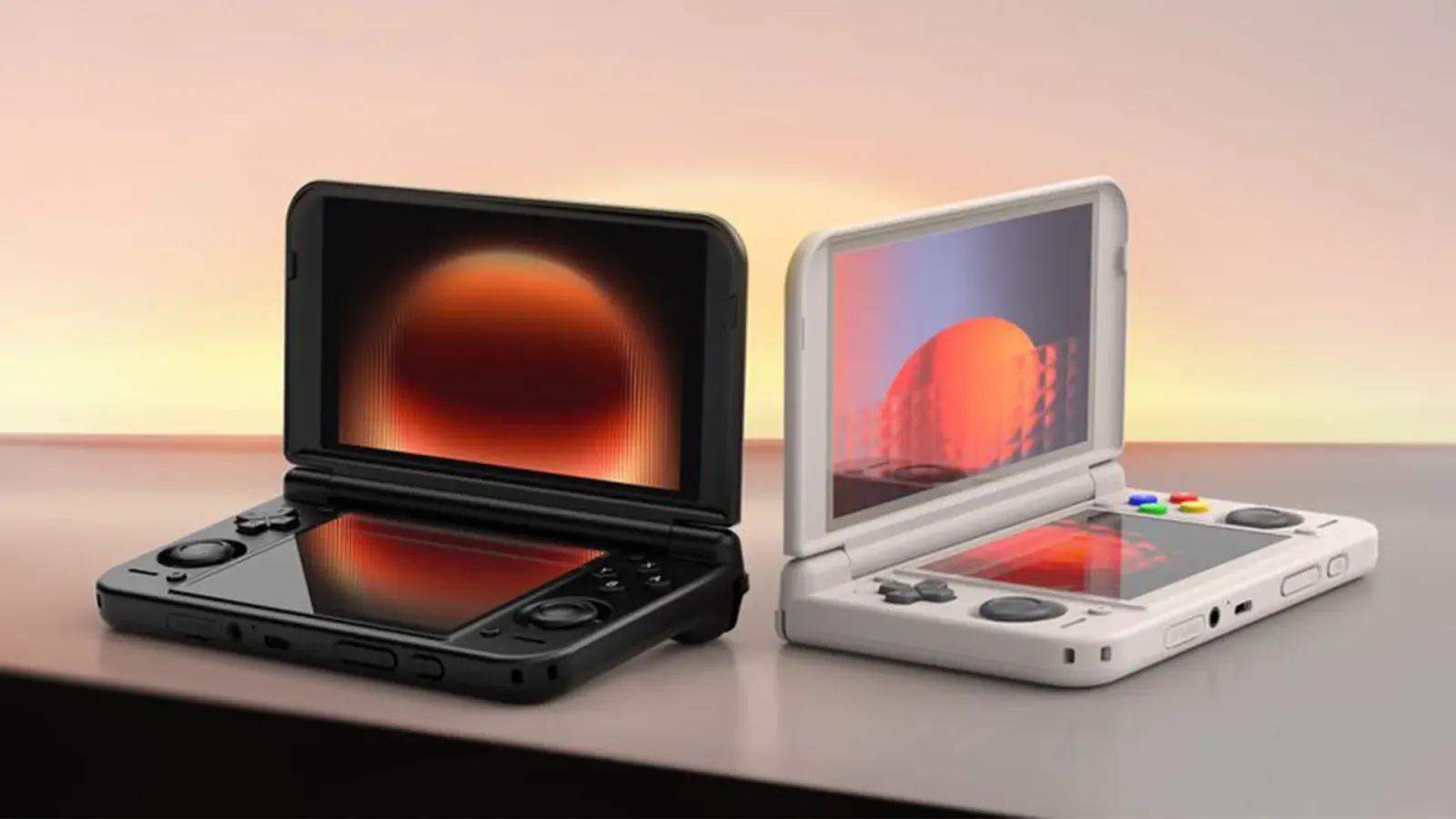
The retro gaming handheld market, often characterized by incremental upgrades and familiar designs, has seen a recent surge of innovation, partly driven by the rising costs of storage and shipping that have tempered the release of more conventional devices. Amidst this landscape, the ANBERNIC RG Rotate has emerged as a distinctively novel offering, integrating a flip-out display that conceals a gamepad beneath. This design, a first for the company and a rarity in the current market, aims to capture the attention of consumers already possessing a multitude of capable retro handhelds, forcing manufacturers to pursue truly unique selling propositions. The RG Rotate’s ambitious design, inspired by the nostalgic aesthetics of 2000s flip phones and featuring a robust alloy hinge, invites a critical examination of its practicality, durability, and overall value proposition, particularly given its price range of $88 to $108.
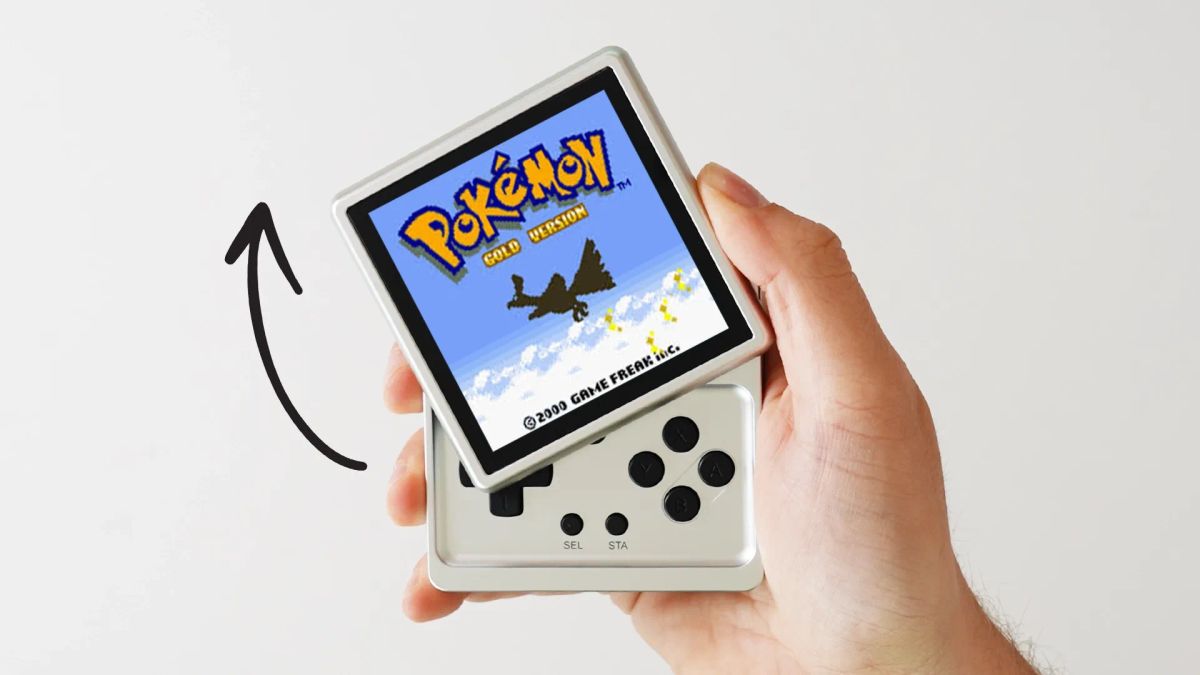
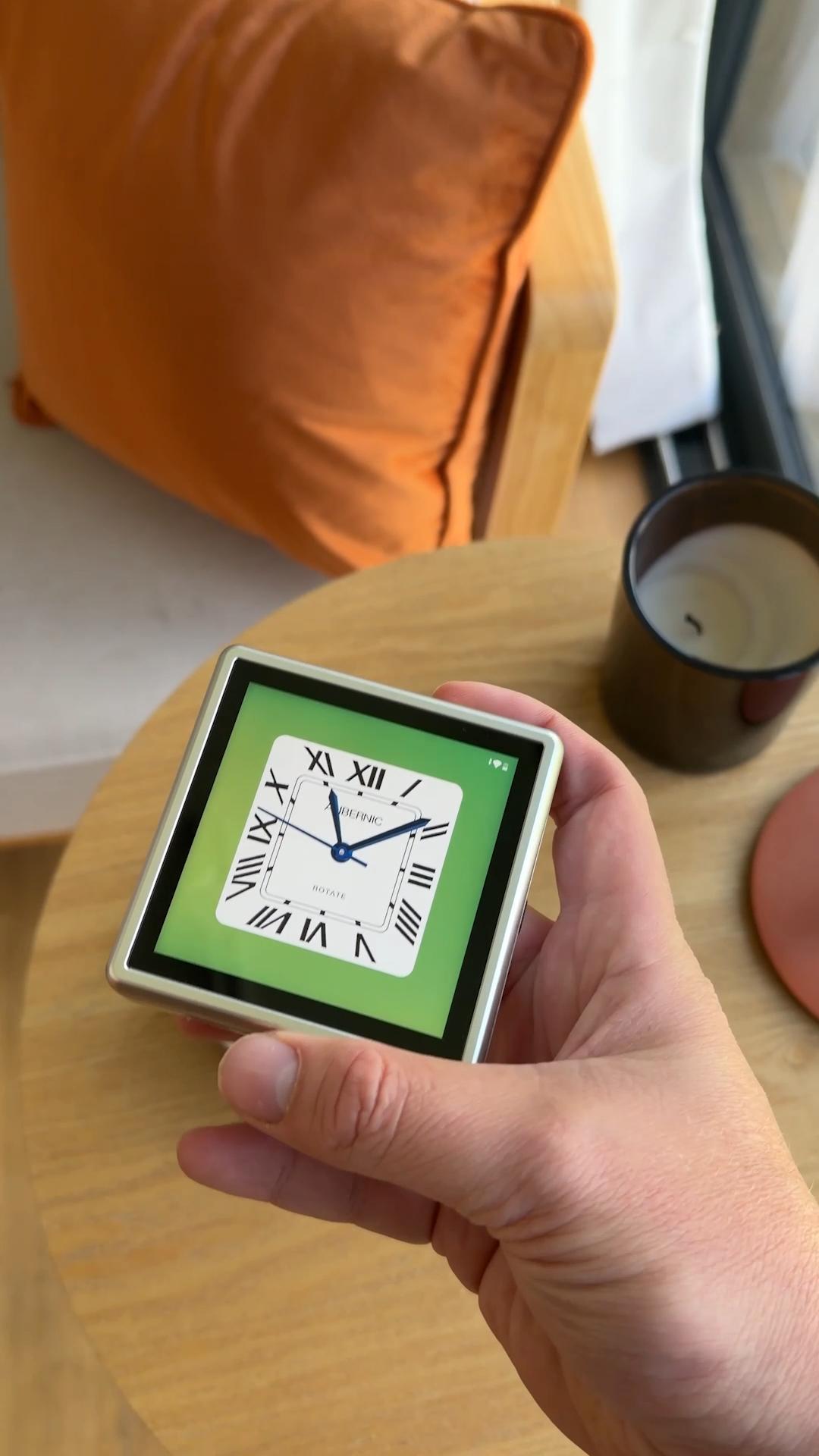
The RG Rotate’s most striking feature is its rotating display mechanism, a design choice that immediately sets it apart. The device boasts a 3.5-inch IPS display with a 720 x 720 resolution, offering a sharp and vibrant visual experience well-suited for the pixel-perfect demands of retro gaming. When closed, the RG Rotate presents a compact form factor, reminiscent of classic handhelds, but its true identity is revealed upon opening. The alloy hinge, a key component of the rotating display, is engineered to provide a satisfyingly firm action, accompanied by a subtle audible click as it locks into place. This mechanism, designed to evoke the tactile experience of 2000s flip phones, is not merely aesthetic; it’s central to the device’s functionality and its claim to uniqueness.
Initial impressions upon unboxing the RG Rotate often center on its size. While some might anticipate a more pocket-friendly, miniature device, ANBERNIC has opted for a form factor closer to that of a Game Boy Advance SP. This decision is directly linked to the inclusion of the 3.5-inch display and a 2000mAh battery. The reviewer notes that while it is not excessively large and remains somewhat pocketable, the display size is a deliberate choice to accommodate the visual demands of more complex games, such as those from the PlayStation 1 era, thereby aiming to broaden its appeal and increase sales potential.
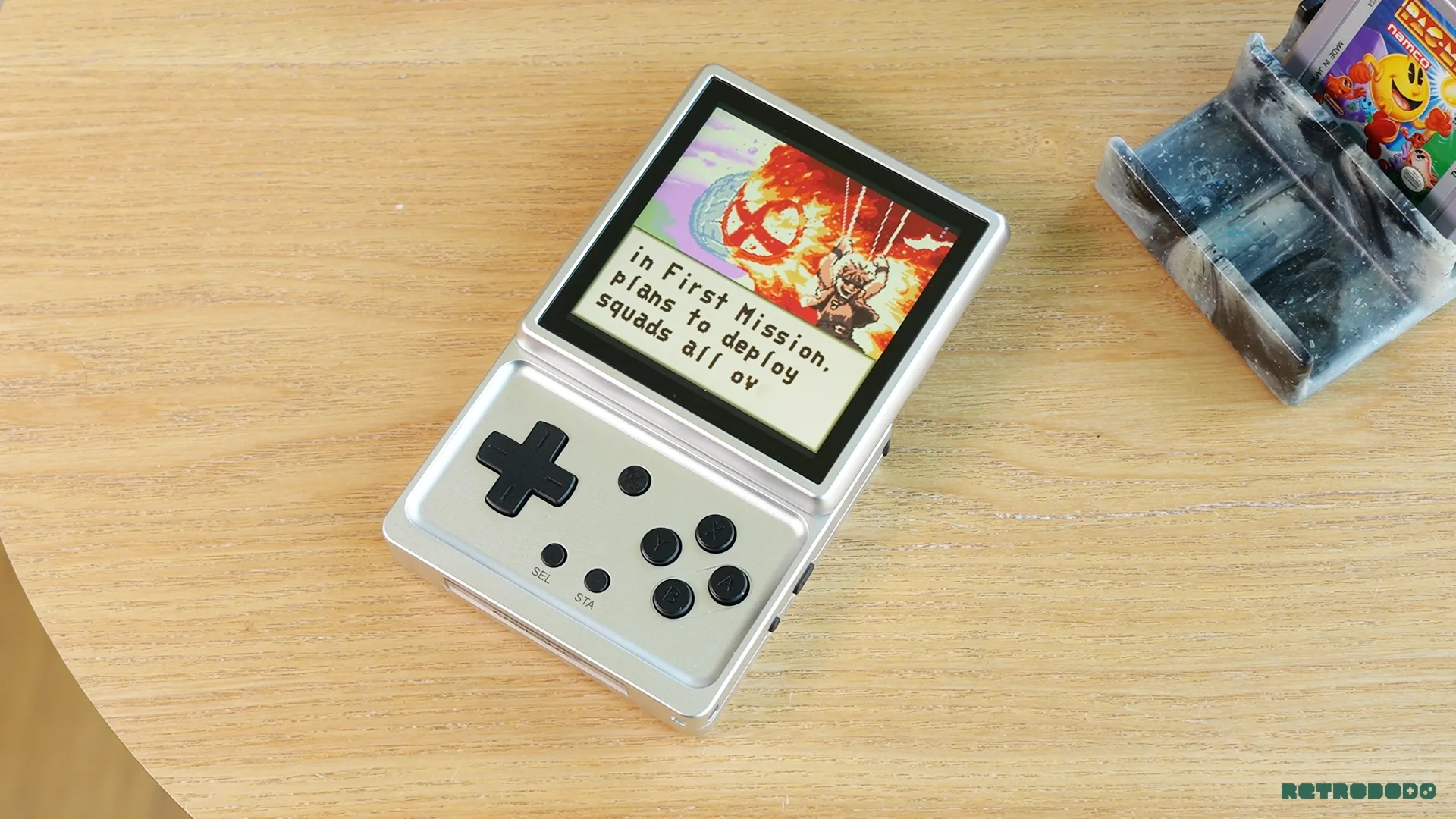
A primary concern for any device featuring a novel mechanical element like a flip-out display is its long-term durability. The RG Rotate’s alloy hinge, while feeling robust, is subjected to rigorous testing. In an effort to simulate prolonged usage, the reviewer conducted a test involving 1,000 open-and-close cycles. Extrapolating this to typical user behavior, where the device might be opened and closed a few times daily, this test duration approximates six months of use. The results of this stress test are crucial in determining whether the hinge mechanism can withstand the rigors of regular use without significant degradation.
The hinge mechanism itself is described as offering a smooth, forceful rotation to the left, with a satisfying ‘schlocking’ sound upon opening and closing. The alloy construction, coupled with slight padding at the ends of the hinge, ensures a secure and well-supported closure. The ability to operate the flip with a single thumb is highlighted as a testament to the hinge’s design, effectively distributing the weight of the display, which is noted as being substantial. The reviewer also points out that the one-handed operation is most feasible with the right hand.
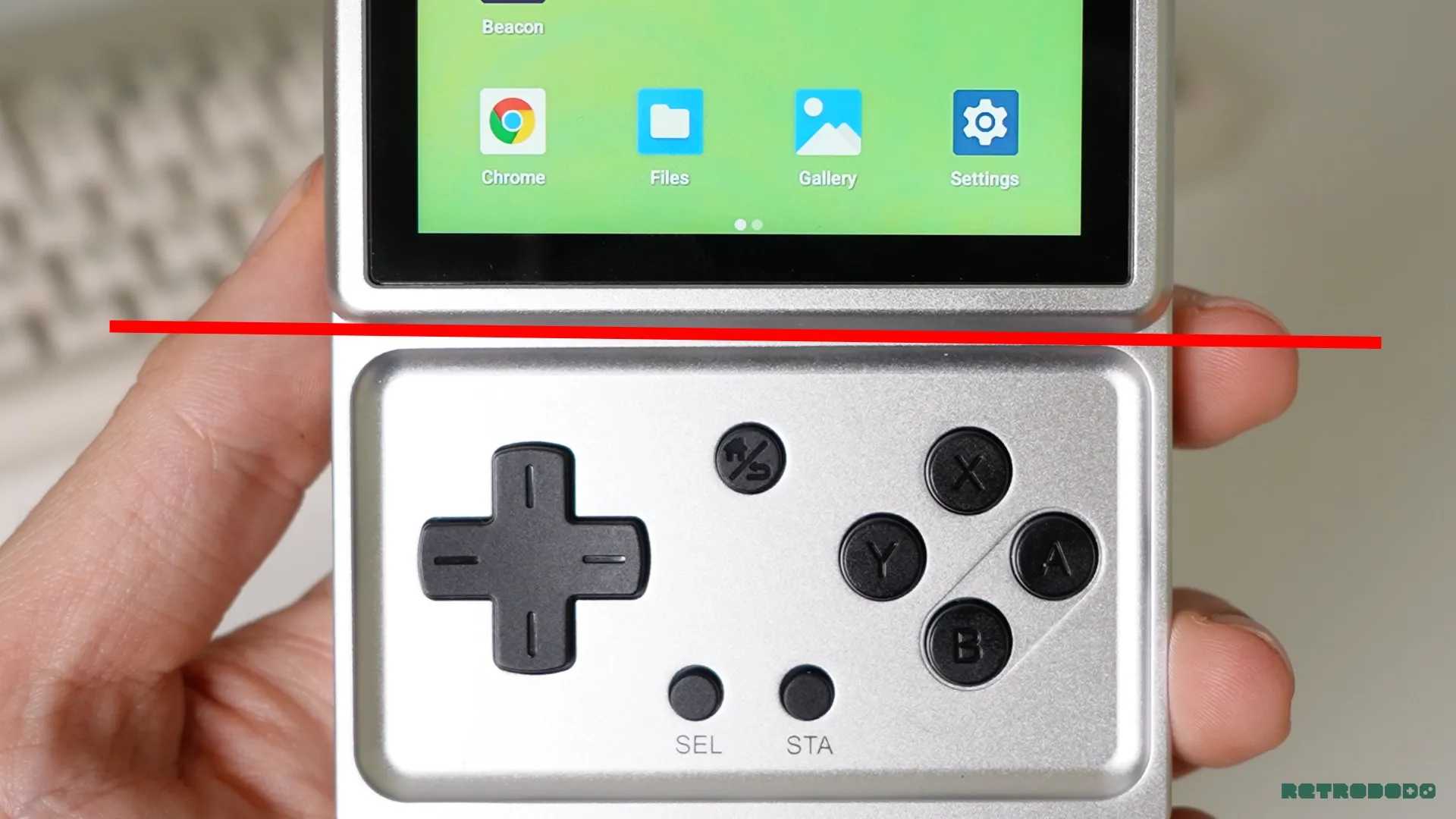
Prior to the durability testing, the screen’s alignment in both open and closed states was meticulously examined. Out of the box, the alignment was found to be near-perfect, with no visible discrepancies. This is a significant detail, as misaligned screens were a common issue with early 2000s flip phones after extended use. The testing revealed that after 1,000 cycles, minimal cosmetic markings appeared on the back of the device, easily removable with a microfiber cloth. More critically, the screen exhibited a slight rise in its resting position when open, resulting in a barely perceptible misalignment. While this does not impact gameplay, it could be a point of concern for users with a keen eye for detail, though a gentle push can rectify the angle. This subtle shift represents the only significant observable change post-testing.
The display’s visual quality is a strong suit. Its brightness, coupled with the 720 x 720 resolution, ensures sharp and clear visuals for retro gaming. Color saturation is described as pleasant. However, navigating the Android 12 operating system on this 1:1 aspect ratio display presents some challenges. The on-screen keyboard, for instance, appears very small, demanding increased user focus. Furthermore, applications not optimized for square displays can appear cramped. The 1:1 aspect ratio is ideal for games designed for that format, such as many Game Boy titles, but it results in noticeable black borders for games with other aspect ratios (e.g., 3:2 or 4:3), which are consequently relegated to being viewed as secondary bonuses rather than primary content. Crucially, the unit tested exhibited no light bleed, a common complaint in previous ANBERNIC handhelds.
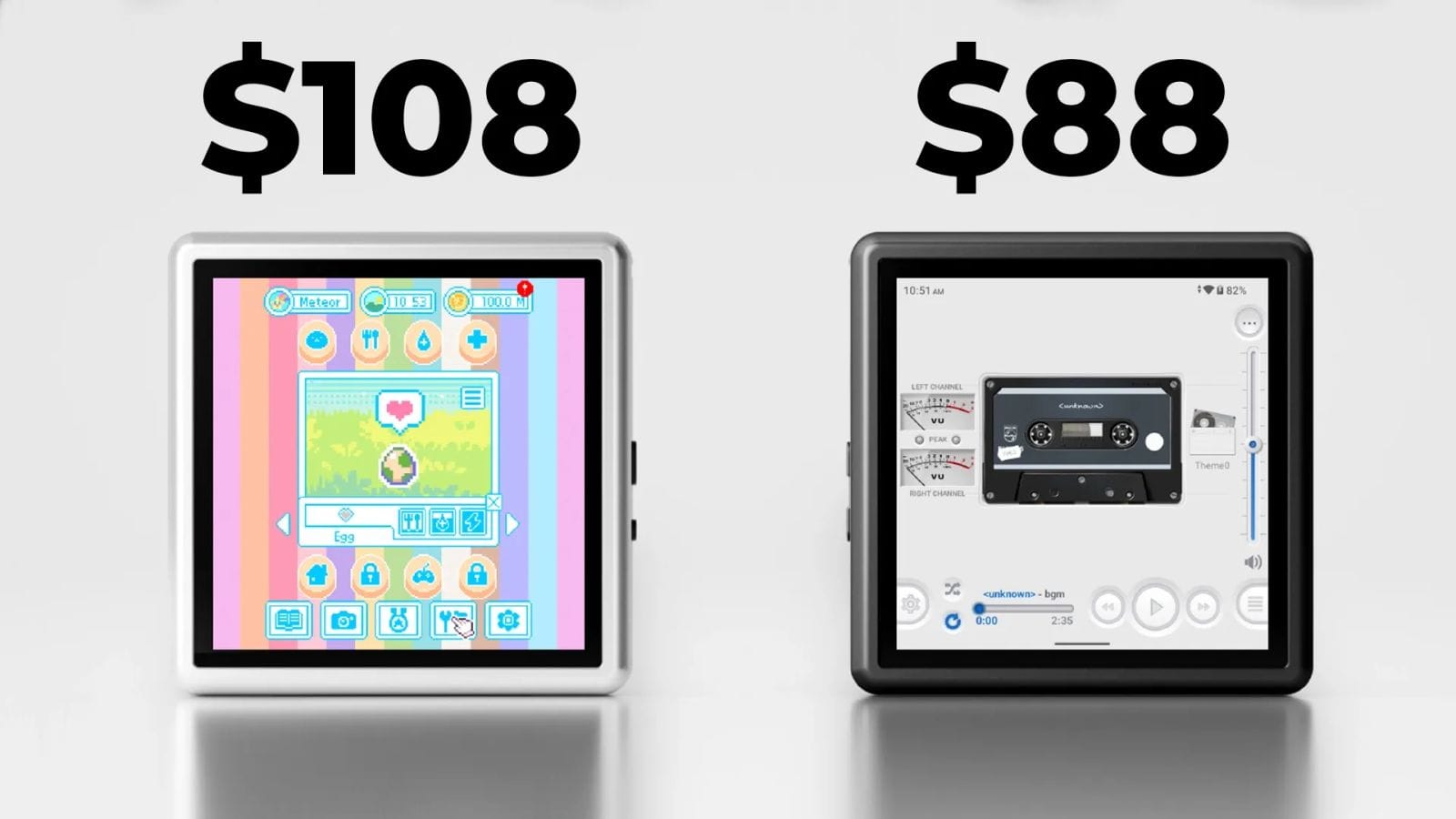
The RG Rotate is available in two chassis variations: a full aluminum construction priced at $108, and an ABS plastic version at $88. The aluminum variant offers a premium feel and added weight, which is appreciated by enthusiasts of metal-bodied handhelds. The plastic version, while lighter, provides a more budget-friendly option. Early bird discounts were available for the initial seven days of release, encouraging prompt purchase.
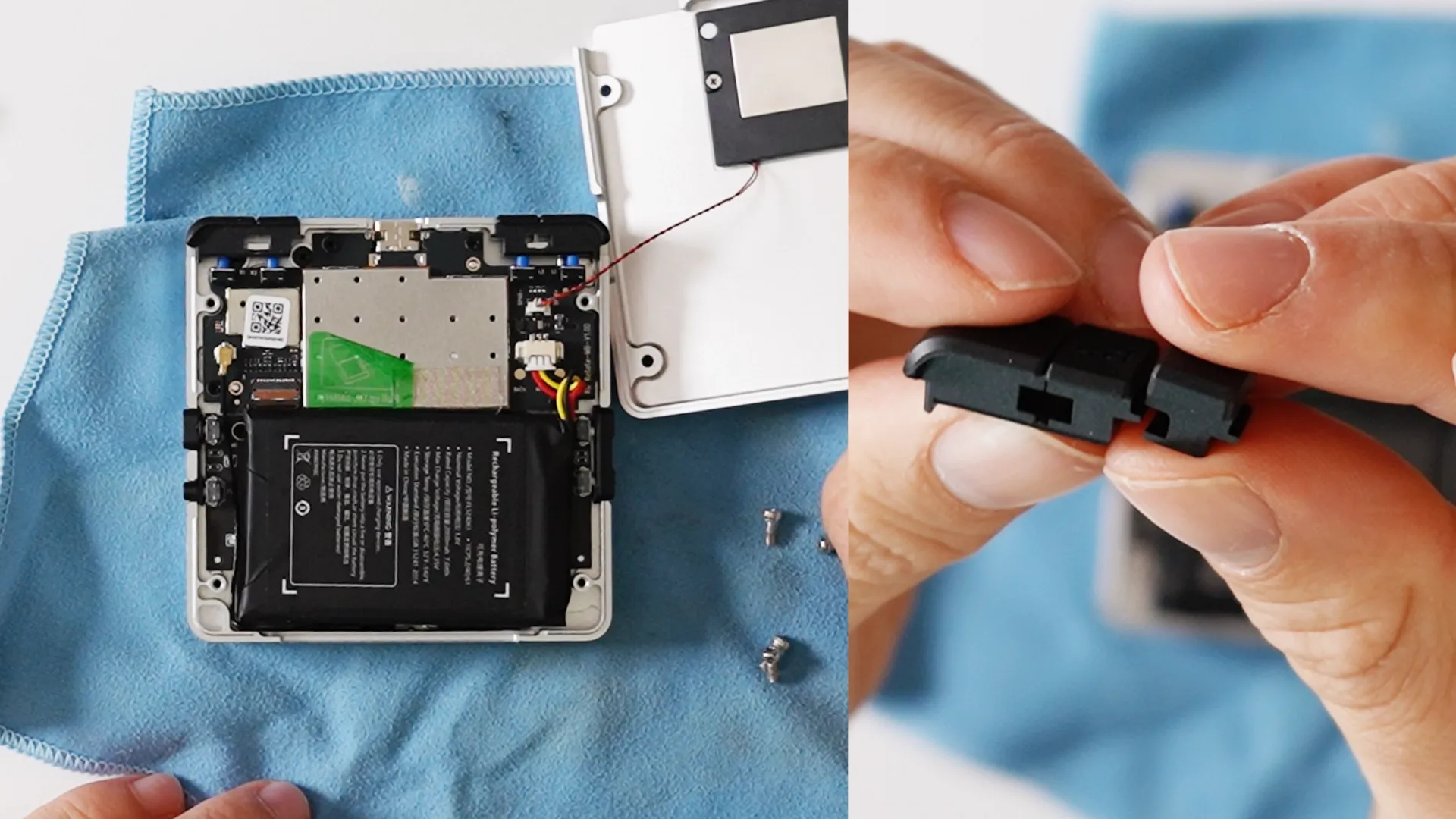
The rear of the device features interchangeable shoulder buttons, a feature the reviewer notes as a positive development for ANBERNIC, adding value and choice for consumers. While the default button heights are considered comfortable, the option to customize them, particularly for R2/L2 buttons, caters to a wider range of player preferences. This modular approach to button customization has been seen in other devices, such as the TRIMUI Brick, suggesting a growing trend in the industry. Swapping these buttons requires removing the backplate and transferring stickers, a process deemed relatively straightforward.
A significant omission on the RG Rotate is the absence of a 3.5mm headphone jack. This is particularly surprising given that ANBERNIC has marketed the device in promotional materials as a multimedia player, and many users rely on wired headphones for their audio experience. The necessity of using a USB-C to 3.5mm adapter is highlighted as a notable drawback. This "signature missing feature," as the reviewer terms it, is a recurring point of criticism in ANBERNIC device reviews.
Once revealed, the integrated gamepad is designed to be slim and recessed within the base of the console, ensuring it does not interfere with the sliding display. This compact design means the gamepad is limited in its button array, notably lacking analog sticks. The available controls include a D-pad, action buttons (with subtle engravings on A and B, a nod to the GBA SP), a home button, and start/select buttons, mirroring the layout of the Game Boy Advance SP. The quality of these buttons is considered good for the price point, described as "bouncy, clicky," and firm. A hidden microphone is also integrated beneath the start/select buttons for voice recording capabilities.
Comfort during extended play sessions is a critical factor. The RG Rotate’s weight distribution, with the battery situated in the base, results in a balanced center of gravity that rests comfortably in the palms, preventing the display from tilting the hands backward. The edges are described as "smooth-ish" for a square design. A minor ergonomic issue arises from the placement of the index fingers, which can inadvertently cover the speaker grille on the back of the device, necessitating occasional repositioning. Gaming sessions of up to approximately four hours are supported by the 2000mAh battery. Beyond this duration, users might find more ergonomically designed handhelds preferable for sustained comfort.
The RG Rotate runs on Android 12, with many essential emulators and applications pre-installed, facilitating a quick setup for retro gaming. The device’s internal specifications are notably similar to those of the ANBERNIC RG405V and RG405M, released in 2023, indicating a capable performance level. These specifications include a chipset powerful enough to emulate systems up to Nintendo 64, PlayStation 1, and a selection of GameCube titles.
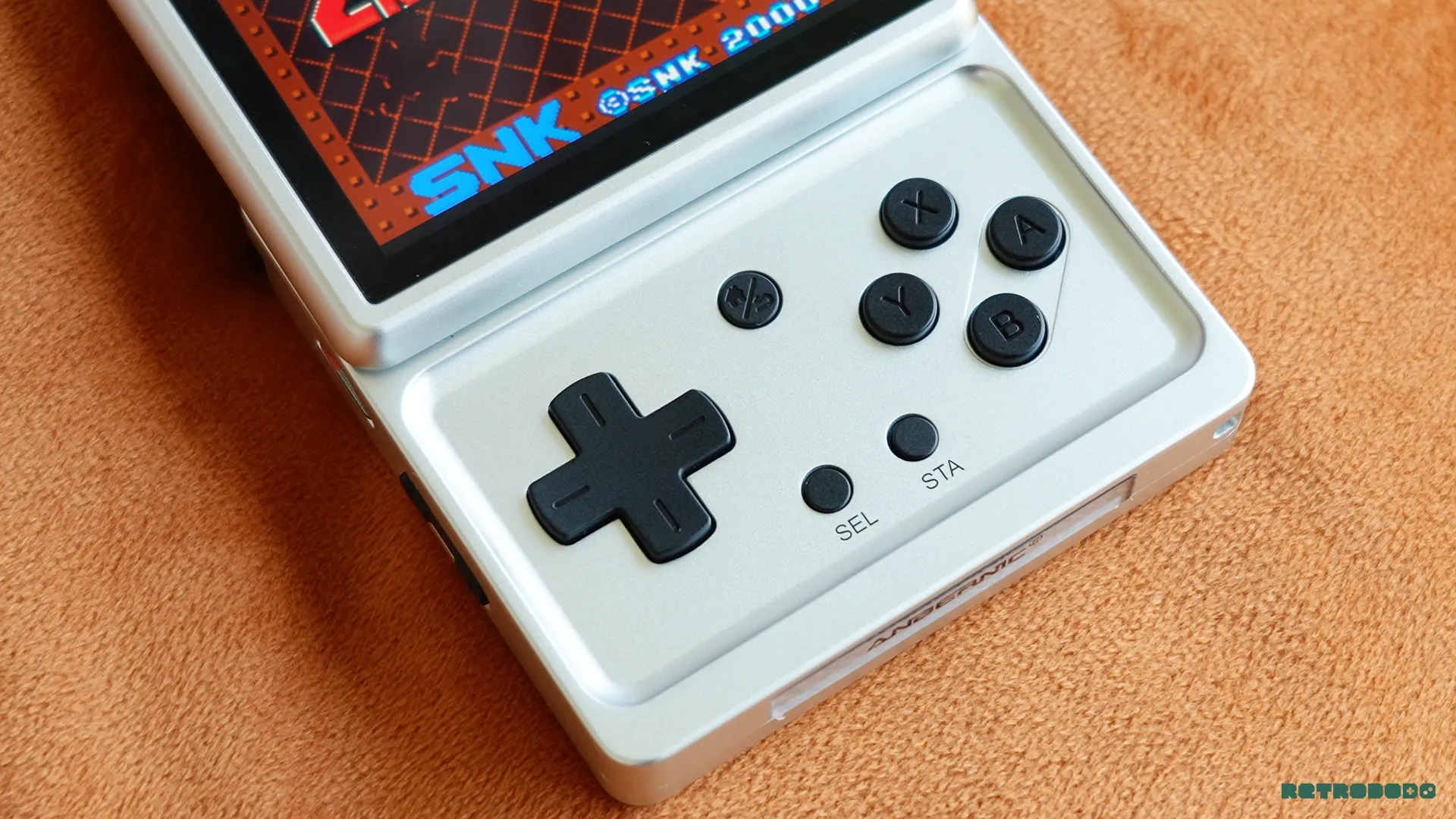
However, the hardware capabilities are somewhat constrained by the physical limitations of the gamepad. The absence of analog sticks and the limited button layout make playing Nintendo 64, PSP, and GameCube games awkward and less enjoyable, despite the chipset’s ability to handle them. This leads to a consideration of whether consumers are paying for processing power that cannot be fully utilized due to control limitations. The reviewer questions whether ANBERNIC could have potentially optimized the hardware for a lower price point by reducing some of the unused processing power.
Consequently, the reviewer found themselves primarily engaging with games from systems like Game Boy, PS1, Game Boy Advance, Game Gear, Mega Drive, Neo Geo, and SNES, where the 1:1 aspect ratio and available controls are most suitable. This limitation is presented as a key consideration for potential buyers, urging them to be aware of the device’s strengths and weaknesses before purchase.
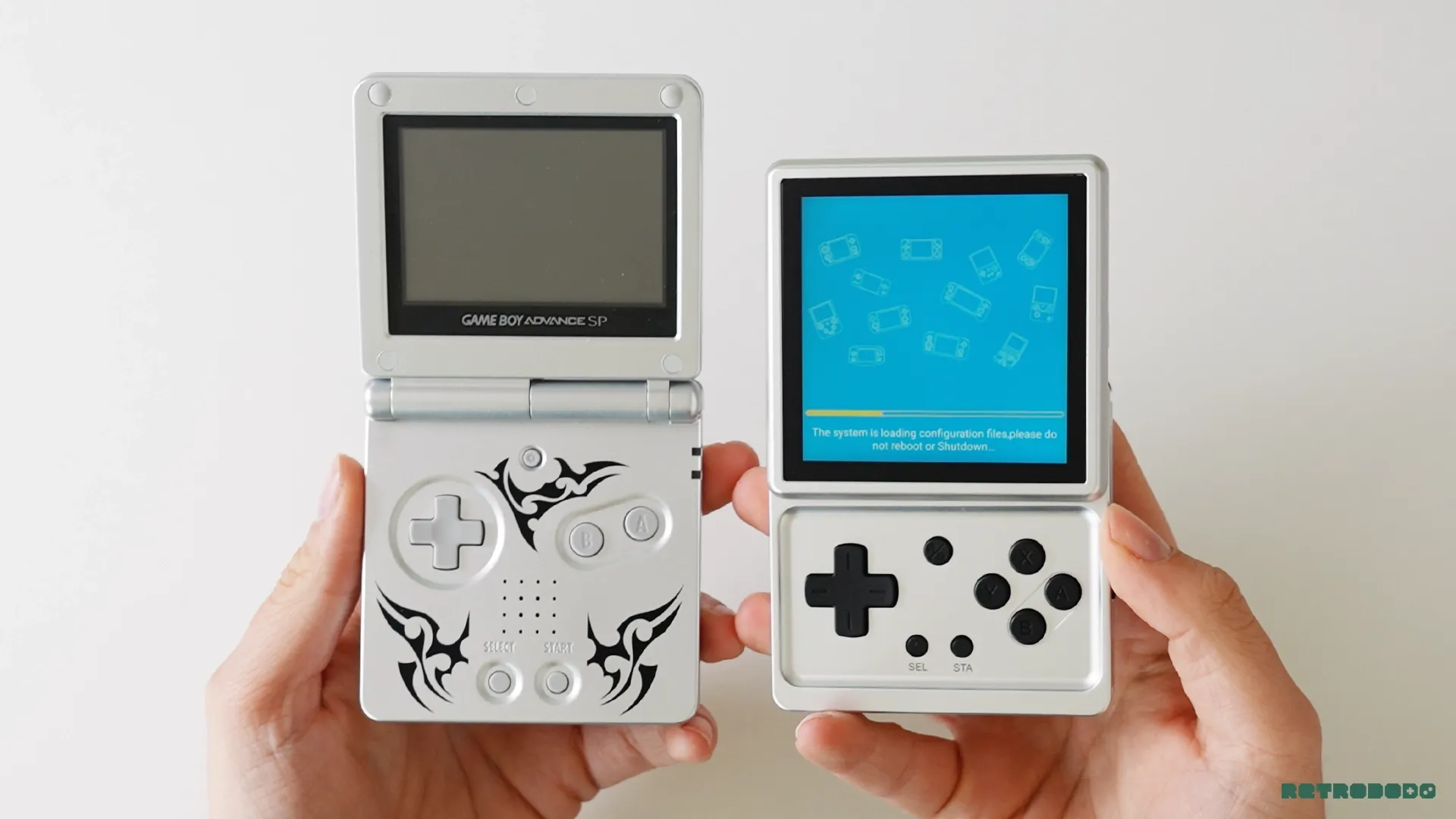
The emulation performance for supported systems is described as flawless. The 720p display and GPU allow for effective upscaling of games, enhancing the visual experience. 1:1 aspect ratio games, in particular, benefit from the screen’s native resolution and form factor, offering an immersive way to play titles like Game Boy games. While other aspect ratio games can be played, the presence of borders is unavoidable and should not be the primary reason for purchasing the device.
The device is also capable of running some Android games and applications, but the 1:1 display and limited controls make this experience less natural. ANBERNIC’s marketing of the RG Rotate as a multimedia device, encompassing music playback, web browsing, and voice recording, is seen as an attempt to broaden its appeal. However, the primary utility for most users is expected to remain retro game emulation, a task the RG Rotate performs admirably with its unique flipping mechanism.
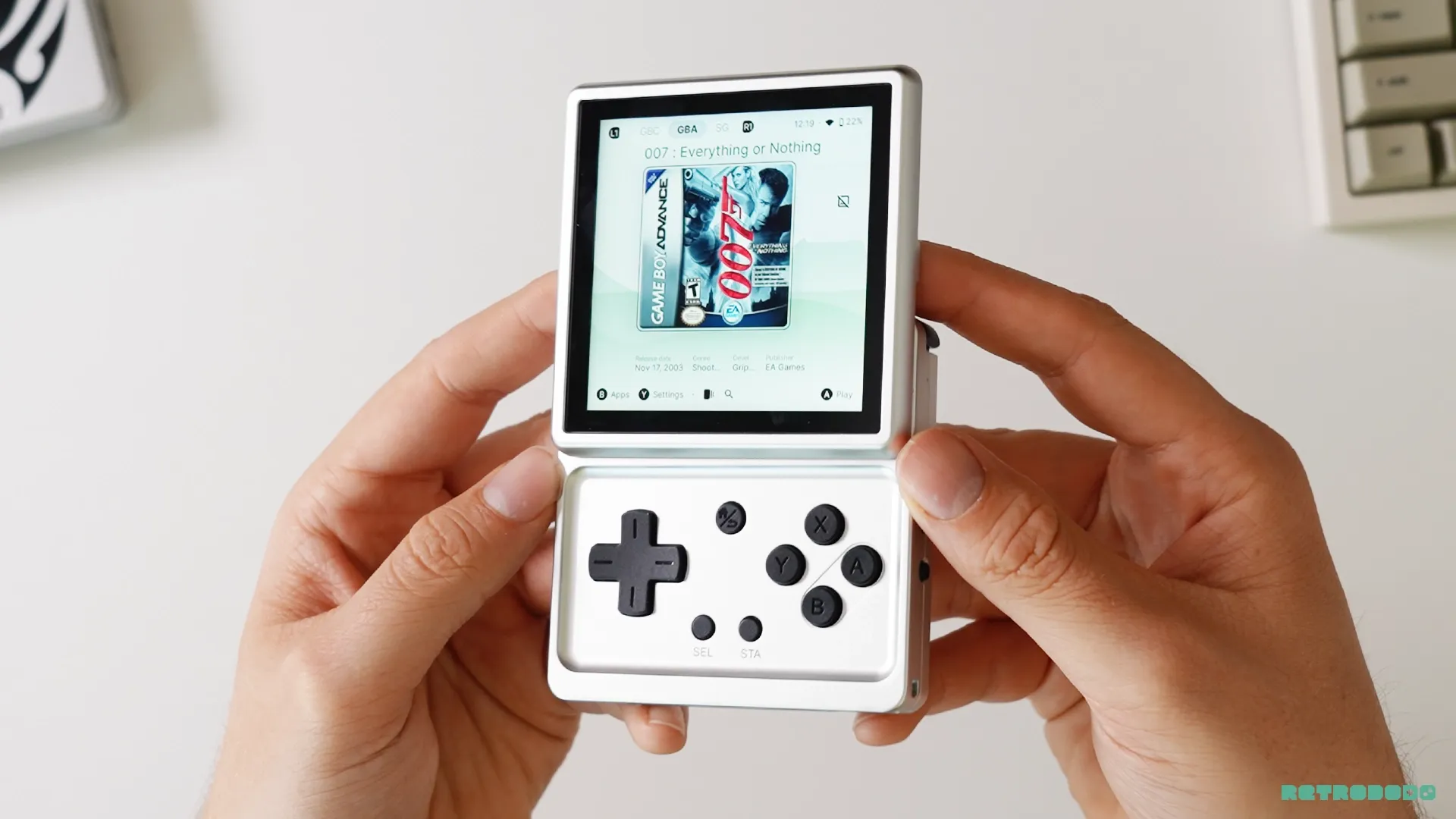
In conclusion, the ANBERNIC RG Rotate represents a significant and commendable risk by ANBERNIC, introducing a novel design element into the competitive retro handheld market. The rotating hinge mechanism is a high-quality implementation, giving confidence in its longevity. The minor screen misalignment after extensive testing, though noticeable to some, is a small compromise for the overall innovation. The device’s emulation capabilities extend up to Nintendo 64, but the control limitations restrict its effectiveness for more complex systems like N64, PSP, and GameCube, making the powerful internal specifications somewhat underutilized for those platforms.
The reviewer suggests exploring third-party frontends for managing applications, as ANBERNIC’s native interface has not seen significant updates and includes pre-loaded AI apps that are considered less useful. Despite these minor criticisms, the RG Rotate is lauded as a fun, semi-powerful, and affordably priced retro handheld with a distinctive twist. Its unique selling proposition makes it a compelling option for consumers seeking something fresh in a market often characterized by similar offerings. At its price point of $88 to $108, the ANBERNIC RG Rotate stands out as a worthwhile exploration for those interested in a novel approach to retro gaming on the go.