Johny Imanuel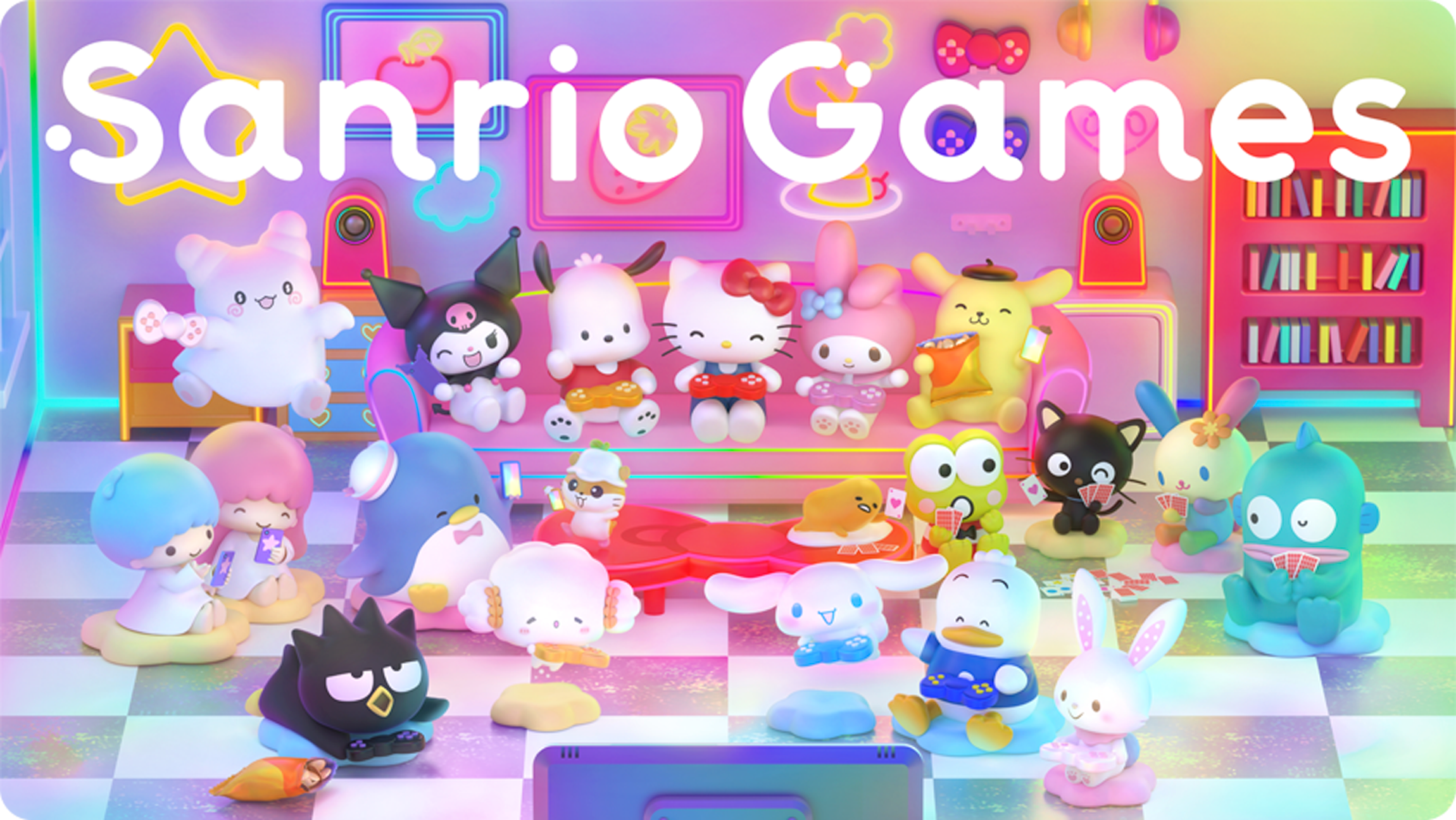
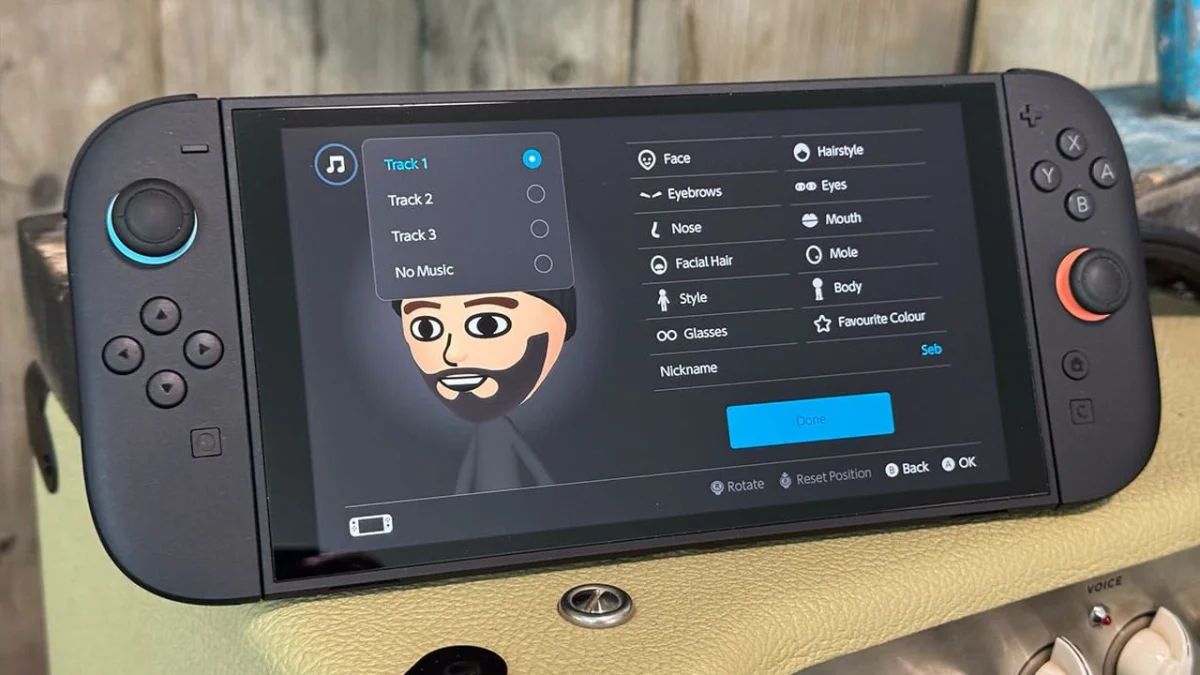
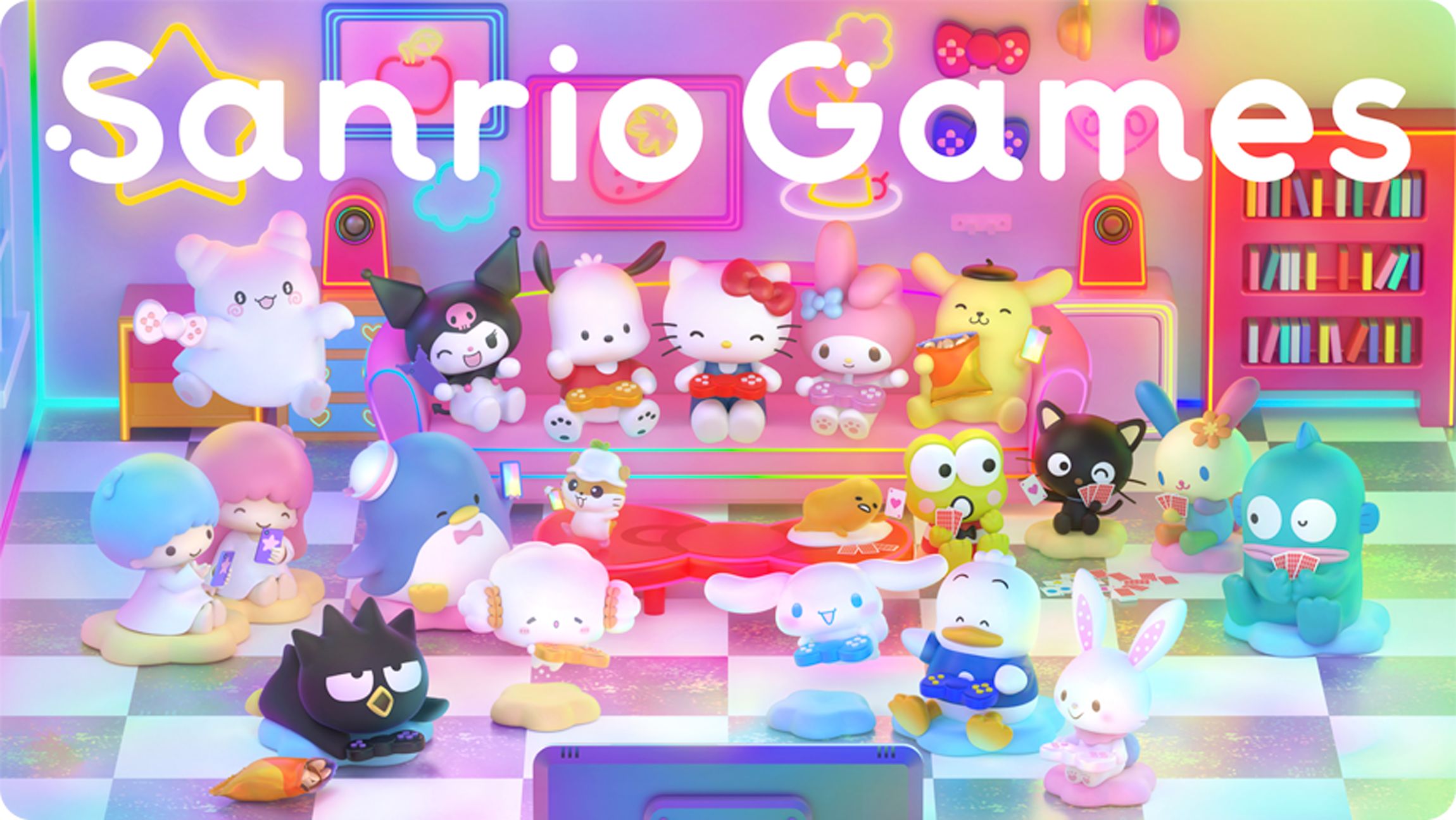
Sanrio, the global lifestyle brand and creator of iconic characters such as Hello Kitty, My Melody, and Kuromi, has officially announced the formation of its own internal video game publishing division, Sanrio Games. In a move that signals a significant shift in the company’s digital strategy, the new arm will transition Sanrio from a brand that primarily licenses its intellectual properties (IP) to third-party developers to one that actively manages and publishes its own interactive content. The division’s debut project, titled Sanrio Party Land, is slated for release in Fall 2026 and will be available on both the current Nintendo Switch hardware and its highly anticipated successor, colloquially referred to as the "Switch 2."
This announcement marks a milestone for the Tokyo-based company, which has spent decades building a massive portfolio of over 450 characters. According to the official Sanrio Games announcement, Sanrio Party Land is the first of ten planned titles that the company intends to publish directly. To support this initiative, Sanrio has launched an official multi-region hub website to provide updates on its development pipeline and offer insight into the creative direction of this new division.
A New Era for Sanrio’s Digital Strategy
For much of its history, Sanrio’s presence in the video game industry has been defined by licensing agreements. Historically, fans have seen Sanrio characters appear in titles developed and published by external partners, such as Sunsoft, SEGA, and Nintendo. While this model allowed for a wide variety of games across different platforms, it often led to a fragmented brand identity within the gaming space. By establishing Sanrio Games, the company aims to exert greater creative control over how its characters are portrayed and how the "kawaii" (cute) culture it pioneered is translated into gameplay mechanics.
The shift toward internal publishing follows a period of revitalized interest in the brand’s digital footprint. Recent successes, such as the Apple Arcade exclusive Hello Kitty Island Adventure, demonstrated a massive appetite for high-quality, "cozy" gaming experiences featuring the Sanrio cast. Sanrio Games appears to be an effort to capitalize on this momentum, ensuring that future titles meet the company’s internal standards while maximizing the commercial potential of its IP across global markets, including Japan, North America, and Europe.
Sanrio Party Land: Gameplay and Expectations
While specific gameplay footage and screenshots for Sanrio Party Land have yet to be released, the company has confirmed that the title will be a multiplayer-focused experience. Industry analysts suggest that the game will likely follow the "party game" blueprint established by franchises like Mario Party or Fall Guys, prioritizing accessible, family-friendly competition.
Given the title "Party Land," the game is expected to feature a diverse roster of Sanrio’s most popular characters. This likely includes the perennial favorite Cinnamoroll—who has consistently topped the annual Sanrio Character Ranking—alongside Hello Kitty, Pompompurin, and the increasingly popular "anti-hero" characters like Kuromi and Badtz-Maru. The multiplayer nature of the game aligns with current industry trends toward social gaming, where players interact in shared virtual spaces to complete minigames or collaborate on tasks.
The Fall 2026 release window places the game in a critical period for the gaming industry. By targeting both the Nintendo Switch and its successor, Sanrio is employing a "cross-gen" strategy. This ensures the game reaches the massive established install base of the original Switch (which has sold over 140 million units) while also appealing to early adopters of the next-generation hardware. This approach minimizes the financial risk associated with moving to a new console while maximizing the brand’s visibility during the holiday shopping season.
Chronology of Sanrio’s Interactive History
To understand the weight of the Sanrio Games announcement, one must look at the evolution of the brand’s relationship with the medium:
- The 1980s and 1990s: Sanrio entered the gaming market early with titles like Hello Kitty no Hanabatake on the Famicom. These were largely simple educational or platforming games intended for young children.
- The 2000s: The brand expanded into the handheld market with various titles for the Game Boy Advance and Nintendo DS. During this era, Sanrio experimented with different genres, including racing (Hello Kitty Daily) and rhythm games.
- The Mobile Revolution (2010s): Sanrio found significant success on iOS and Android. Titles like Hello Kitty World and various collaborations with puzzle games like Puzzle & Dragons expanded the brand’s reach to a more casual, adult demographic.
- The 2020s Pivot: The release of Hello Kitty Island Adventure in 2023 marked a turning point. Developed by Sunblink, the game was praised for its depth and similarities to Animal Crossing, proving that Sanrio IP could support a robust, modern gaming experience.
- 2024 and Beyond: The announcement of Sanrio Games and Sanrio Party Land represents the final stage of this evolution—the move to self-sufficiency as a publisher.
Supporting Data: The Power of Sanrio IP
Sanrio’s decision to publish ten games internally is backed by formidable market data. Hello Kitty remains one of the highest-grossing media franchises in history, with total lifetime revenue estimated to exceed $80 billion, rivaling franchises like Pokémon and Mickey Mouse.
Furthermore, the "cozy gaming" subgenre—characterized by low-stress gameplay, social interaction, and aesthetic appeal—has seen exponential growth since 2020. Titles like Animal Crossing: New Horizons and Stardew Valley have created a market of millions of players who specifically seek out the kind of wholesome content Sanrio is uniquely positioned to provide. By controlling the publishing process, Sanrio can ensure that its games are integrated into its broader ecosystem of physical merchandise and theme park attractions, such as Sanrio Puroland in Tokyo.
The geographical focus of the new division is also telling. By launching the official website in multiple languages and targeting the Nintendo Switch—a platform with global ubiquity—Sanrio is clearly looking beyond its domestic Japanese market. The company has seen a surge in popularity in North America and Europe among Gen Z and Gen Alpha consumers, driven largely by viral social media trends and high-profile fashion collaborations.
Official Context and Industry Reactions
While official statements from Nintendo regarding Sanrio Party Land have not been released, the inclusion of the "Switch 2" in Sanrio’s announcement provides further confirmation of the industry’s transition toward new hardware. Third-party developers and publishers are increasingly mentioning the successor console in their long-term roadmaps, suggesting that development kits have been in circulation for some time.
Sanrio’s internal team has stated that the goal of Sanrio Games is to "create high-quality digital experiences that bring the spirit of ‘One World, Connecting Smiles’ to players everywhere." This philosophy suggests that while the games will be competitive in nature, they will maintain the non-violent, inclusive atmosphere that is central to the Sanrio brand identity.
Industry observers note that Sanrio’s move mirrors that of other media giants, such as Disney and Warner Bros., who have fluctuated between licensing their IP and publishing games internally. The success of this venture will depend on Sanrio’s ability to recruit experienced game development talent and manage the complexities of global distribution and live-service maintenance.
Broader Impact and Future Implications
The launch of Sanrio Games could have a ripple effect across the "kawaii" gaming landscape. If Sanrio Party Land proves successful, it may encourage other character-based brands to pursue independent publishing. Furthermore, the commitment to ten titles suggests that Sanrio is looking at a variety of genres. Beyond party games, the community is speculating on the possibility of Sanrio-themed RPGs, life simulators, or even fitness games, utilizing the diverse personalities of characters like Gudetama or Aggretsuko.
The Fall 2026 release of Sanrio Party Land will serve as a litmus test for the company’s new direction. By bridging the gap between two console generations, Sanrio is positioning itself to be a mainstay of the Nintendo ecosystem for years to come. For fans, this move promises a more consistent and frequent stream of content featuring their favorite characters, developed with the direct oversight of the creators who know them best.
As the industry moves closer to 2026, more details regarding the specific minigames, character rosters, and technical features of Sanrio Party Land are expected to emerge. For now, the announcement serves as a bold declaration of intent from one of the world’s most enduring lifestyle brands: Sanrio is no longer just a guest in the world of video games; it is now a primary architect of its own digital future.