Johny Imanuel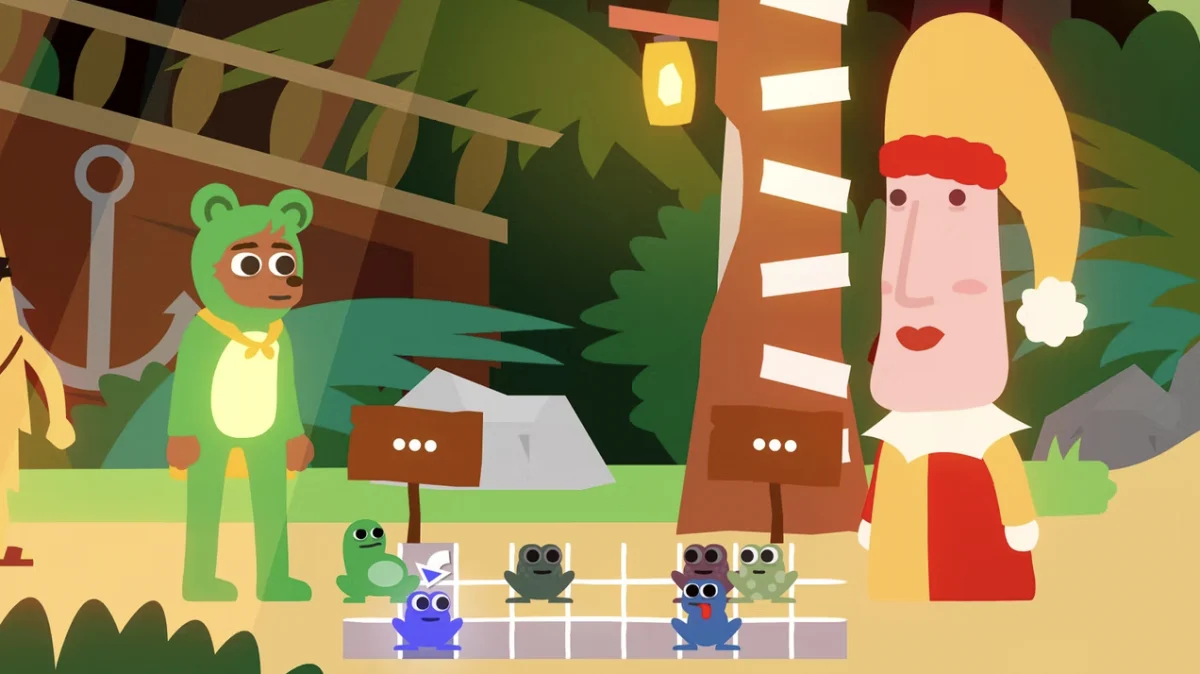
Narrative Overview and Character Progression
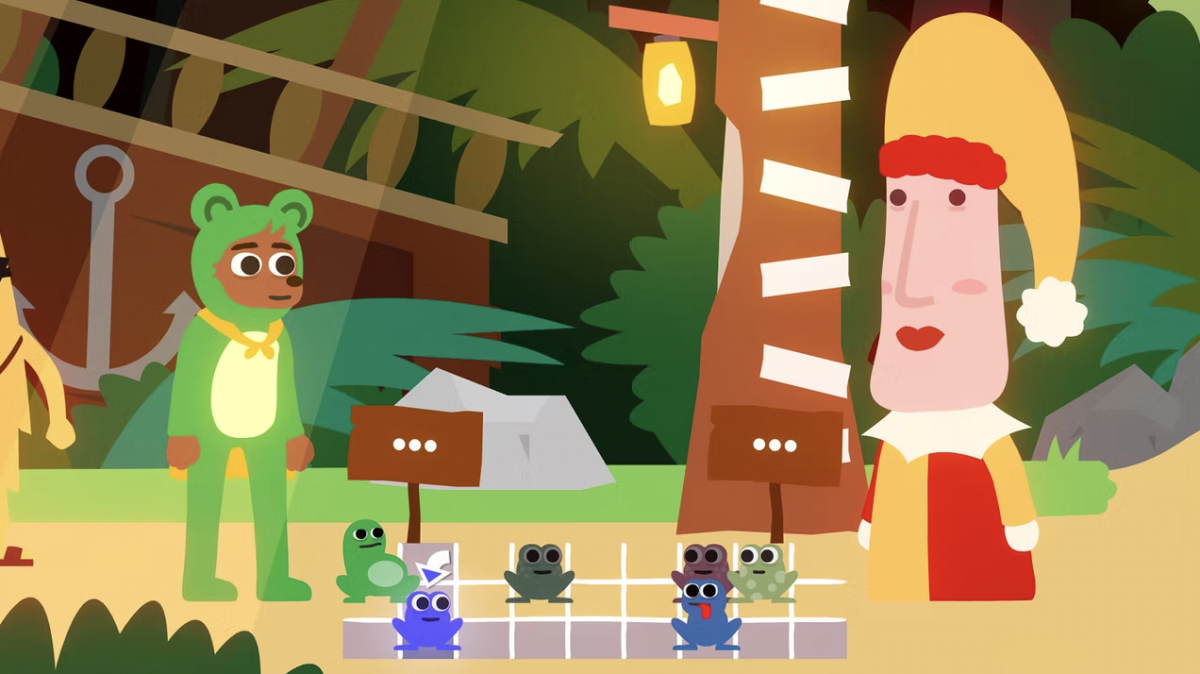
The story of Bonnie Bear Saves Frogtime begins in the aftermath of a difficult period for the protagonist. Bonnie Bear, having endured a challenging year, initially lacks the motivation to celebrate her own birthday. This setup provides an immediate emotional anchor for the player, establishing a theme of mental health and social anxiety that permeates the narrative. The plot is set in motion when Bonnie’s friends organize a surprise celebration, gifting her a cape and a "Toad Bag"—the essential tool for participating in the local pastime known as Frogtime.
The initial celebratory atmosphere is quickly disrupted by the arrival of Rik Spek, a recurring antagonist who embodies the role of a local bully. Spek’s intervention involves the theft of a mysterious shell, an artifact gifted to Bonnie by an unknown individual. This incident serves as the primary catalyst for the game’s progression, escalating from a personal grievance to a high-stakes rescue mission when a character named Ann is revealed to be held captive within the shell. As the narrative unfolds, the scope of the conflict expands from local social dynamics to the potential jeopardy of "frogkind" itself.
What distinguishes the narrative structure is the parallel growth of the protagonist’s self-esteem and her tactical proficiency. As Bonnie wins Frogtime matches, her internal monologue and interactions with the supporting cast reflect a burgeoning sense of agency. This character development is not limited to Bonnie alone; the supporting cast experiences similar arcs, creating a world that feels reactive to the player’s progress. The pacing ensures that players are introduced to low-stakes challenges, such as initial skirmishes with Rik Spek, before being moved toward more complex encounters with advanced opponents like Botte.
The Mechanics of Frogtime: Strategic Depth and Deck-Building
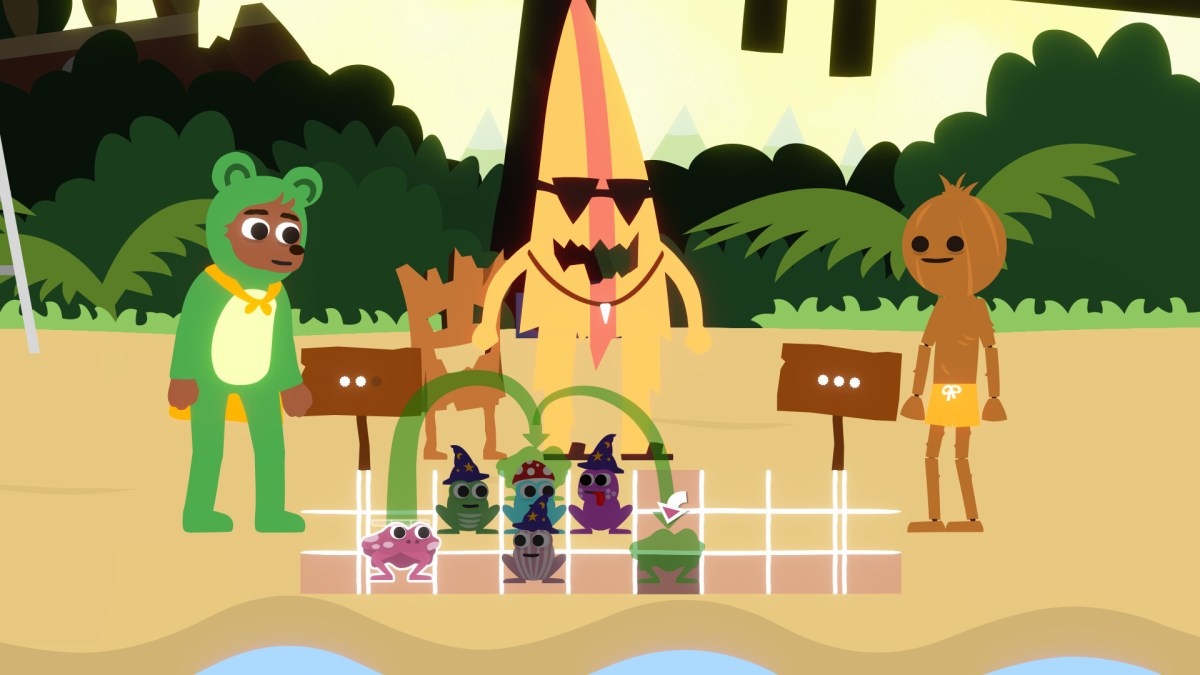
At the core of the gameplay experience is Frogtime, a turn-based strategy game that utilizes a 9×3 grid. While the developers and critics have drawn comparisons to the classic game of Checkers, the inclusion of deck-building elements and unique unit abilities adds layers of complexity that require significant foresight.
In a standard Frogtime match, players must manage their Toad Bag, which functions as a deck with a strict capacity of eight frogs. During active play, the field must maintain a balance of six frogs at all times, with three belonging to each participant. The primary objective is to navigate units into the opponent’s "endzone" to deal direct damage to their life total. This objective-based combat forces players to weigh the benefits of aggressive movement against the necessity of defensive positioning.
The diversity of the "frog" units is the primary driver of the game’s strategic variety. Each unit possesses specific movement patterns and damage outputs:
- The Charger: This unit emphasizes momentum. After moving twice to "charge up," it can dash forward two additional spaces, dealing significant damage.
- The Hopper: Designed for mobility and disruption, the Hopper can leap over other units. It deals a base damage of two, but this can escalate to five if the player successfully executes a double jump, mirroring the "crowning" or "jumping" mechanics of traditional board games.
- The Rider: These are specialized units, such as the Dino Sir—a frog mounted on a brontosaurus-style dinosaur. Riders often possess synergistic traits; for instance, a Dino Sir may deal bonus damage if other Rider-class units are present on the field, encouraging players to build decks around specific archetypes.
This synergy-focused gameplay requires players to think critically about unit composition. The limited space of the 9×3 grid means that every move carries significant weight, and a single miscalculation can lead to a chain reaction where an opponent’s Hopper clears the board.
Audio-Visual Identity and the Bonte Avond Signature
As is characteristic of Bonte Avond’s portfolio, the soundtrack of Bonnie Bear Saves Frogtime is integrated into the core identity of the game. The studio, known for its musical background, utilizes original compositions to underscore the emotional beats of the story. The soundtrack ranges from humorous, character-driven pieces like "Rik Spek (Look at My Six Pack)" to more introspective, melodic tracks such as "Bonnie’s Theme."
The music serves a dual purpose: it acts as a reward for progression and as a tool for storytelling. The lyrics in several tracks are described as poignant, touching on the game’s themes of resilience and friendship. This focus on "earworm" melodies ensures that the repetitive nature of strategy matches remains engaging, as the auditory environment shifts to match the tension or whimsy of the current scene.
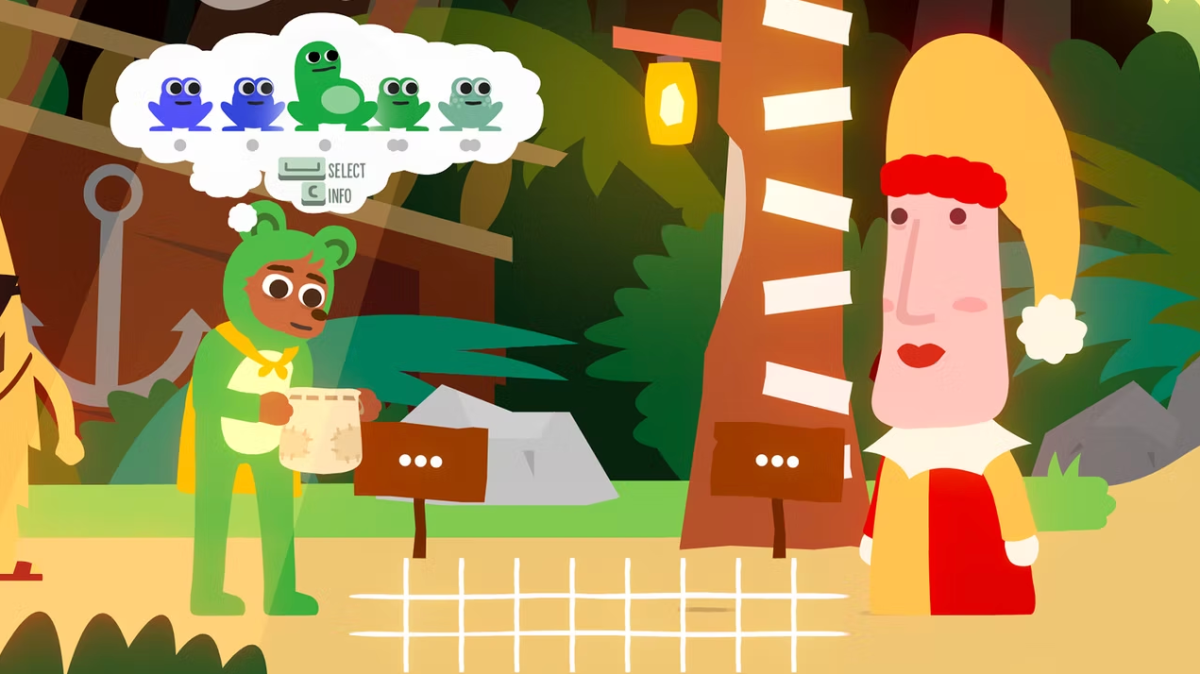
Visually, the game employs a charming, hand-drawn art style that belies the complexity of its underlying systems. This aesthetic choice aligns with the "cozy" gaming trend, making the experience accessible to a wide demographic while providing a stark contrast to the often high-pressure environments found in competitive strategy games.
Chronology of Development and Release
Bonte Avond has established a consistent release cadence, building a niche for itself within the indie scene. The development of Bonnie Bear Saves Frogtime followed the success of their previous titles, which were praised for their humor and heart.
- Pre-Release: The studio focused on creating a game that could provide a "good headspace" for players, responding to a growing market demand for games that address emotional well-being without sacrificing gameplay depth.
- Launch: The game was launched simultaneously on PC and Nintendo Switch, targeting the two most prominent platforms for independent strategy titles.
- Post-Launch Reception: Initial data suggests a positive reception toward the game’s pacing. The gradual introduction of legendary-tier frogs and more competent AI opponents has been noted as a key factor in player retention.
Broader Implications and Industry Analysis
The release of Bonnie Bear Saves Frogtime highlights several ongoing trends within the video game industry. First is the "democratization" of strategy games. By masking complex tactical systems behind a "cozy" and approachable exterior, developers are able to reach audiences that might otherwise be intimidated by traditional 4X or hardcore tactical RPGs.
Furthermore, the game’s emphasis on mental health and self-worth reflects a broader shift in narrative priorities within indie development. Rather than focusing solely on external conquests, modern indie titles increasingly explore internal landscapes. Bonnie Bear’s journey is as much about overcoming her "rough year" as it is about defeating Rik Spek on the Frogtime grid.
From a technical standpoint, the game’s success on the Nintendo Switch underscores the platform’s continued dominance as a home for independent developers. The turn-based nature of Frogtime makes it ideal for the Switch’s handheld mode, allowing for short, portable play sessions that fit into a "few hours every day" routine.
Conclusion
Bonnie Bear Saves Frogtime stands as a testament to the versatility of the indie strategy genre. By combining the mechanical satisfaction of a deck-builder with the emotional resonance of a well-crafted character study, Bonte Avond has produced a title that is both intellectually stimulating and emotionally rewarding. The game’s ability to transition from a simple birthday party to a high-stakes mission to save "frogkind" showcases a sophisticated understanding of narrative escalation. With its replayable strategic elements, memorable soundtrack, and heart-centered storytelling, the game reinforces the idea that strategic depth and emotional warmth are not mutually exclusive, but rather complementary forces that can create a truly compelling gaming experience.