Hartono Sudibyo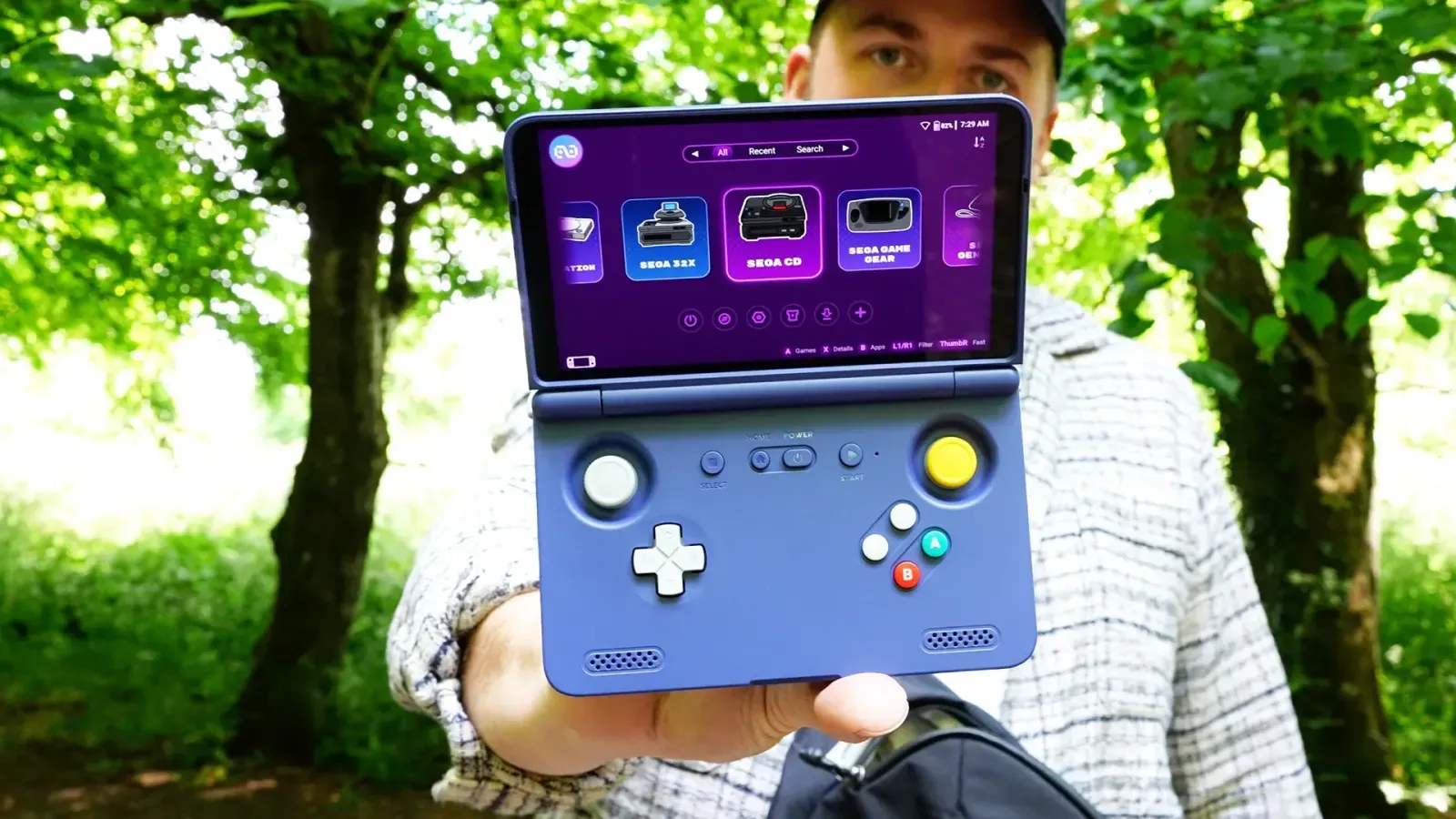
The landscape of portable retro gaming is undergoing a significant structural transition as manufacturers continually recalibrate their hardware portfolios to meet shifting consumer demands and technological advancements. Retroid, a prominent name in the emulator handheld community, has announced a sweeping clearance sale across several of its older device lines. This strategic commercial move coincides directly with the official opening of pre-orders for the Retroid Pocket Duo, the company’s inaugural dual-screen retro handheld device. By offering steep price reductions on legacy hardware and explicitly notifying consumers that these units will not be restocked once current inventory is exhausted, Retroid is signaling a definitive end of an era for some of its most popular legacy platforms.
This market maneuver has immediate implications for enthusiasts, collectors, and casual gamers alike. While the sudden discounts present a cost-effective opportunity to acquire well-regarded hardware, they also highlight the rapid lifecycle turnover inherent to the modern retro gaming handheld industry. As companies pivot toward more advanced chipsets, novel form factors, and higher-margin flagship products, older devices are systematically phased out to clear supply chain channels and streamline manufacturing operations.
Background Context and Market Evolution
To understand the weight of Retroid’s current inventory clearance, one must examine the rapid maturation of the retro handheld market over the past half-decade. Historically, portable emulation devices were largely divided into two categories: low-cost, open-source Linux handhelds capable of playing classic titles up to the PlayStation 1 era, and high-end Android-powered devices designed to tackle more demanding sixth-generation consoles like the PlayStation 2 and GameCube.
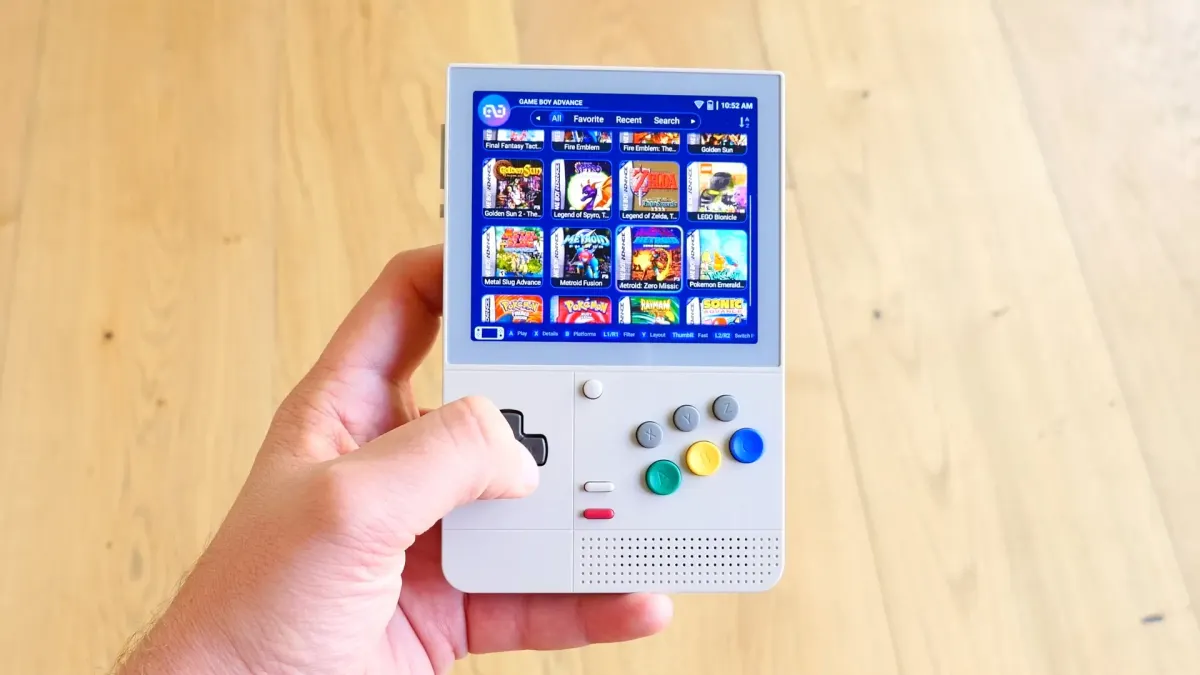
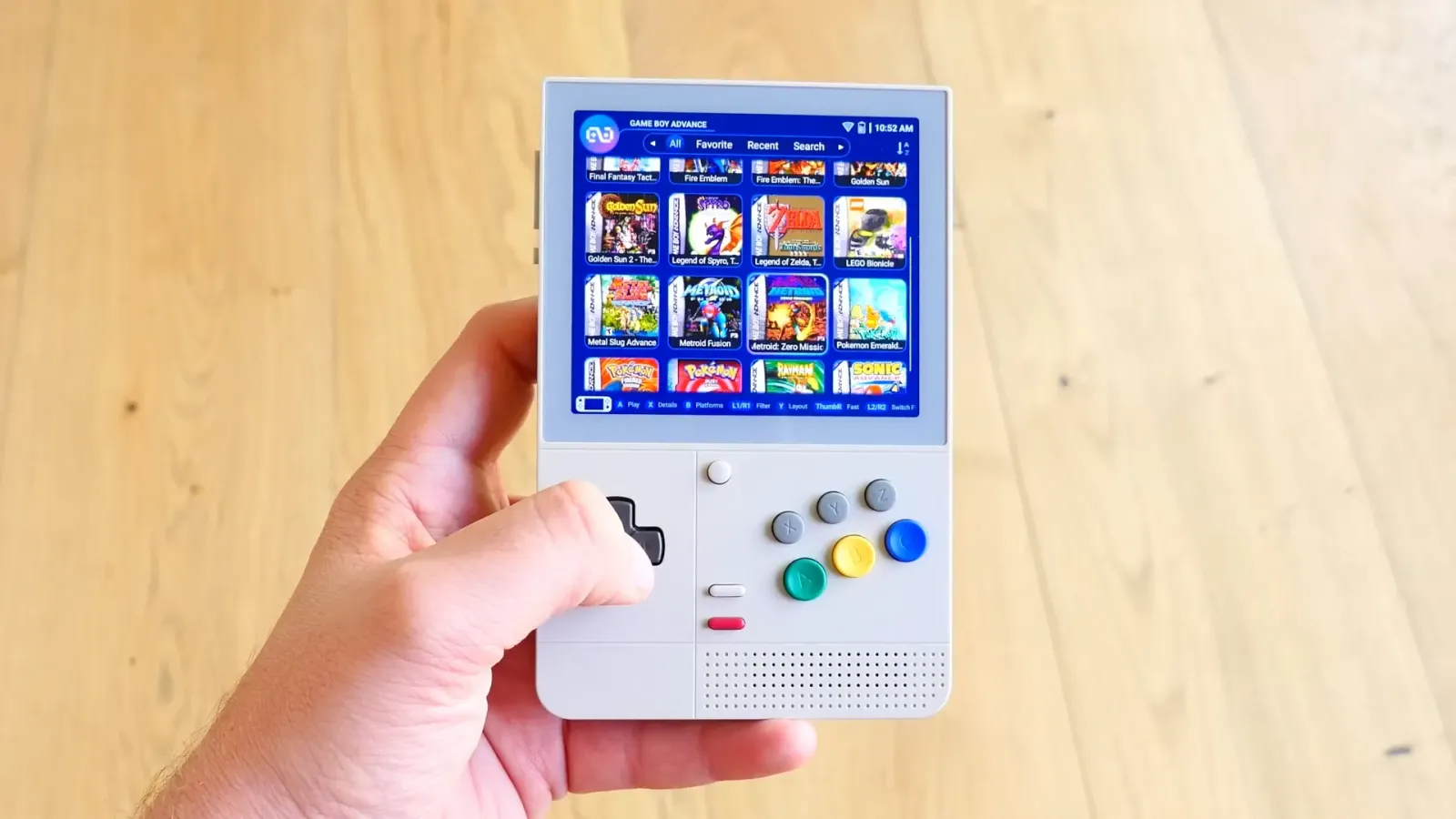
Retroid carved out a dominant market share by consistently bridging this gap, offering premium build quality, ergonomic designs, and competitive pricing across successive hardware iterations. Devices such as the Retroid Pocket 2S, Retroid Pocket 3+, and the uniquely formatted Pocket Classic captured the imagination of the retro gaming community by delivering reliable performance, active software support, and sleek aesthetics.
However, the rapid pace of mobile chipset development and intense competition from rival manufacturers such as Anbernic, Ayn, and Powkiddy have compressed product lifecycles. Devices that were considered state-of-the-art flagship offerings a mere two or three years ago are now being superseded by more powerful, efficient hardware capable of higher-resolution upscaling and more complex emulation tasks. Retroid’s decision to sunset these legacy models is a calculated business response to this hyper-competitive environment, ensuring that manufacturing resources are conserved for next-generation architectures.
The Retroid Pocket Duo and the Dual-Screen Frontier
The catalyst for this inventory purge is the official debut of the Retroid Pocket Duo. Representing a major design departure for the company, the Pocket Duo introduces a dual-screen clamshell and horizontal hybrid layout specifically tailored to emulate systems that utilized dual displays natively, most notably the Nintendo DS and Nintendo 3DS families.
For years, emulation enthusiasts looking for authentic dual-screen portable experiences had to rely on aging original hardware, modified smartphone setups, or secondary devices configured with touch-screen overlays. The introduction of dedicated dual-screen Android handhelds by manufacturers like Retroid marks a major milestone in portable emulation technology. By building a device with native physical hardware symmetry for dual-screen titles, Retroid is opening up a largely underserved niche within the broader retro gaming ecosystem.
The engineering and logistical challenges of bringing a dual-screen device to market are substantial, requiring specialized display sourcing, optimized software mapping, and distinct thermal management considerations. By opening pre-orders for the Pocket Duo, Retroid is signaling to its consumer base that the company’s primary research and development focus has officially shifted. Consequently, maintaining legacy single-screen models that overlap with upcoming product tiers no longer aligns with the brand’s long-term commercial strategy.
Chronology of the Discontinuation and Pricing Strategy
The phasing out of Retroid’s older hardware portfolio has followed a methodical corporate timeline over the preceding months. Industry observers first noted subtle supply shortages of specific legacy colorways earlier in the quarter, typical indicators of a slowing production pipeline.

By mid-September, the manufacturer formalized its commercial strategy by officially launching deep price cuts across its remaining stock of older handhelds. Accompanying these promotions were direct manufacturer communications stating that these devices would not be restocked once current supplies are depleted. This explicit "end-of-life" notification serves a dual purpose: it creates a sense of urgency among hesitant buyers to accelerate inventory turnover, and it establishes transparent expectations regarding future customer support and hardware iterations.
Below is an overview of the transitional timeline governing Retroid’s portfolio shift:
- Phase 1 (Initial Release Cycle): Rollout of mid-tier and flagship legacy devices, establishing Retroid’s reputation for premium build quality and competitive pricing.
- Phase 2 (Market Saturation & Rival Competition): Increased competition from alternative manufacturers drives the need for faster hardware iteration and upgraded internal components.
- Phase 3 (R&D Shift to Dual-Screen Architecture): Development and prototyping of the Retroid Pocket Duo, necessitating future reallocation of manufacturing capacity.
- Phase 4 (Inventory Clearance & Official Discontinuation): Public announcement of steep price reductions on legacy stock, accompanied by confirmation that older lines will be permanently retired.
Consumer Impact and Supply Chain Implications
For consumers, the immediate aftermath of this announcement presents a classic market dilemma. On one hand, bargain hunters have a limited window to acquire critically acclaimed devices at a fraction of their original retail price. Hardware such as the Pocket Classic and other discontinued models offer exceptional value for users primarily interested in 8-bit, 16-bit, and early 3D emulation platforms.
On the other hand, the permanent discontinuation of these devices raises valid concerns regarding long-term software support, firmware updates, and community-driven development longevity. While the open-source and Android emulation communities are remarkably resilient, official manufacturer support inevitably wanes as a company shifts its engineering talent toward new flagship architectures.
Furthermore, supply chain logistics dictate that once existing warehousing reserves are exhausted, replacement parts for discontinued shells, screens, and internal motherboards may become increasingly scarce on the secondary market. Buyers purchasing these clearance units must weigh immediate cost savings against the eventual decline of direct manufacturer backing and part availability.
Industry Analysis and Future Outlook
Retroid’s current commercial maneuvers offer a clear window into the broader economic realities of the retro handheld industry. Unlike major console manufacturers such as Nintendo, Sony, or Microsoft, who often support hardware ecosystems for a decade or more through proprietary software ecosystems, independent emulation device manufacturers operate on much tighter economic margins driven by rapid hardware iteration.
To remain viable in a market where consumer attention spans are short and technological obsolescence arrives quickly, brands must continuously innovate. The pivot from traditional single-screen form factors to specialized dual-screen devices demonstrates Retroid’s willingness to target distinct sub-genres within retro gaming rather than engaging in a pure race-to-the-bottom price war on standard horizontal and vertical form factors.
As the remaining stock of legacy Retroid devices disappears from storefronts, the industry will be watching closely to see how the market receives the Pocket Duo. If the dual-screen form factor proves commercially successful, it could trigger a wider industry trend among competing manufacturers, leading to a new wave of specialized emulation hardware designed to tackle previously difficult-to-emulate platforms with native accuracy.
Ultimately, while the retirement of beloved legacy handhelds marks a bittersweet moment for long-time enthusiasts of the brand, it underscores a healthy, evolving market driven by continuous technical ambition. For buyers looking to secure a reliable piece of retro gaming history, the current clearance window represents the final opportunity to do so before these devices transition from active inventory to collector’s items.